
The Archives
397 enduring inquiries, newest first. Browse by topic or explore chronologically.
Page 6 of 17
 geography8 min read
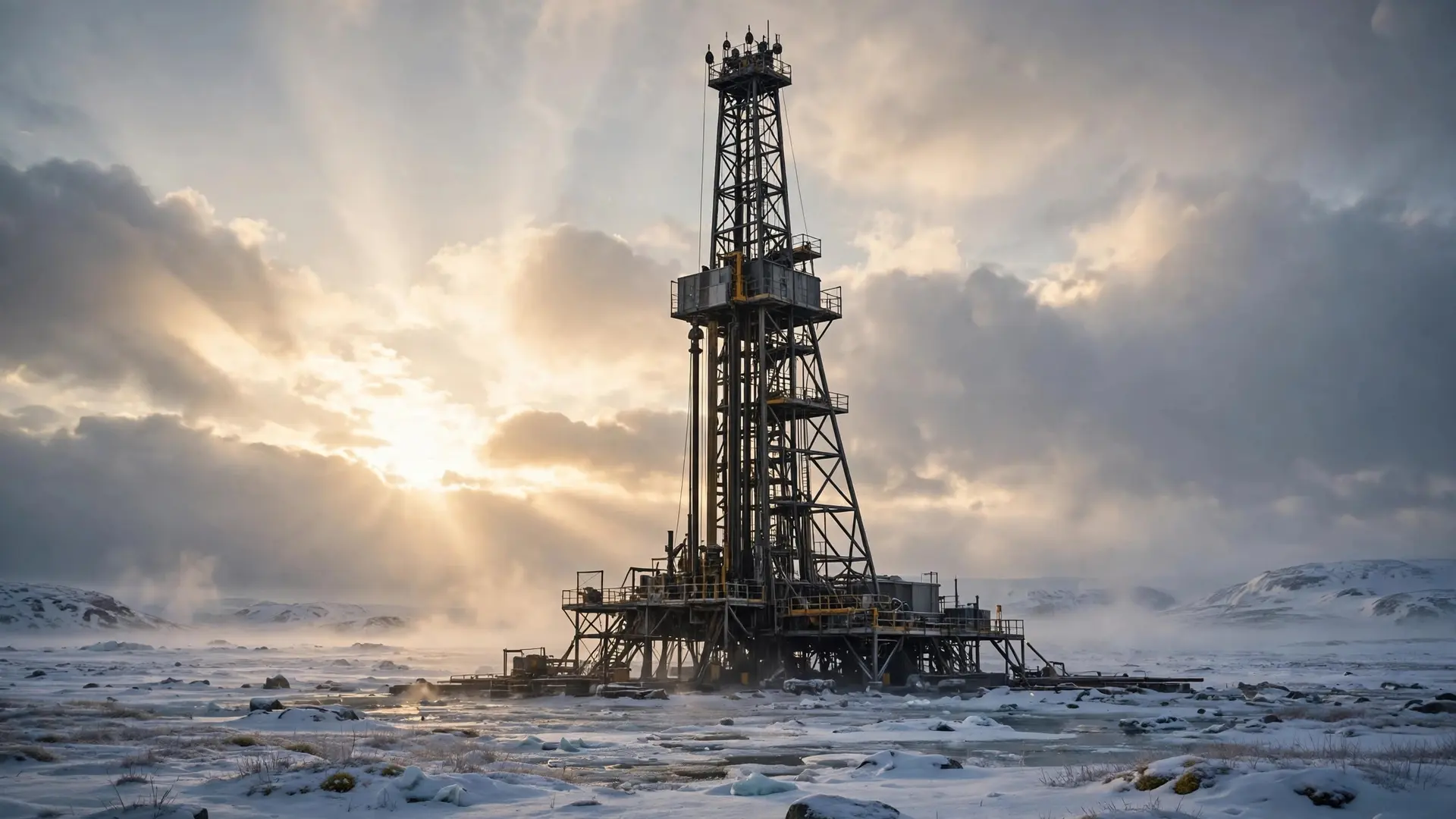
How Deep Did the Kola Superdeep Borehole Go?
The Kola Superdeep Borehole reached 12,262 metres in 1989 but never left the crust. Discover what the drill found, why heat stopped it, and why it matters.
Read Article history7 min read
How Did Ancient Qanats Carry Water Underground?
Qanats moved mountain groundwater for kilometres without pumps, using only gravity and a precise slope. How Persian diggers built them, and why some still flow.
Read Article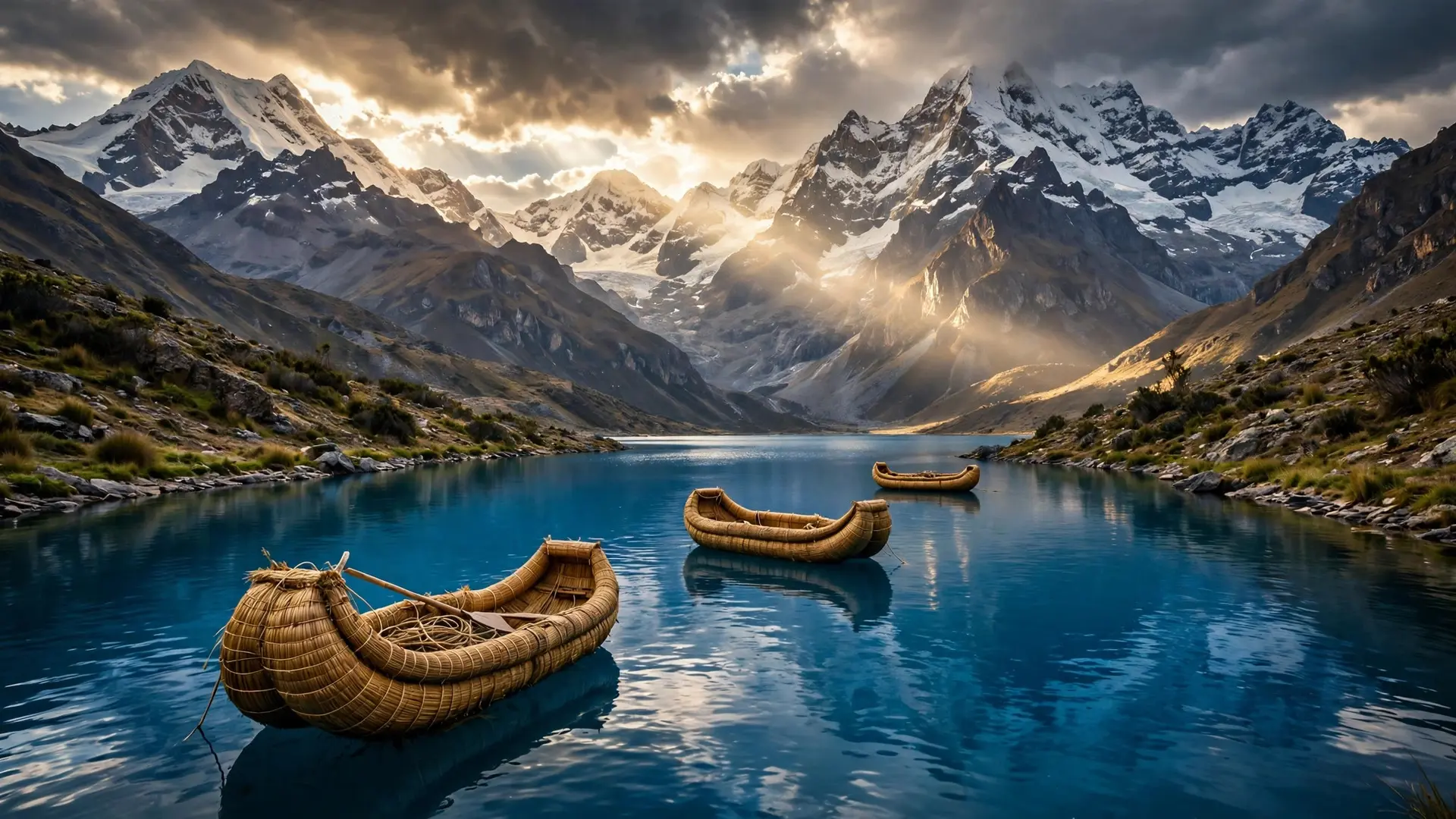 geography8 min read
Lake Titicaca: The World's Highest Navigable Lake
Lake Titicaca sits 3,800 metres up in the Andes, straddling Peru and Bolivia. Its reed islands, ancient shores and water balance make it more than a record.
Read Article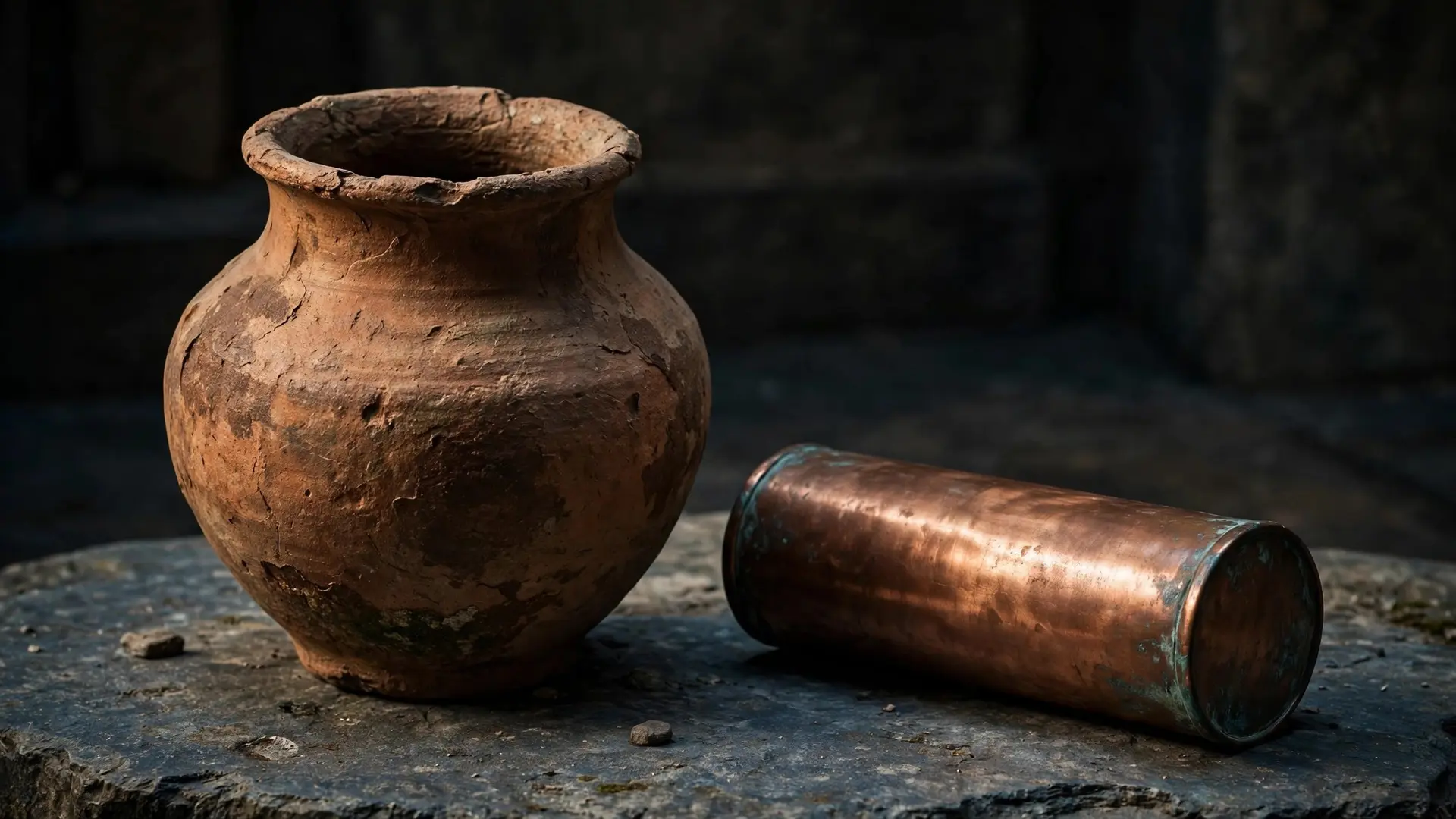 history7 min read
The Baghdad Battery: Ancient Electricity or Myth?
A clay jar with copper and iron inside has been called a 2,000-year-old battery. The replicas make voltage, but the archaeology points somewhere stranger.
Read Article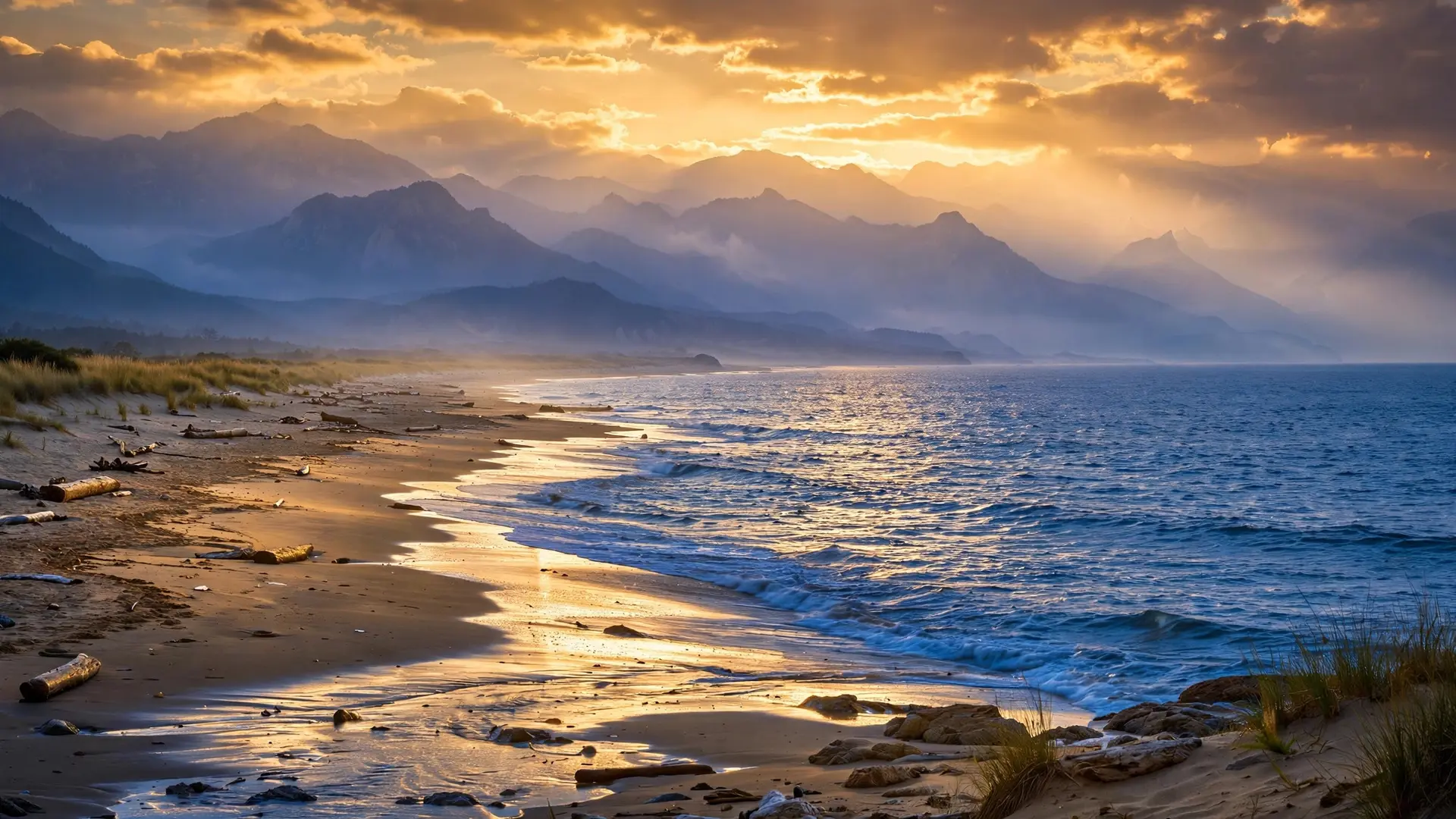 geography8 min read
The Caspian Sea: The World's Largest Lake
The Caspian Sea covers about 371,000 square kilometres, yet no river carries its water to any ocean. Explore its origins, five shores, and shrinking future.
Read Article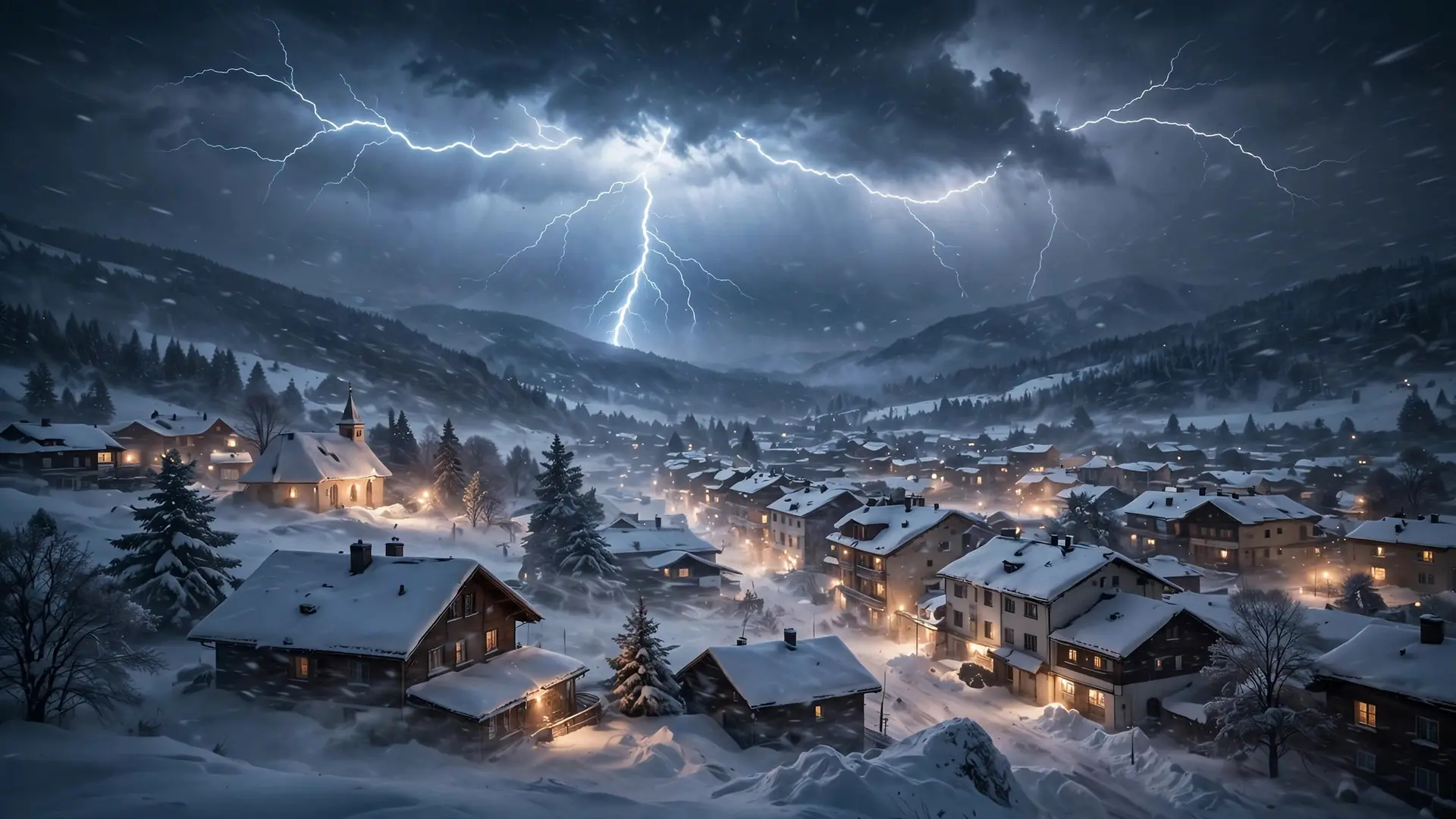 science6 min read
What Causes Thundersnow in Winter Storms?
Thundersnow is a thunderstorm that drops snow instead of rain. Here is the rare mix of instability, moisture and lift that lets a winter storm build lightning.
Read Article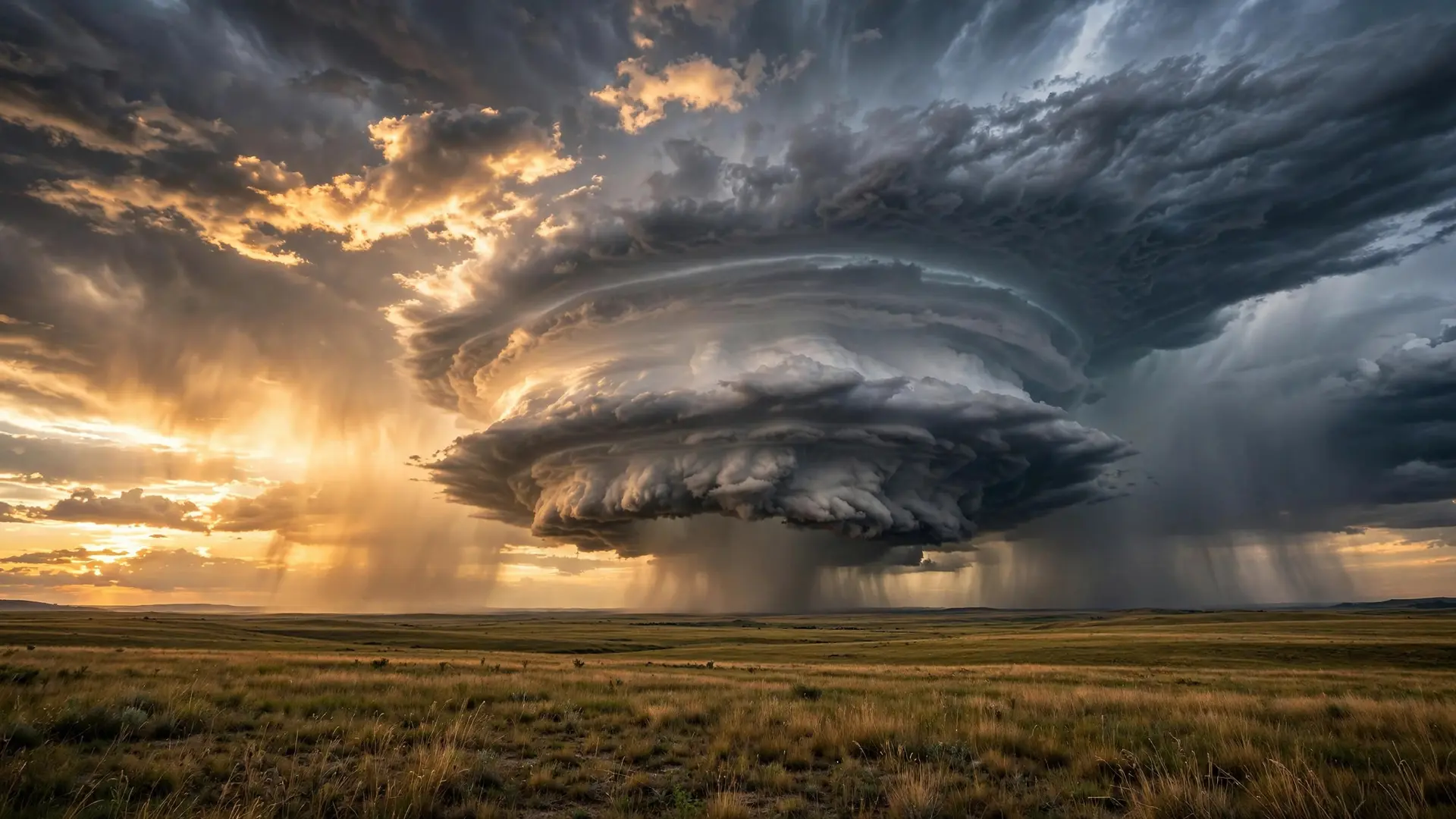 science8 min read
What Is a Supercell Thunderstorm, Exactly?
A supercell is a thunderstorm with a spinning updraft that can live for hours. Learn how wind shear builds it and why it produces tornadoes and giant hail.
Read Article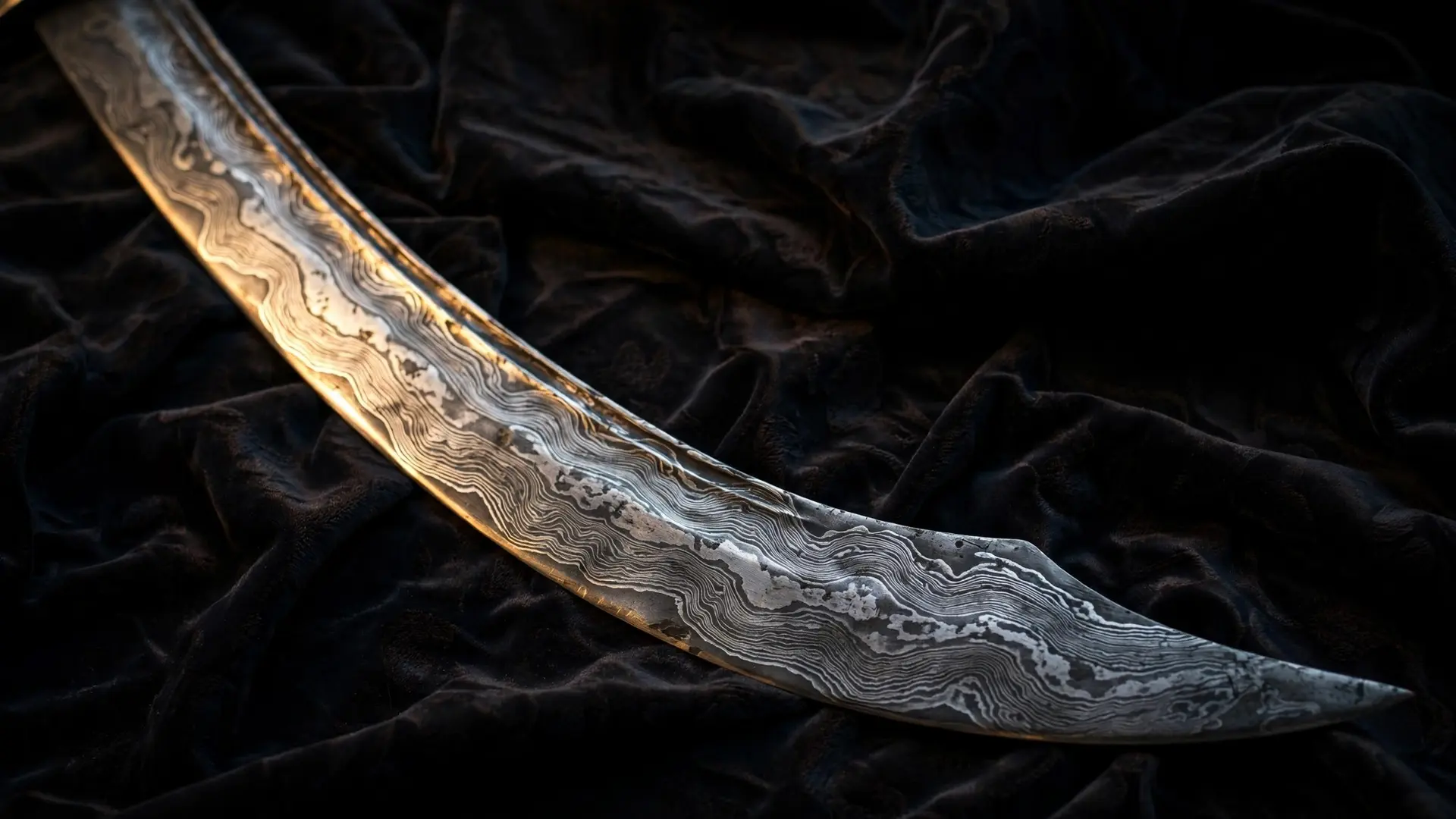 history7 min read
What Made Damascus Steel So Legendary in Battle?
Damascus blades earned their fame from rippling patterns grown inside the steel itself. How wootz ingots, trace metals and lost ore supplies made them.
Read Article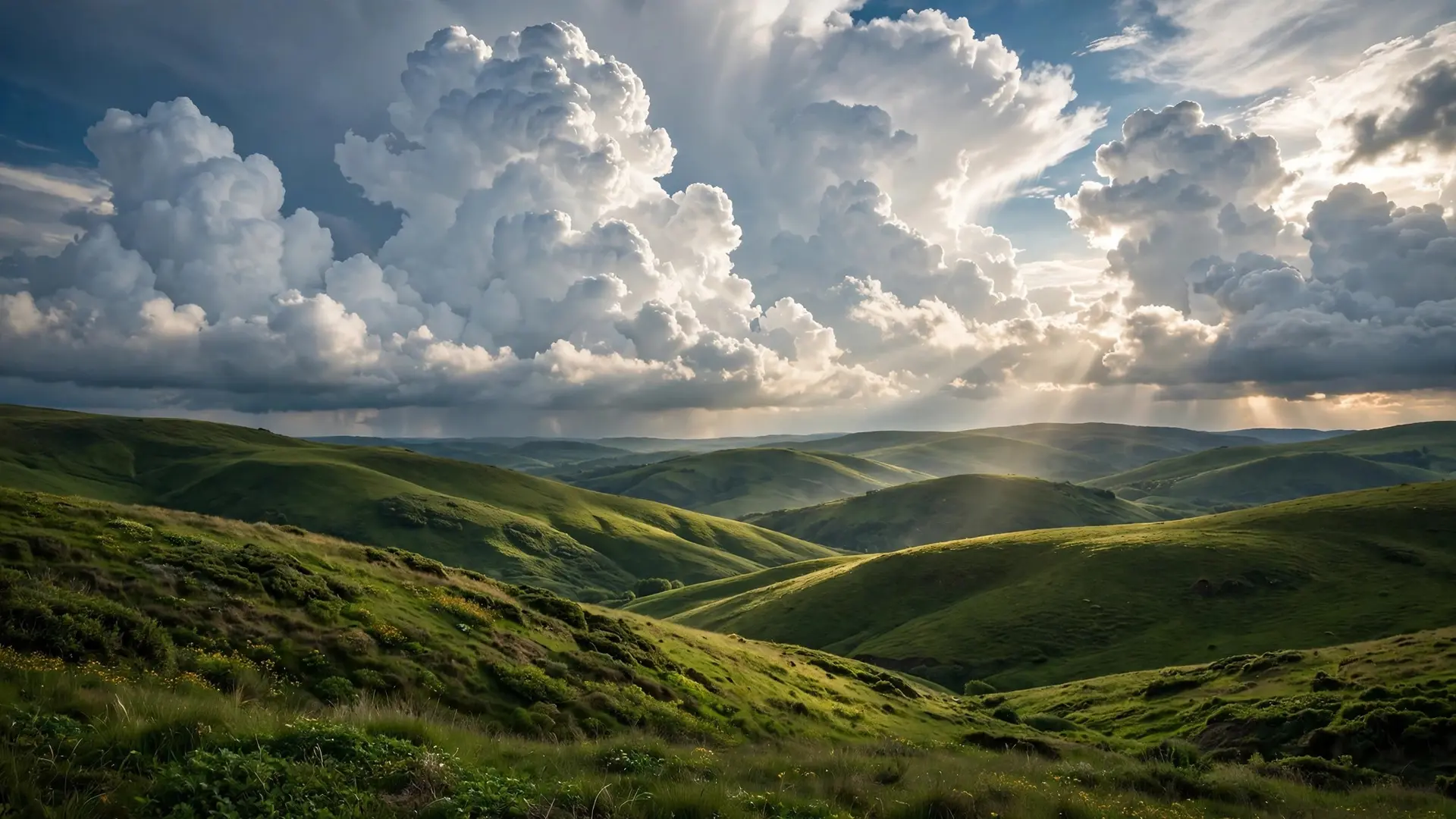 science7 min read
Why Do Clouds Float If They Hold Tons of Water?
A cloud looks like a solid, floating object, yet it is made of falling water. Discover why tiny droplets, rising air and constant renewal keep clouds aloft.
Read Article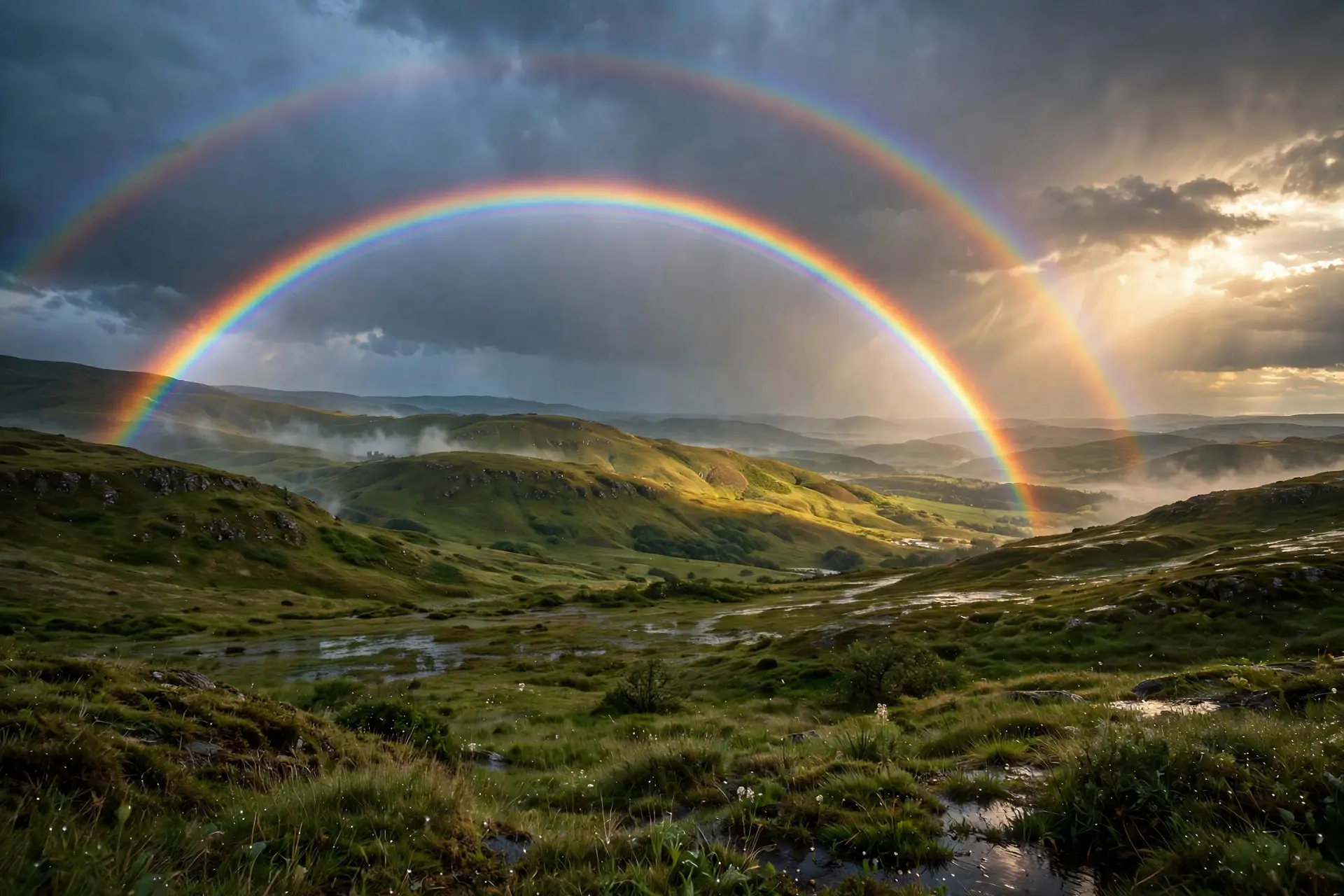 science6 min read
Why Do Double Rainbows Reverse Their Colors?
A double rainbow's outer bow runs its colors backward: violet outside, red inside. The flip comes from a second bounce of sunlight inside each raindrop.
Read Article geography8 min read
Why Does China Use Only One Time Zone Today?
China runs on one clock, Beijing Time, though its land spans five natural time zones. The 1949 choice was political, and the west lives with the gap daily.
Read Article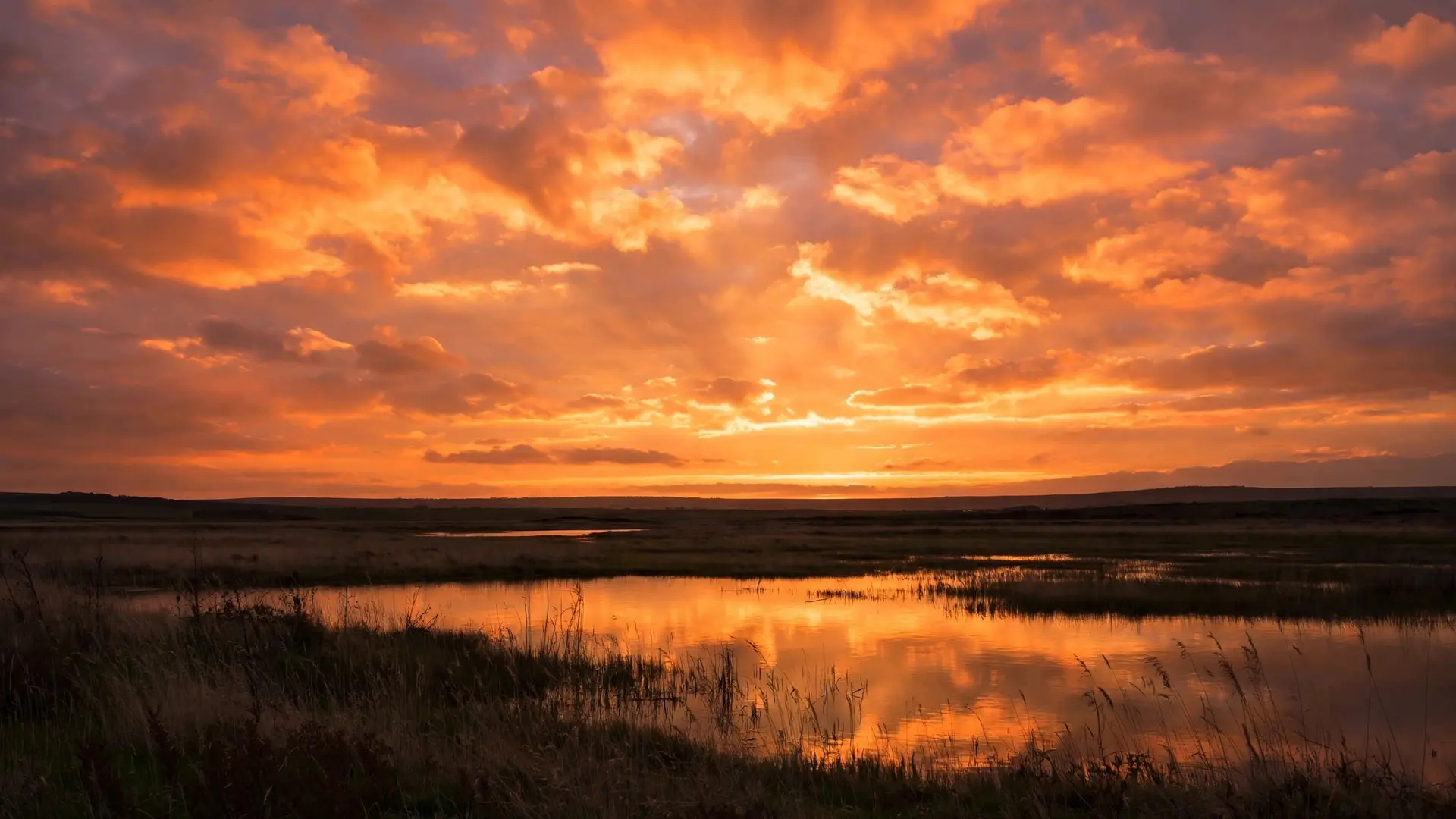 science7 min read
Why Does the Sky Turn Orange at Sunset Time?
Sunsets glow orange because sunlight takes a longer path through the air at day's end. Learn how scattering, dust and clouds paint the evening sky.
Read Article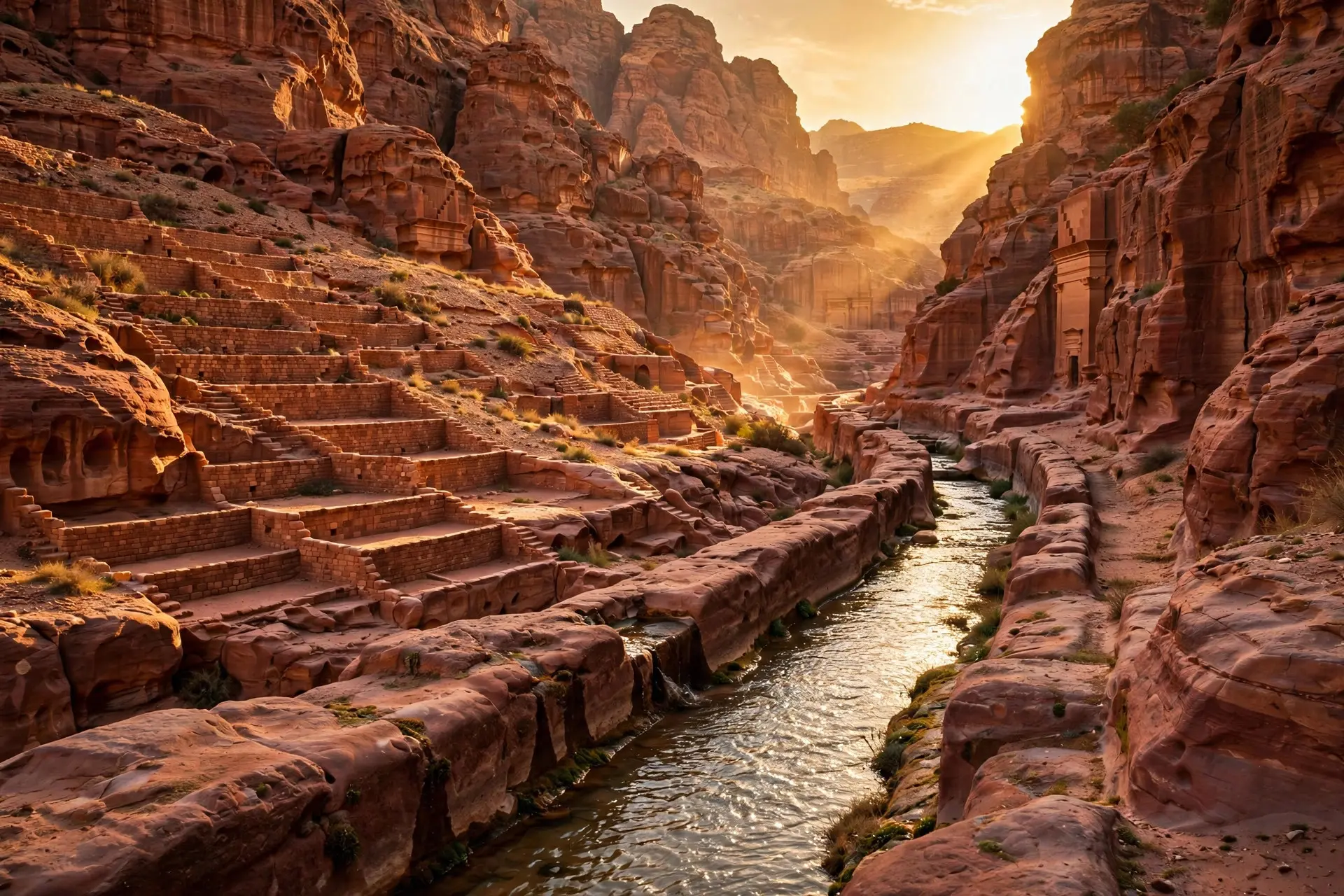 history6 min read
How Did Petra's Builders Bring Water to the Desert?
Nabataean builders gave Petra water in a near-rainless desert with dams, rock-cut channels, clay pipes, and hundreds of cisterns — here's how it worked.
Read Article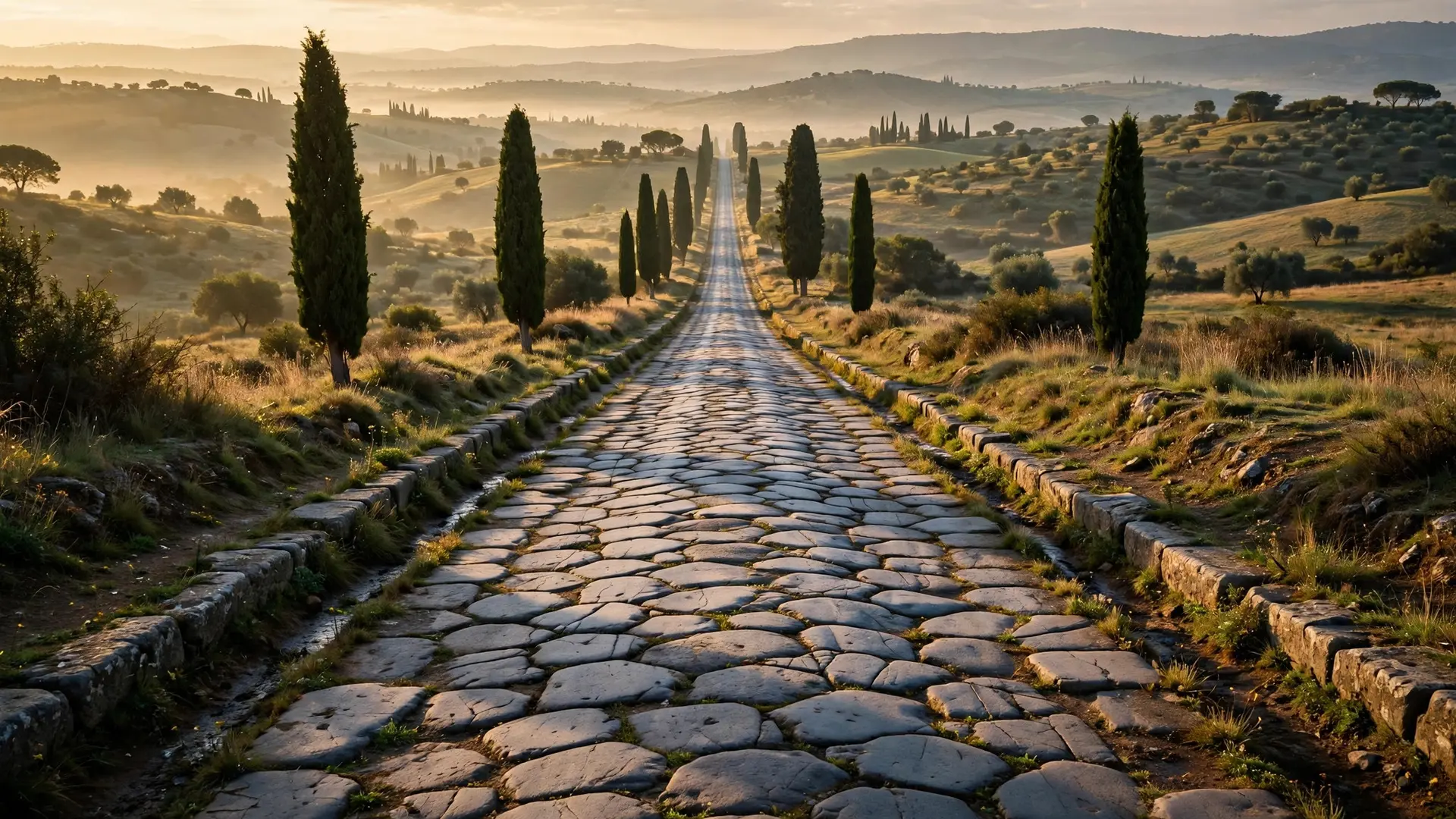 history7 min read
How Roman Roads Survived 2,000 Years of History
Roman roads outlasted the empire that built them thanks to four engineered layers, smart drainage, and precise surveying. Here's why they still survive today.
Read Article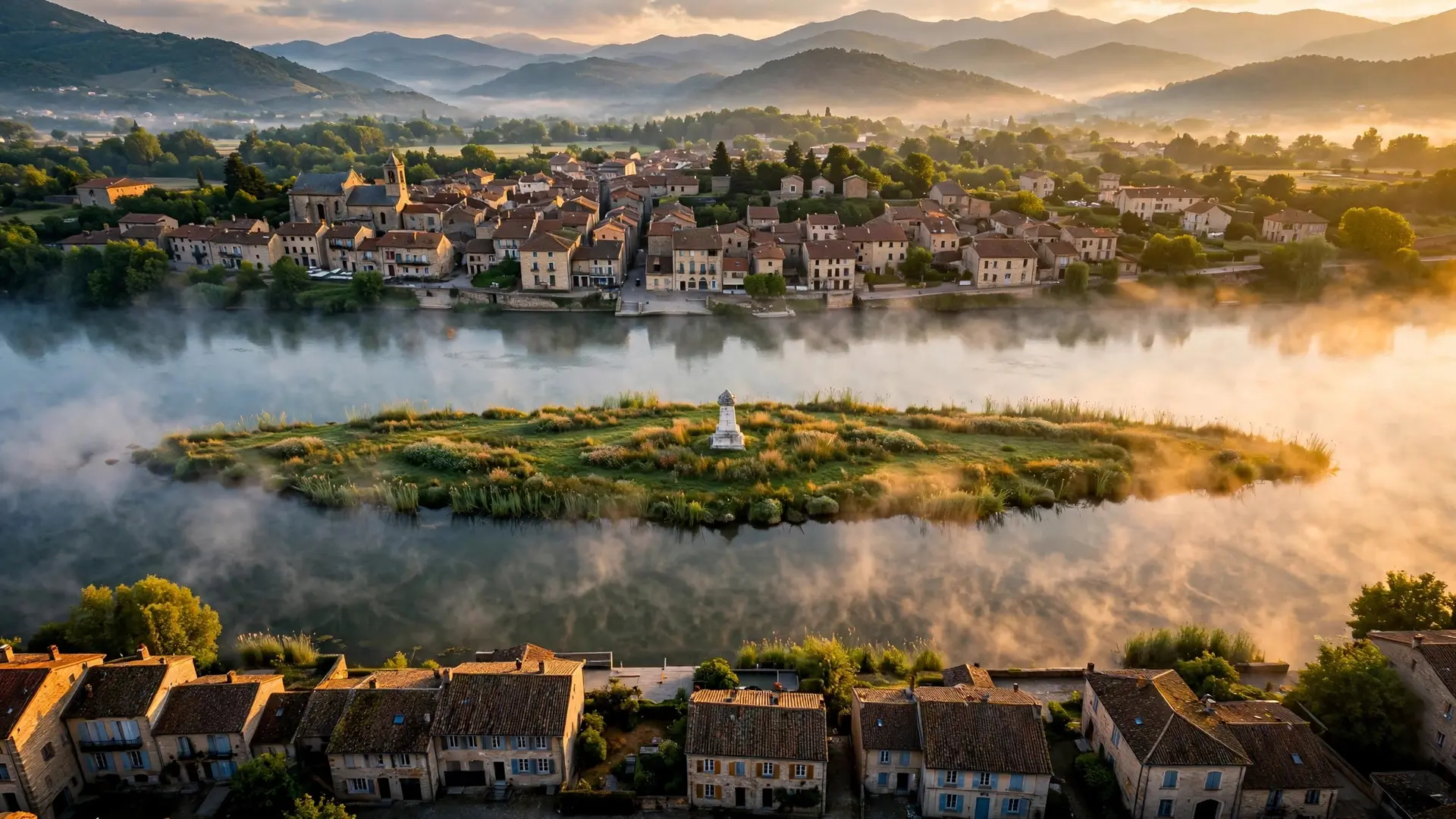 geography5 min read
Pheasant Island: Ruled by France and Spain in Turns
A tiny island in the Bidasoa river swaps between Spain and France every six months. Inside the world's oldest condominium and the 1659 peace deal behind it.
Read Article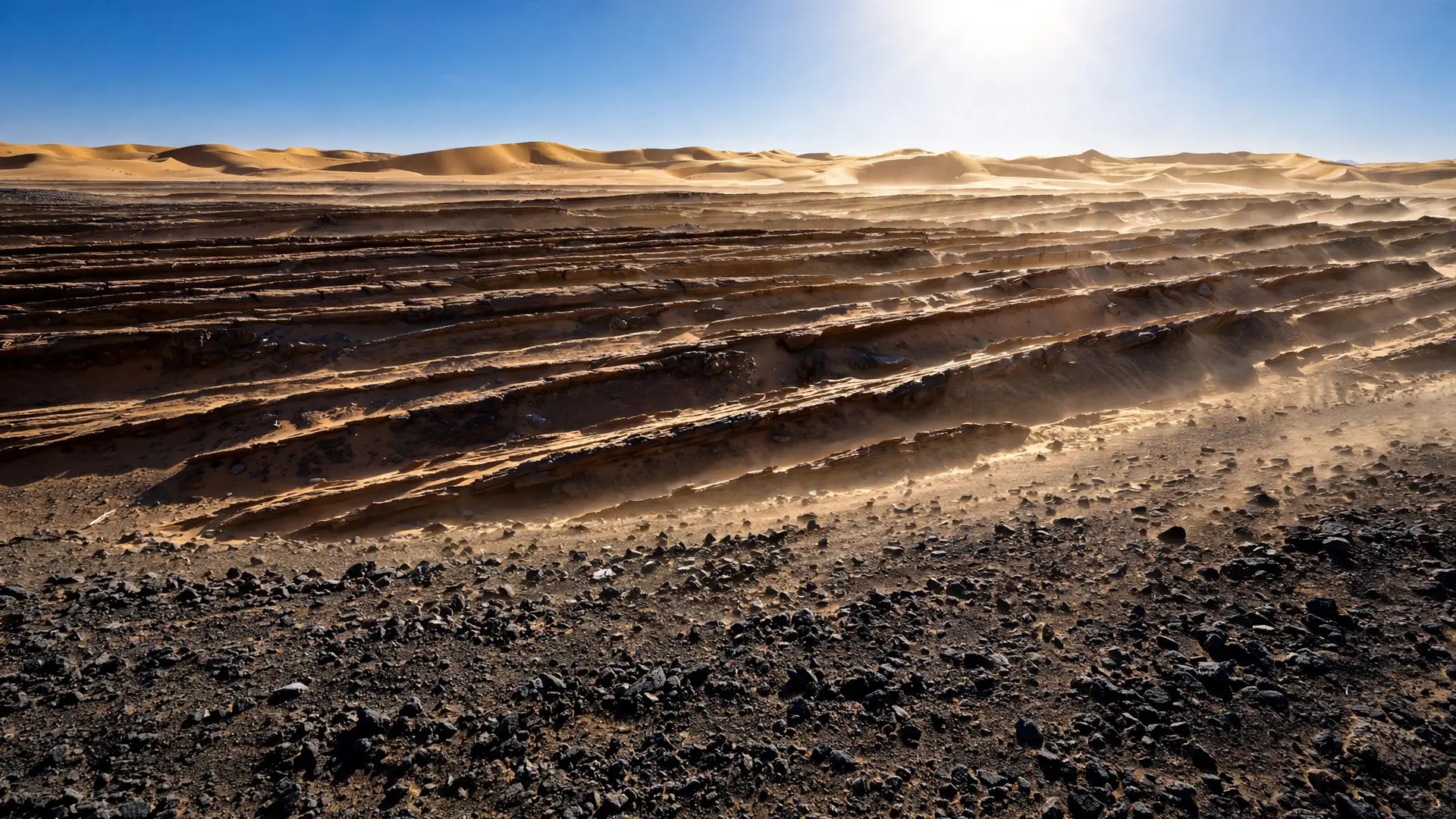 geography6 min read
The Lut Desert: The Hottest Land Surface on Earth
NASA satellites measured Earth's hottest ground in Iran's Lut Desert: 70.7°C on dark volcanic gravel. Here's the recipe behind the planet's fiercest heat.
Read Article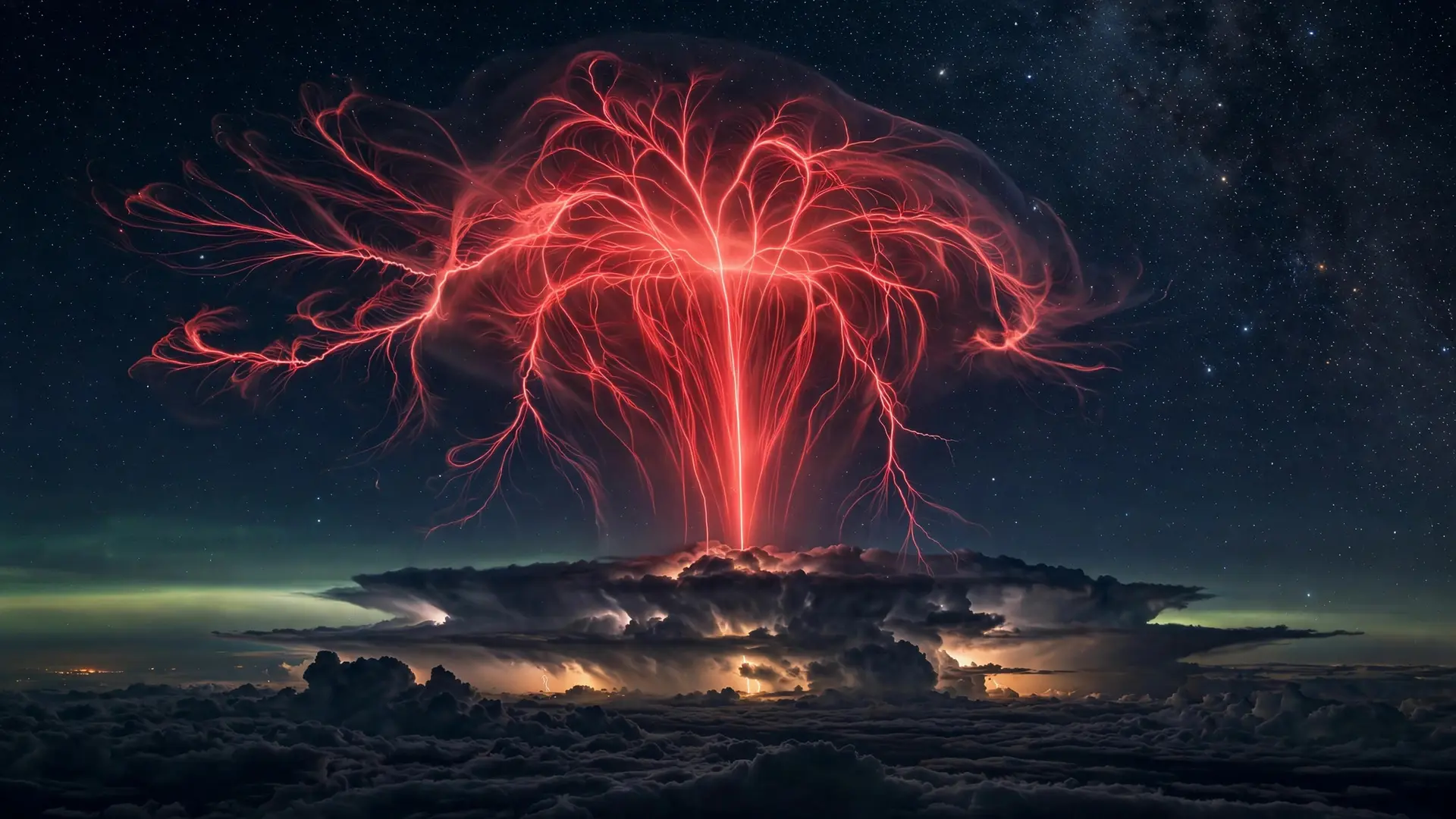 science6 min read
What Are Red Sprites, the Lightning Above Storms?
High above thunderstorms, brief crimson flashes flicker in the mesosphere. Here is what triggers red sprites, why they glow red, and how NASA studies them.
Read Article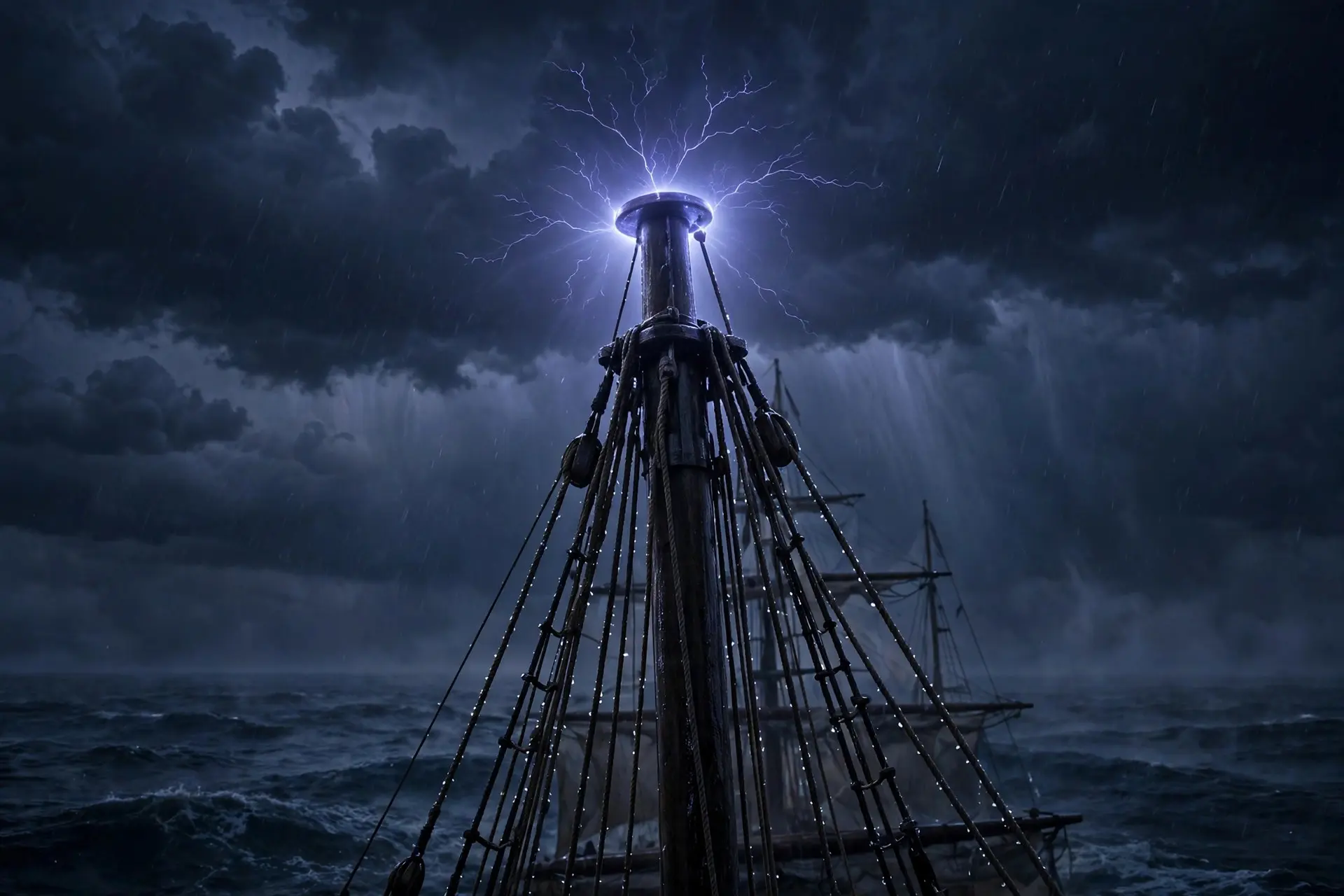 science5 min read
What Is St. Elmo's Fire? The Physics of the Glow
Sailors watched it dance on masts; pilots see it on windscreens. St. Elmo's fire is glowing plasma, not fire — here is the physics behind the phenomenon.
Read Article history5 min read
How Cai Lun Invented Paper in Ancient China
Paper was not born in 105 CE — but Cai Lun turned waste bark, hemp and old rags into the cheap, reproducible paper that conquered the ancient world.
Read Article technology5 min read
How Do E-Ink Displays Work Without Any Power?
An e-ink screen spends power only to change the image - never to show it. Charged pigment microcapsules hold the picture in place, like ink on paper.
Read Article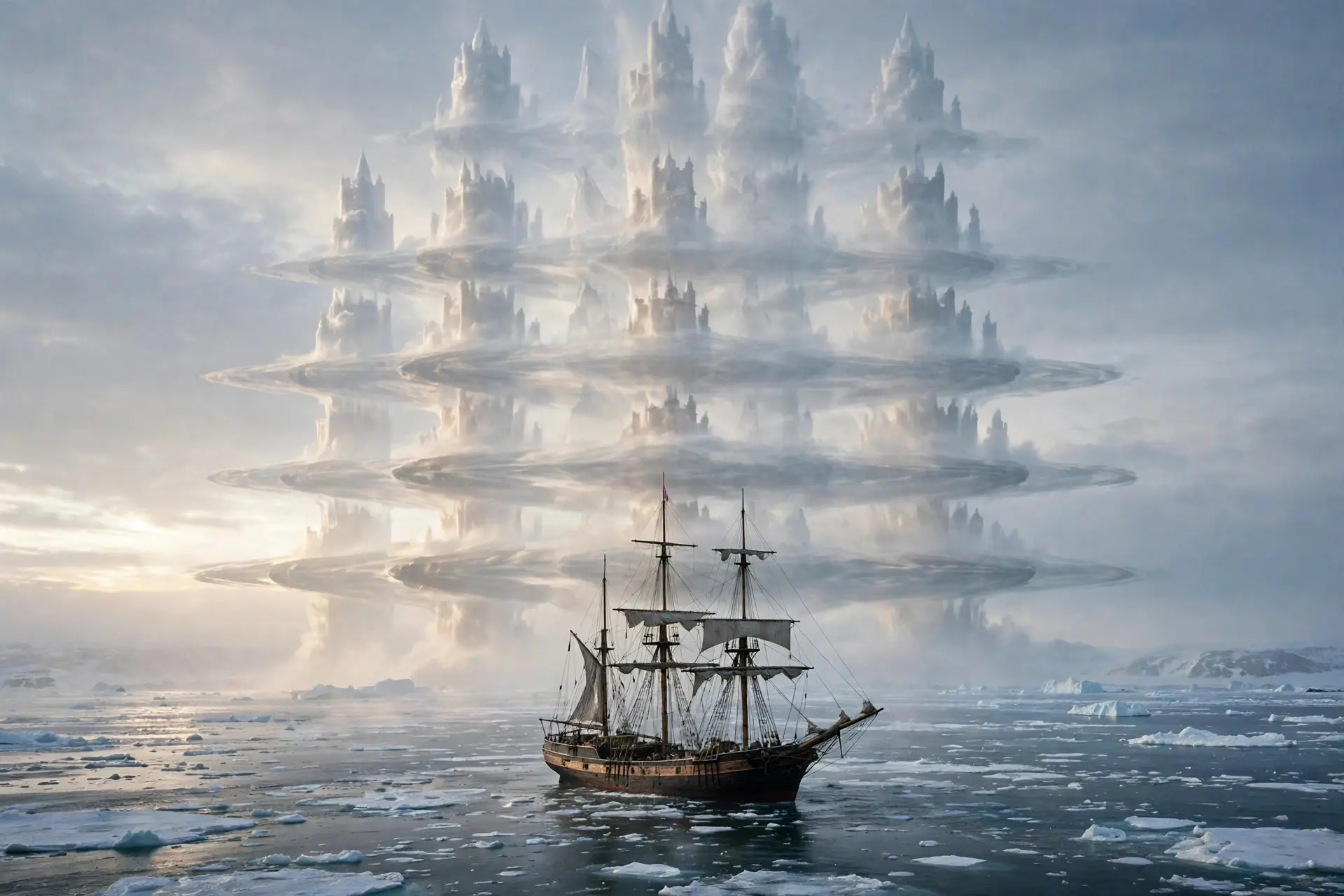 science6 min read
How Do Mirages and Fata Morgana Trick the Eye?
A mirage never lies — your brain does. One rule of physics, that light bends toward colder air, explains desert water, floating ships, and phantom castles.
Read Article technology5 min read
How Do Smartwatches Measure Your Heart Rate?
Your smartwatch flashes green light into your wrist hundreds of times per second and counts pulses in the reflection. Brilliant at rest, fragile in the cold.
Read Article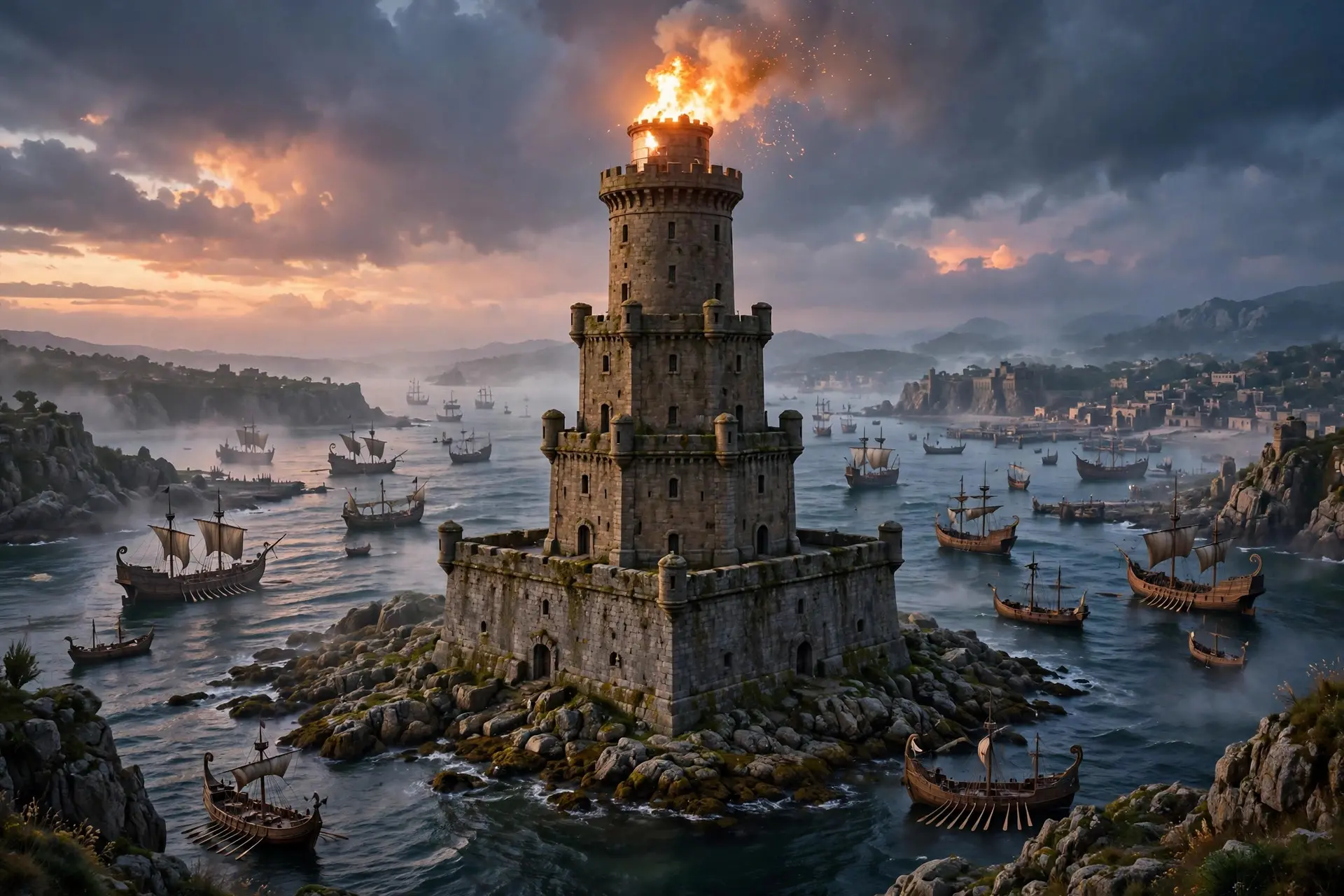 history5 min read
How Tall Was the Lighthouse of Alexandria?
The Lighthouse of Alexandria may have stood 100 to 118 meters tall — but with no surviving blueprint, scholars still argue. Its stones now rest on the seabed.
Read Article history6 min read
The Berlin Conference and the Scramble for Africa
The 1884-85 Berlin Conference never drew Africa's borders - but its effective-occupation rule launched the scramble that colonized 90% of the continent.
Read Article