
Curiosities
Deep explanations behind everyday enigmas, unexpected designs, and odd phenomena.
 6 min read
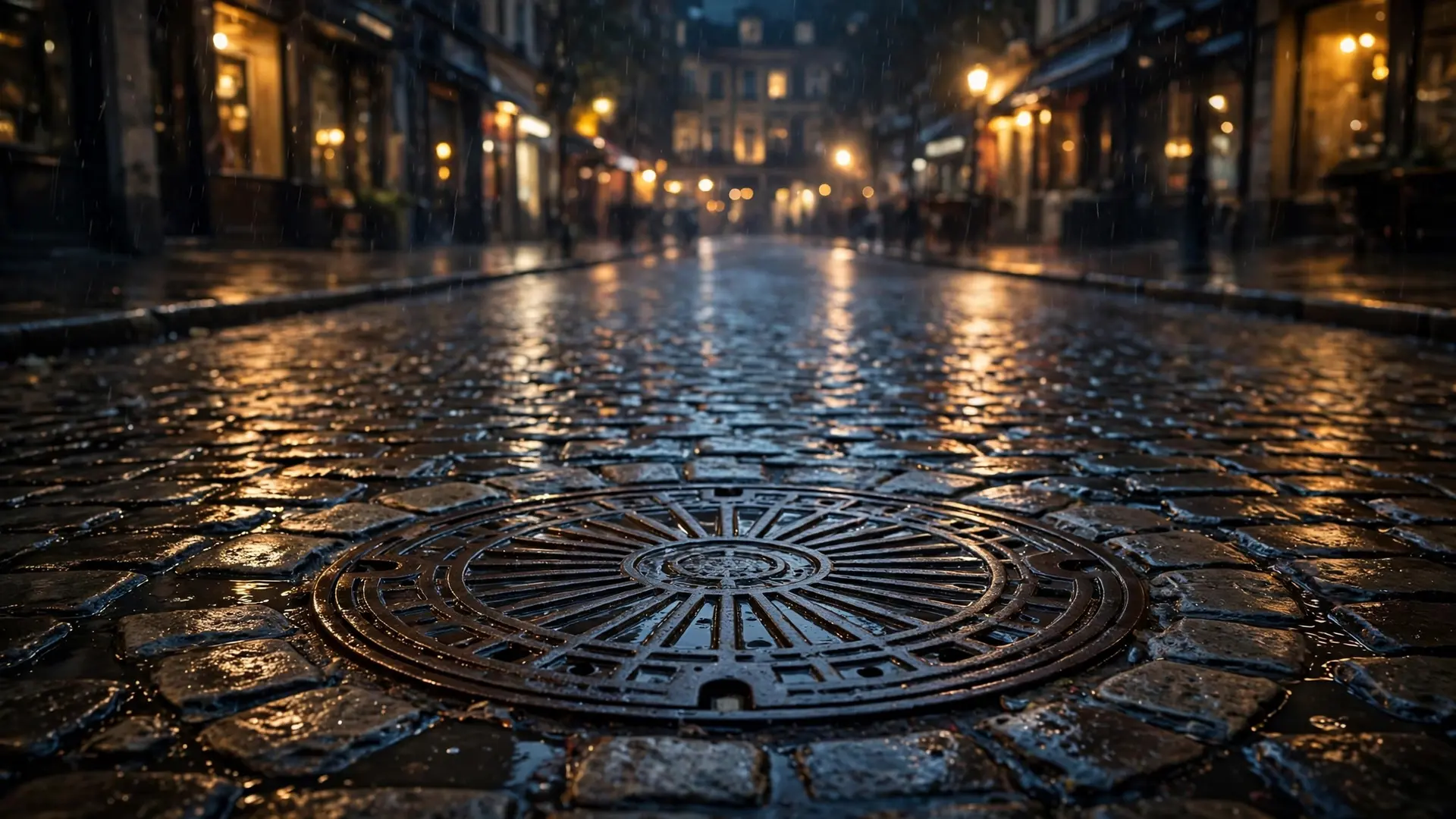
Why Are Manhole Covers Round? The Engineering Answer
A round cover cannot slip through its own opening, which keeps workers and drivers safe. The full story adds lathes, heavy lids and a clever geometry trick.
Read Article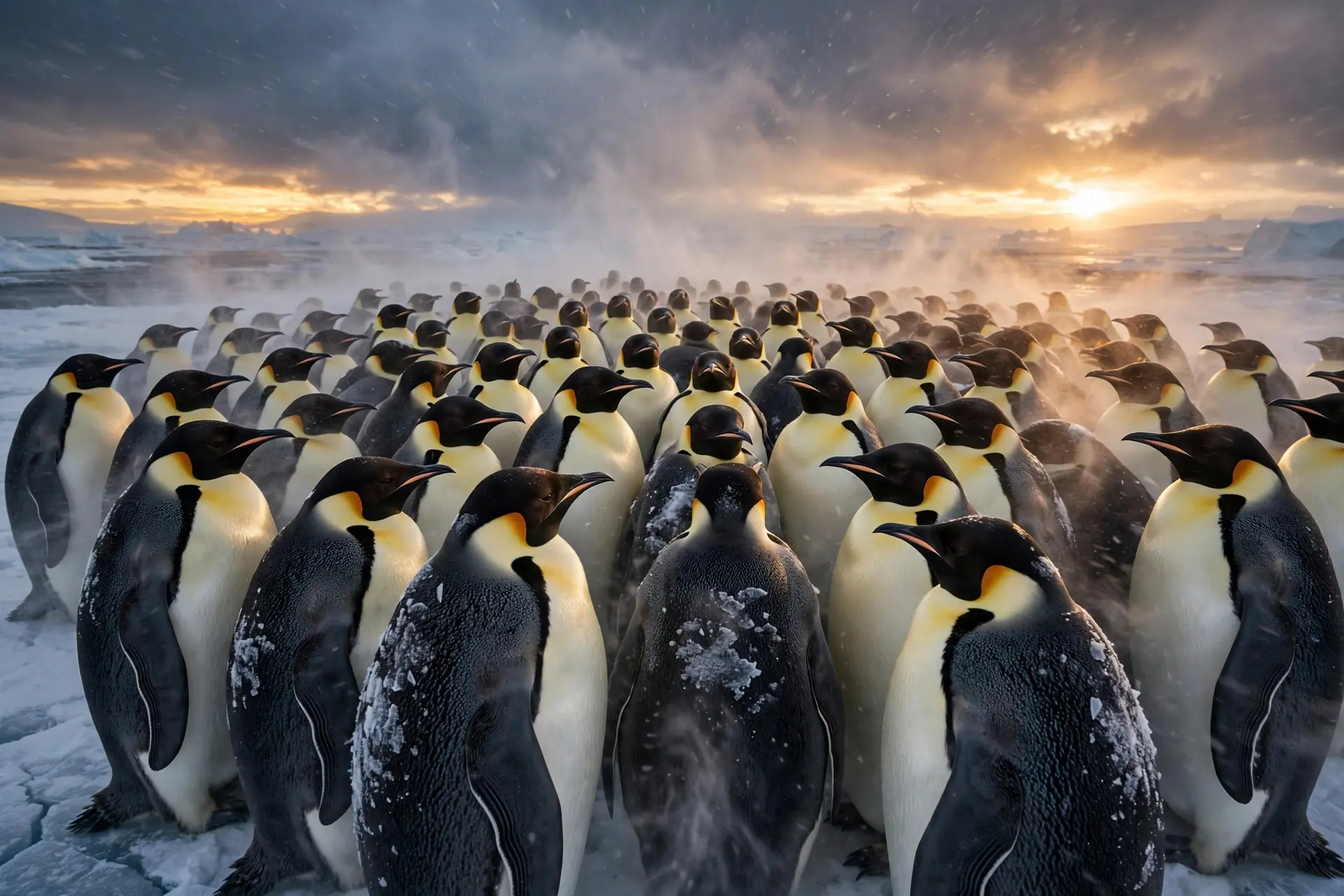 7 min read
Why Do Penguins Huddle Together? Nature's Warmest Team
Emperor penguins breed through the Antarctic winter by packing into tight huddles where the air reaches 37.5°C. The secret is a leaderless wave of movement.
Read Article 6 min read
Why Do All Clocks Run in the Same Direction?
Clocks turn clockwise because of ancient sundials — and because clockmakers lived in the Northern Hemisphere. The full story of time's direction.
Read Article 6 min read
Why Do We Get Butterflies in Our Stomach?
Butterflies in your stomach are your gut's blood supply being diverted to your muscles. Here's the fight-or-flight science behind the flutter.
Read Article 7 min read
The Whole Nine Yards: Where the Phrase Came From
It means 'everything' — but what were the nine yards measuring? Decades of research debunked the popular theories and traced the phrase to small-town newsprint.
Read Article 6 min read
Why Dogs Tilt Their Heads When You Talk to Them
That sideways head tilt isn't just cute: a 2021 study tied it to concentration in gifted dogs. Here is what science actually knows about the habit.
Read Article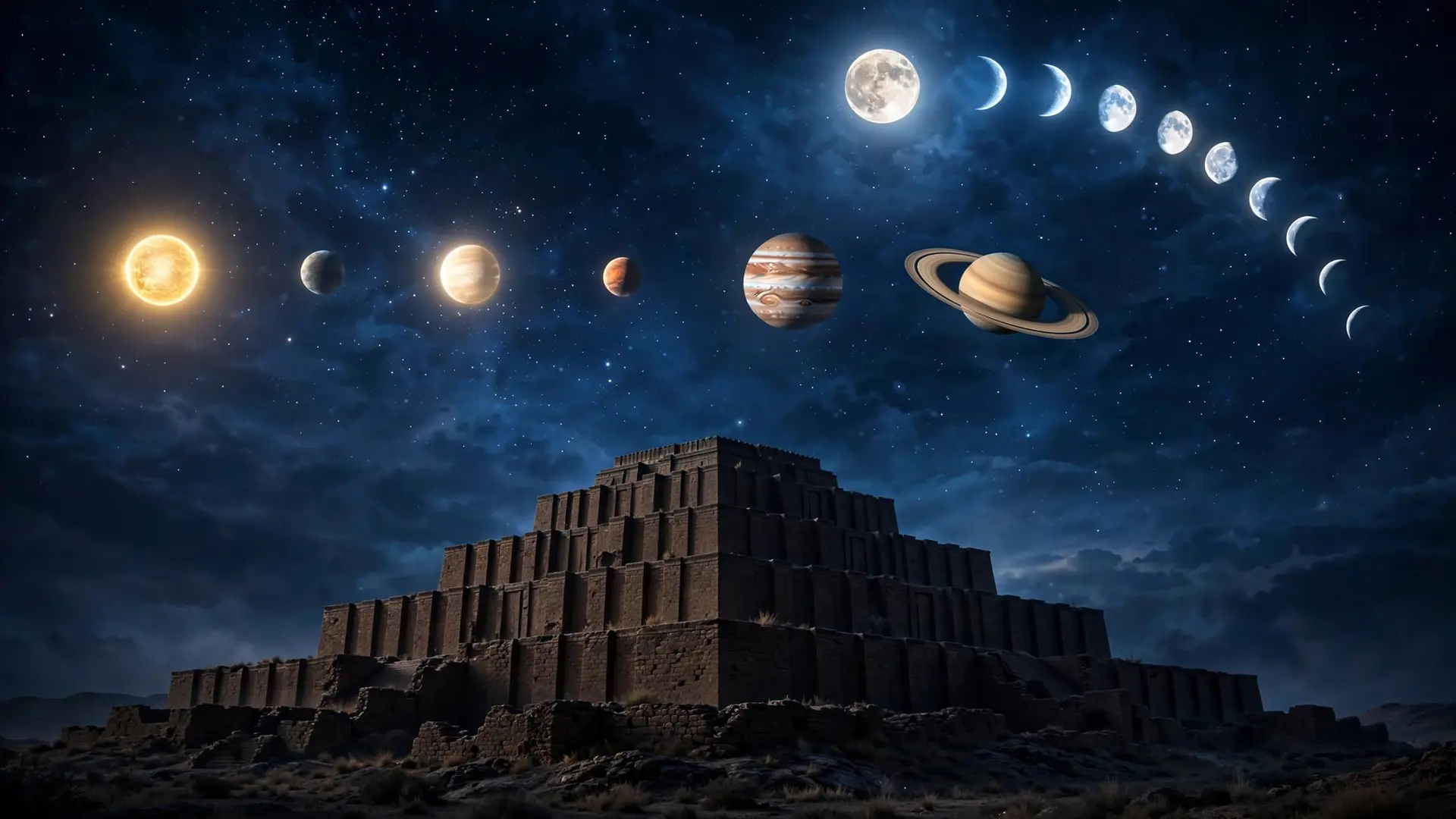 7 min read
The Seven-Day Week: Why Seven, and Why It Stuck
The seven-day week outlasted empires, revolutions, and one Soviet attempt to replace it. Its roots: moon phases, seven visible planets, and sacred rest.
Read Article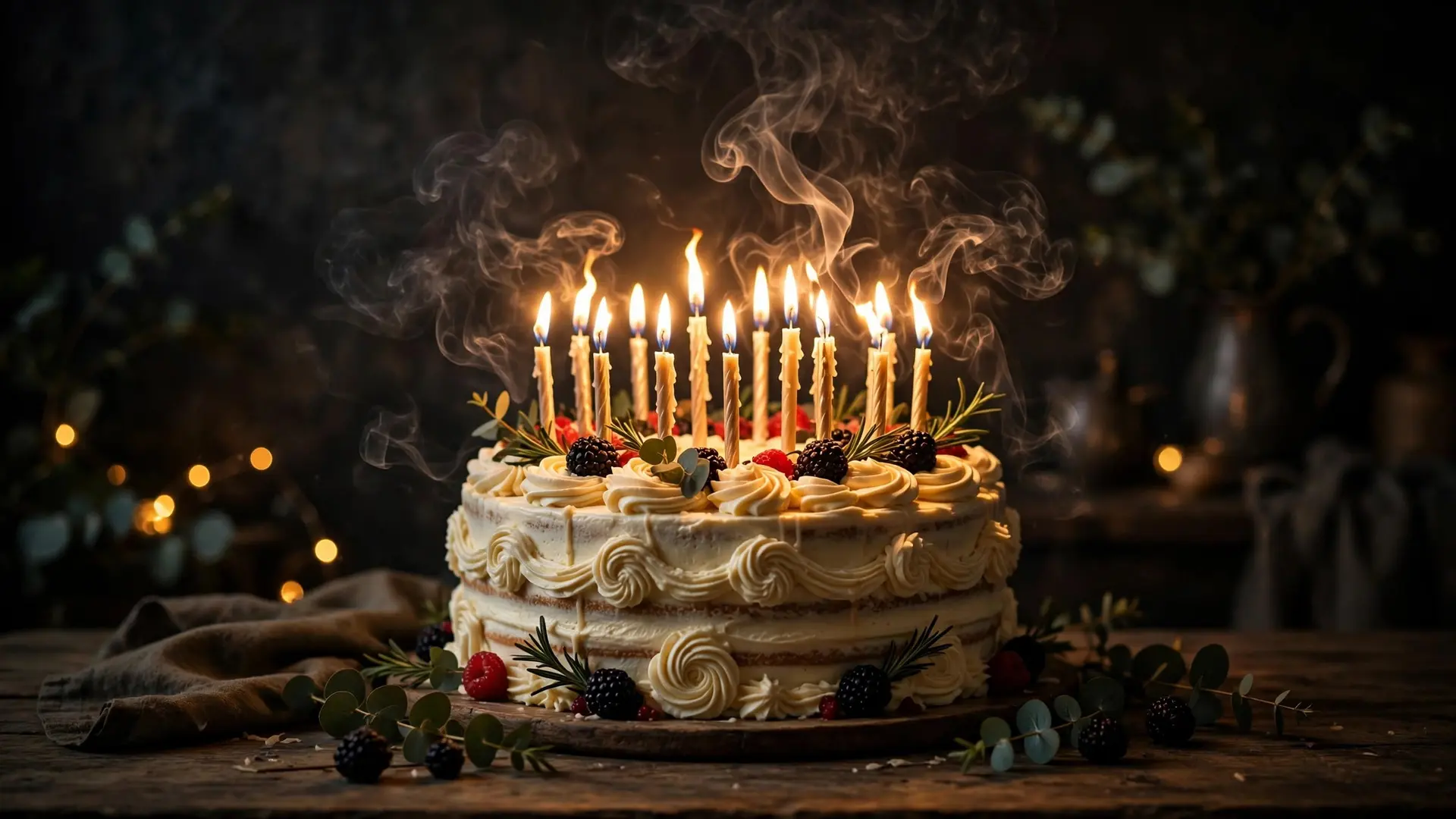 6 min read
Why Do We Blow Out Birthday Candles at All?
The candle-blowing ritual is well documented but surprisingly young: 18th-century Germany's Kinderfest, a Swiss folklore journal, and a Disney short explain it.
Read Article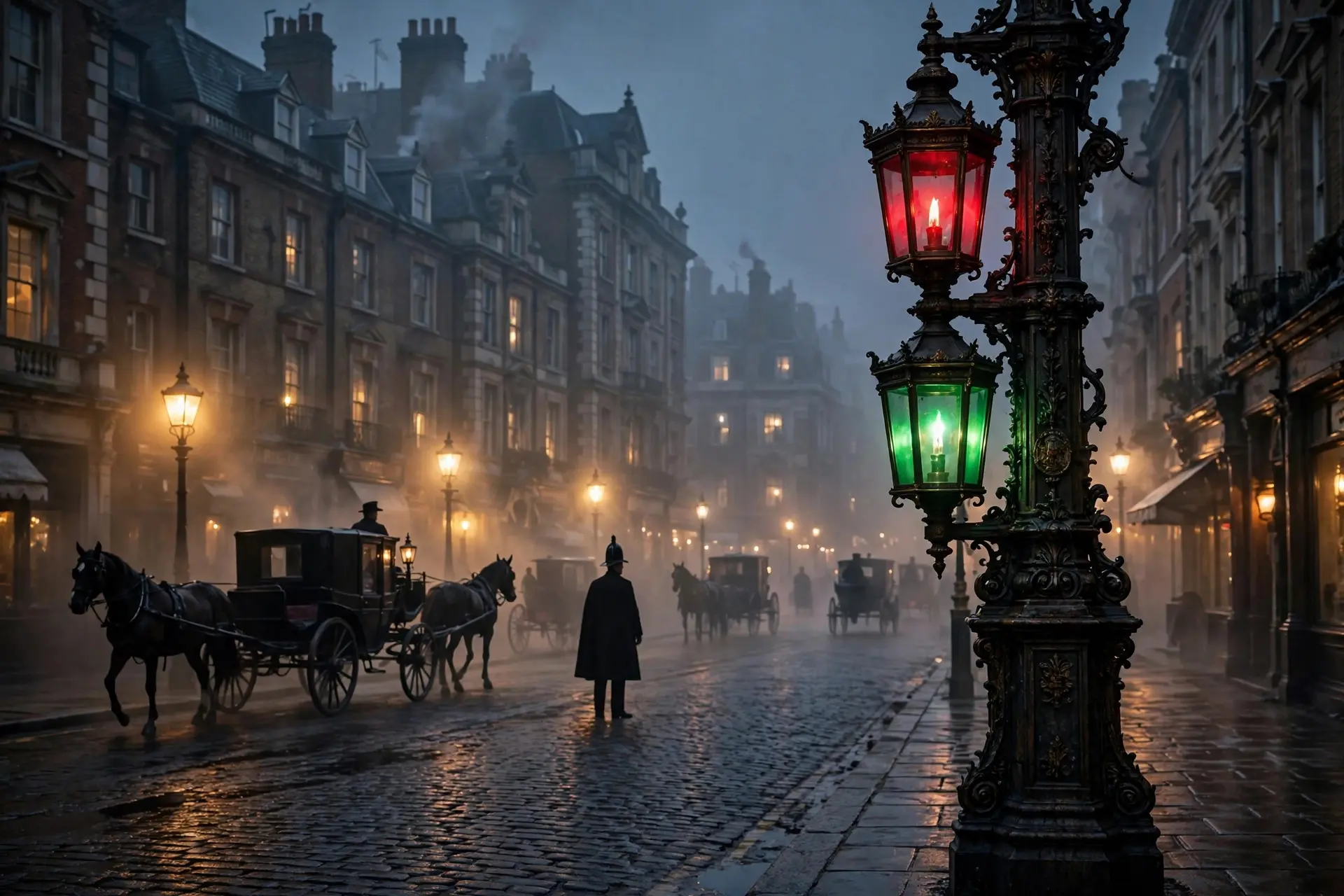 7 min read
Why Are Traffic Lights Red, Yellow, and Green?
Traffic lights inherited their colors from 19th-century railroads — where the original 'go' light was white, and it caused enough trouble to be abolished.
Read Article 6 min read
Why Do We Shake Hands as a Greeting? The 3,000-Year Story
The handshake began as a weapon check among armed men — an empty right hand meant no sword. It became an everyday greeting only a few centuries ago.
Read Article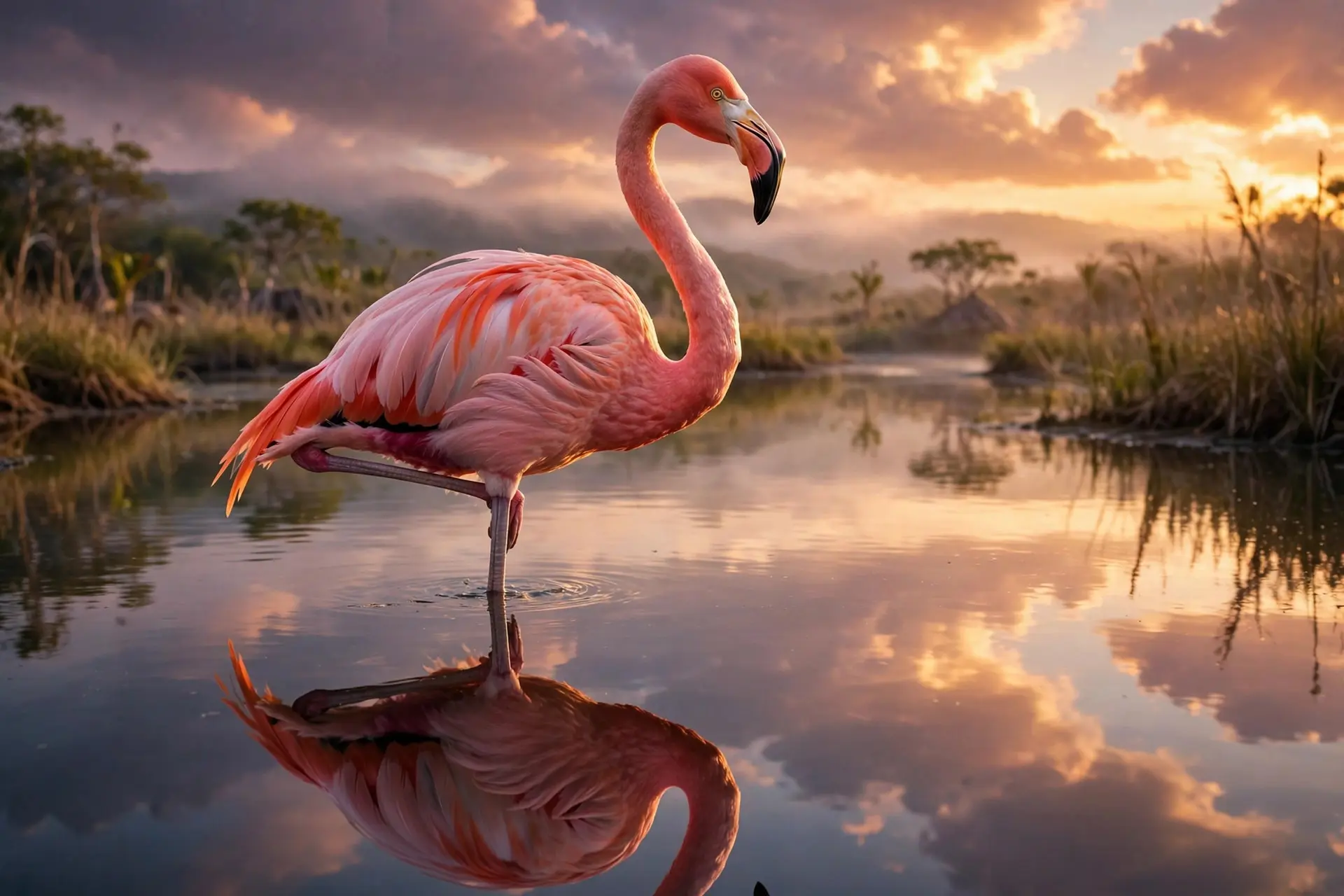 6 min read
Why Do Flamingos Balance and Sleep on One Leg?
Why do flamingos rest on one leg? Their joints lock into the pose with almost no muscle effort, and tucking the second leg in conserves heat in cold water.
Read Article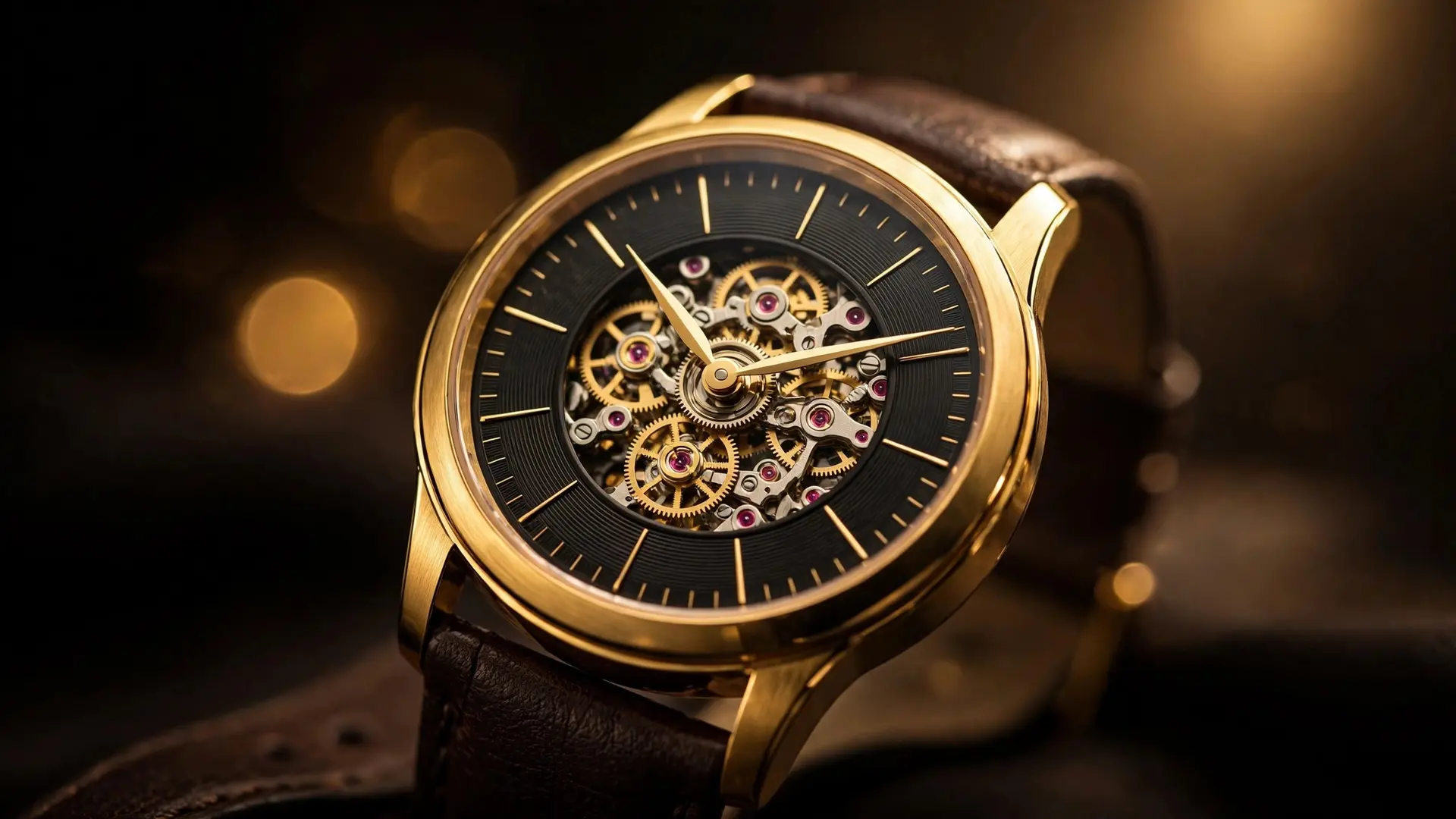 6 min read
Why Do Watch Ads Always Set the Time to 10:10?
Why does every watch ad show 10:10? A century-old convention: the hands frame the brand logo, keep the dial clear, and make the watch face look like a smile.
Read Article 7 min read
Why Friday the 13th Became the Unluckiest Day
Friday the 13th's unlucky reputation is surprisingly young: a 19th-century invention built from older superstitions, a debunking club, and a 1907 novel.
Read Article 6 min read
Why We Clink Glasses: The Real Story Behind Toasting
The famous poison theory is almost certainly wrong. The real story mixes ancient health pledges, actual toasted bread in wine, and evil spirits.
Read Article 7 min read
Why Do Cats Knead? The Science of Making Biscuits
From nursing instinct to affectionate ritual, kneading carries a cat from kittenhood into adulthood. Here is what science knows about 'making biscuits'.
Read Article 6 min read
Why Leap Years Exist: The Calendar's Hidden Math
Earth's orbit doesn't fit into 365 days, so we add February 29 almost every four years. The 2,000-year story of leap years includes days deleted from history.
Read Article 6 min read
Why Do We Say 'Break a Leg' Before a Performance?
Actors never wish each other 'good luck' — it's considered a jinx. Instead they say 'break a leg,' a century-old theater ritual whose origin is still debated.
Read Article 6 min read
Why Music Gives Us Goosebumps: The Science of Frisson
That shiver when a song peaks has a name — frisson — and a measurable cause. Here's how music hijacks the brain's reward circuit, and why only some feel it.
Read Article 7 min read
The Lead Masks Case: Brazil's 1966 Unsolved Hill Deaths
Two technicians in lead eye masks, a cryptic schedule for capsules, a hilltop rendezvous kept in 1966. Inside Brazil's strangest unsolved death case.
Read Article 6 min read
Why Do We Say 'Bless You' When Someone Sneezes?
People have blessed sneezers for 2,000 years, from Roman rituals to a sixth-century plague decree. Here is why the habit survived after we forgot what it meant.
Read Article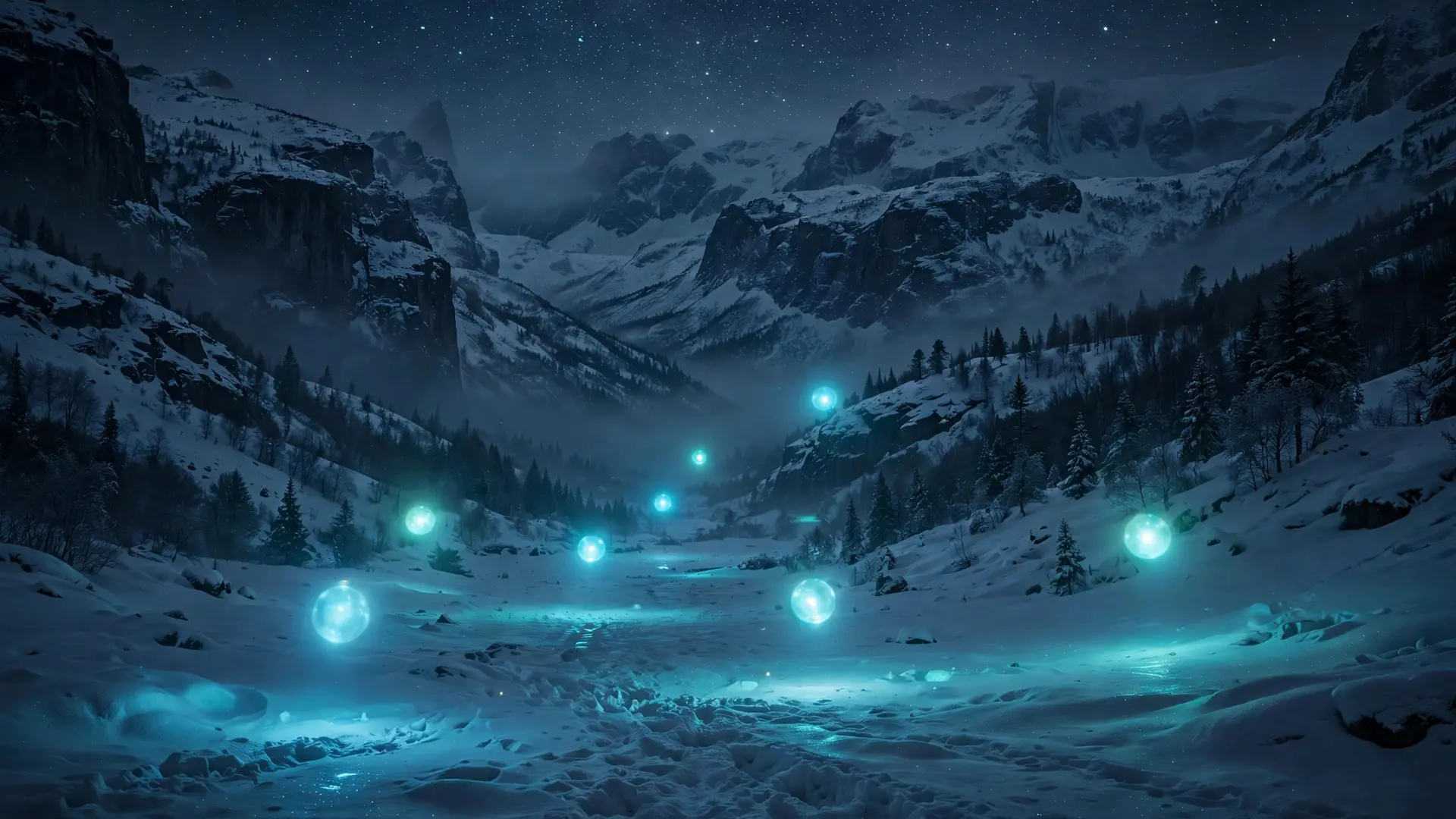 6 min read
Hessdalen Lights: Norway's 40-Year Unexplained Sky Mystery
Glowing orbs have drifted through Norway's Hessdalen valley for 40 years, tracked by radar and spectrometers. What four decades of data actually found.
Read Article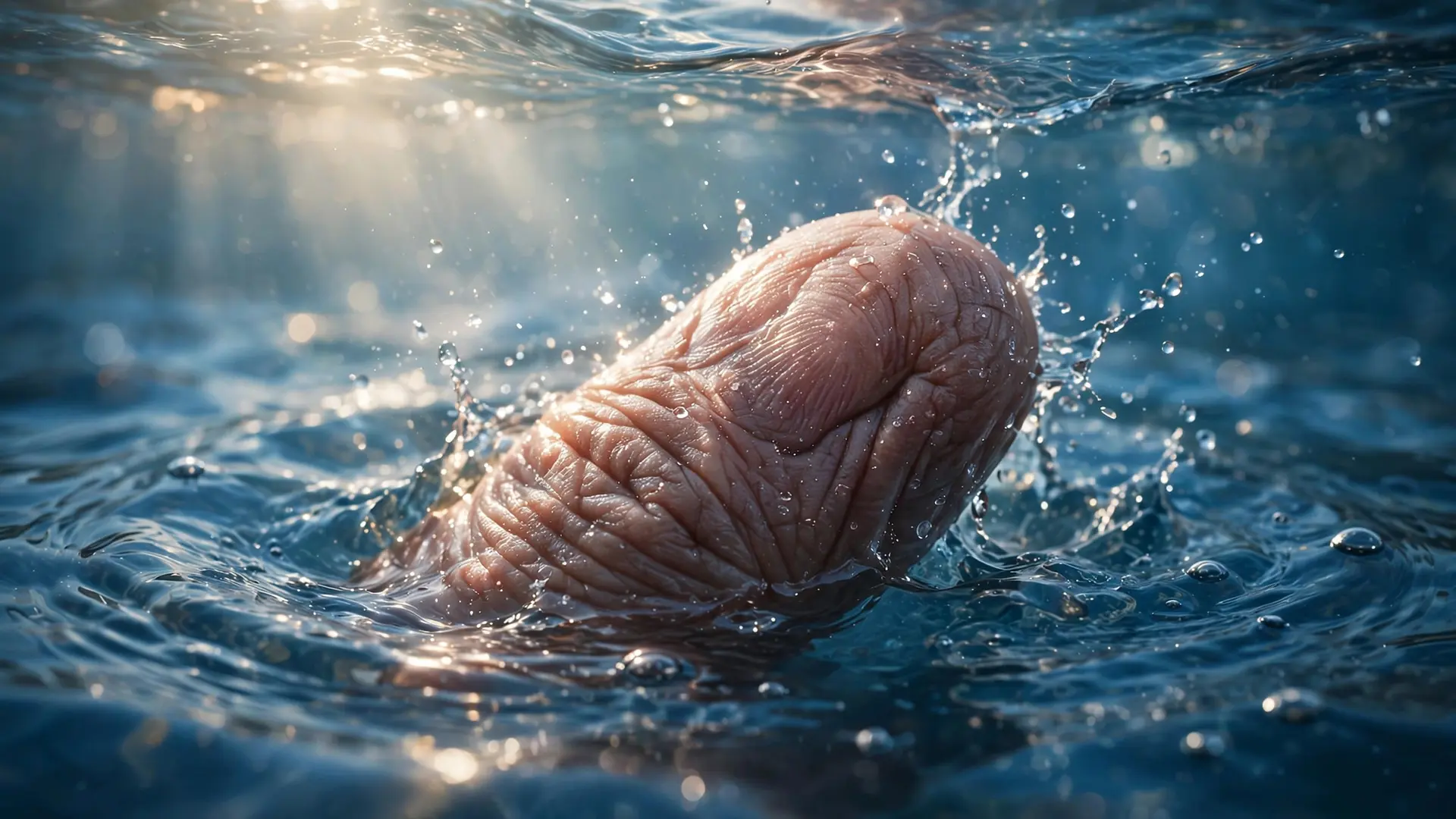 6 min read
Why Your Fingers Wrinkle in Water — And Why It Helps
Your pruney fingers aren't soaking up water — your nervous system deflates them. This strange response may be an evolved rain-tread design for better grip.
Read Article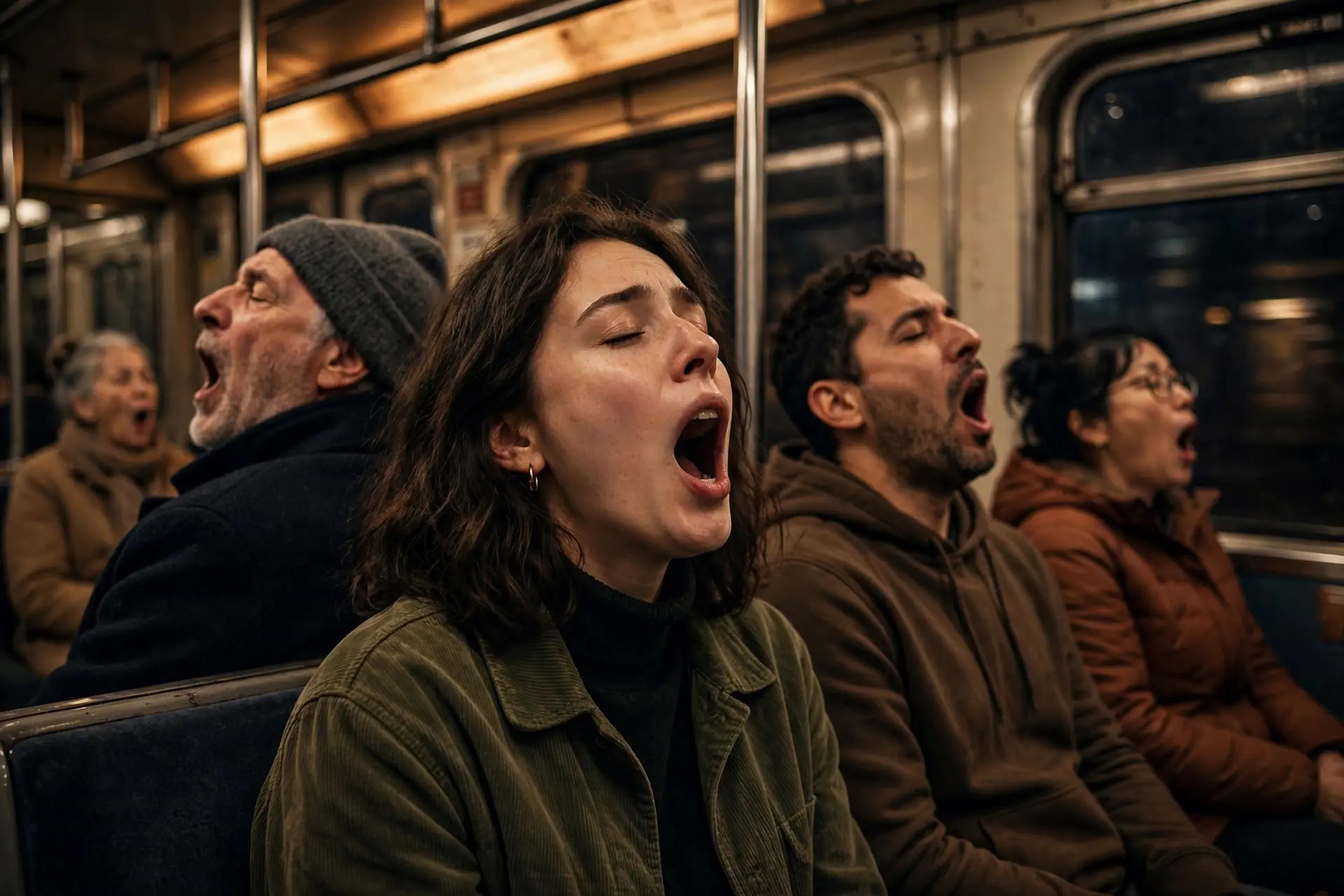 6 min read
The Science of Contagious Yawning: More Than Empathy
One yawn crosses the room and suddenly you're yawning too. Mirror neurons, empathy, and an ancient group alarm may explain the reflex you can't control.
Read Article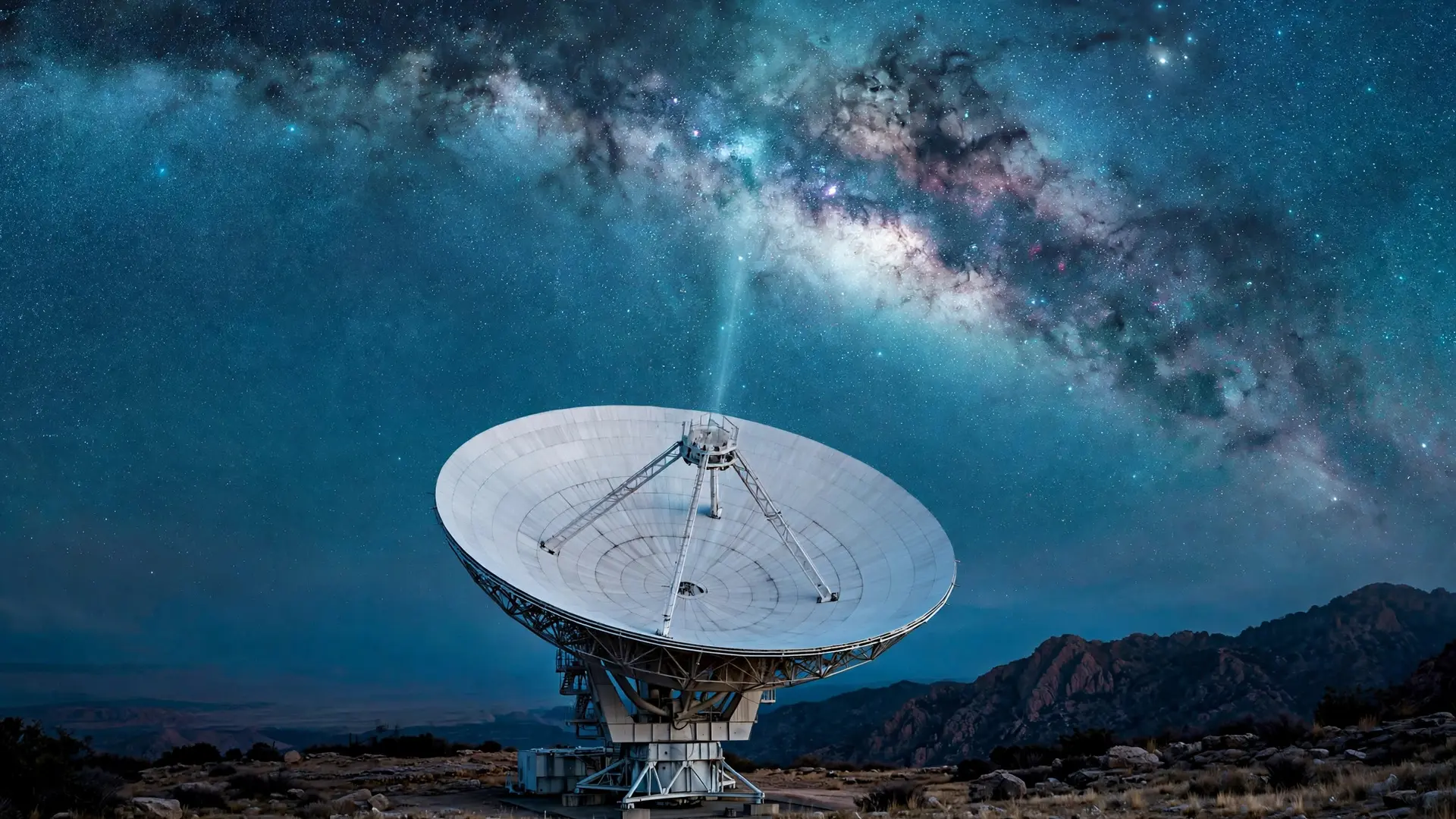 6 min read
The Wow! Signal: Astronomy's Greatest Mystery
In 1977, a 72-second radio burst from Sagittarius matched every test for an alien signal — then vanished forever. Decades of science still can't explain it.
Read Article