
The Archives
385 enduring inquiries, newest first. Browse by topic or explore chronologically.
Page 5 of 17
 geography6 min read
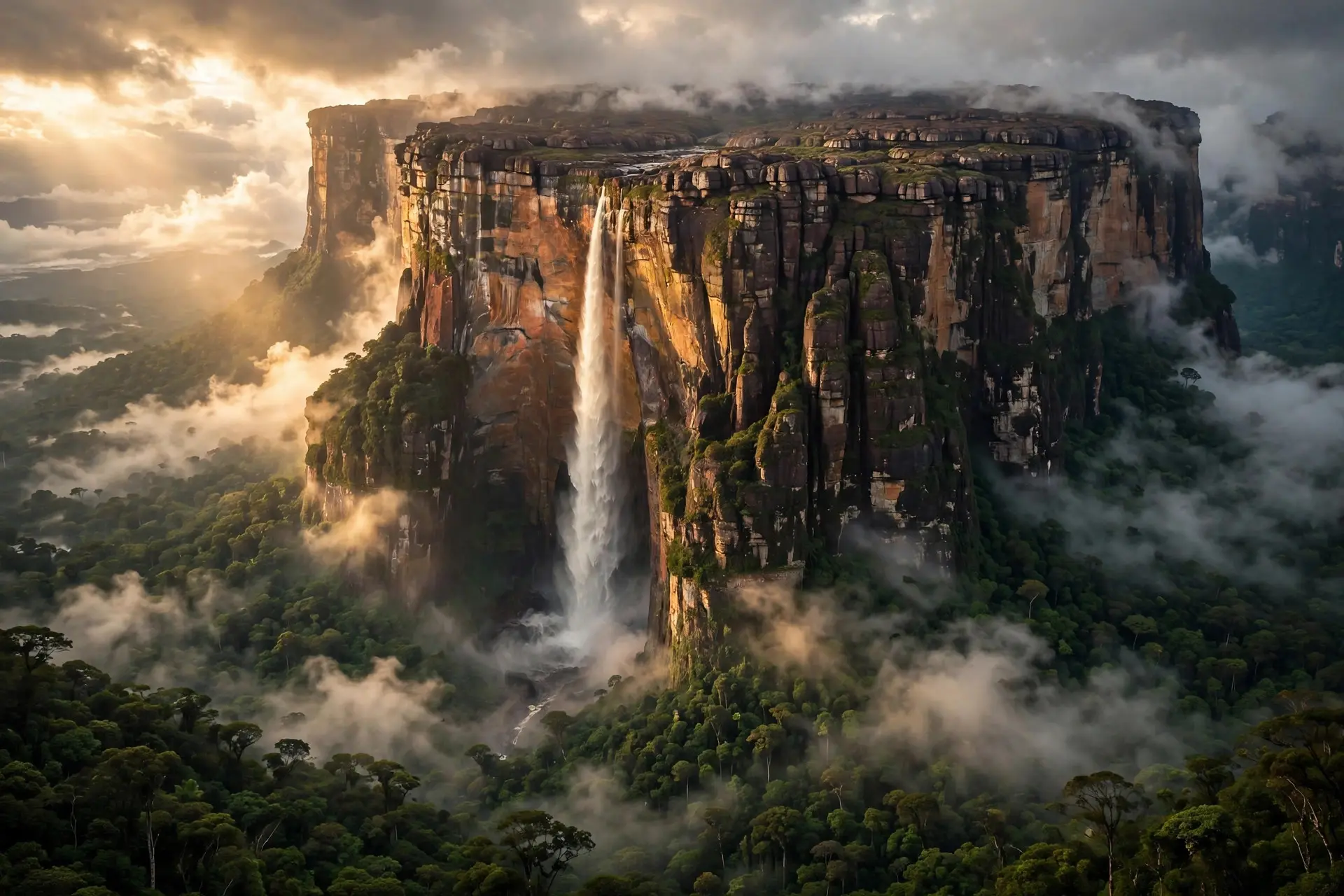
How Tall Is Angel Falls, Earth's Tallest Waterfall?
Angel Falls drops 979 metres from a flat-topped Venezuelan mountain, so high its water turns to mist before landing. Here is how that number is measured.
Read Article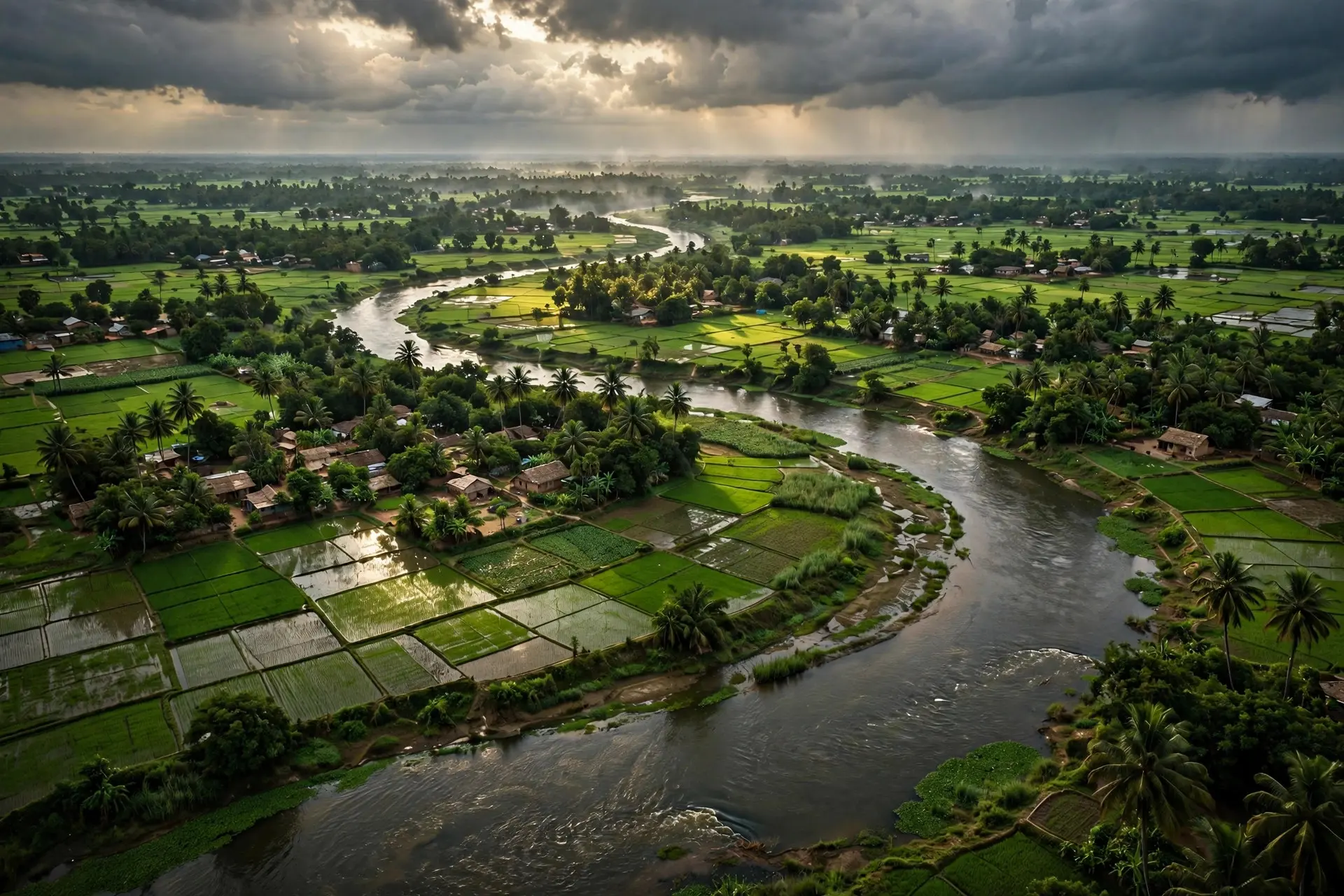 geography6 min read
Why Is the India-Bangladesh Border So Strange?
The India-Bangladesh border winds through rivers, villages and farmland, and until 2015 it held 162 enclaves. Its shape comes from old deals and partition.
Read Article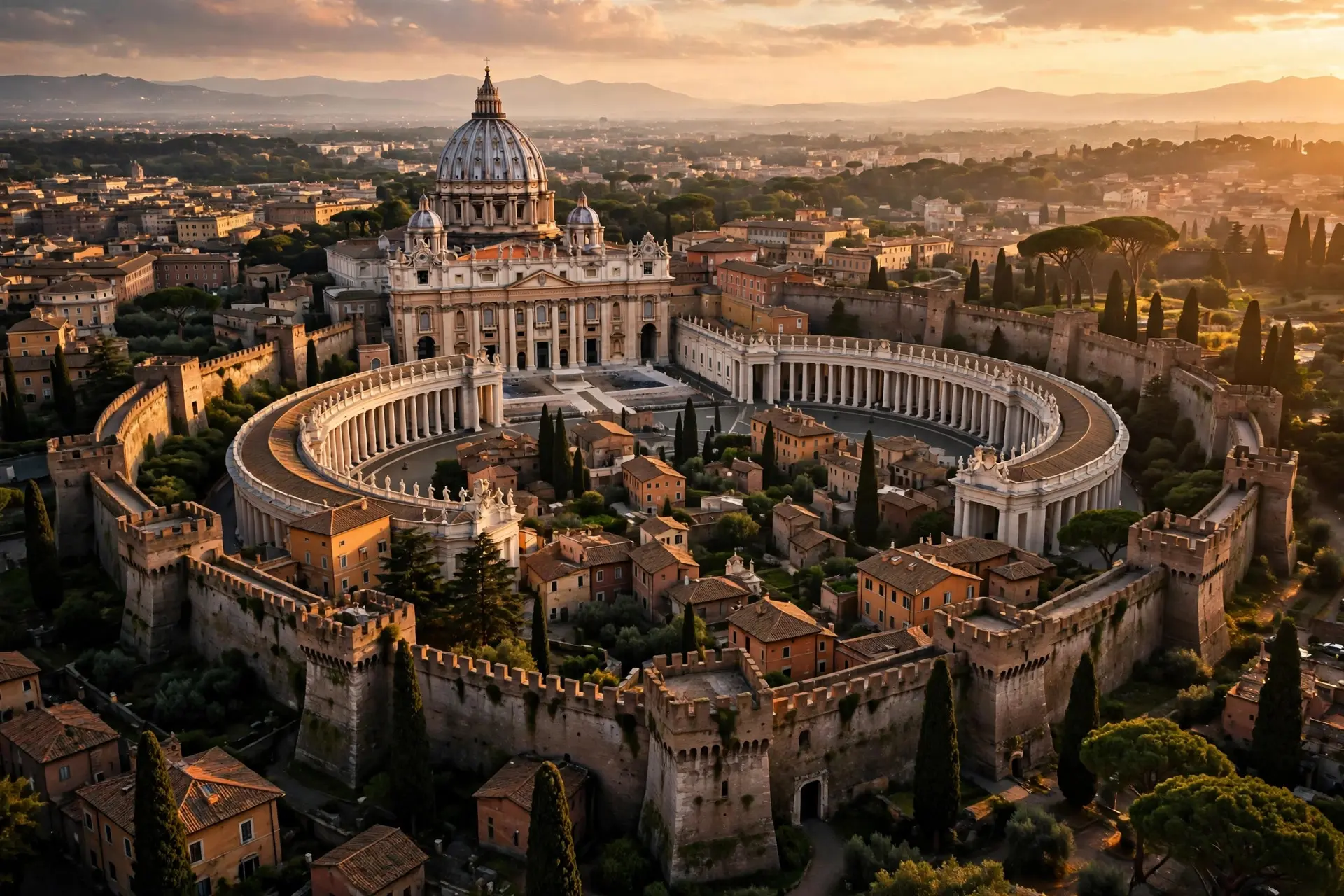 geography6 min read
Why Is Vatican City a Country All of Its Own?
Vatican City covers less than half a square kilometre inside Rome, yet it has its own government, stamps and passports, thanks to a 1929 treaty.
Read Article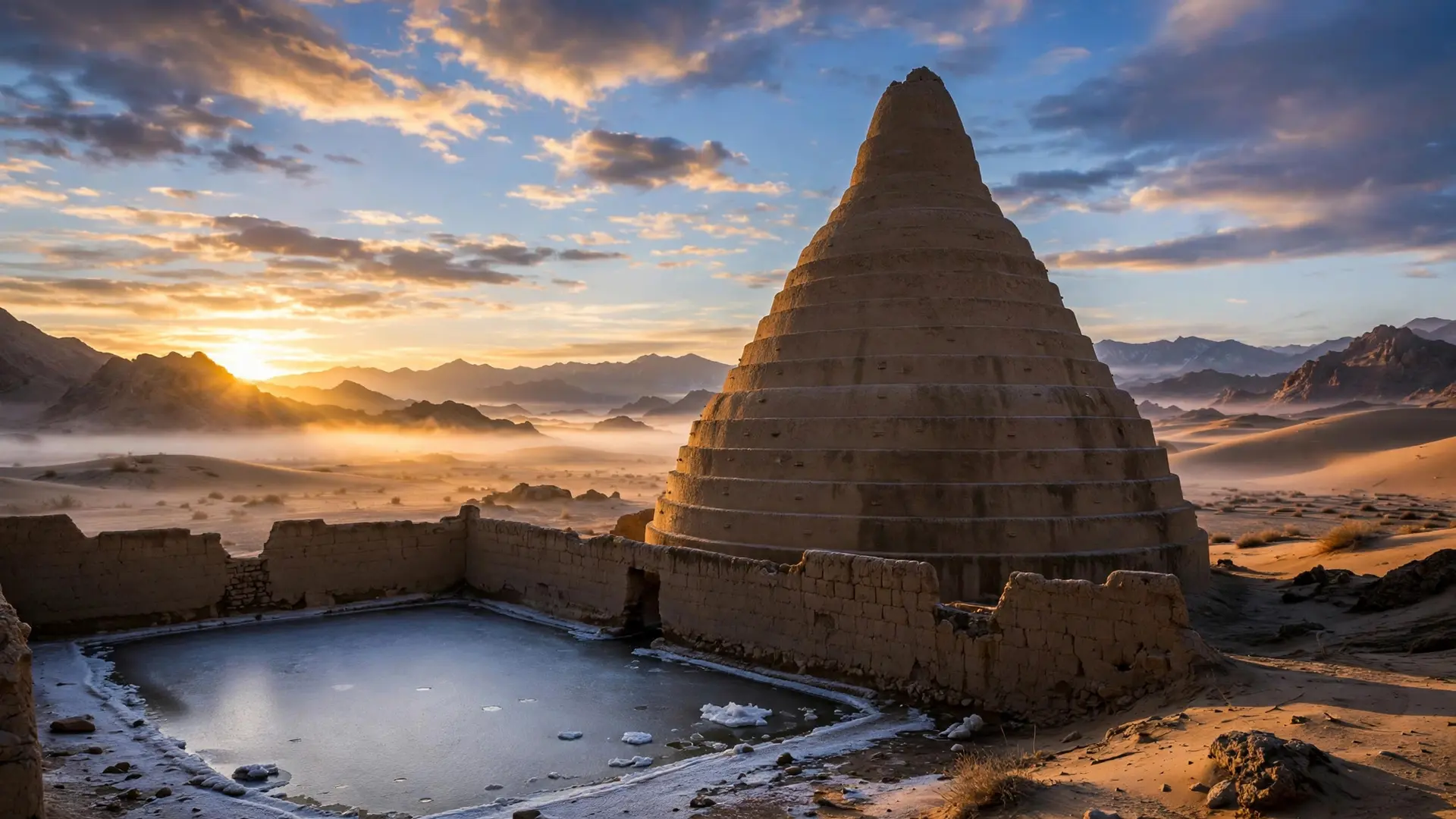 history7 min read
How Did Persians Store Ice in the Desert?
Persian engineers froze water on winter nights in desert ponds, then kept it through summer inside thick-domed yakhchals. Shade, dry air and earth did the work.
Read Article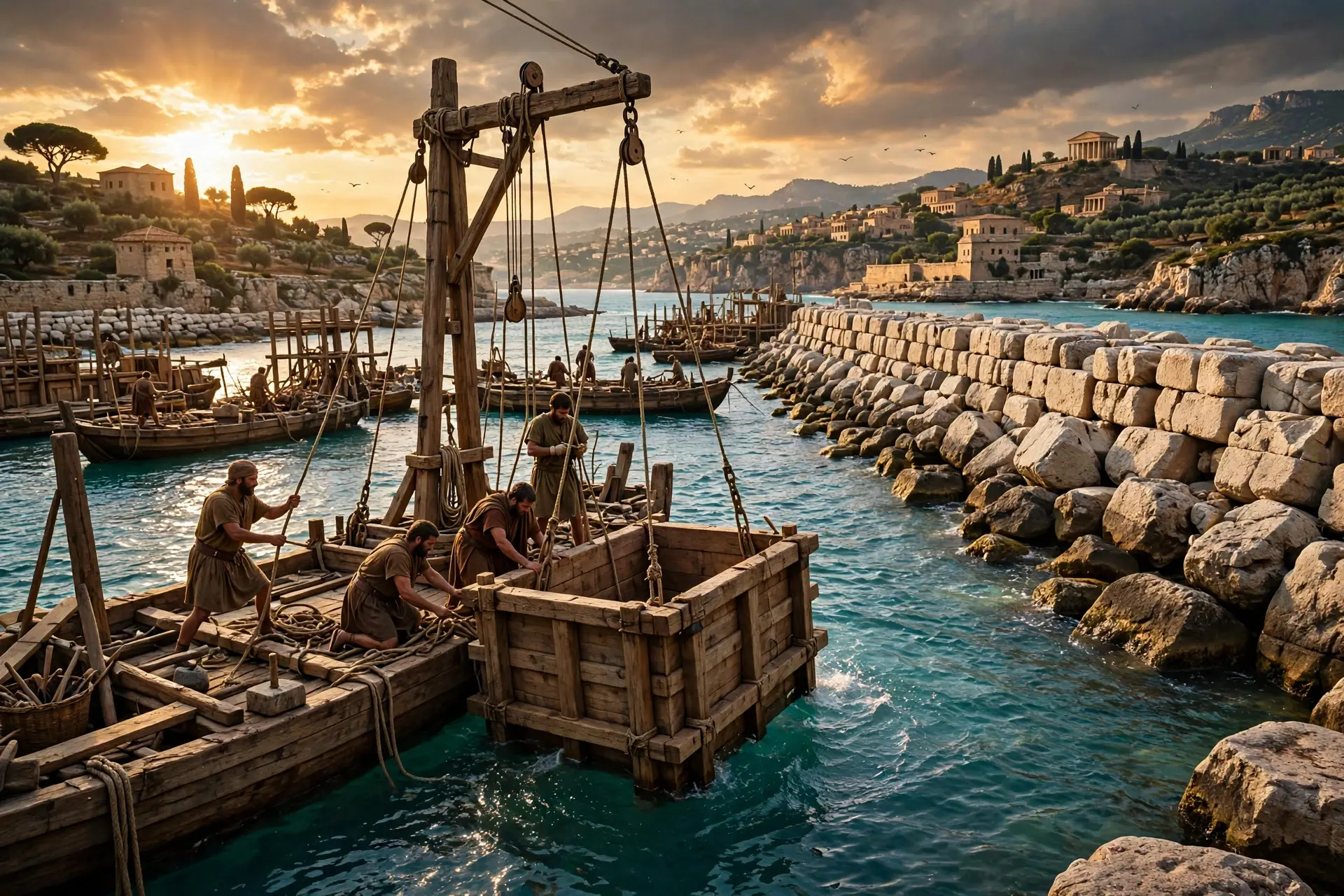 history7 min read
How Did the Romans Build Concrete Harbors Underwater?
Roman harbors needed walls that hardened underwater. Volcanic ash and lime, poured into wooden boxes at Caesarea, gave them that. Seawater made it stronger.
Read Article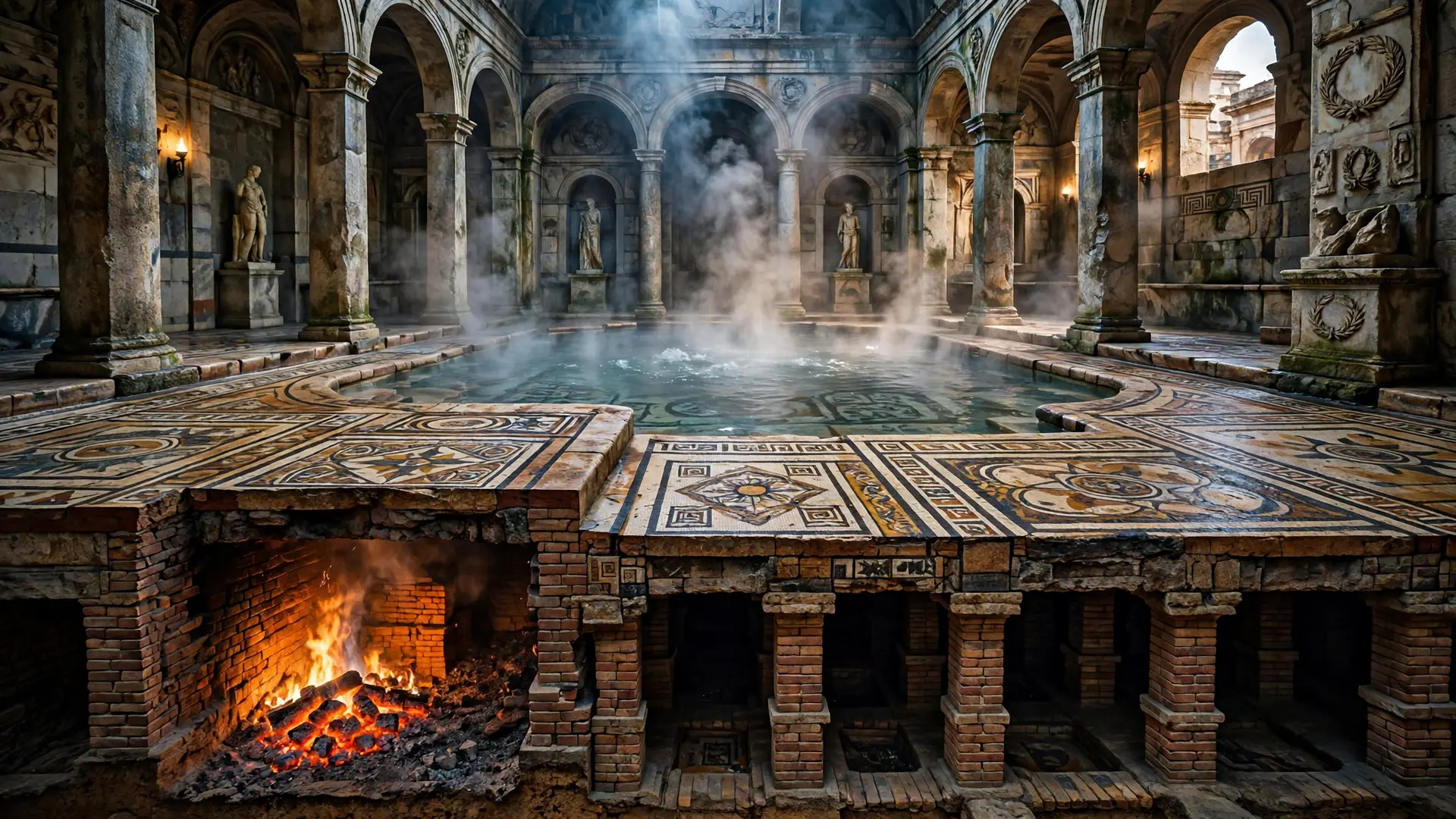 history8 min read
How Did the Romans Heat Their Bathhouses?
Roman bathhouses had no thermostat: a furnace under a raised floor heated rooms by distance, hottest nearest the fire. Here is how the hypocaust system worked.
Read Article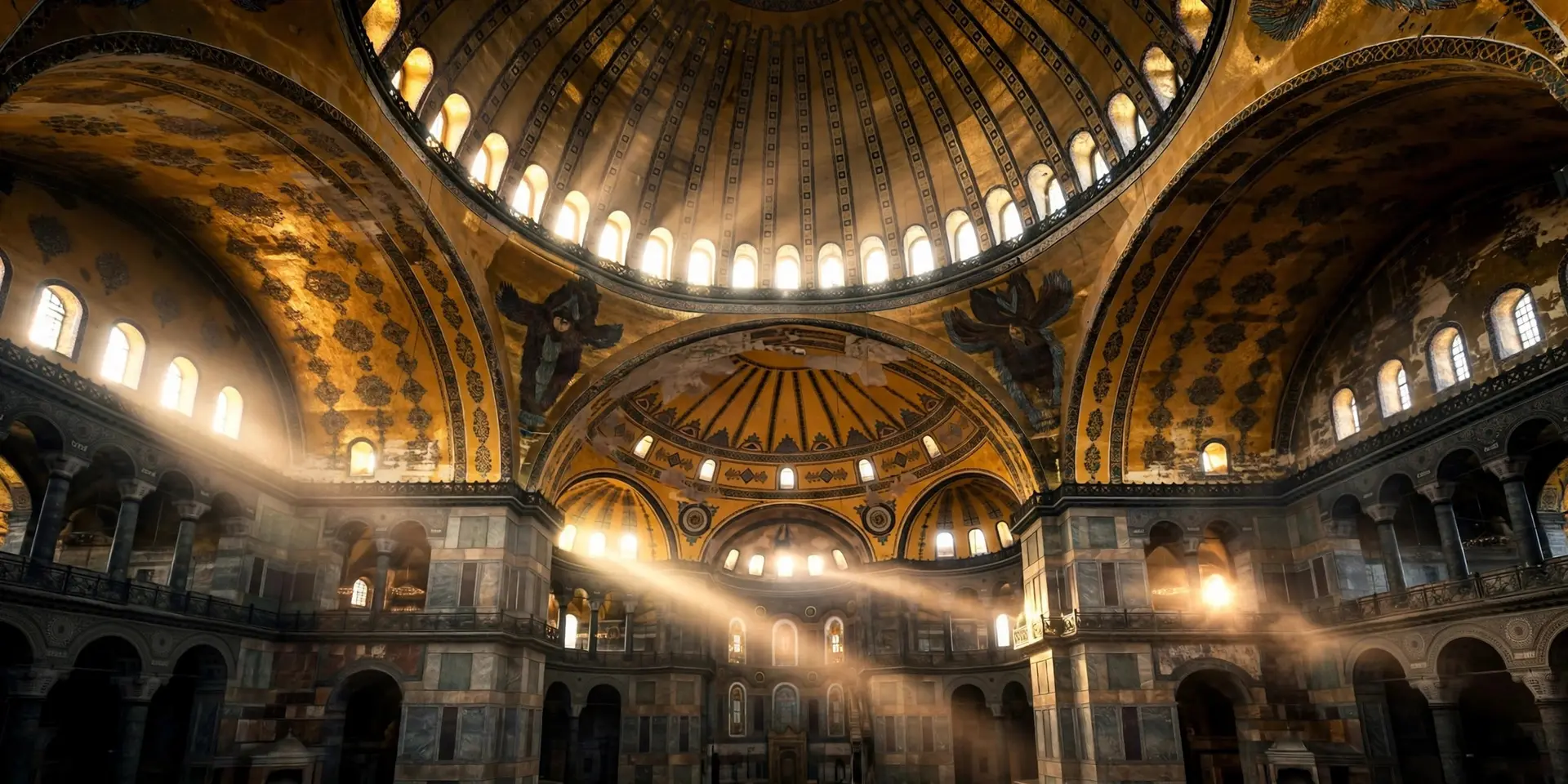 history6 min read
How Did the Byzantines Raise the Hagia Sophia's Dome?
Two scholar-architects raised a 31-metre dome over a square hall in 537. Pendentives, half-domes and a ring of windows made the vast vault appear to float.
Read Article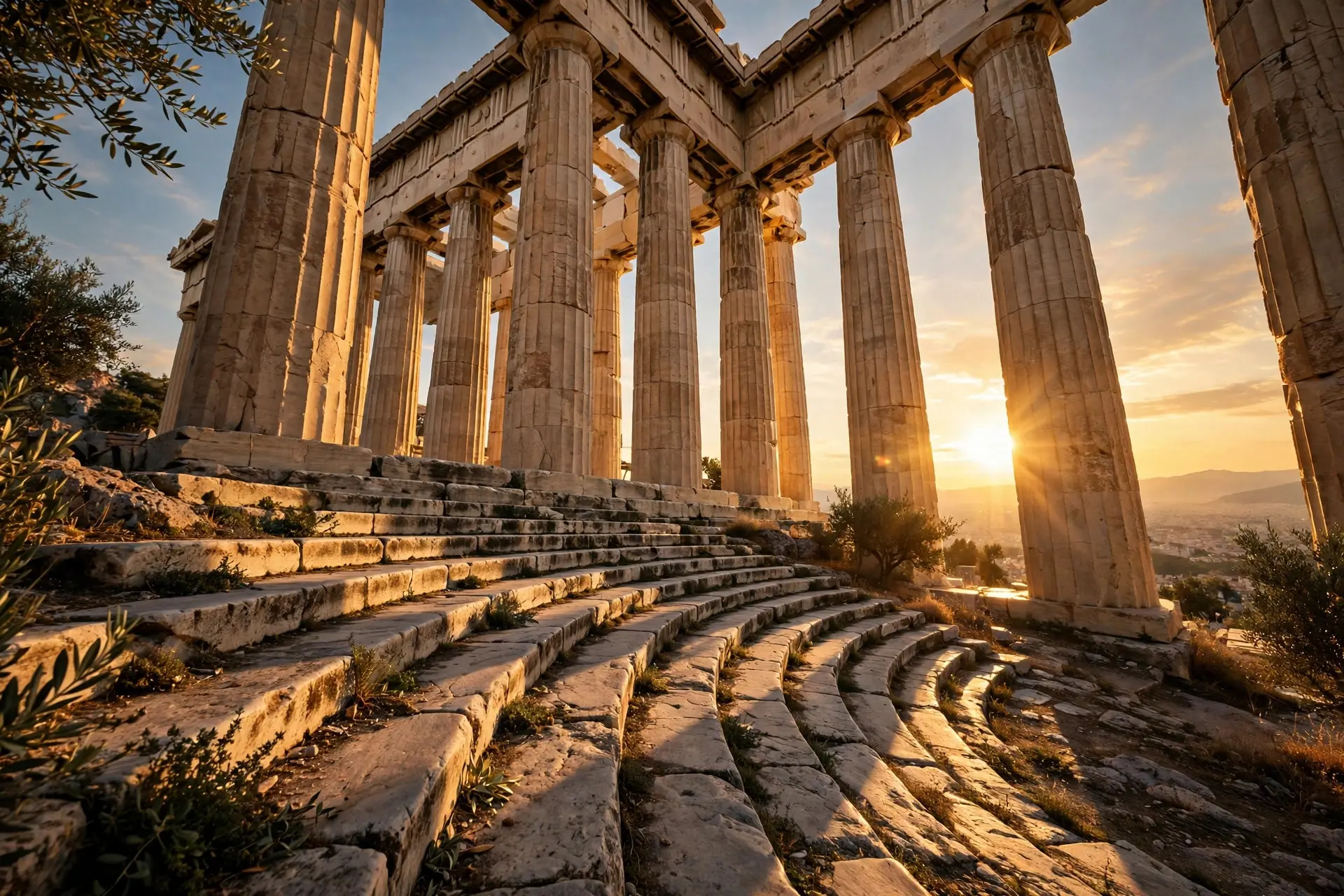 history6 min read
How Did the Parthenon's Optical Tricks Work?
The Parthenon looks perfectly straight, yet almost nothing in it is. Its builders curved the base, swelled the columns and leaned them inward to fool the eye.
Read Article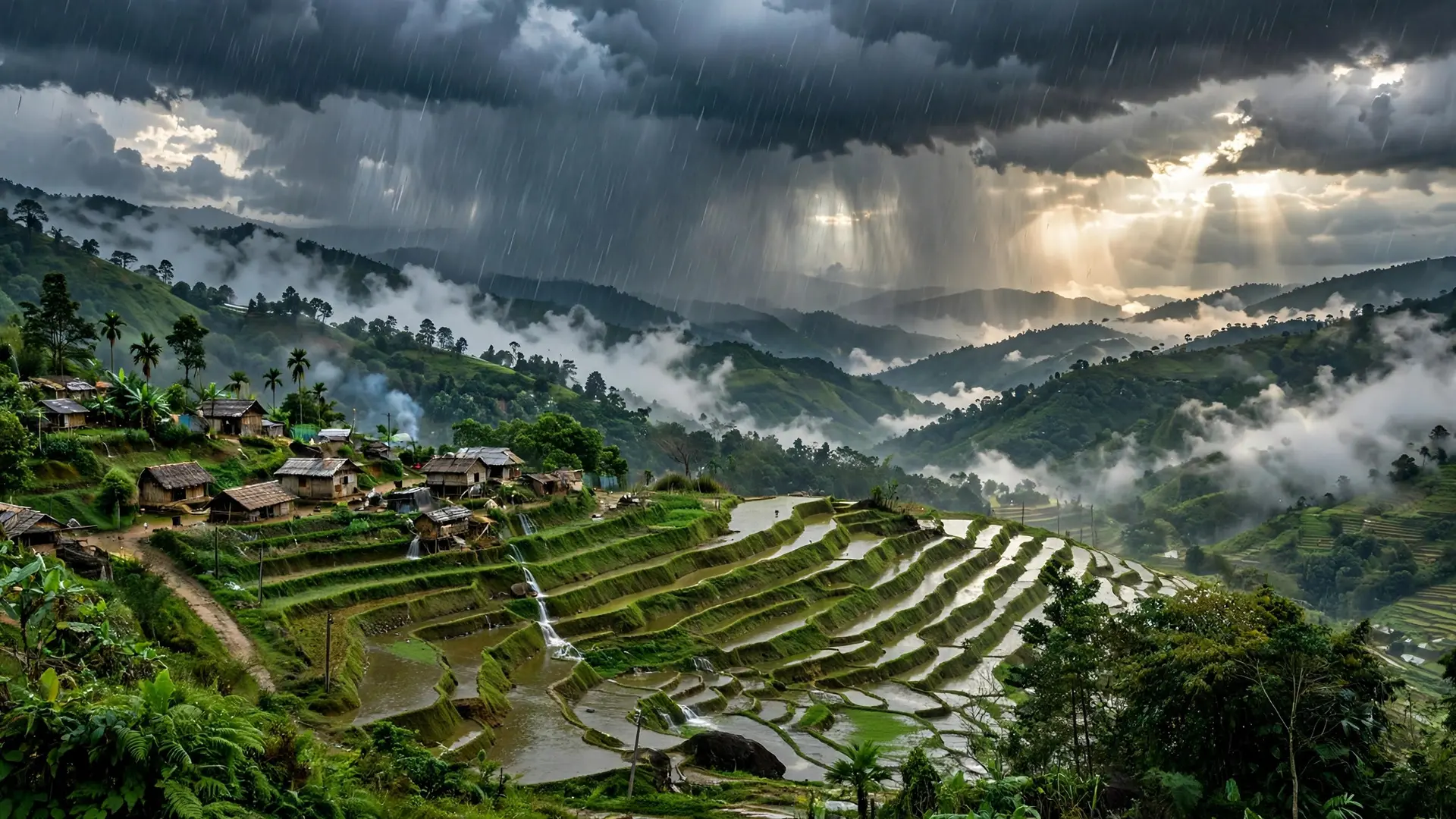 geography6 min read
Where Is Mawsynram, the Wettest Place on Earth?
Mawsynram in Meghalaya averages about 11,872 millimetres of rain a year. Monsoon winds off the Bay of Bengal, forced up the Khasi Hills, explain the deluge.
Read Article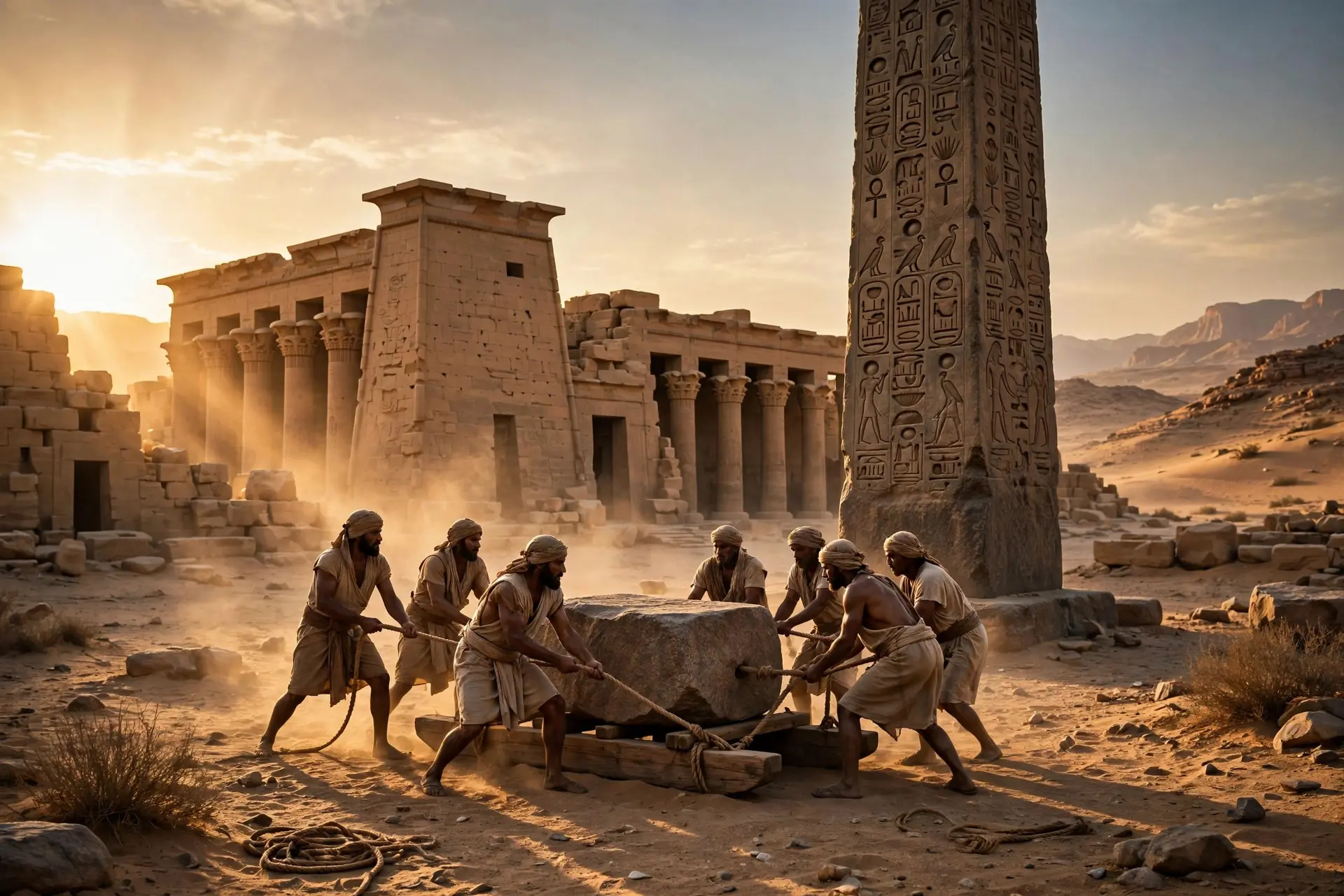 history7 min read
How Were Egypt's Obelisks Carved and Raised?
No cranes, no iron tools: Egyptian workers pounded, floated and tilted single granite blocks into towering obelisks. Here is how each step worked.
Read Article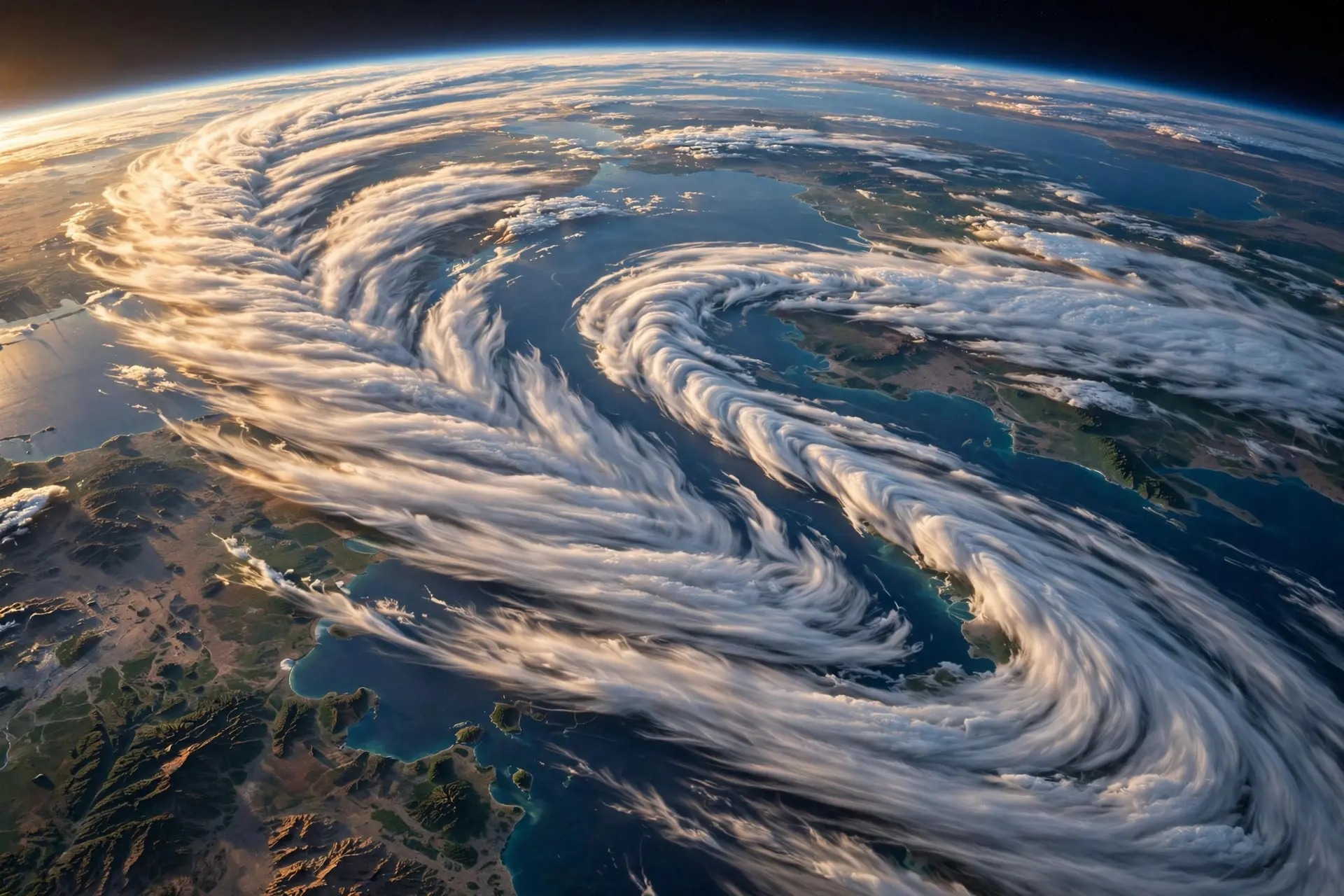 science7 min read
What Is the Jet Stream, and Why Does It Steer Weather?
High above the clouds, a narrow river of fast air steers storms across continents. Here is how temperature contrasts create the jet stream and its waves.
Read Article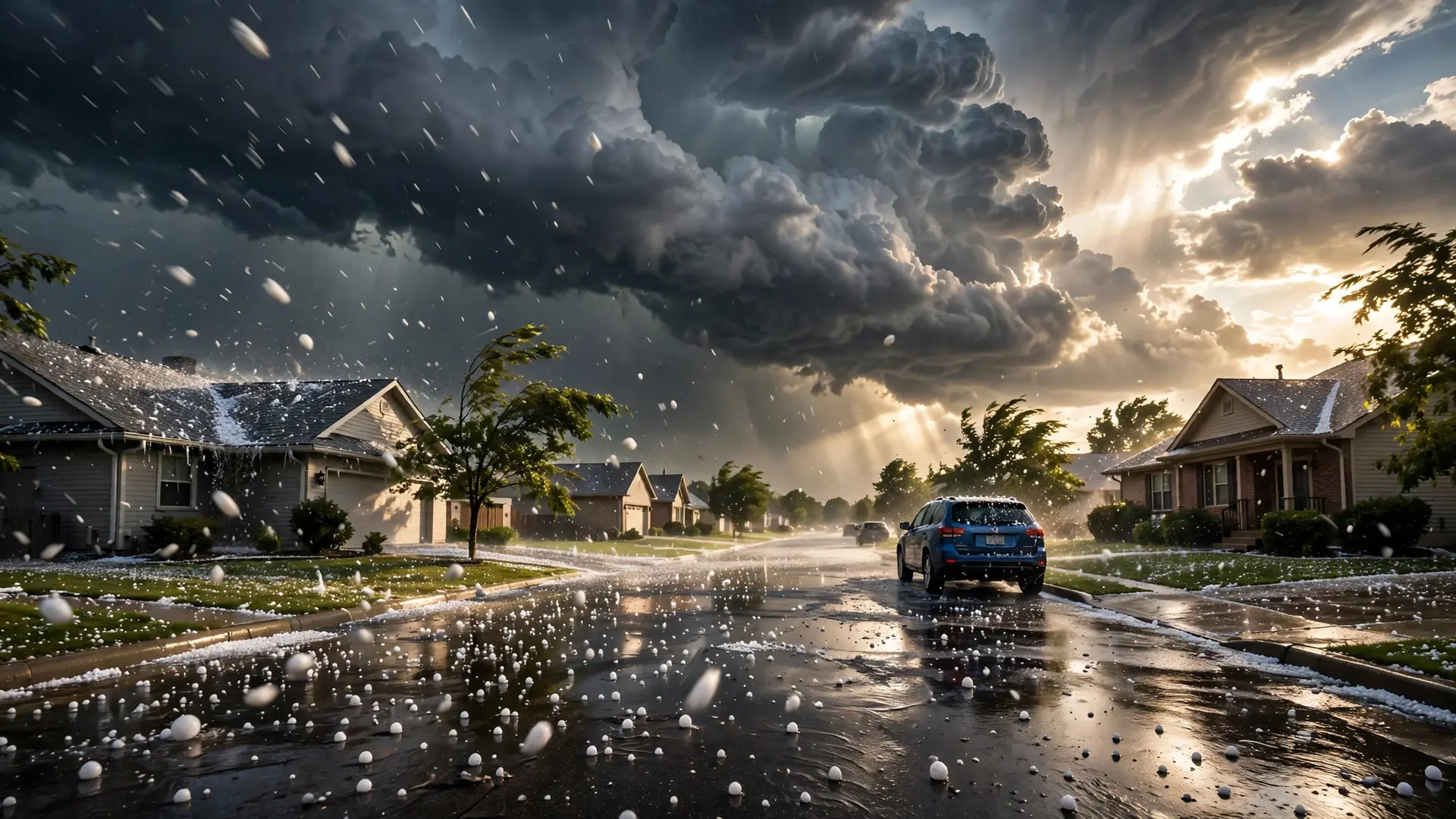 science7 min read
Why Does Hail Form in Warm-Weather Storms?
Warm days feed the fiercest hailstorms: strong updrafts lift rain into freezing cloud tops, where supercooled drops freeze into layered ice stones.
Read Article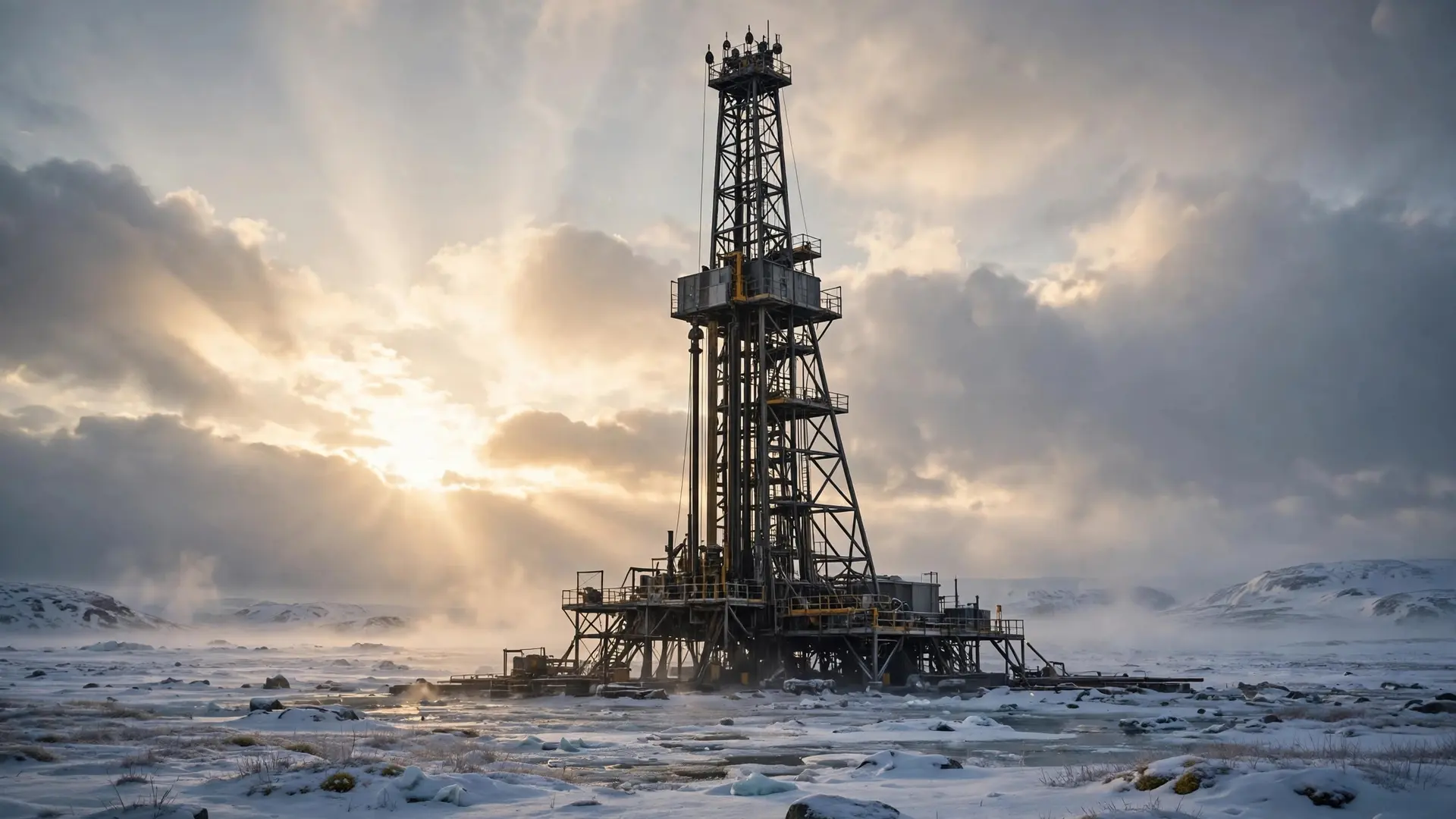 geography8 min read
How Deep Did the Kola Superdeep Borehole Go?
The Kola Superdeep Borehole reached 12,262 metres in 1989 but never left the crust. Discover what the drill found, why heat stopped it, and why it matters.
Read Article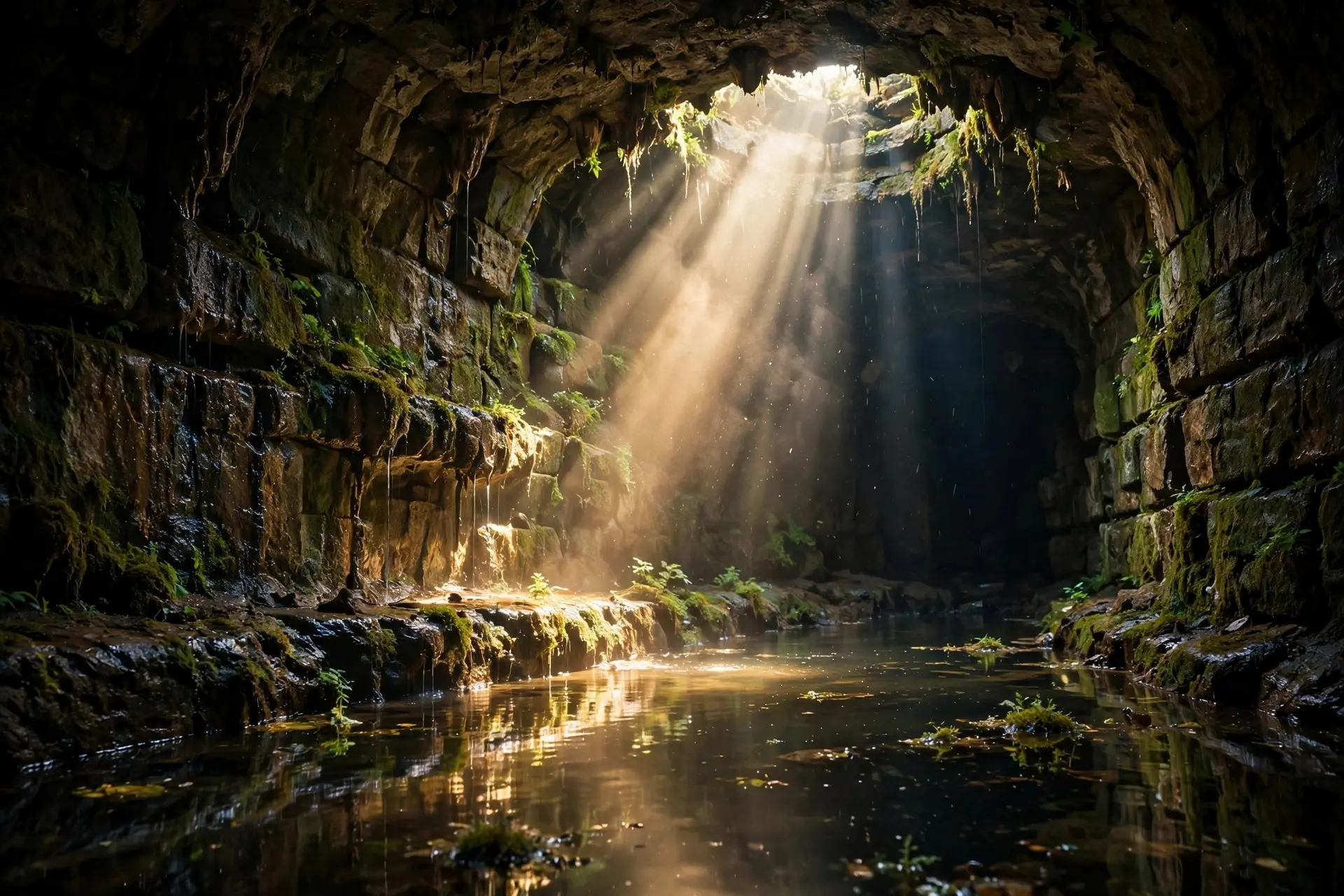 history7 min read
How Did Ancient Qanats Carry Water Underground?
Qanats moved mountain groundwater for kilometres without pumps, using only gravity and a precise slope. How Persian diggers built them, and why some still flow.
Read Article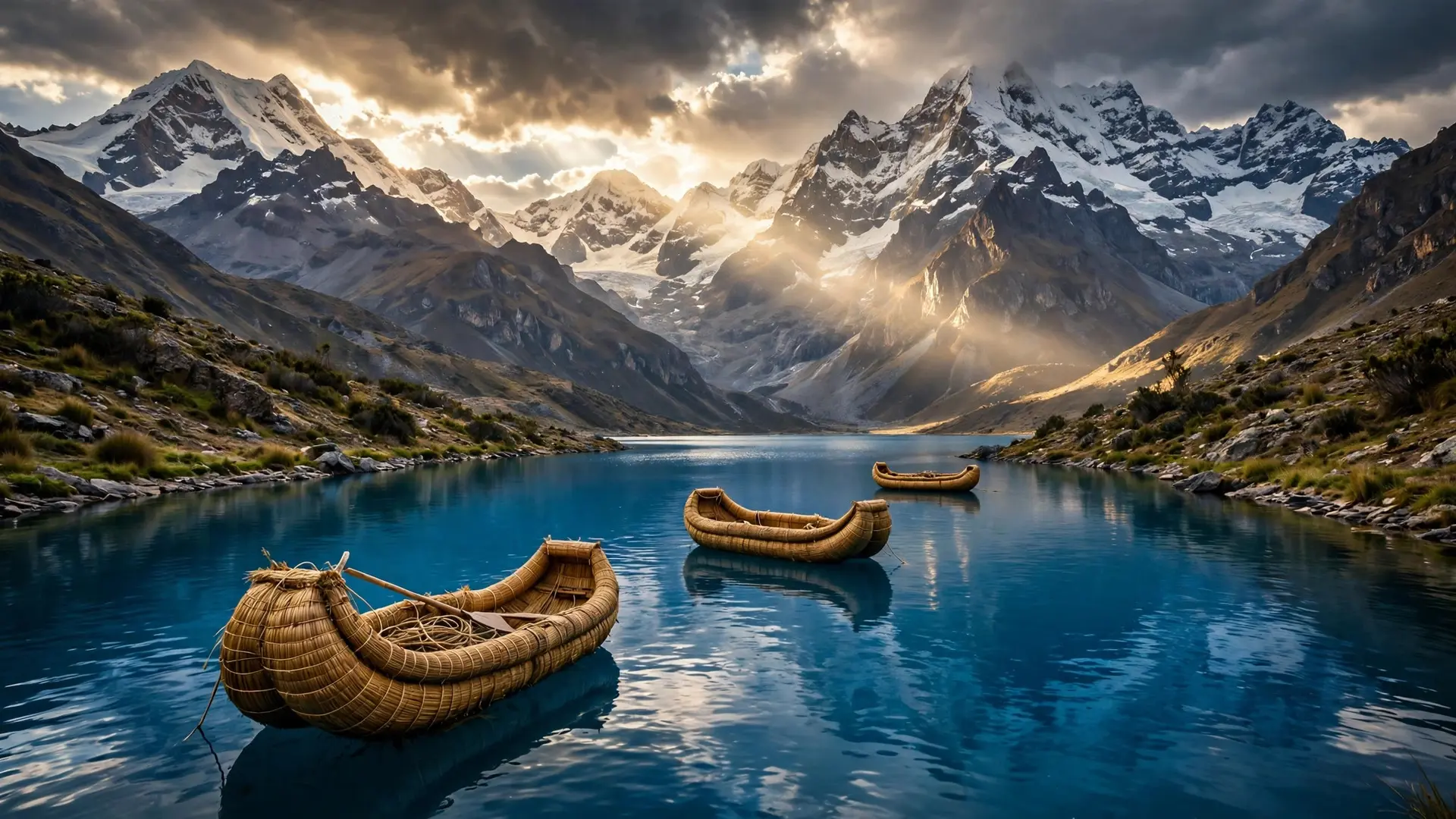 geography8 min read
Lake Titicaca: The World's Highest Navigable Lake
Lake Titicaca sits 3,800 metres up in the Andes, straddling Peru and Bolivia. Its reed islands, ancient shores and water balance make it more than a record.
Read Article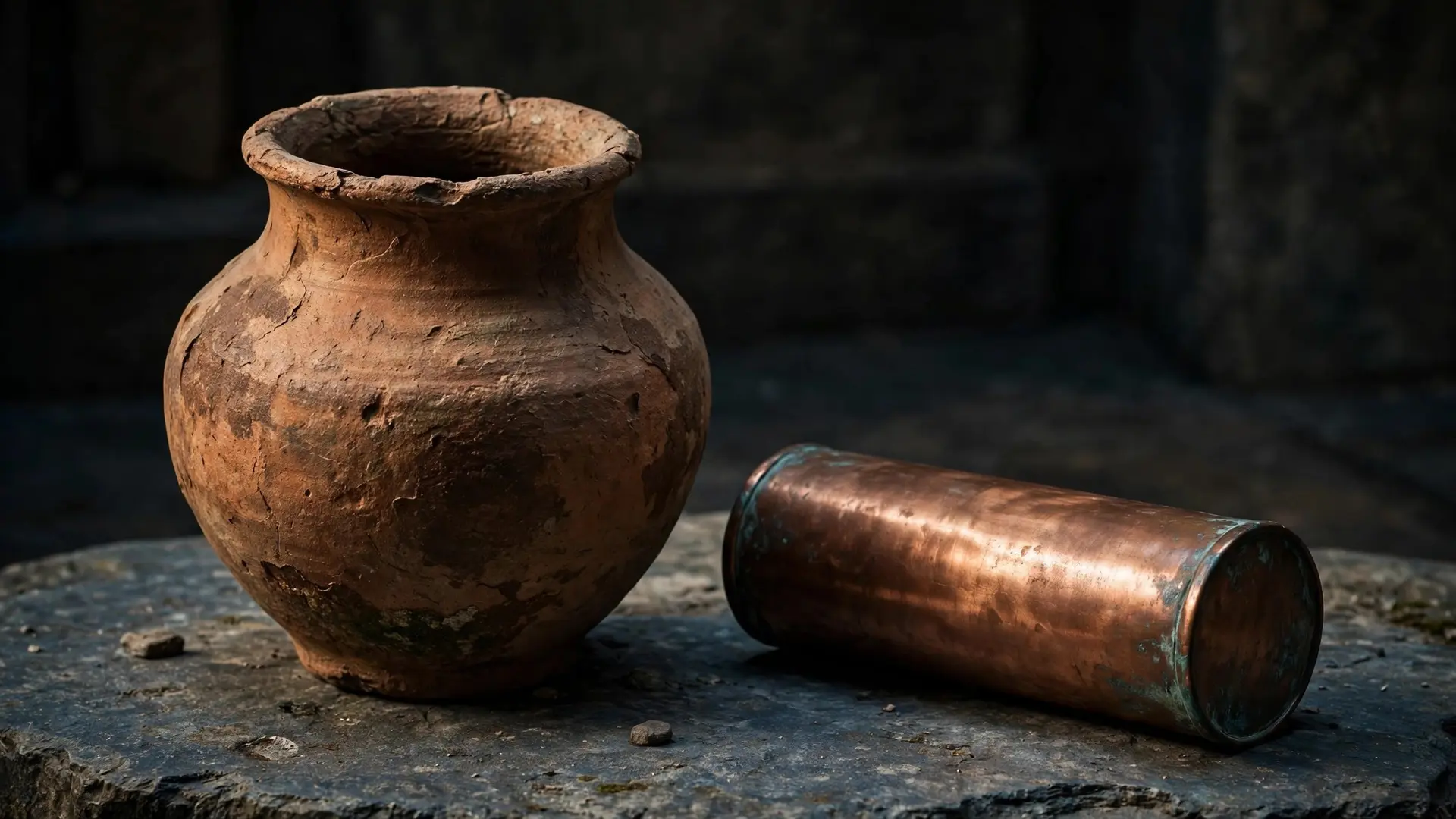 history7 min read
The Baghdad Battery: Ancient Electricity or Myth?
A clay jar with copper and iron inside has been called a 2,000-year-old battery. The replicas make voltage, but the archaeology points somewhere stranger.
Read Article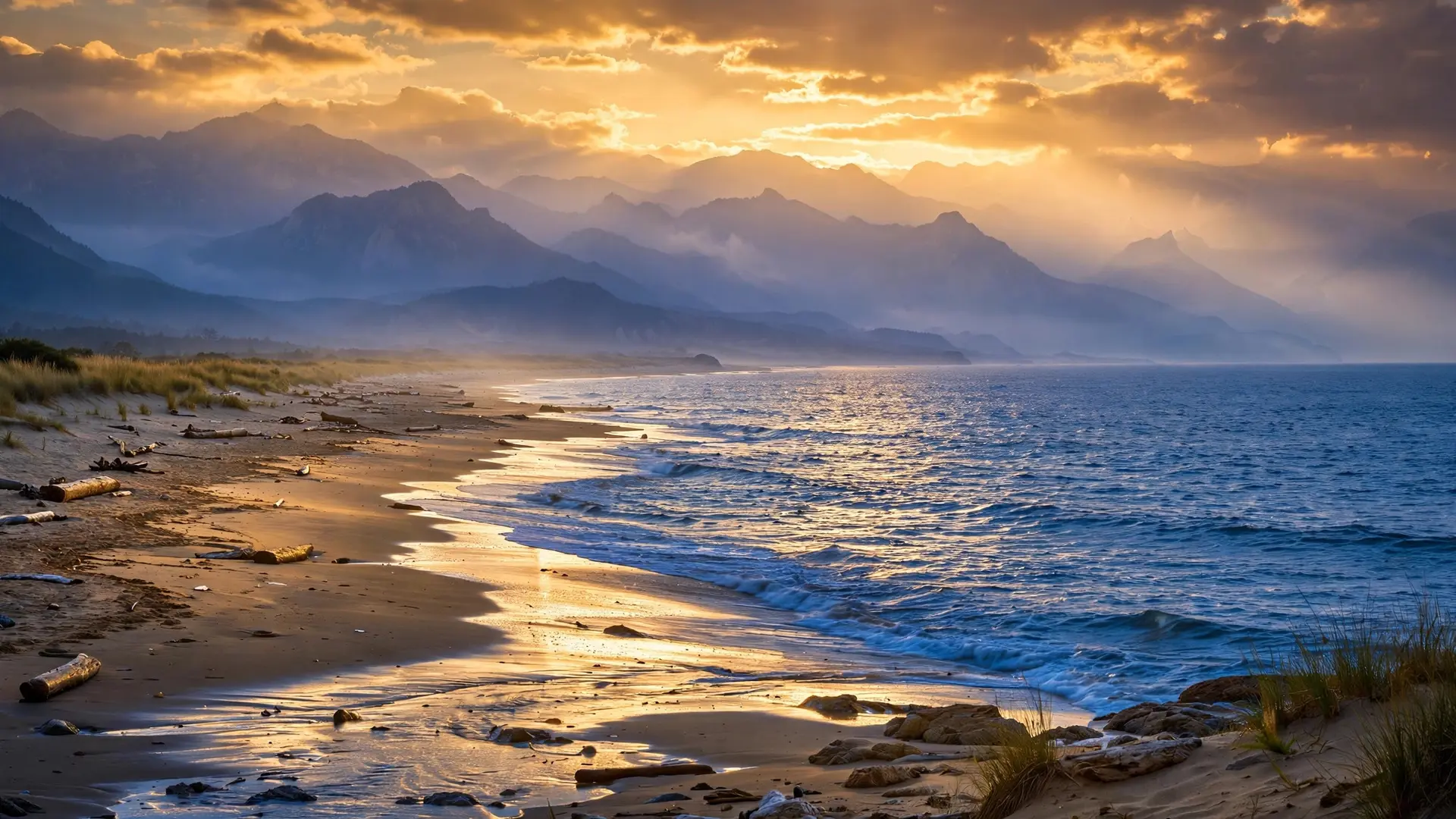 geography8 min read
The Caspian Sea: The World's Largest Lake
The Caspian Sea covers about 371,000 square kilometres, yet no river carries its water to any ocean. Explore its origins, five shores, and shrinking future.
Read Article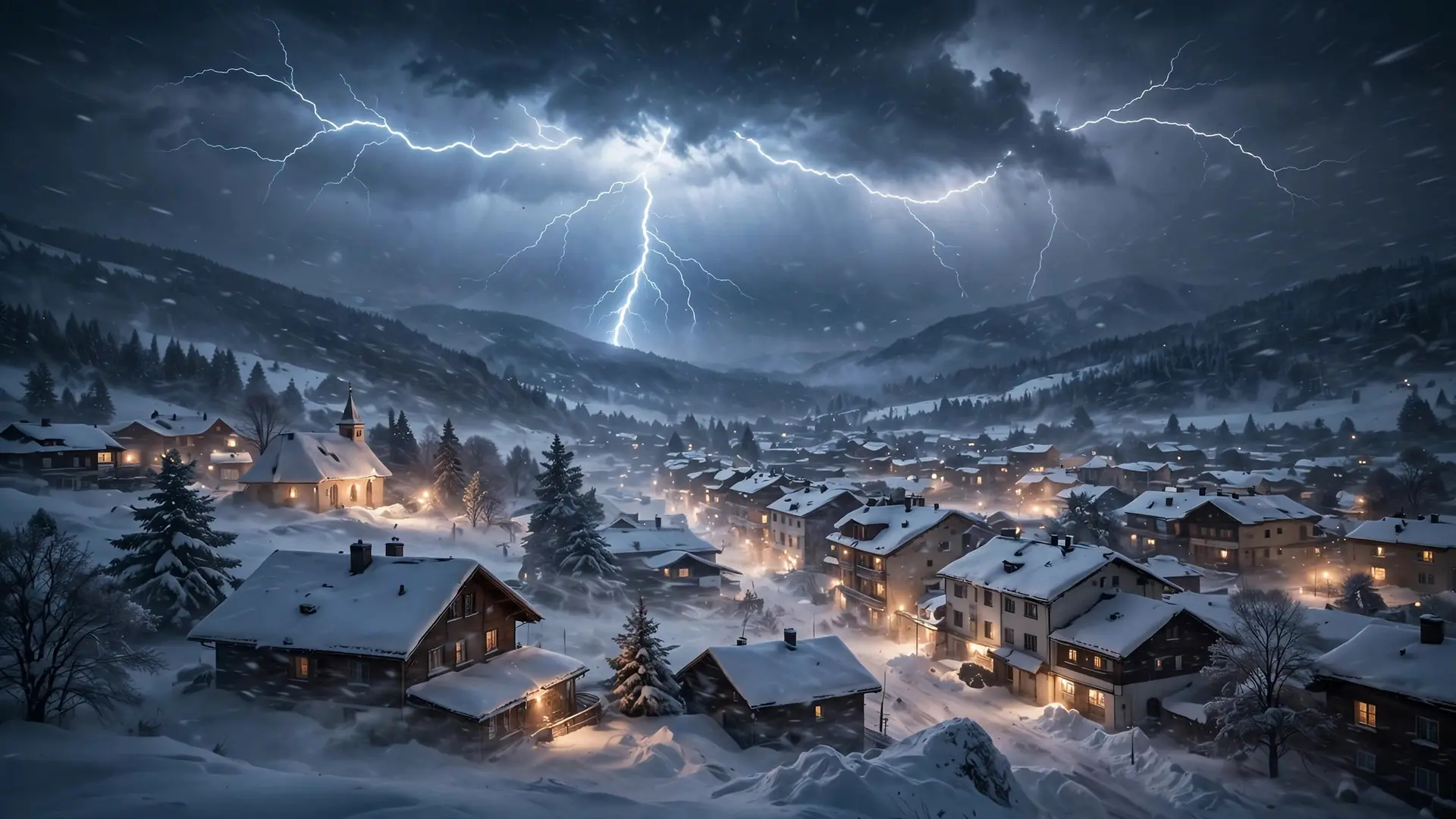 science6 min read
What Causes Thundersnow in Winter Storms?
Thundersnow is a thunderstorm that drops snow instead of rain. Here is the rare mix of instability, moisture and lift that lets a winter storm build lightning.
Read Article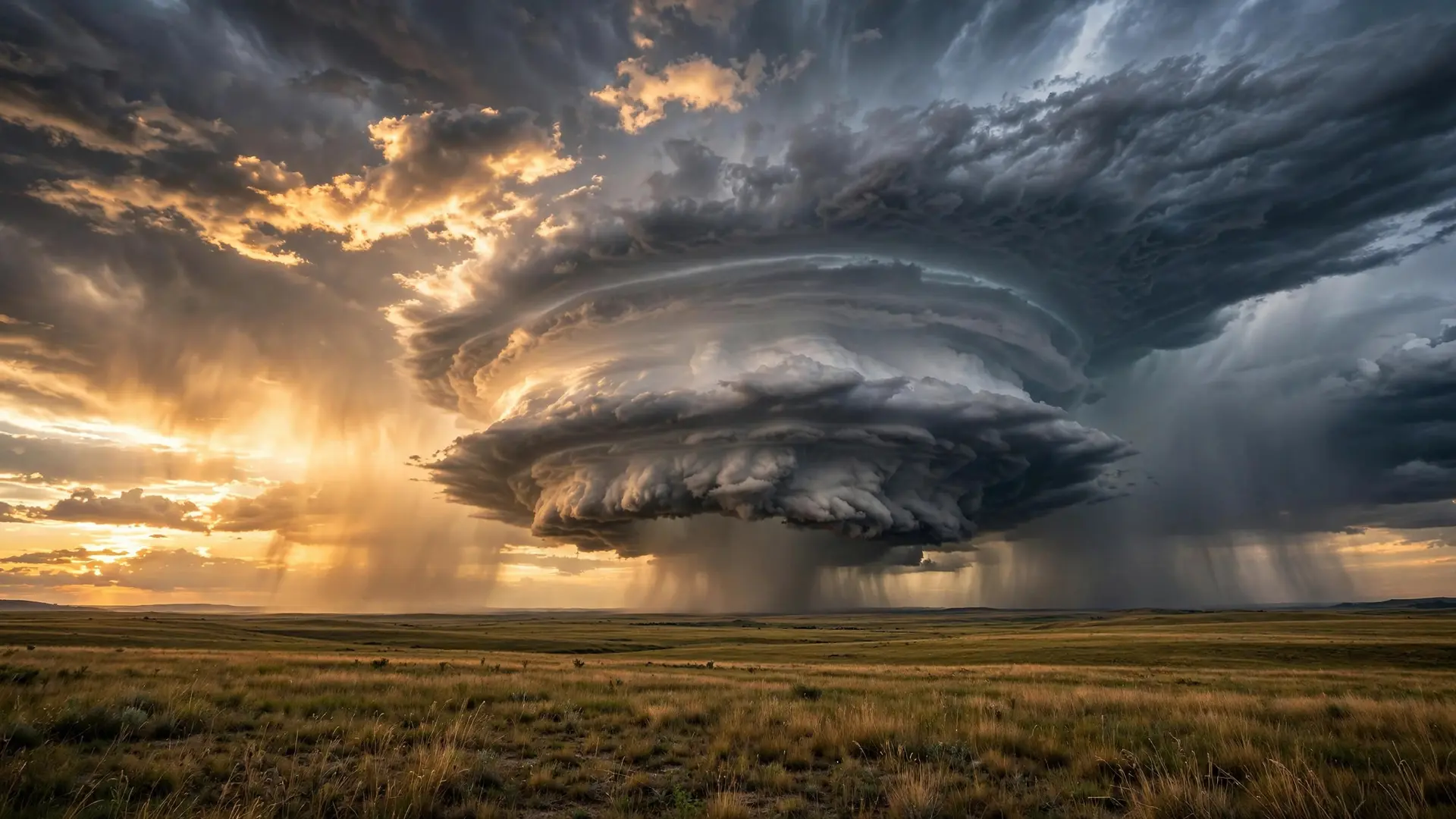 science8 min read
What Is a Supercell Thunderstorm, Exactly?
A supercell is a thunderstorm with a spinning updraft that can live for hours. Learn how wind shear builds it and why it produces tornadoes and giant hail.
Read Article history7 min read
What Made Damascus Steel So Legendary in Battle?
Damascus blades earned their fame from rippling patterns grown inside the steel itself. How wootz ingots, trace metals and lost ore supplies made them.
Read Article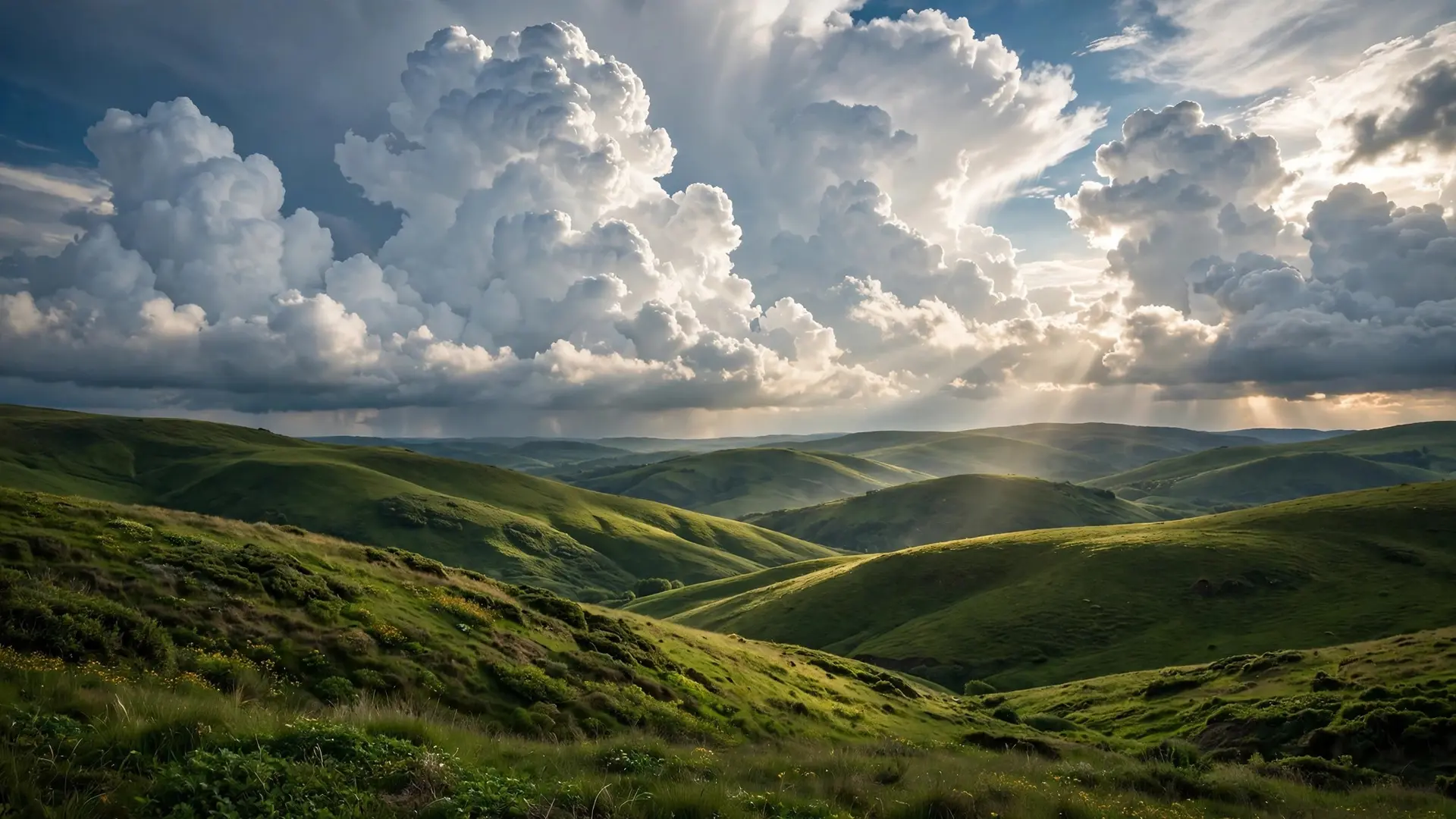 science7 min read
Why Do Clouds Float If They Hold Tons of Water?
A cloud looks like a solid, floating object, yet it is made of falling water. Discover why tiny droplets, rising air and constant renewal keep clouds aloft.
Read Article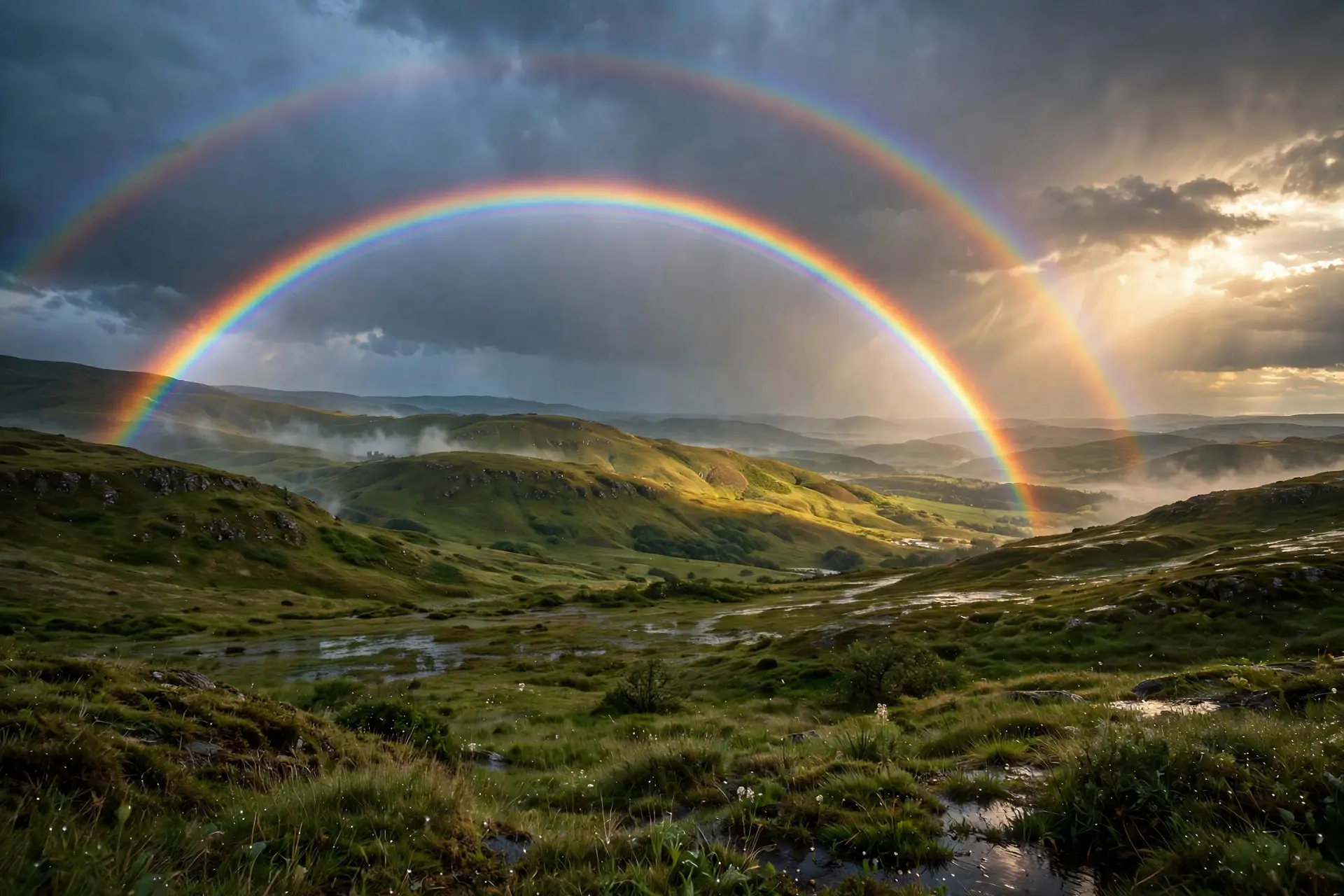 science6 min read
Why Do Double Rainbows Reverse Their Colors?
A double rainbow's outer bow runs its colors backward: violet outside, red inside. The flip comes from a second bounce of sunlight inside each raindrop.
Read Article geography8 min read
Why Does China Use Only One Time Zone Today?
China runs on one clock, Beijing Time, though its land spans five natural time zones. The 1949 choice was political, and the west lives with the gap daily.
Read Article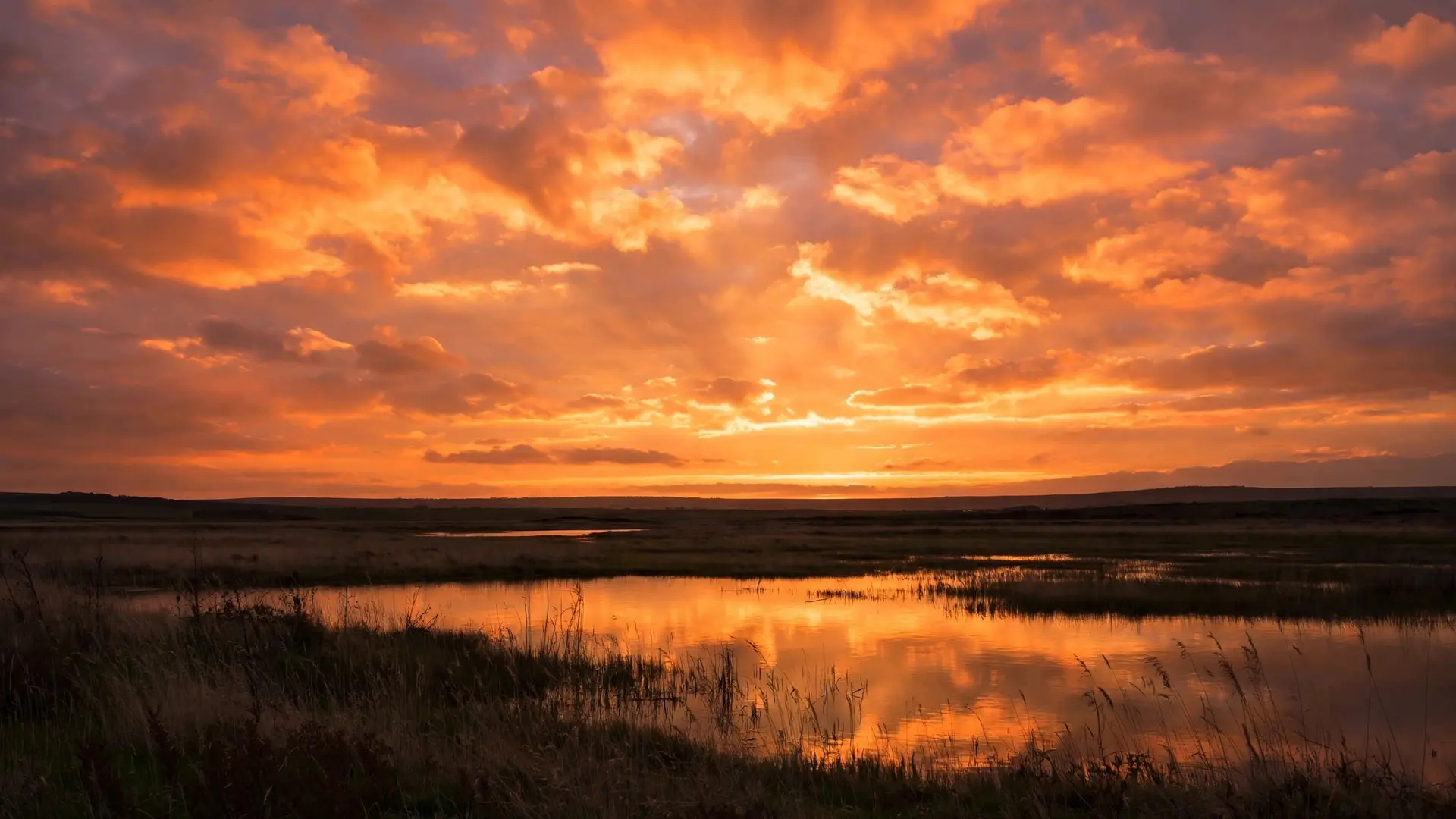 science7 min read
Why Does the Sky Turn Orange at Sunset Time?
Sunsets glow orange because sunlight takes a longer path through the air at day's end. Learn how scattering, dust and clouds paint the evening sky.
Read Article