
The Archives
385 enduring inquiries, newest first. Browse by topic or explore chronologically.
Page 4 of 17
 history7 min read
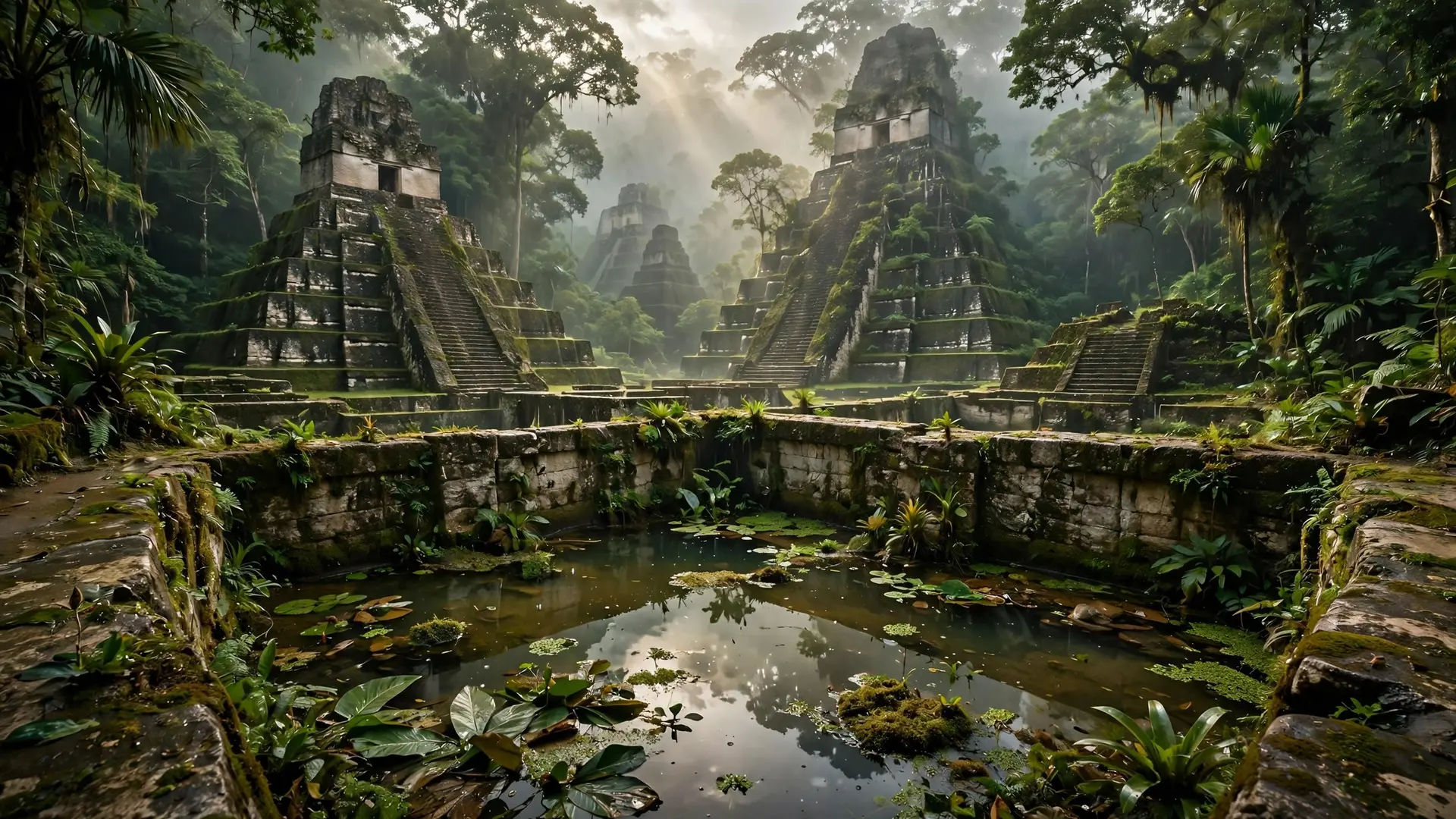
How Did the Maya Store Rainwater at Tikal?
Tikal had no river, yet it fed tens of thousands through five-month dry seasons. The Maya turned the city into a rain trap of sloped plazas and sand filters.
Read Article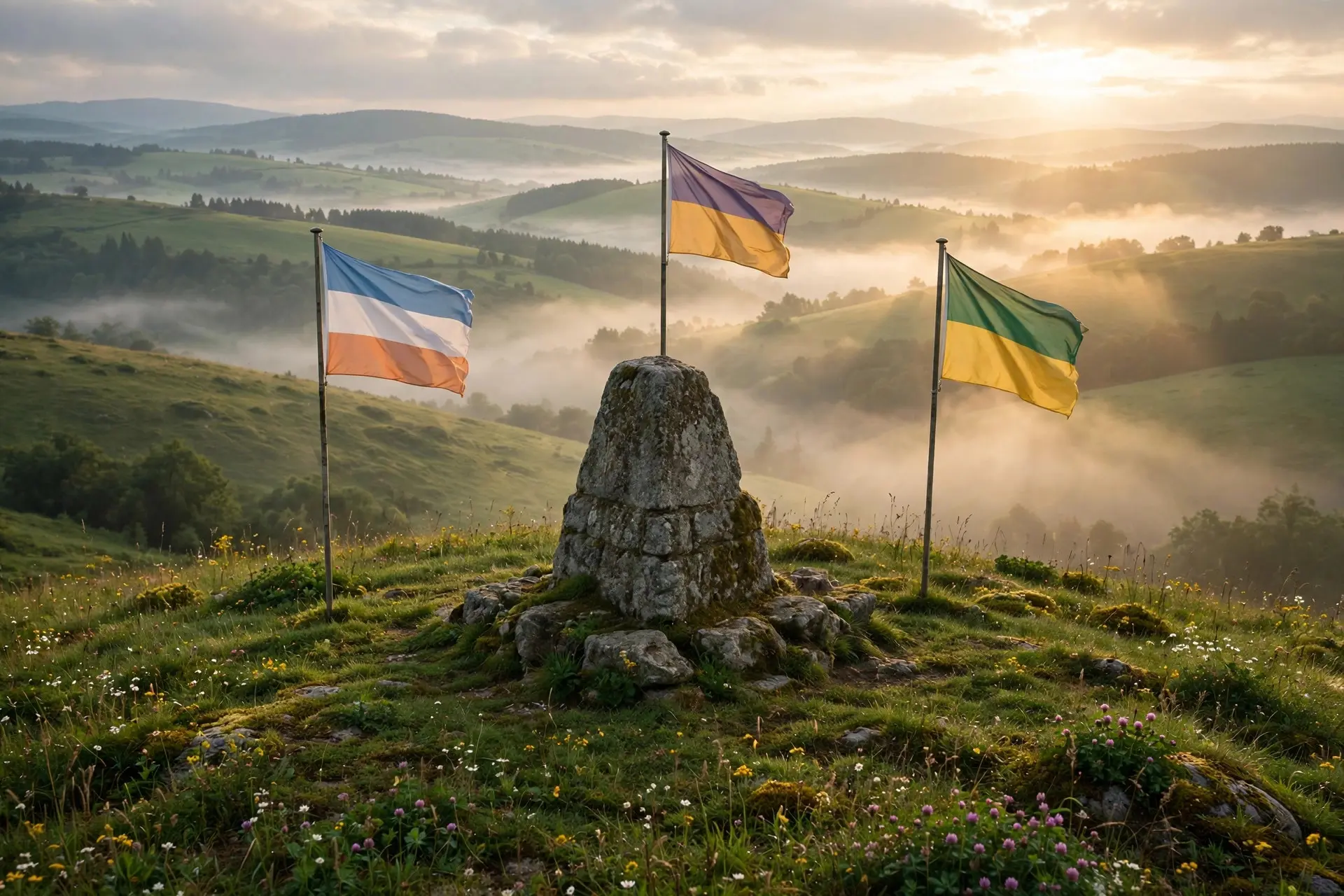 geography7 min read
Where Do Three Countries Meet at a Single Point?
A tripoint is one surveyed spot where three national borders converge. From a Dutch hilltop to an Arctic lake, these markers turn invisible lines into places.
Read Article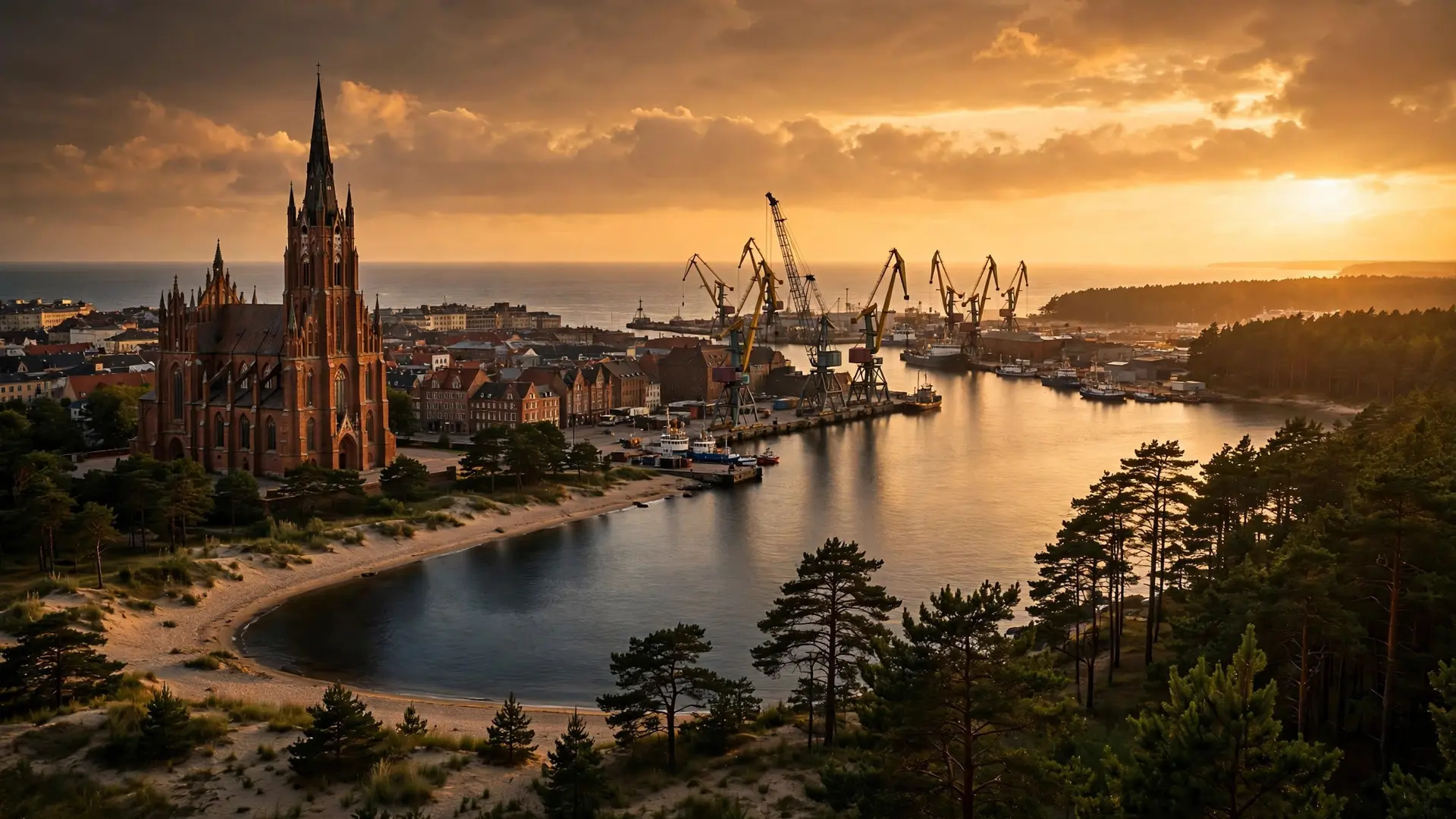 geography7 min read
Why Is Kaliningrad Cut Off From the Rest of Russia?
Kaliningrad is a Russian exclave wedged between Poland and Lithuania, with no land border with Russia. It was a German city given to the Soviet Union in 1945.
Read Article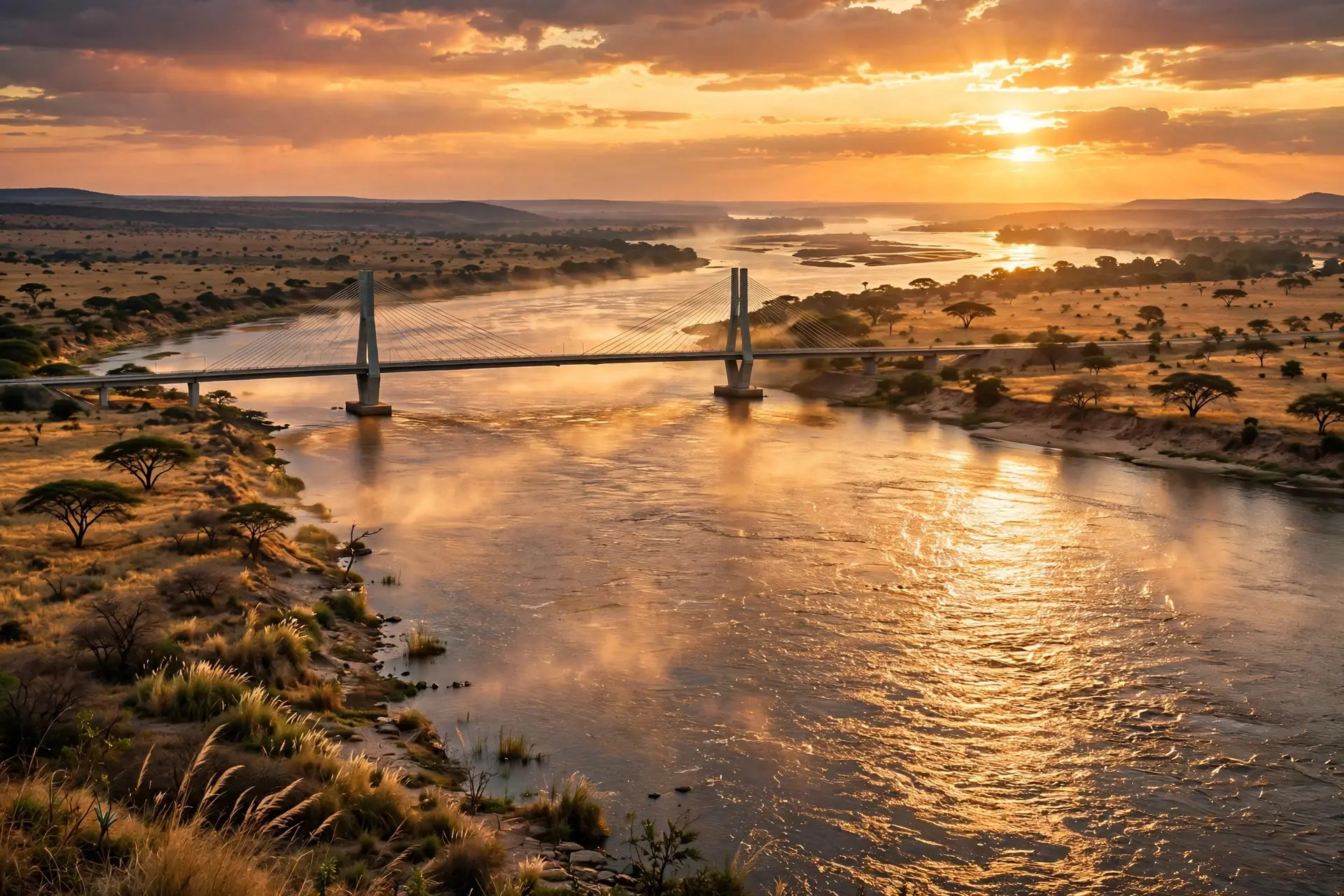 geography6 min read
What Is the World's Shortest International Border?
Botswana and Zambia share a border of only about 150 metres in the Zambezi at Kazungula — a colonial-era accident that made the world's shortest frontier.
Read Article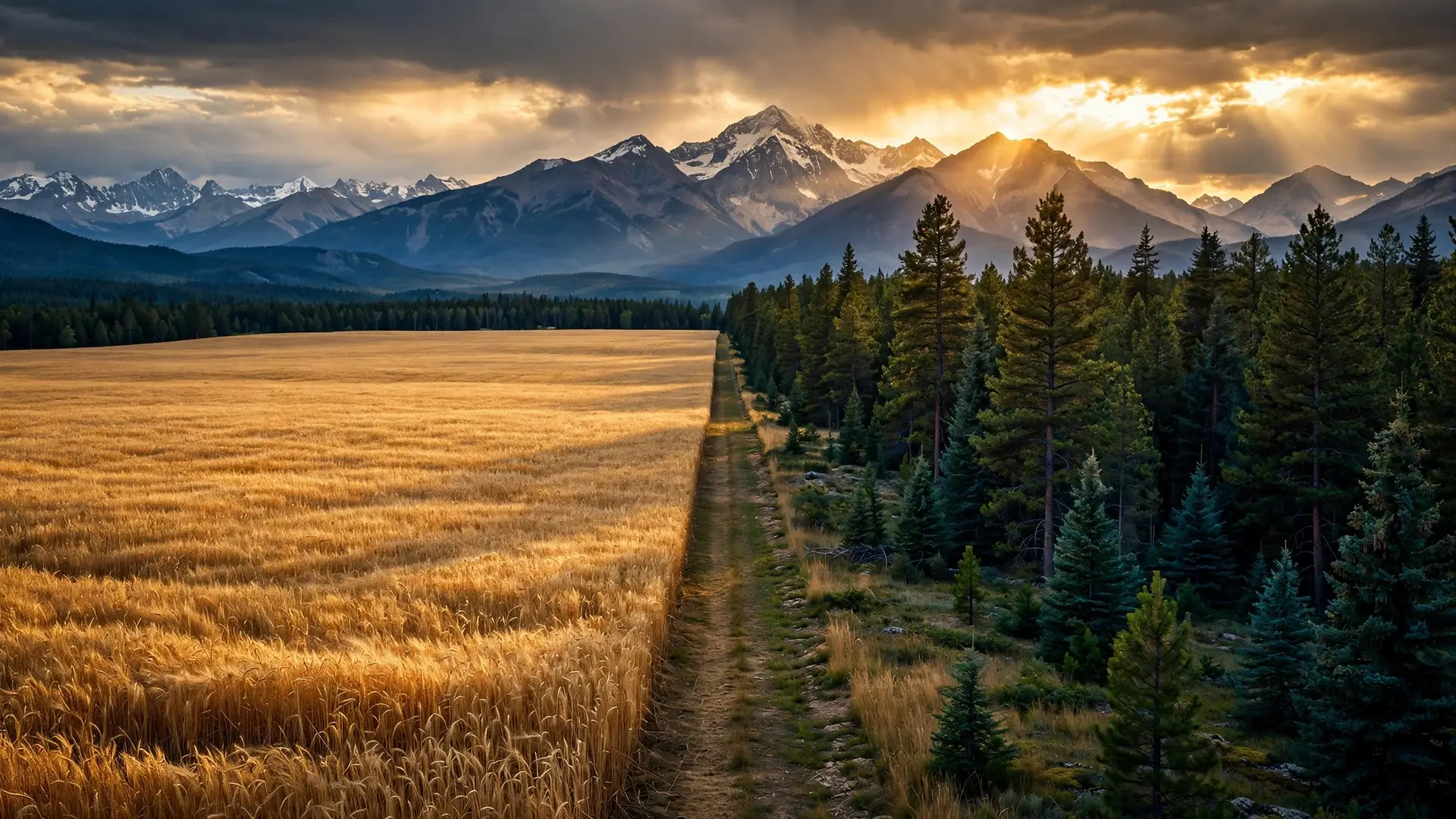 geography6 min read
Why Does the US-Canada Border Follow the 49th Parallel?
The US-Canada border runs straight along the 49th parallel for thousands of kilometres. It is there because two governments chose a line of latitude over war.
Read Article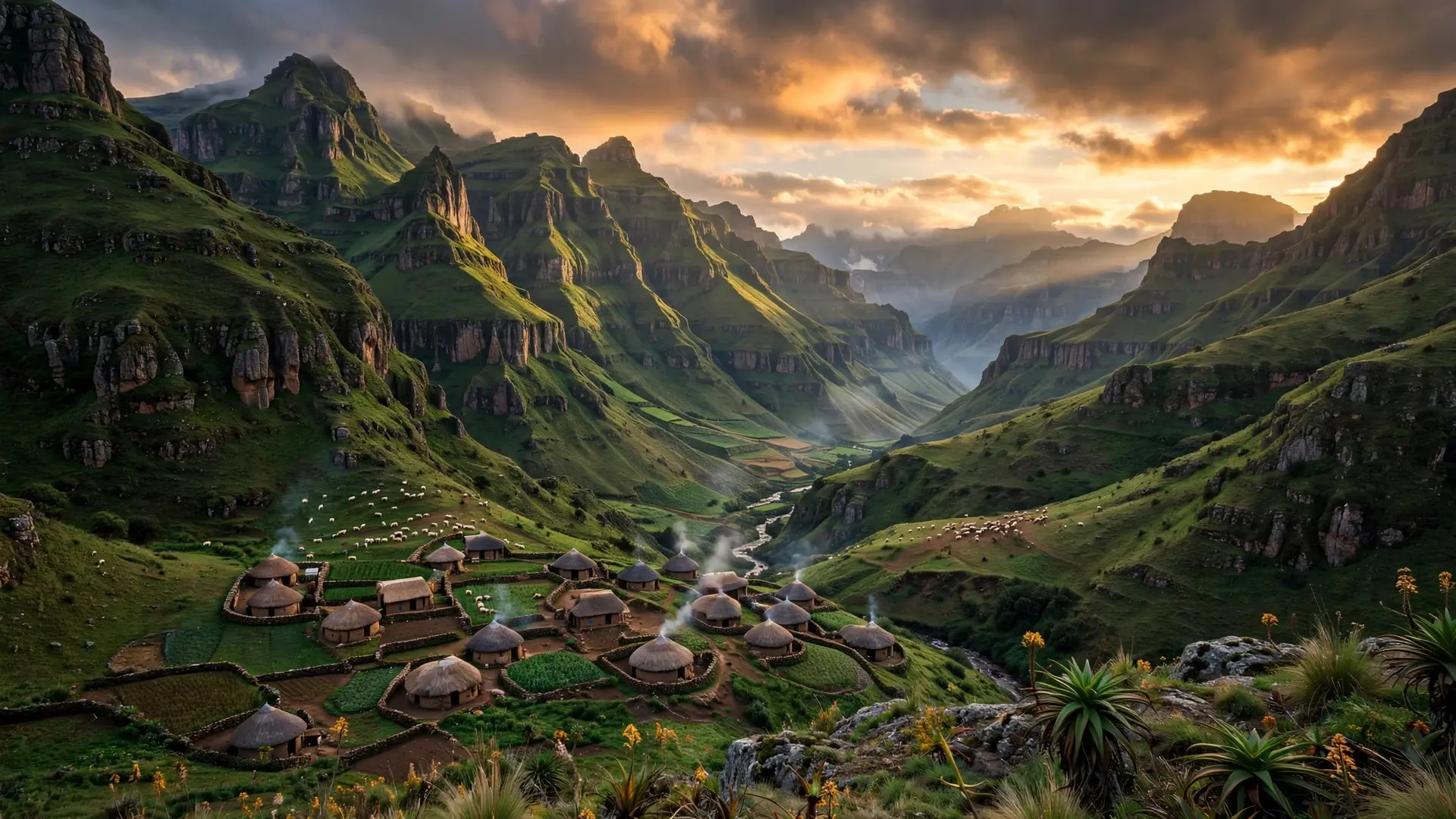 geography6 min read
Why Is Lesotho Completely Surrounded by South Africa?
Lesotho is an island of mountains inside South Africa, and that is no accident. A mountain king, a lost lowland and a plea to Queen Victoria drew its borders.
Read Article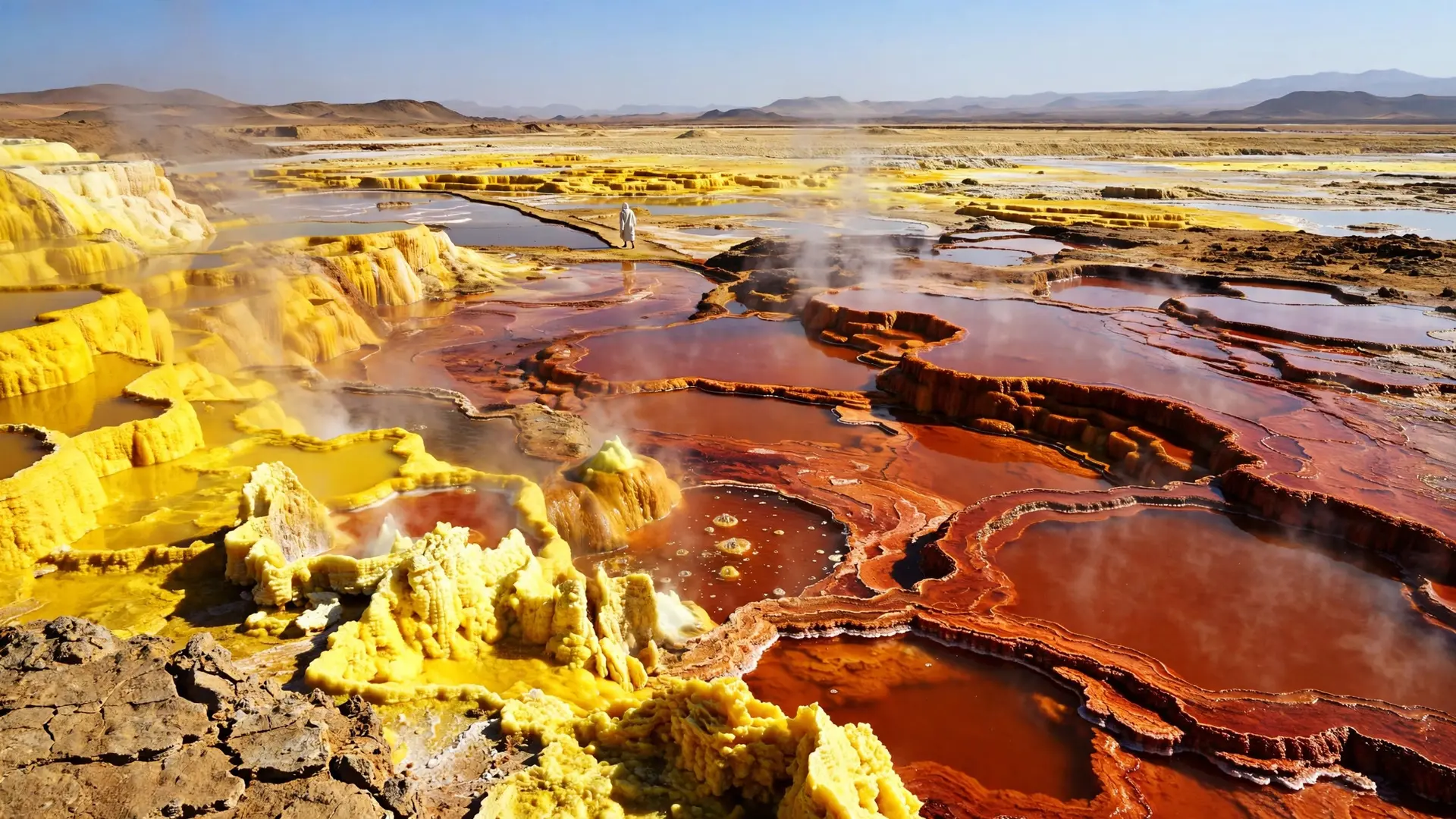 geography8 min read
What Is the Hottest Inhabited Place on Earth?
Dallol's record is not one scorching afternoon but relentless year-round heat, and the salt trade that still draws workers into Ethiopia's Danakil furnace.
Read Article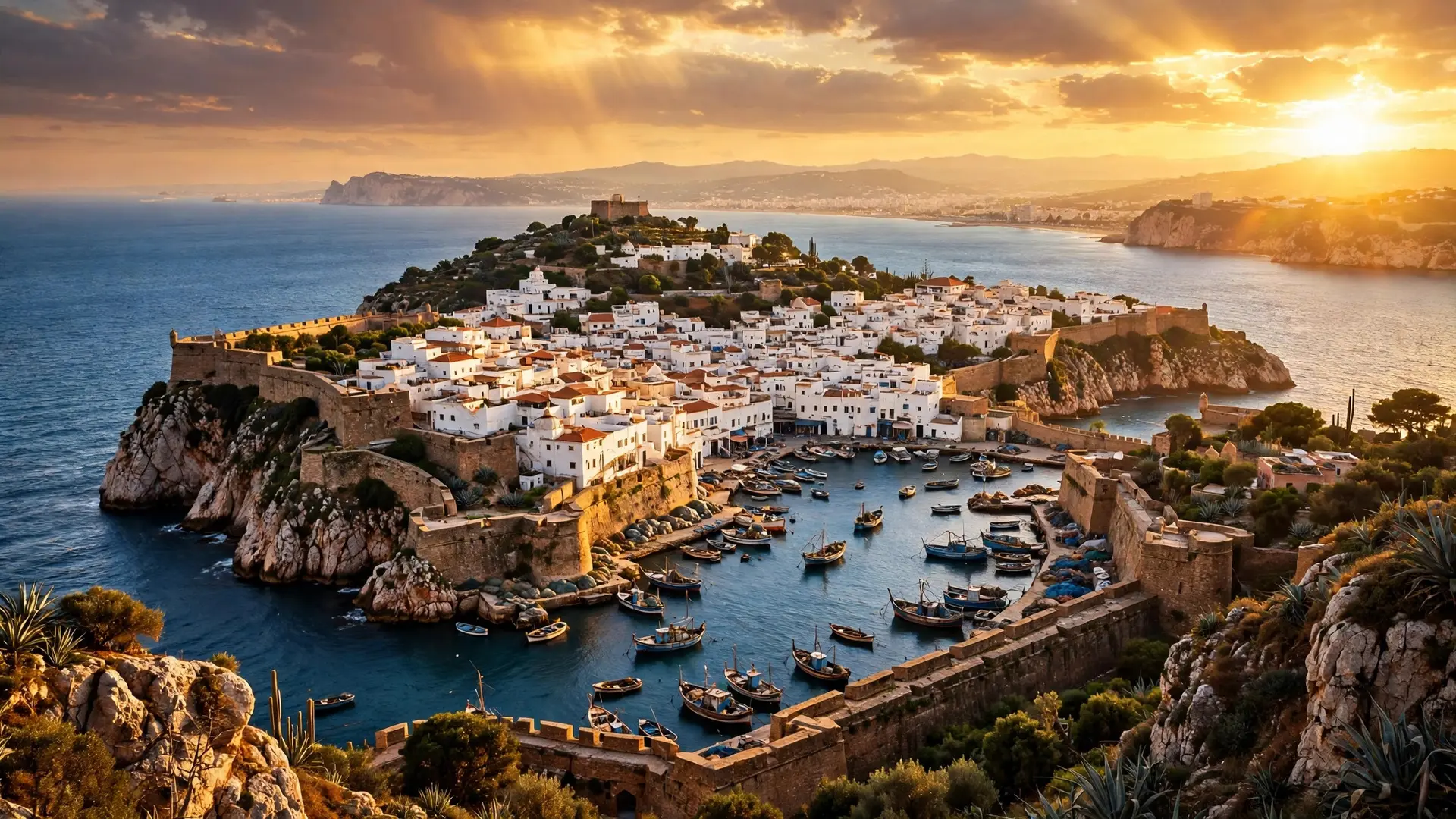 geography8 min read
Why Does Spain Own Two Cities in Africa?
Ceuta and Melilla are Spanish cities on Morocco's coast, not colonies: centuries-old ports whose residents vote in Spanish elections and live under Spanish law.
Read Article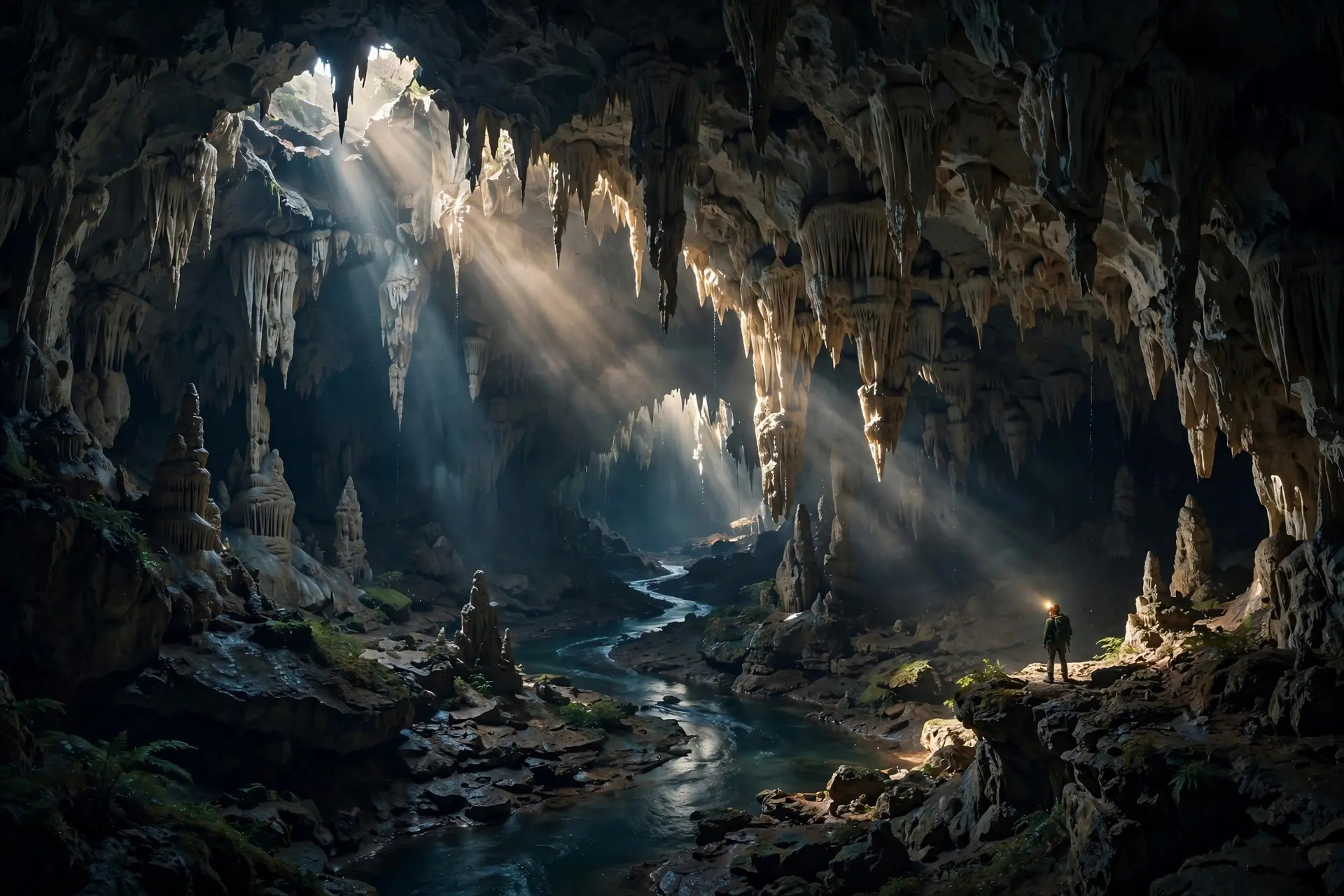 geography7 min read
What Is the Longest Cave System on Earth?
Mammoth Cave in Kentucky holds the record at more than 426 mapped miles — a title won by decades of surveyors linking separate caves into one system.
Read Article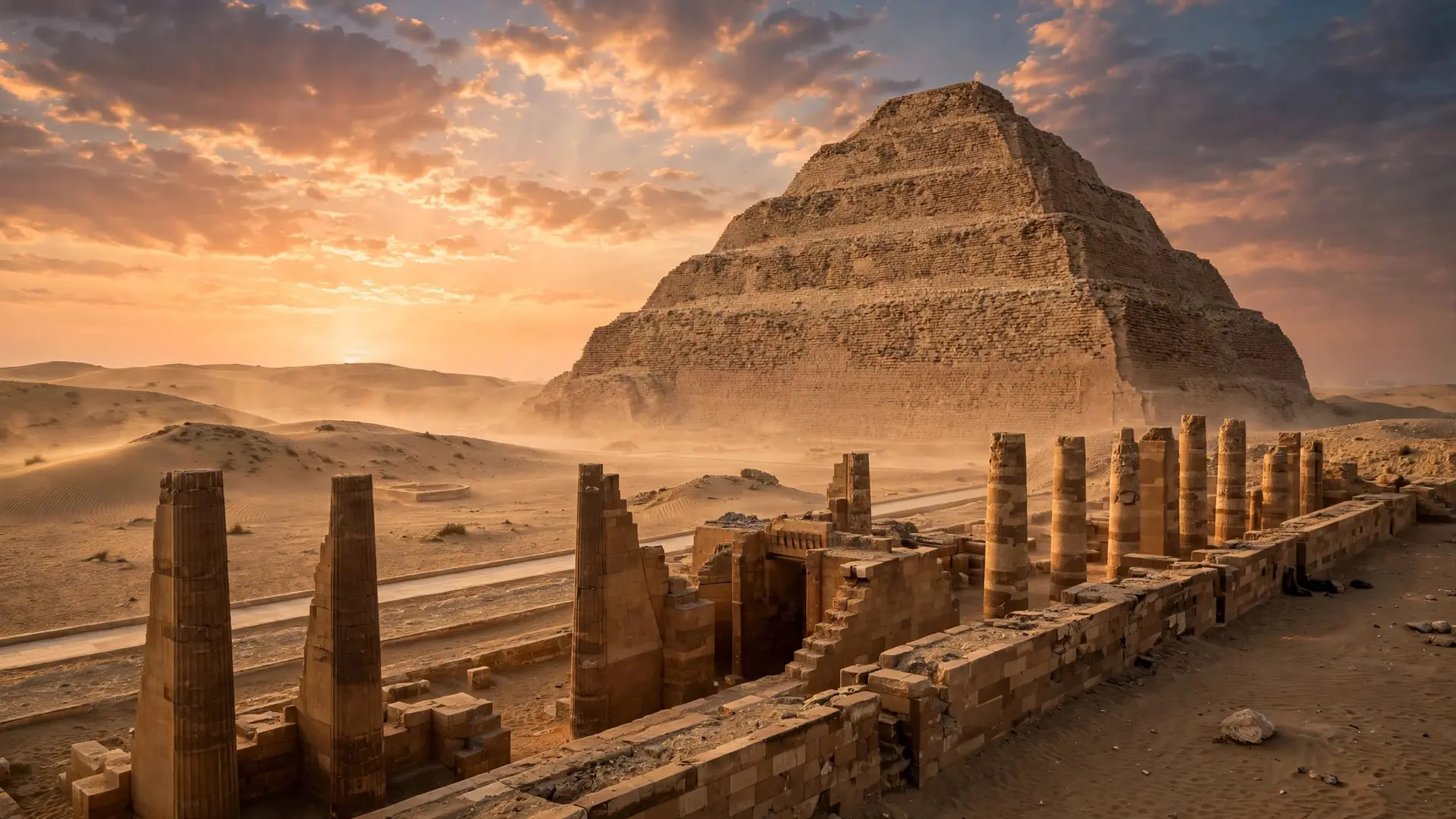 history6 min read
How Did Imhotep Build Egypt's First Stone Pyramid?
Imhotep turned a flat royal tomb into Egypt's first pyramid by stacking stone mastabas and copying perishable buildings in limestone, built to last eternity.
Read Article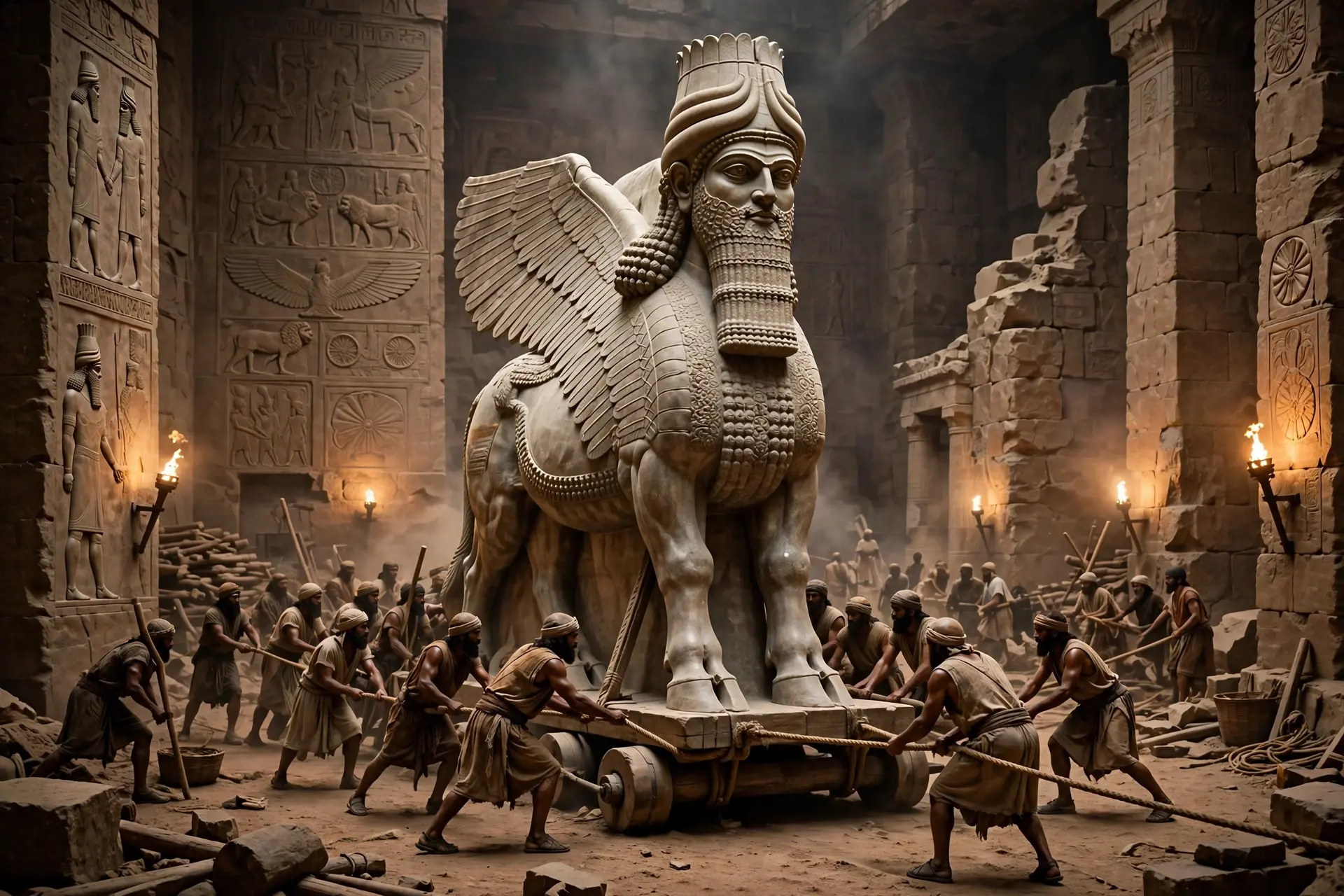 history7 min read
How Did the Assyrians Move Colossal Lamassu Statues?
Assyrian crews hauled 30-ton winged bulls on sledges and rafts to palace gates, and 19th-century diggers faced the same struggle moving them to museums.
Read Article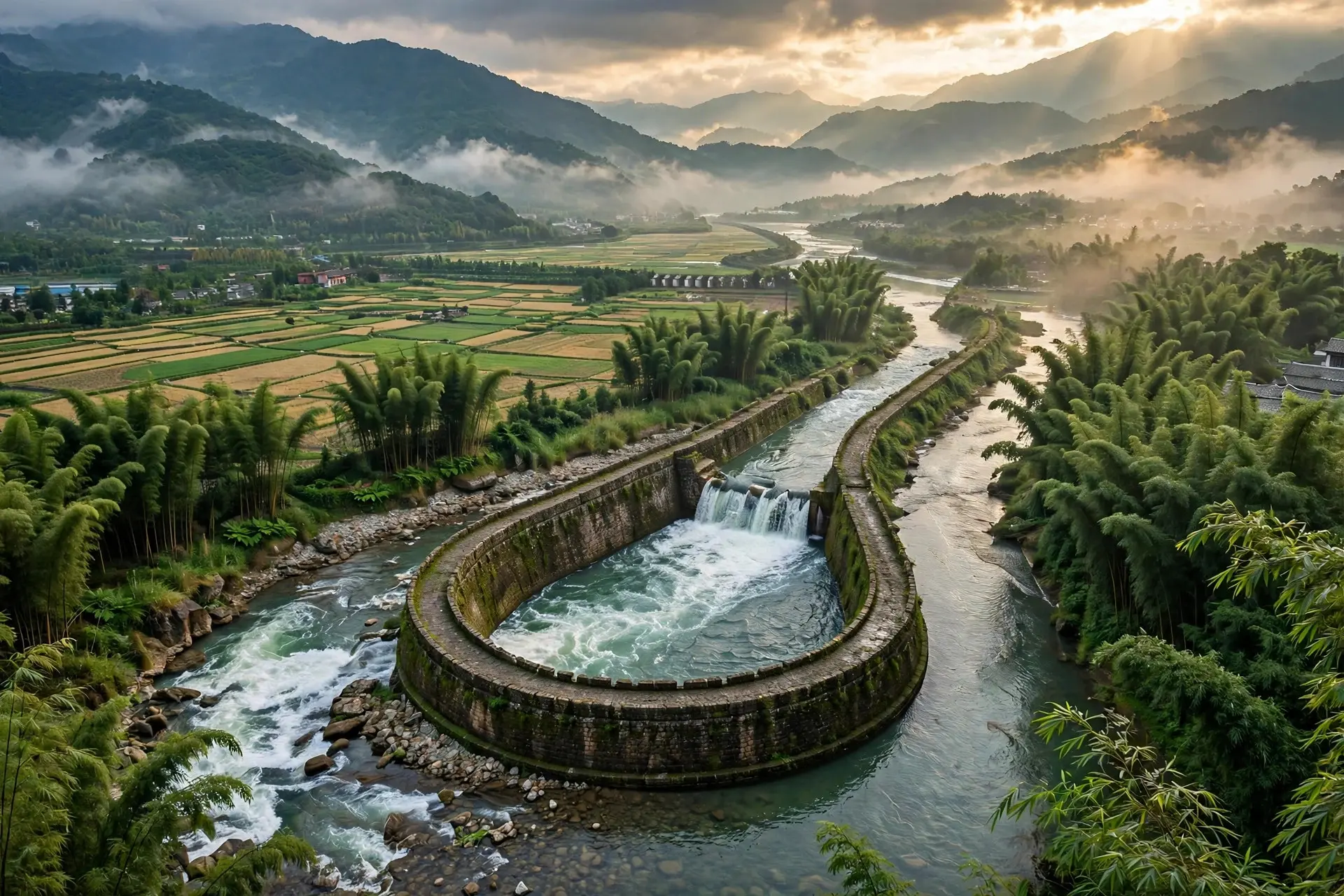 history7 min read
How Does the Dujiangyan Irrigation System Still Work?
Dujiangyan still waters the Chengdu Plain after 2,250 years because it never dams the Min River: it splits, spills and throttles the flow instead.
Read Article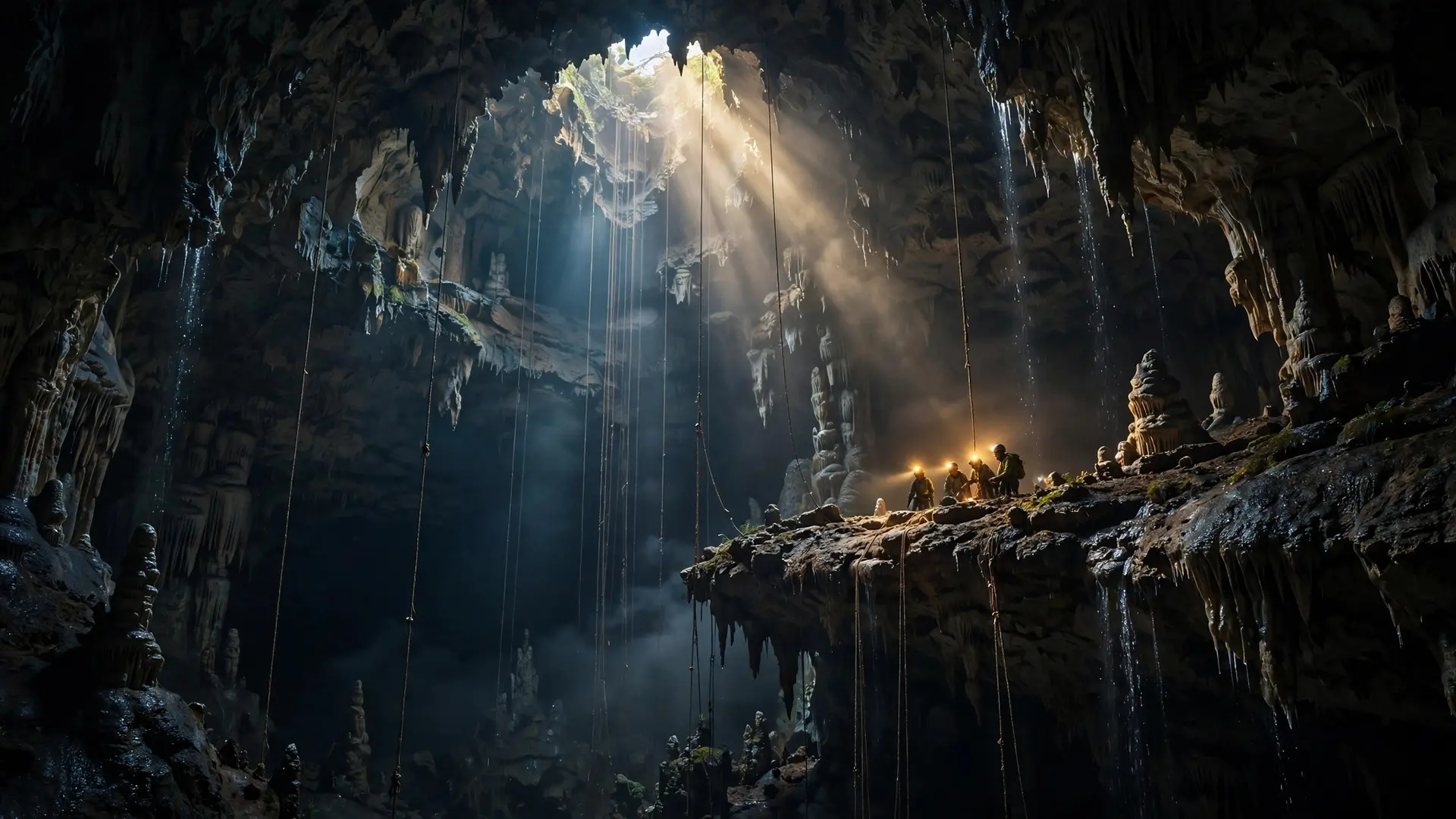 geography7 min read
How Deep Is Krubera, the Deepest Cave on Earth?
Krubera Cave drops 2,224 metres into the Arabika Massif, per a 2024 survey, edging out neighbour Veryovkina. But the record depends on which survey you accept.
Read Article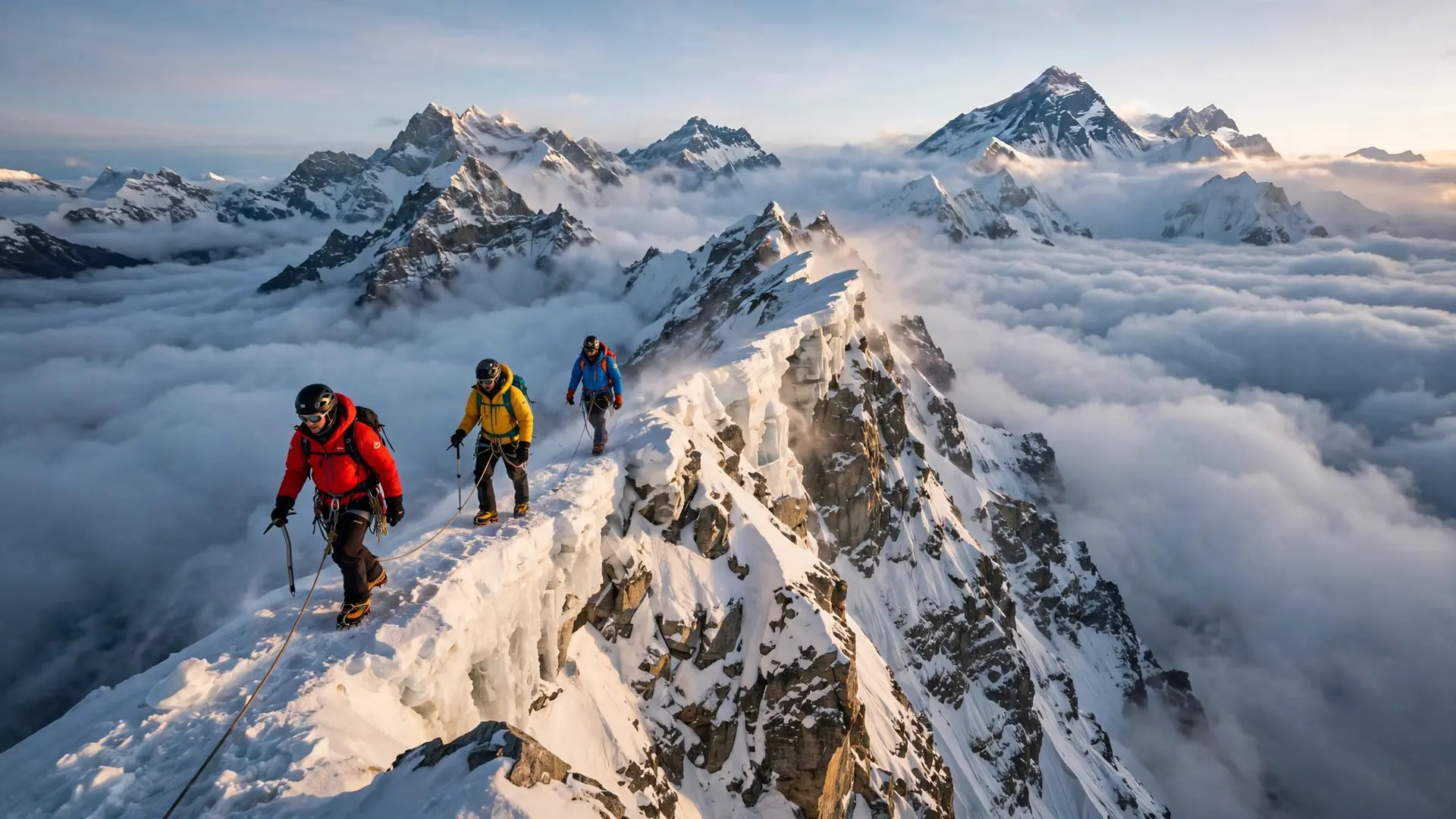 geography7 min read
What Happens to Your Body in Everest's Death Zone?
Above 8,000 metres on Everest, thin air starves the body of oxygen, clouds judgment, and can flood the brain and lungs. Here is what the death zone does.
Read Article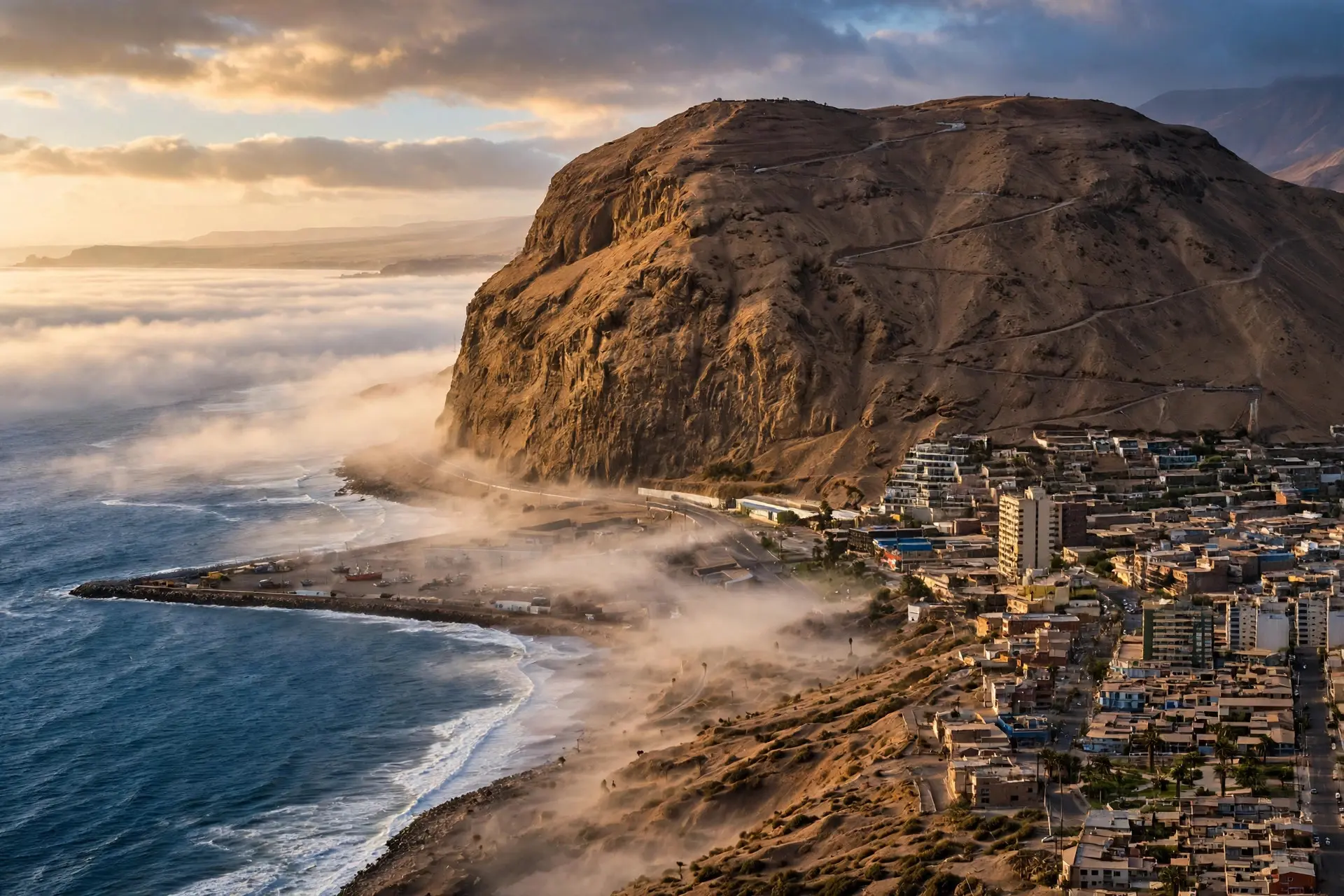 geography6 min read
Why Is Arica Called the Driest City on Earth?
Arica in northern Chile averages just 0.76 millimetres of rain a year, yet 260,000 people live there. Cold ocean water, high pressure and the Andes keep it dry.
Read Article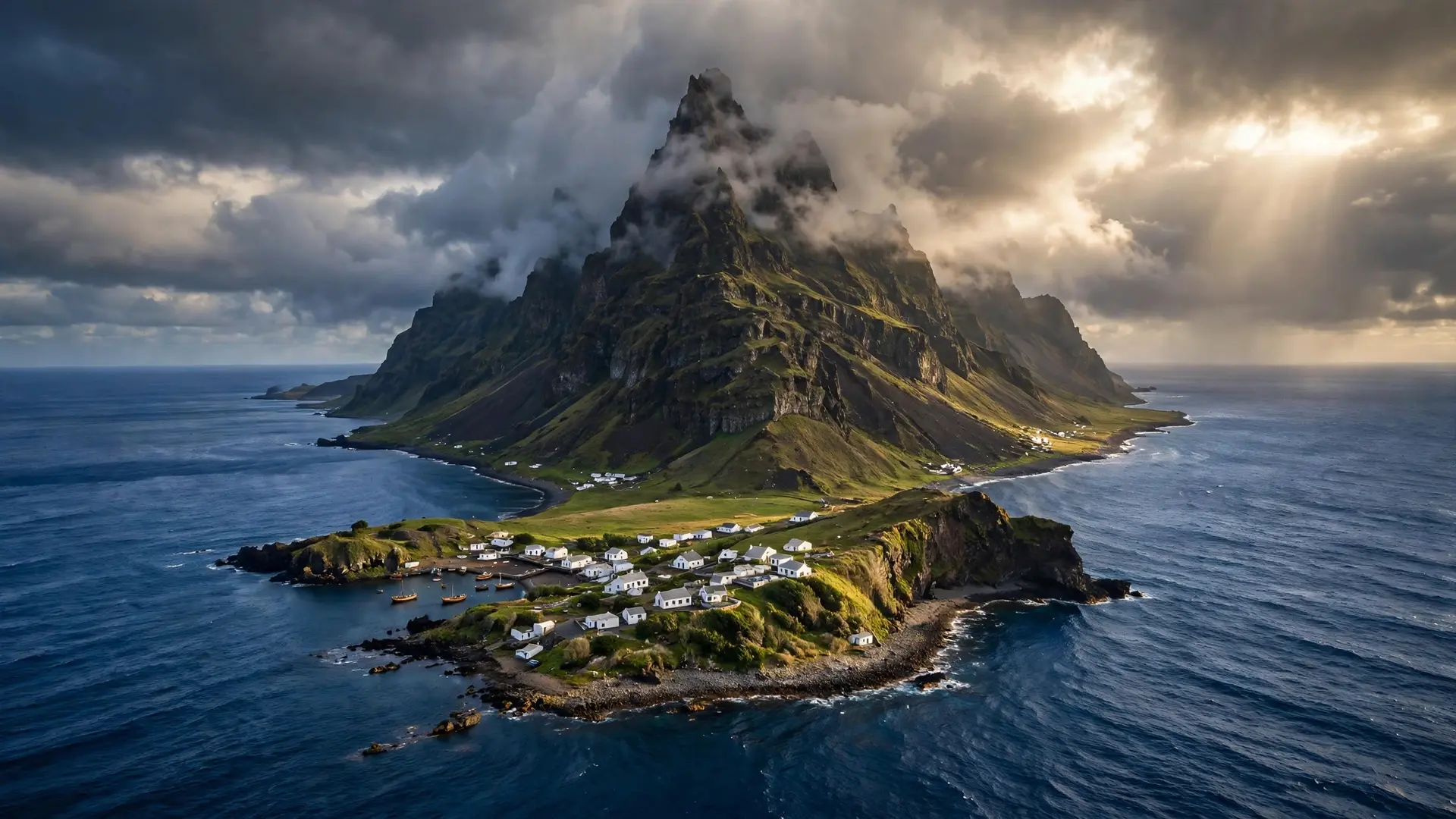 geography8 min read
What Is the Most Remote Inhabited Island on Earth?
Tristan da Cunha sits thousands of kilometres from inhabited land, with no airport and only a handful of ships a year. This is how its isolation works.
Read Article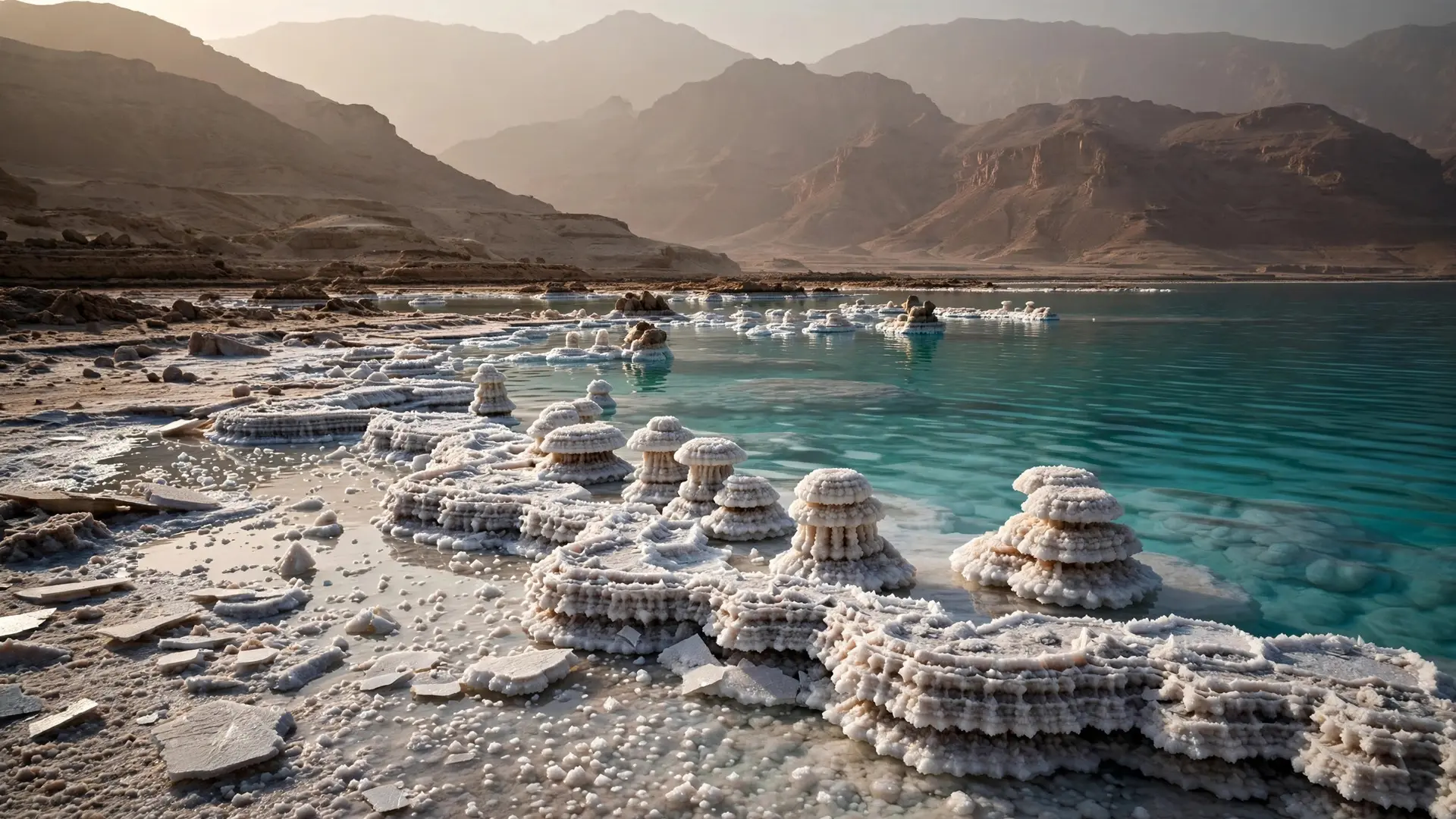 geography8 min read
Why Is the Dead Sea the Lowest Place on Land?
The Dead Sea sits about 430 metres below sea level because plates are pulling its valley floor down while evaporation traps it. Here is why it keeps falling.
Read Article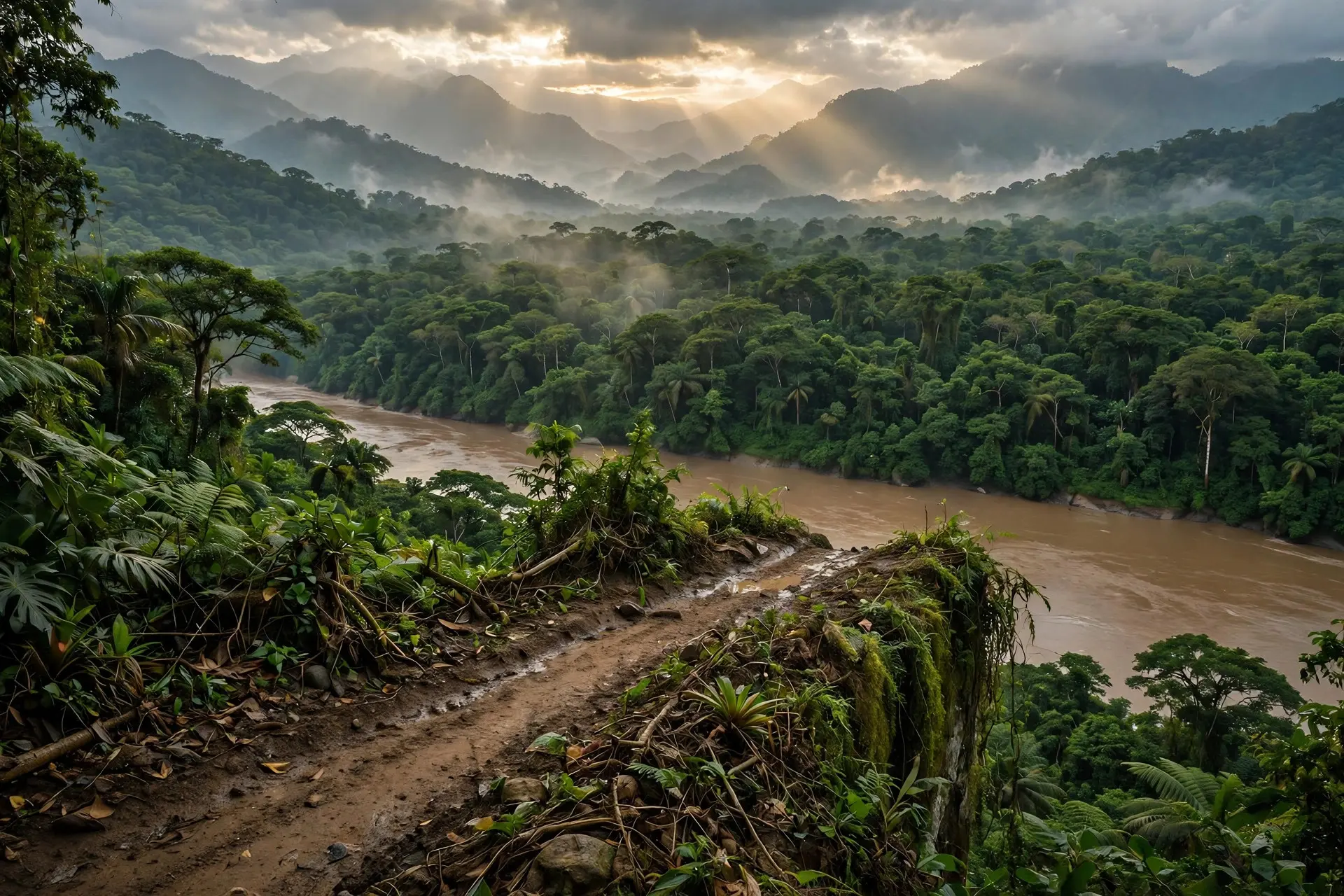 geography8 min read
Why Is There No Road Across Panama's Darien Gap?
The Pan-American Highway stops at Yaviza and restarts at Turbo in Colombia. Rainforest, swamps, disease fears and indigenous opposition kept the gap roadless.
Read Article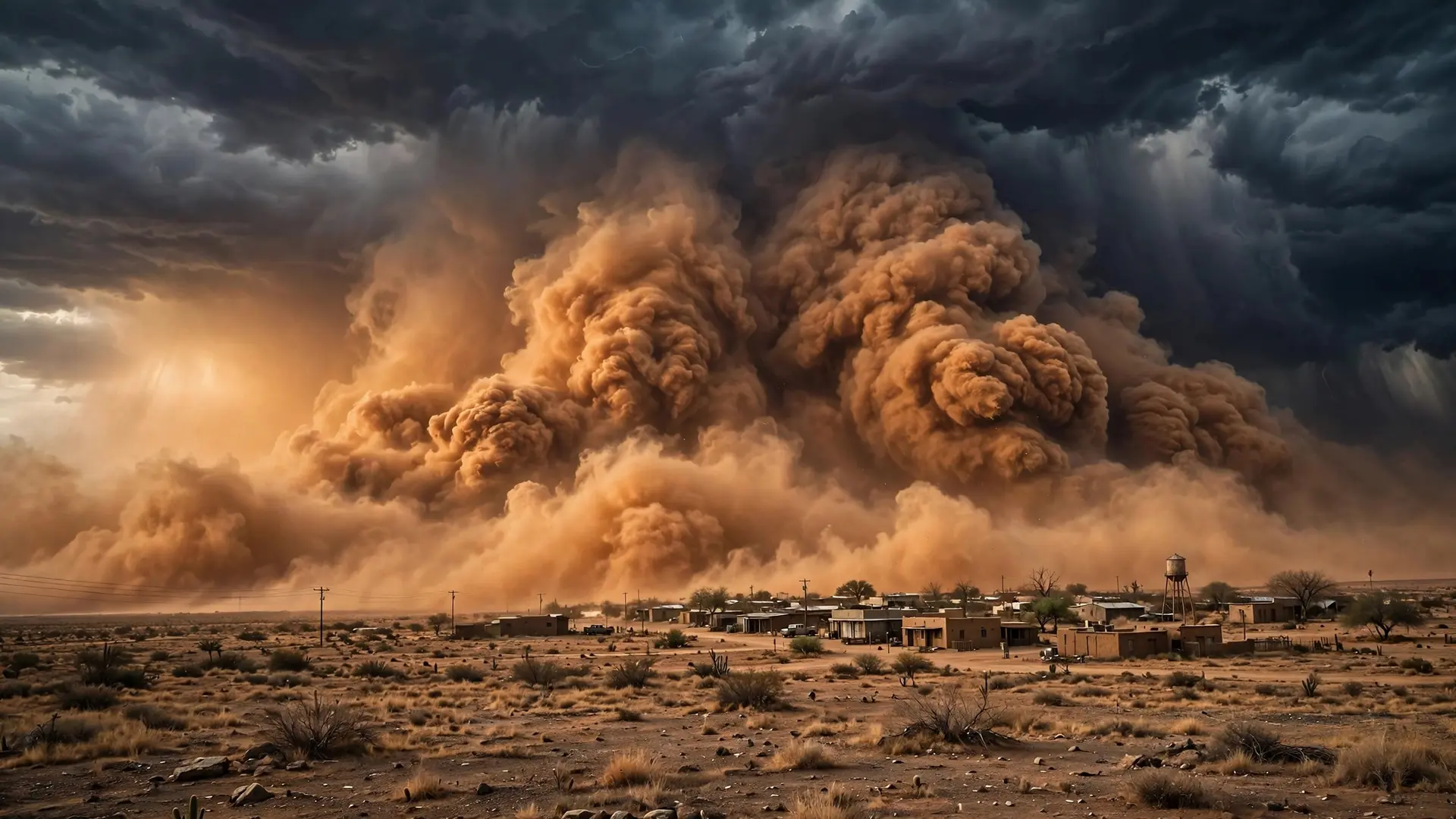 science7 min read
What Is a Haboob Dust Storm and How Does It Form?
A haboob is a towering wall of dust driven ahead of a collapsing thunderstorm. Here is how downdrafts build it, where it strikes, and why drivers fear it most.
Read Article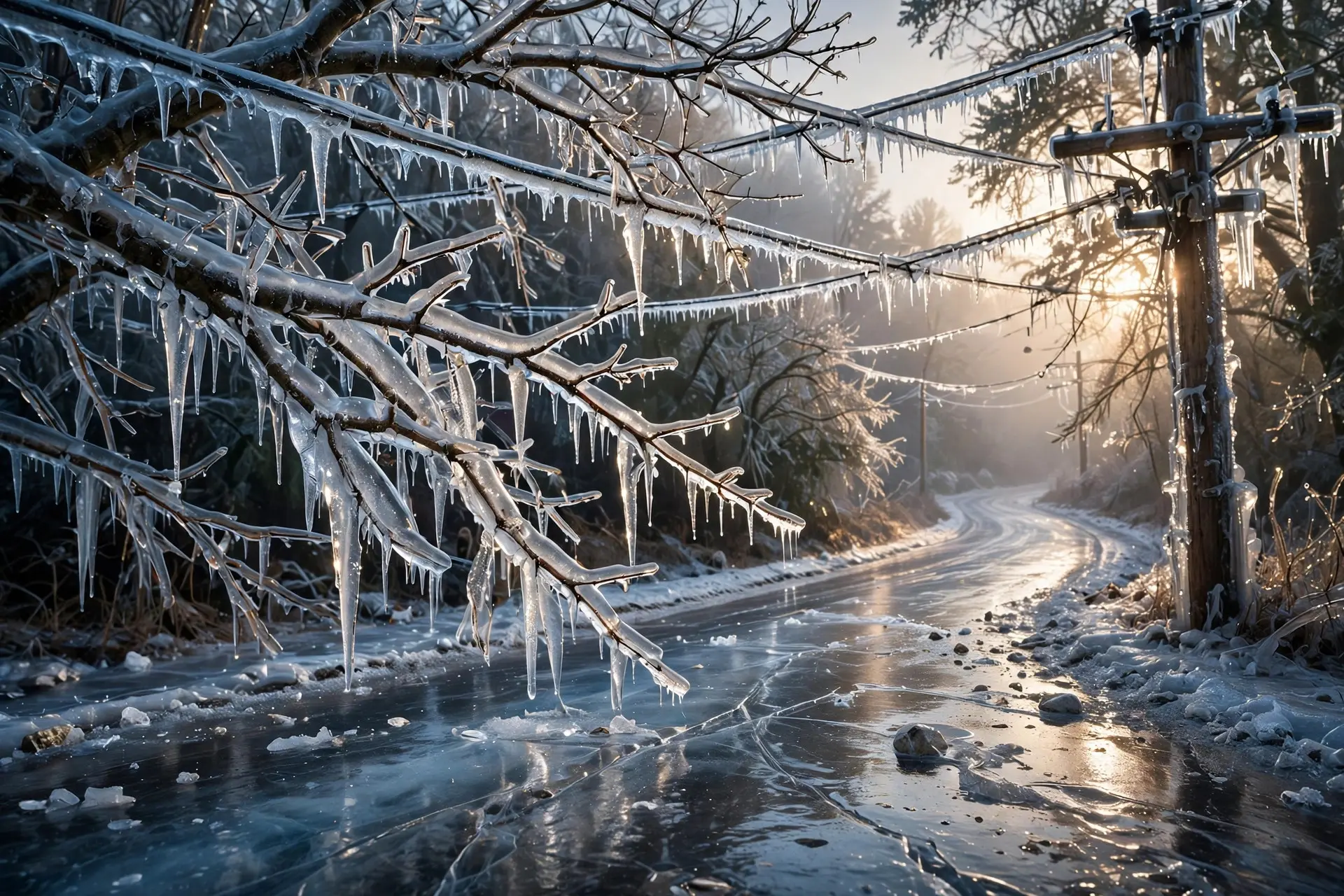 science7 min read
What Is Freezing Rain, and Why Is It So Dangerous?
Freezing rain stays liquid below freezing, then turns to glaze ice on contact. It coats roads, trees and power lines, and a thin layer can be devastating.
Read Article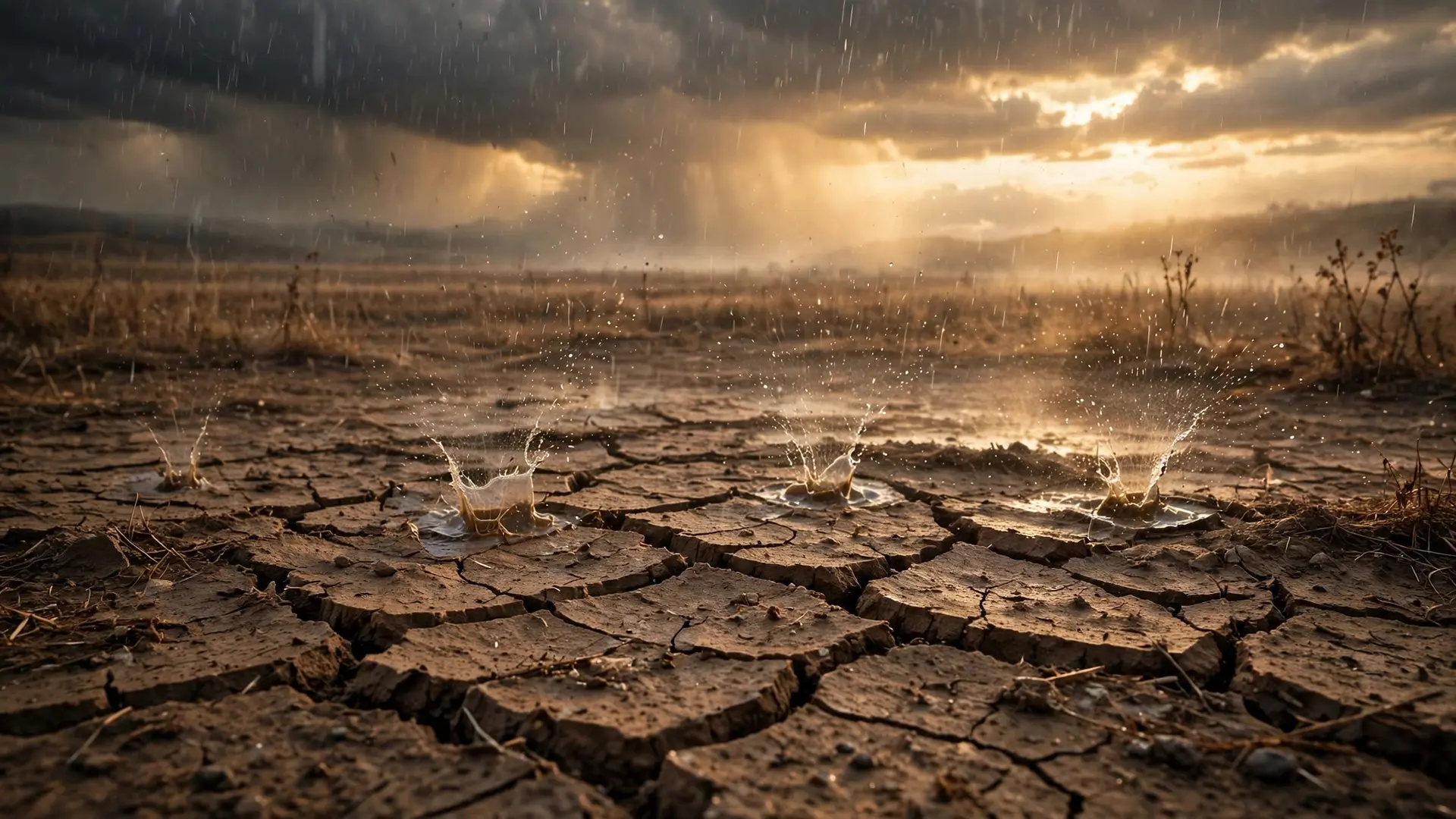 science6 min read
Why Does Rain Smell So Good After a Dry Spell?
Rain itself has almost no scent. The smell after a dry spell comes from soil microbes, plant oils and storm ozone, launched into the air by falling drops.
Read Article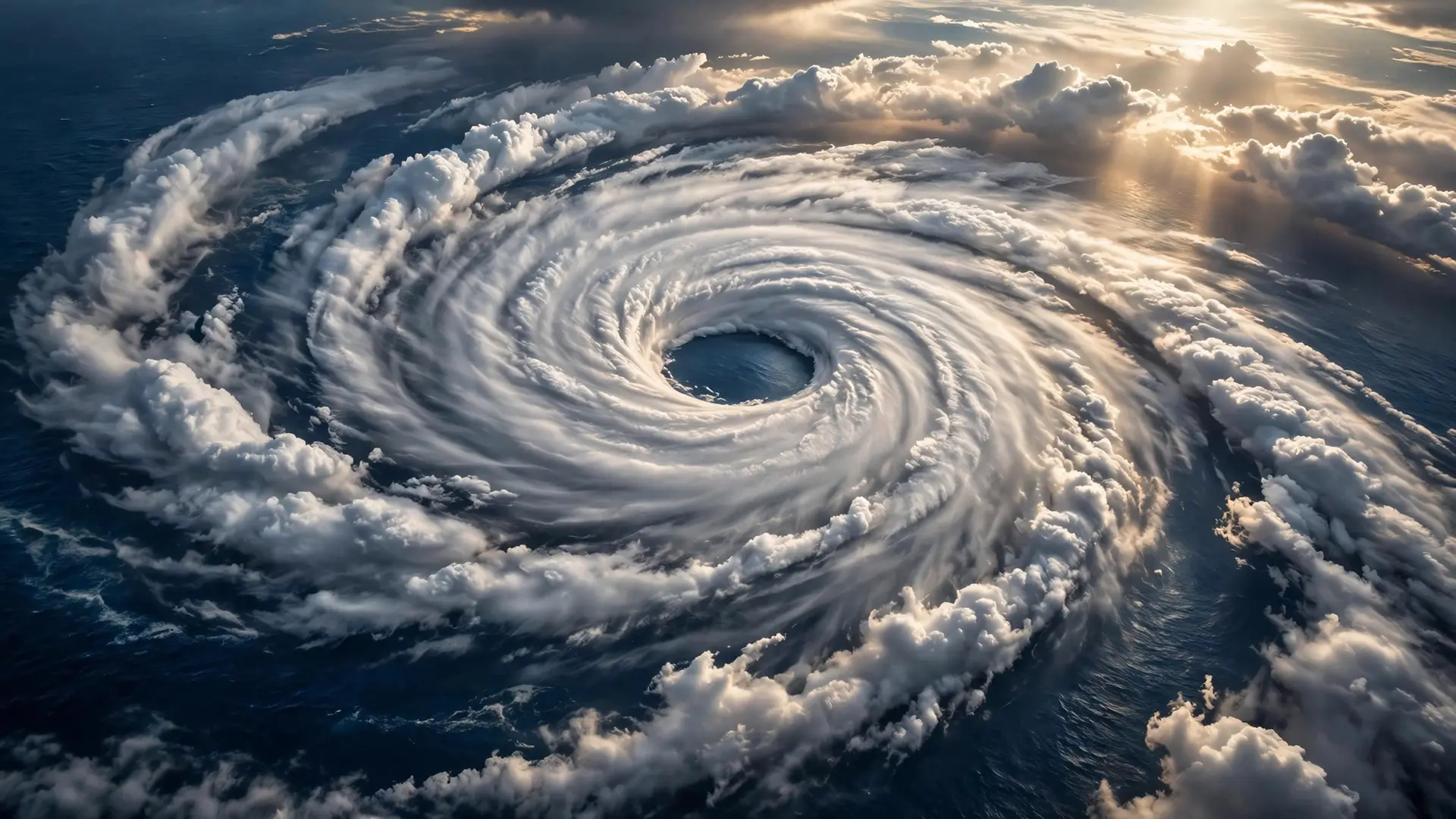 science7 min read
How Do Forecasters Predict a Hurricane's Path?
Hurricane tracks are forecast by tracking steering winds, running many computer models, and blending them into one official path with a cone of uncertainty.
Read Article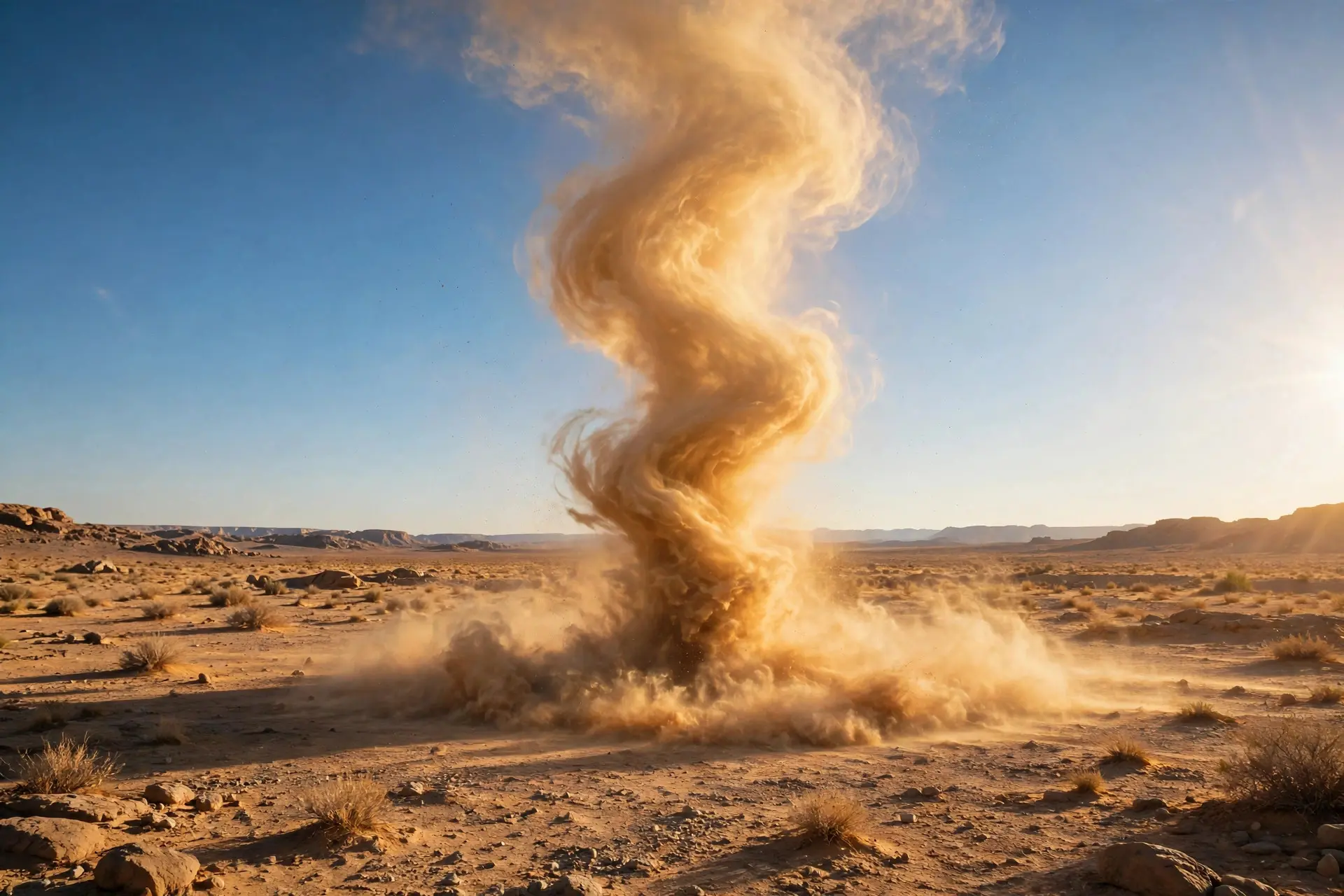 science6 min read
What Is a Dust Devil, and How Does It Form?
A dust devil is a column of dust raised by intense ground heat, not a miniature tornado. Learn how it forms, why it spins, and when it can turn dangerous.
Read Article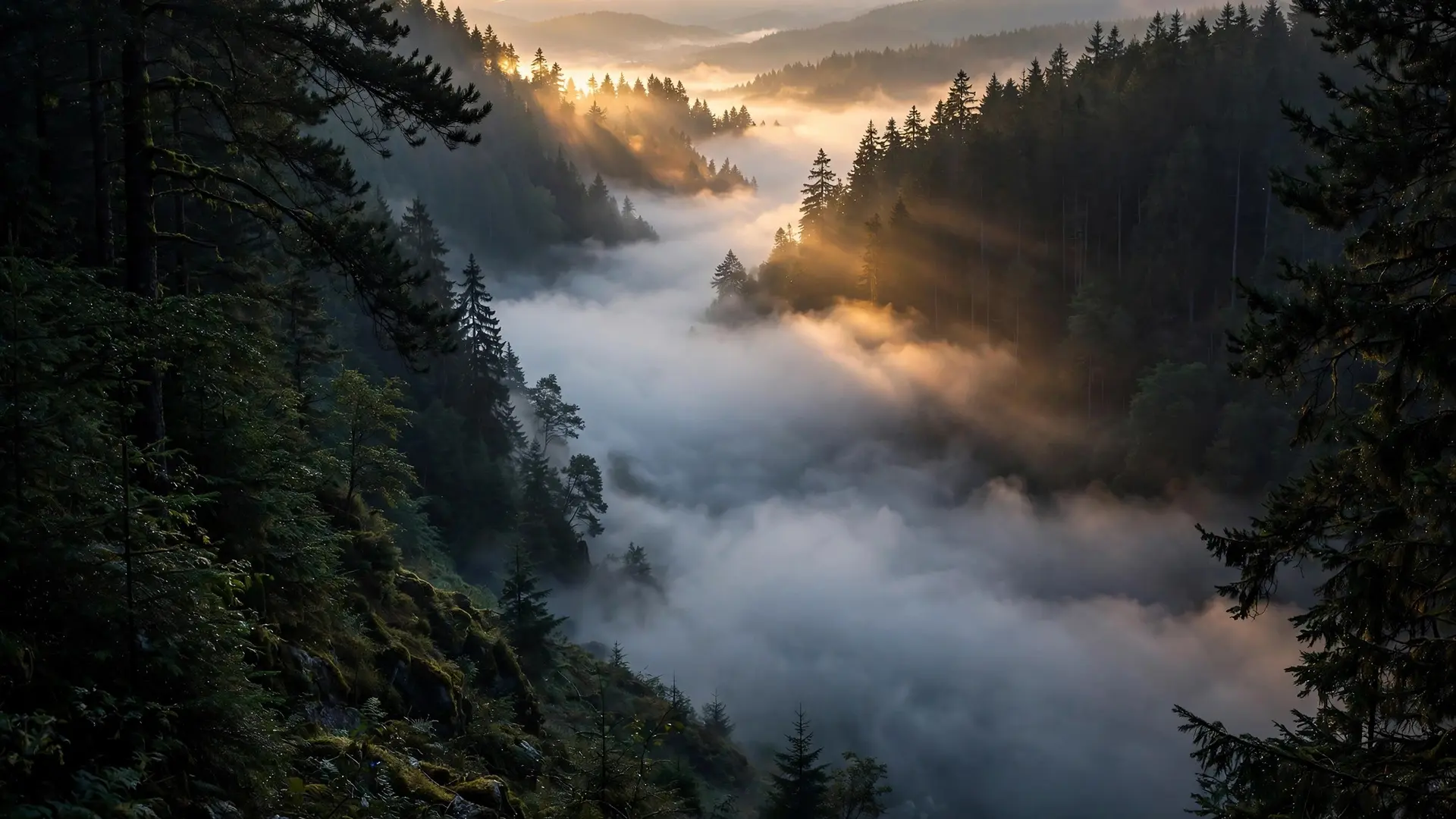 science6 min read
Why Does Fog Form on Some Mornings and Not Others?
Morning fog appears when a clear, calm night cools moist air to its dew point, turning vapor into droplets. Clouds, wind, or dry air can spoil the recipe.
Read Article