
Geography
Unusual borders, isolated landscapes, human migrations, and planetary extremes.
Page 4 of 5
 5 min read
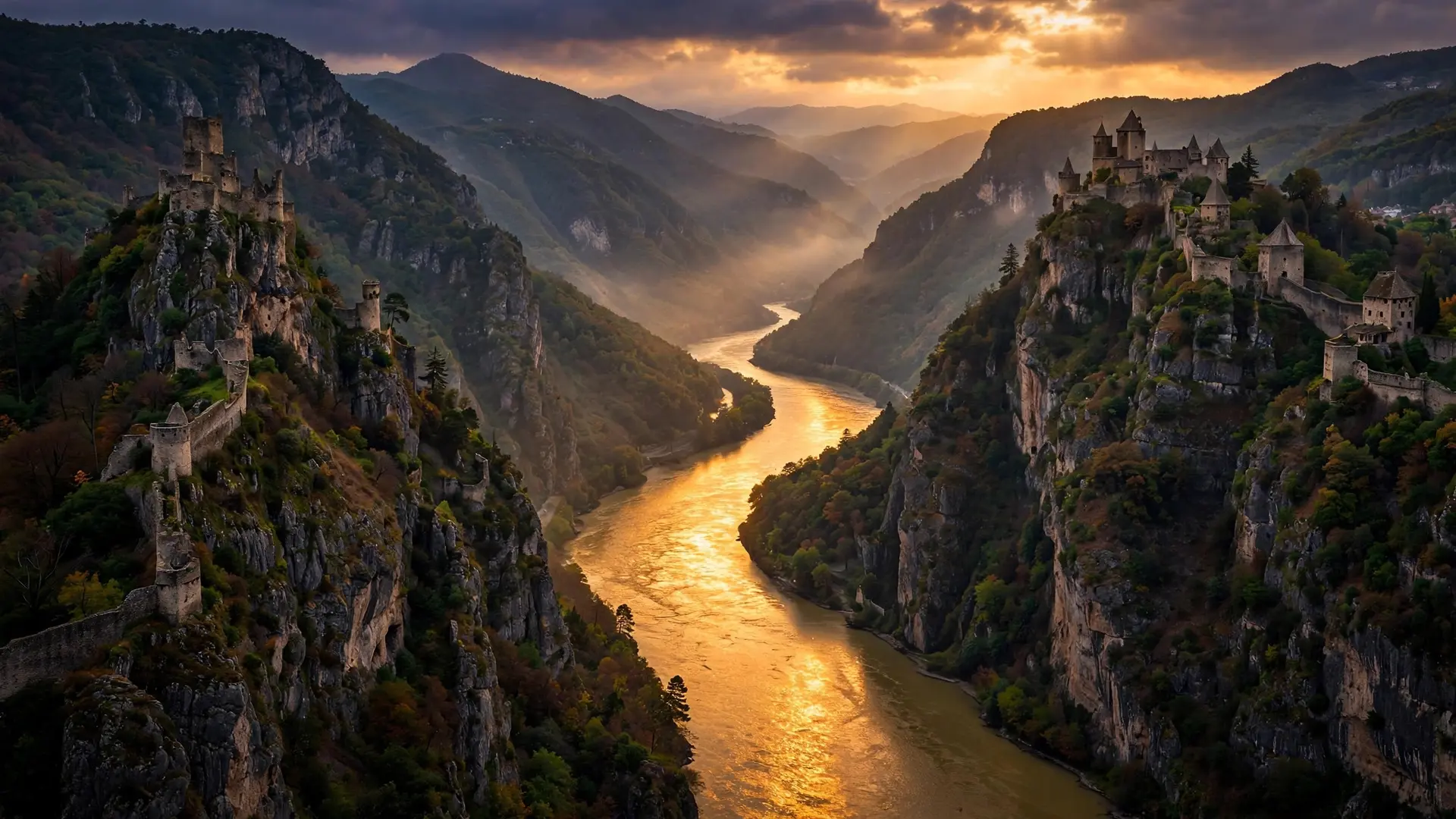
The Danube: Europe's River of Empires Explained
At 2,850 kilometers, the Danube flows through 10 countries and 4 capitals, and for two millennia it was the frontier where empires met, clashed, and traded.
Read Article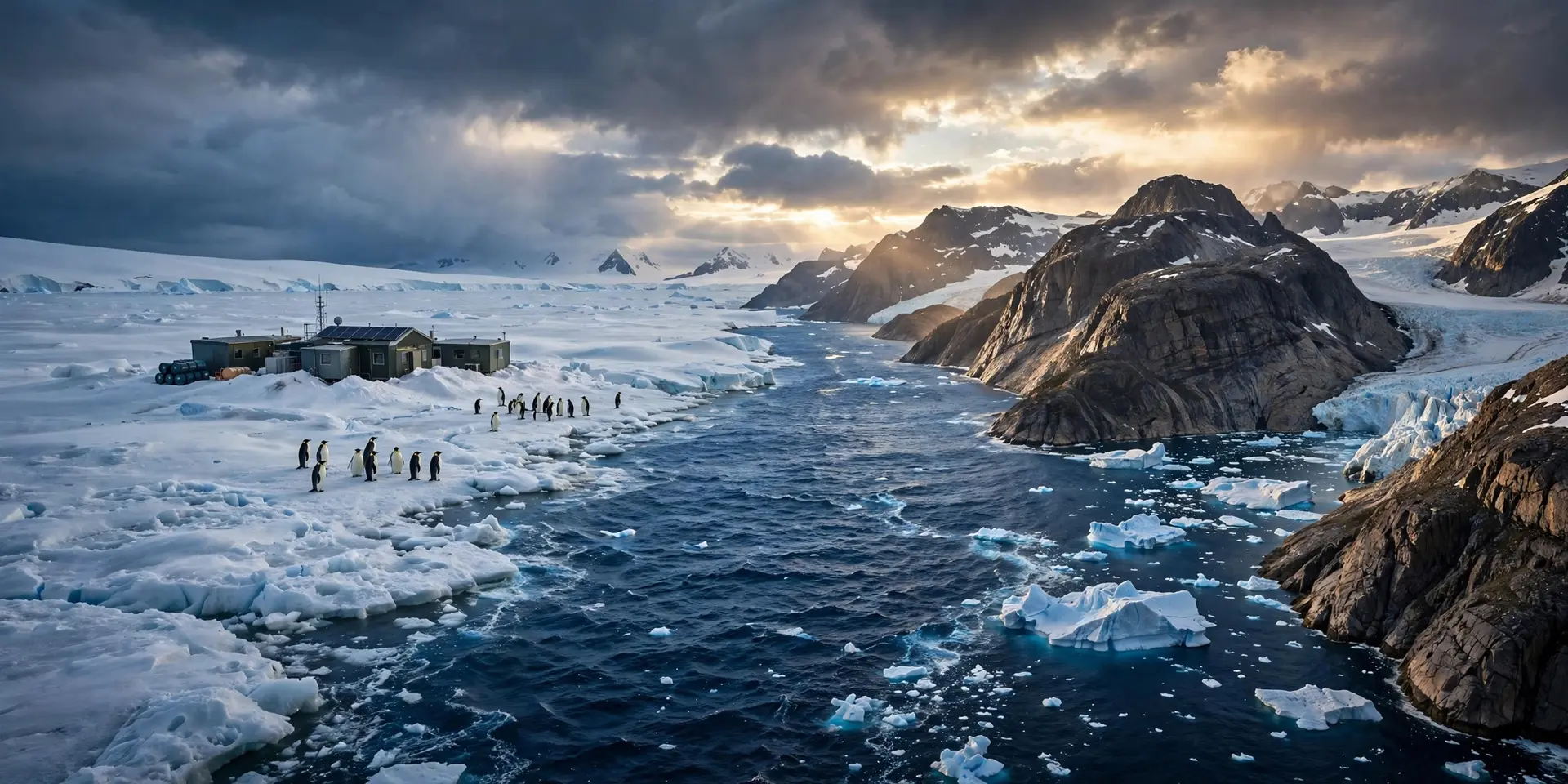 6 min read
Antarctica Is a Continent. Greenland Isn't. Why?
Antarctica and Greenland are both giant ice-covered landmasses — yet one is a continent and the other an island. Size, geology, and one simple rule decide.
Read Article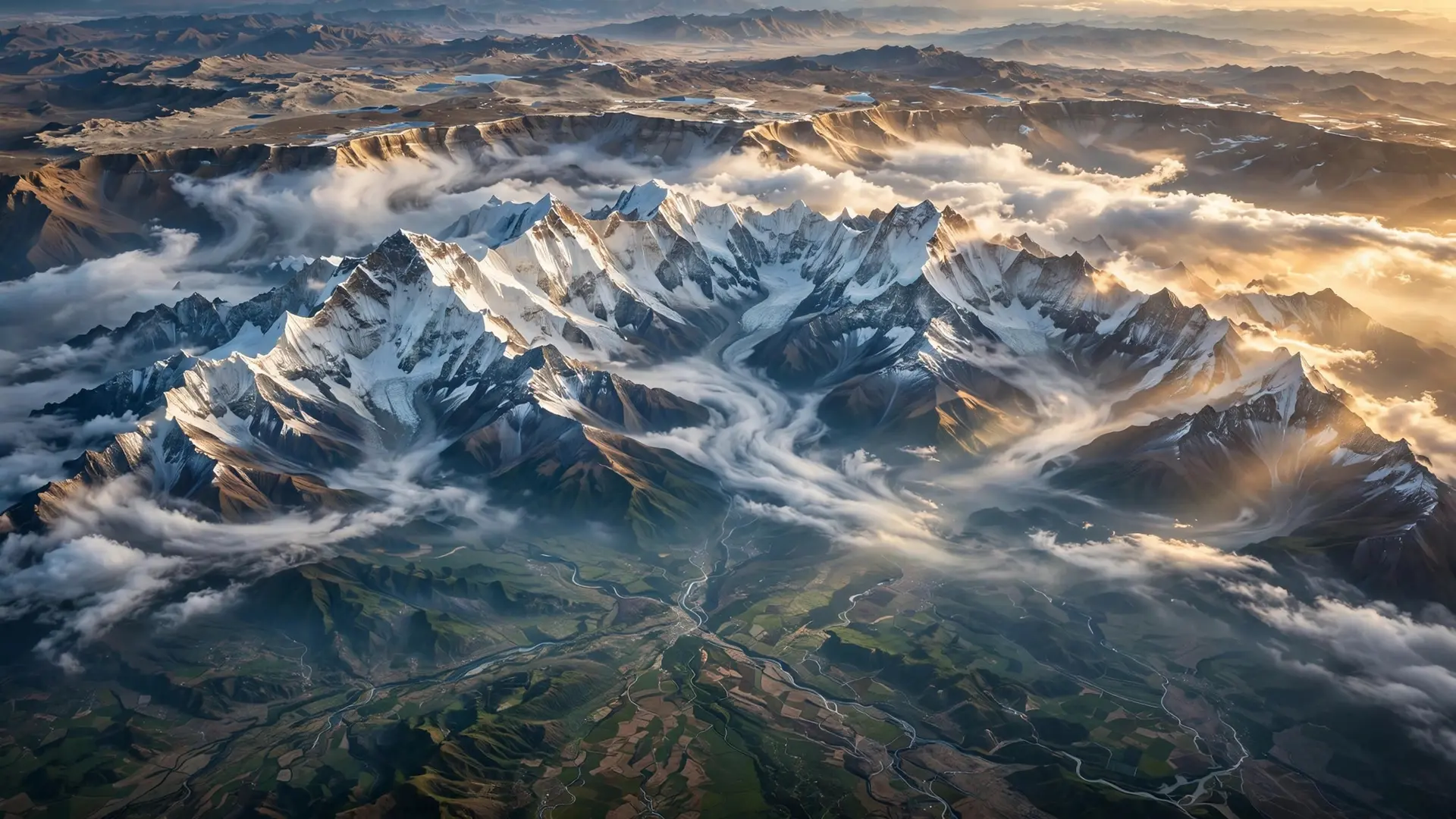 6 min read
How the Himalayas Were Born: India's Crash Into Asia
Fifty million years ago India crashed into Asia at a record sprint, raising the Himalayas. The collision never stopped — it is still lifting the peaks today.
Read Article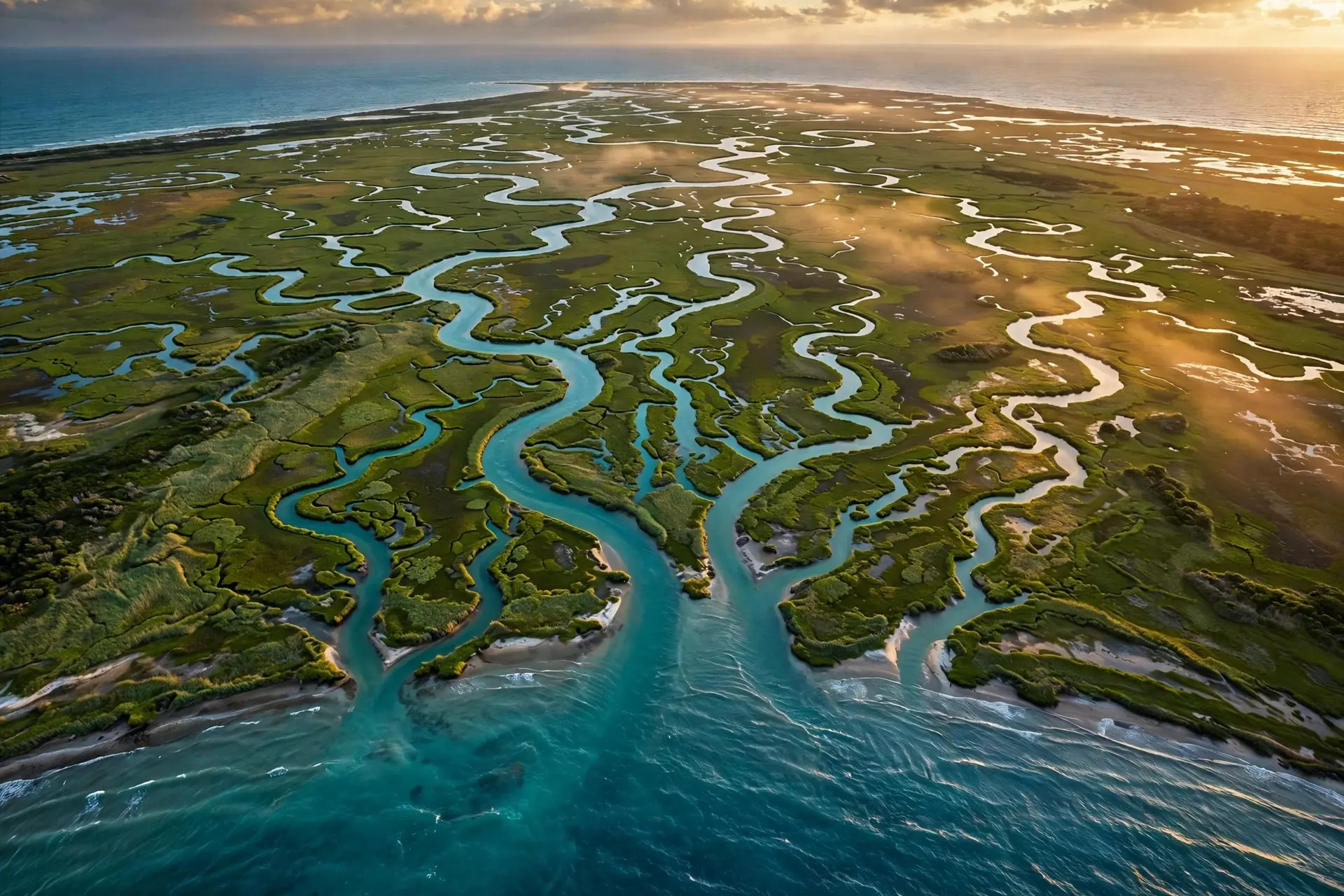 6 min read
How River Deltas Build New Land From River Sediment
Where rivers meet the sea, dying currents drop their cargo of mud and sand — and new land rises from the water. Inside Earth's greatest land-building machines.
Read Article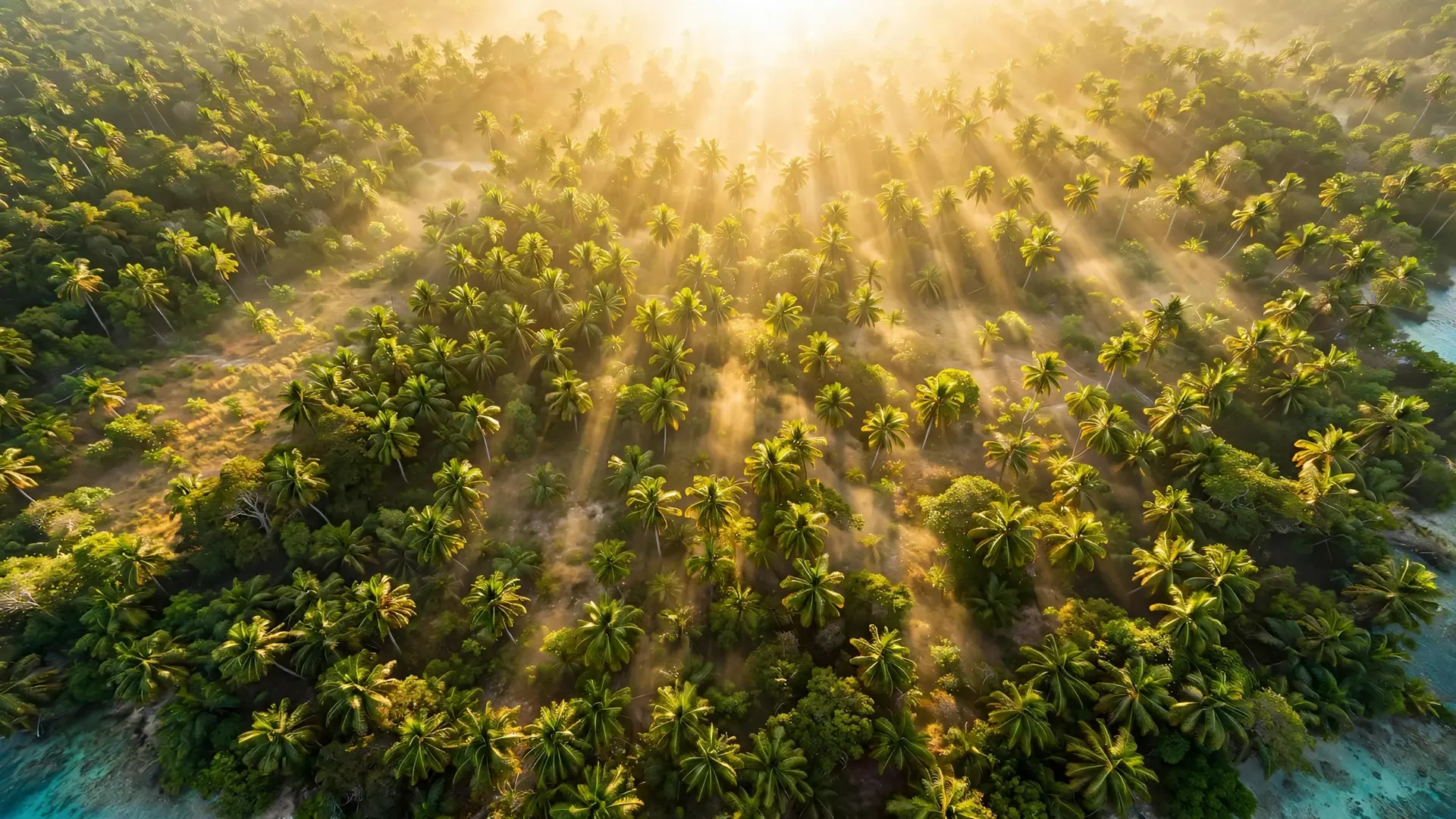 6 min read
Why Is the Equator the Hottest Place on Earth?
The equator gets Earth's most direct sunlight, yet the hottest temperatures come from deserts far away. The culprit is a giant loop of rising and sinking air.
Read Article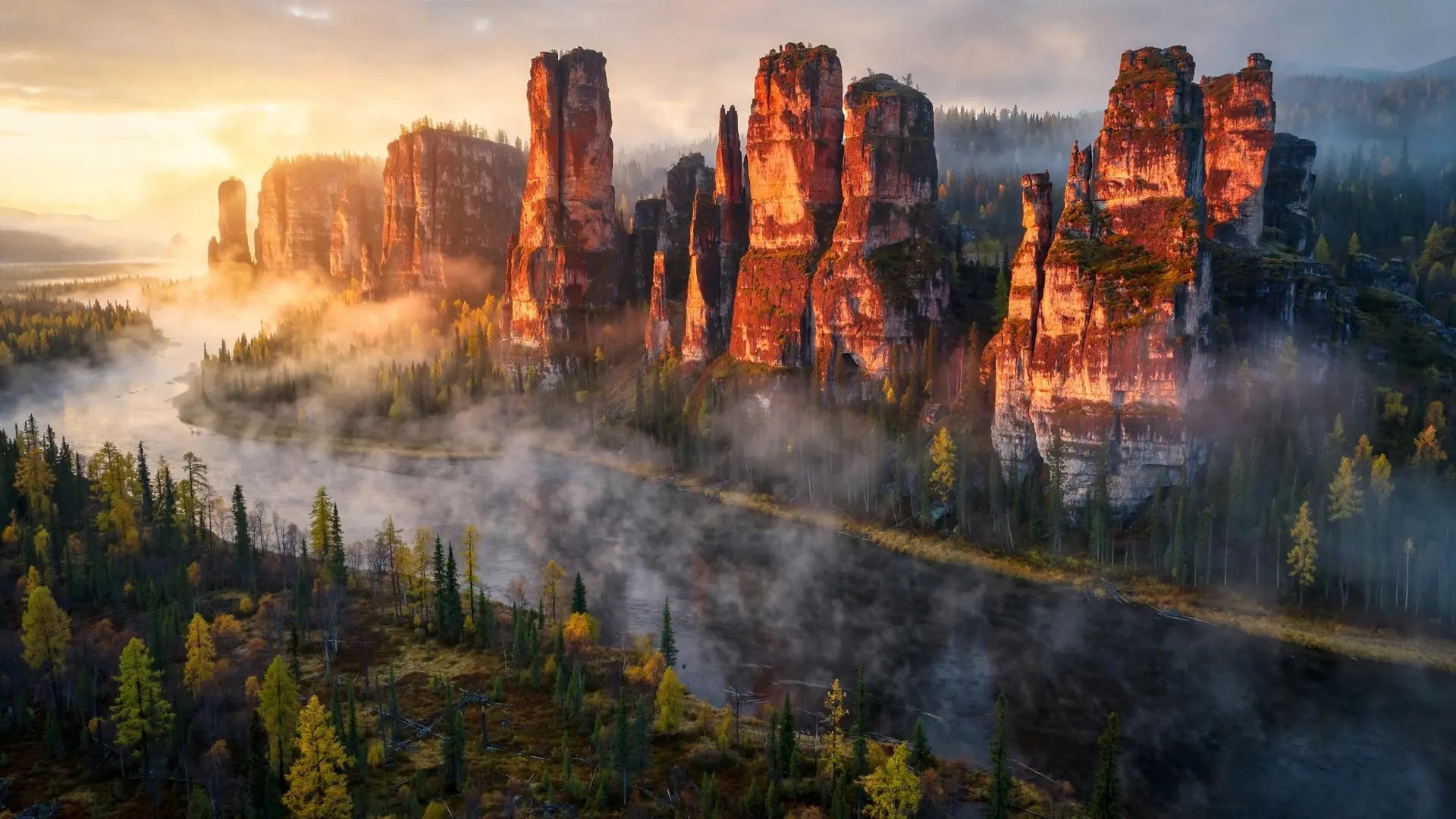 6 min read
Lena Pillars: Siberia's Ancient Stone Cathedrals
Along Siberia's Lena River stand limestone towers up to 300 metres tall, the fossilized remains of a Cambrian reef. Ice, water and eons made them.
Read Article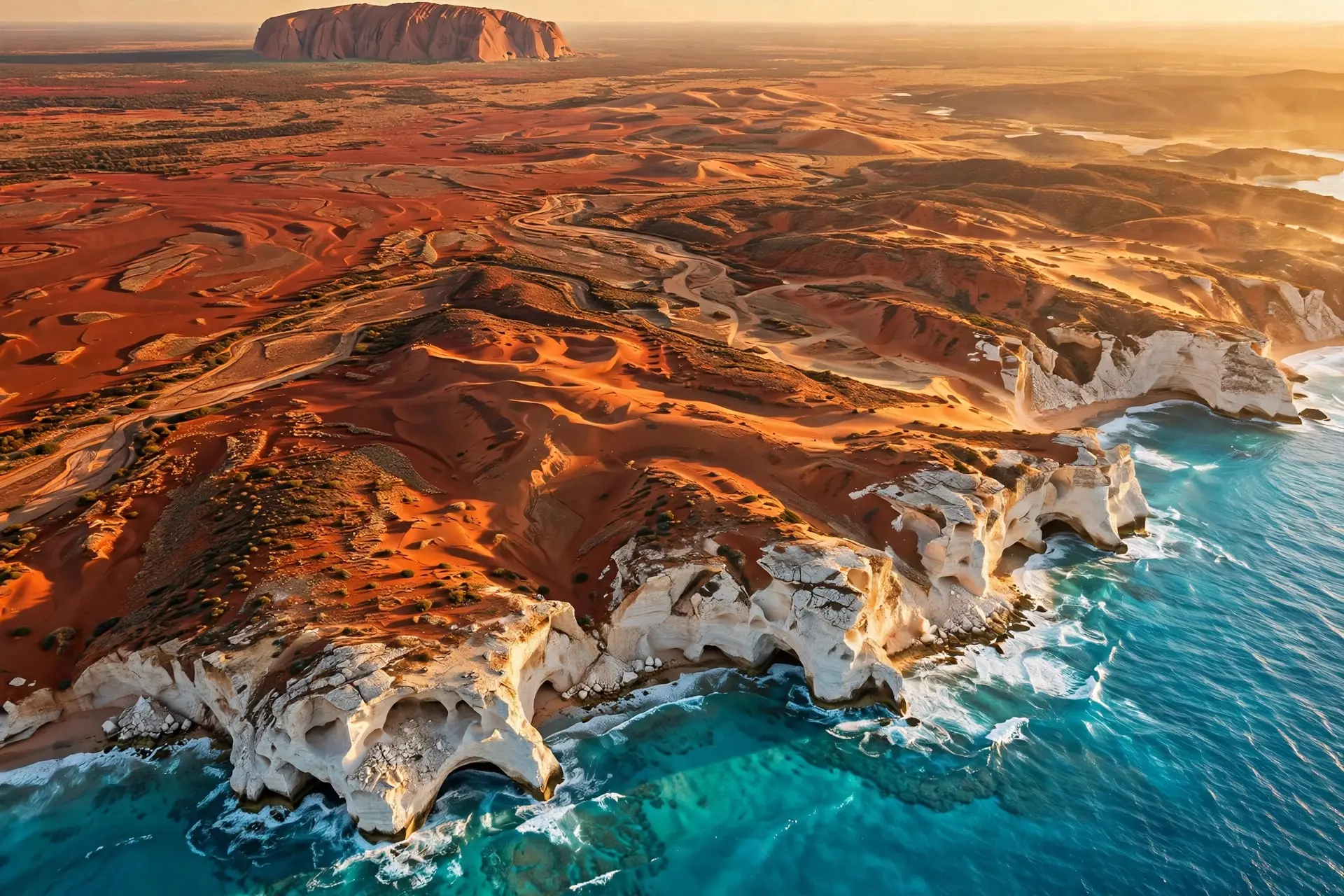 6 min read
Why Australia Is a Country AND a Continent (Not an Island)
Australia is the only landmass that's both a continent and a country. Discover the ice-age supercontinent Sahul — and why it's not counted as an island.
Read Article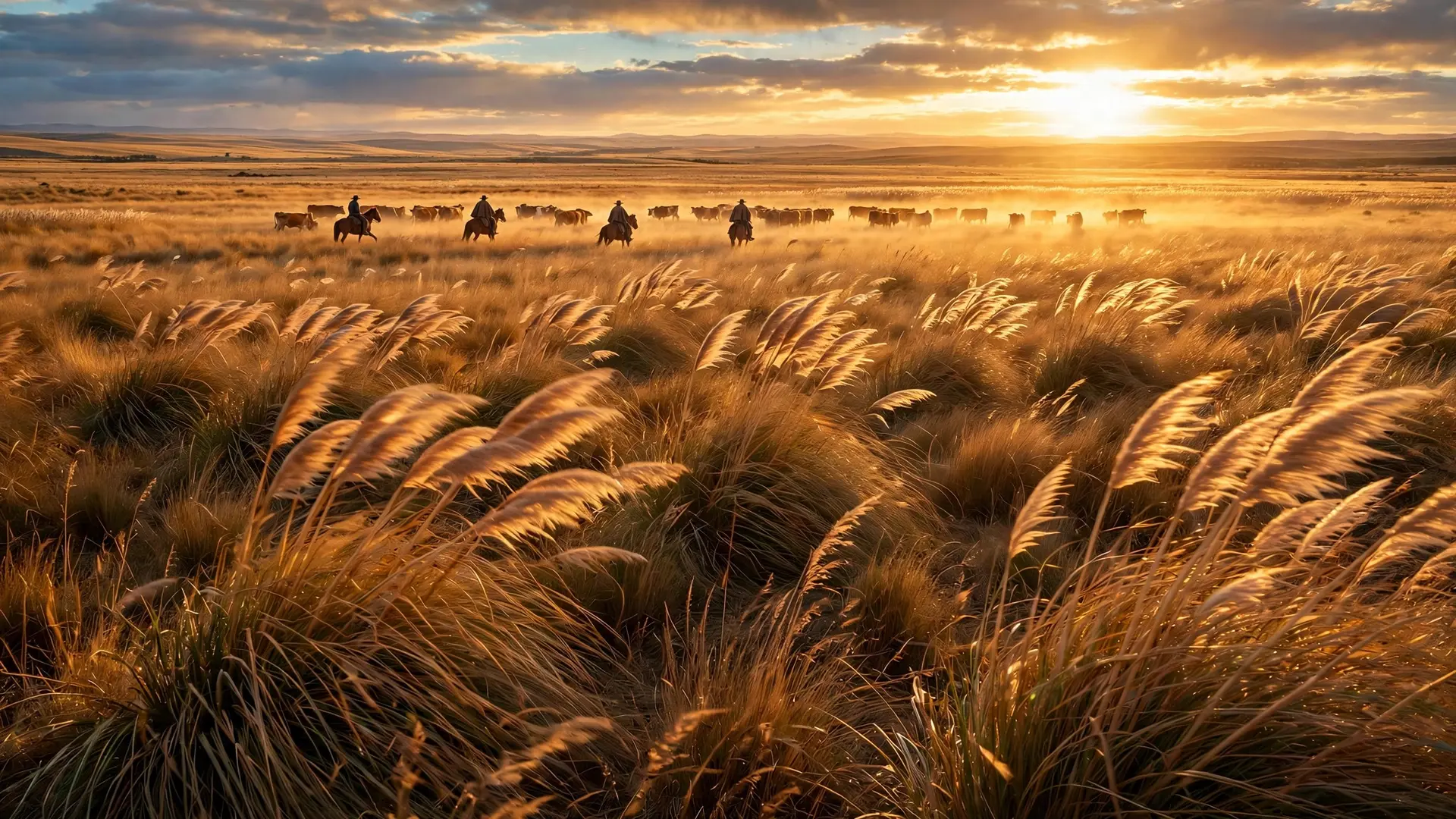 7 min read
Pampas of South America: Inside the World's Breadbasket
The Pampas' dark soils feed the world — Argentina's beef, soy, and wheat. Explore the grassland's fertility, the gaucho, and what's vanishing.
Read Article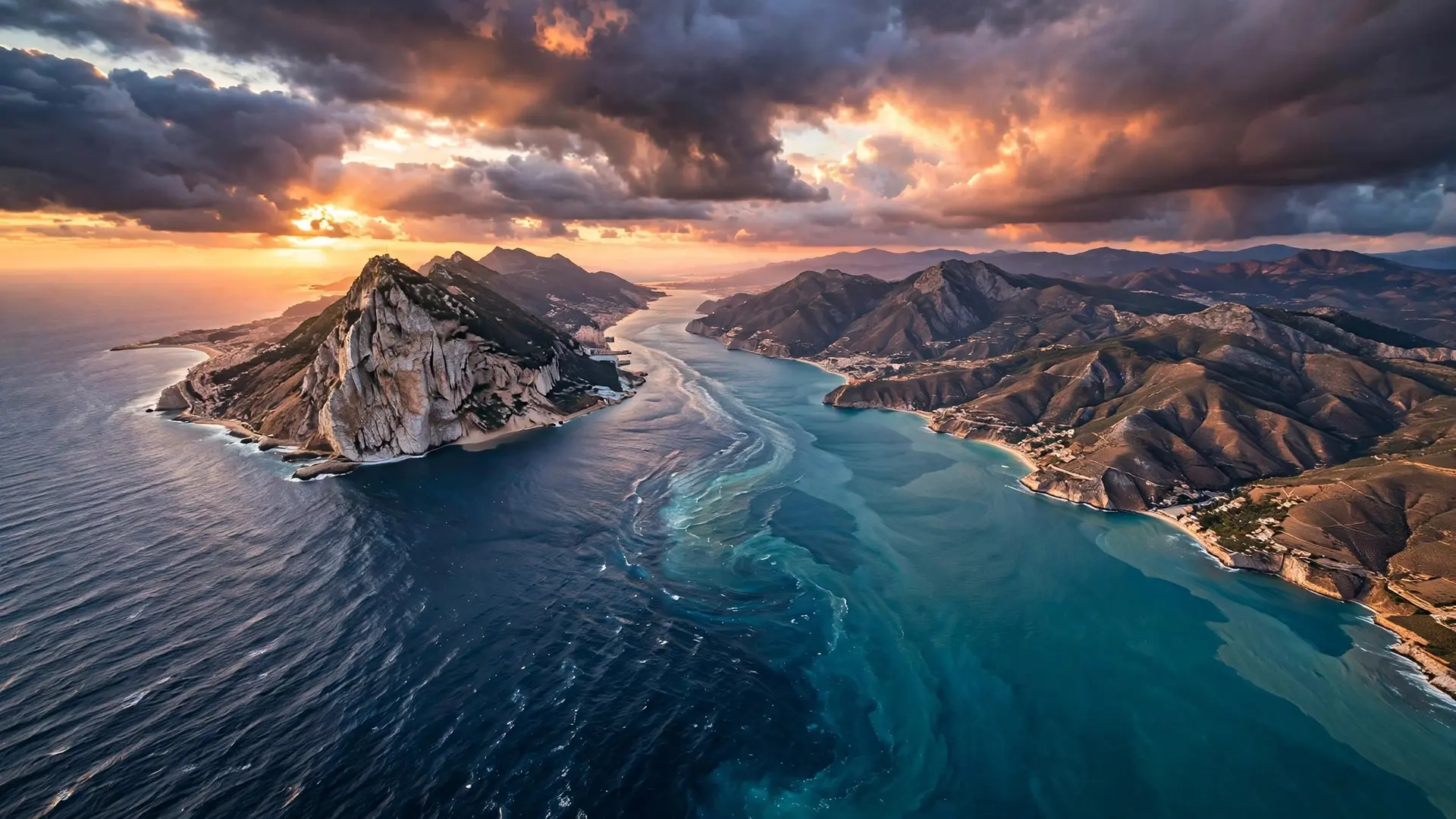 7 min read
The Strait of Gibraltar: Where Two Seas Meet
Fourteen kilometers of water separate two continents — and two seas that flow in opposite directions, one above the other, in the planet's elegant crossing.
Read Article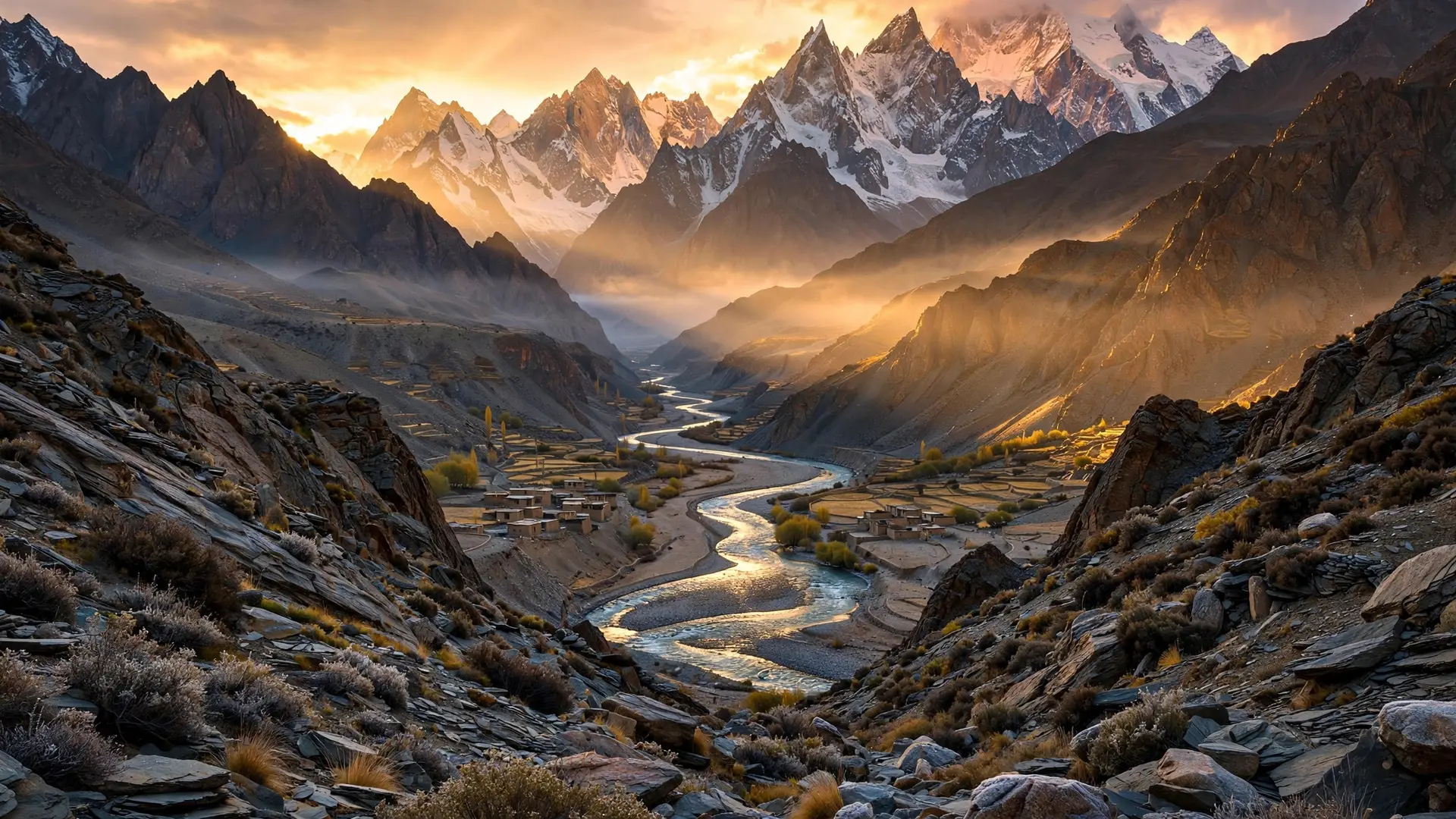 5 min read
The Wakhan Corridor: Afghanistan's Narrow Passage
A 350-kilometer sliver of Afghanistan separates four countries — and it only exists because 19th-century Britain and Russia feared their empires might touch.
Read Article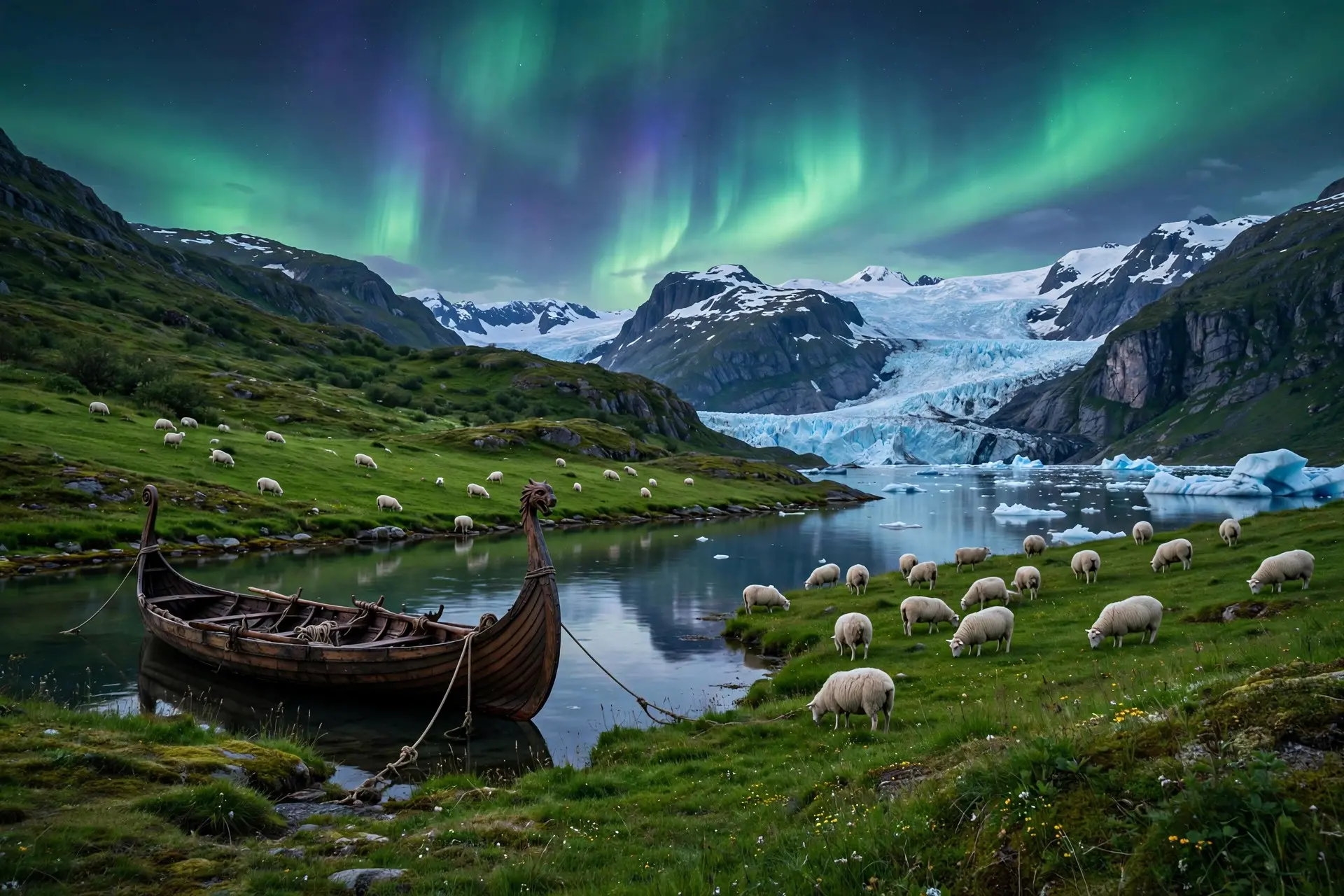 6 min read
Why Is an Ice-Covered Island Named Greenland?
Around 985 AD, the exiled Viking Erik the Red named an ice-buried island 'Greenland' — history's most famous naming pitch, designed to lure settlers west.
Read Article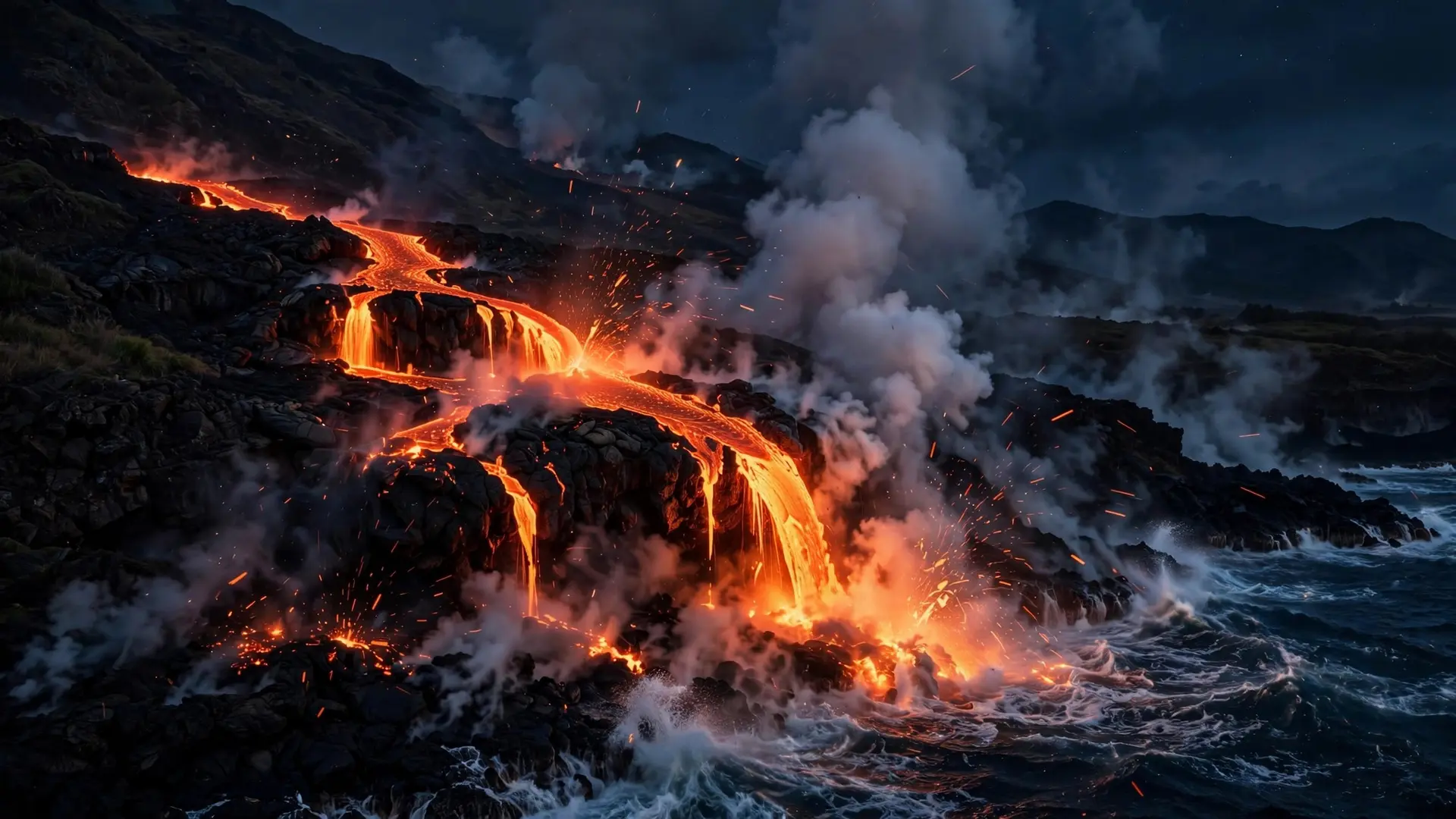 6 min read
How Volcanic Islands Are Born: The Hawaii Story
Hawaii began as bubbles of lava rising from a mantle plume. Trace the hotspot engine, the five stages of an island's life, and the volcanoes growing today.
Read Article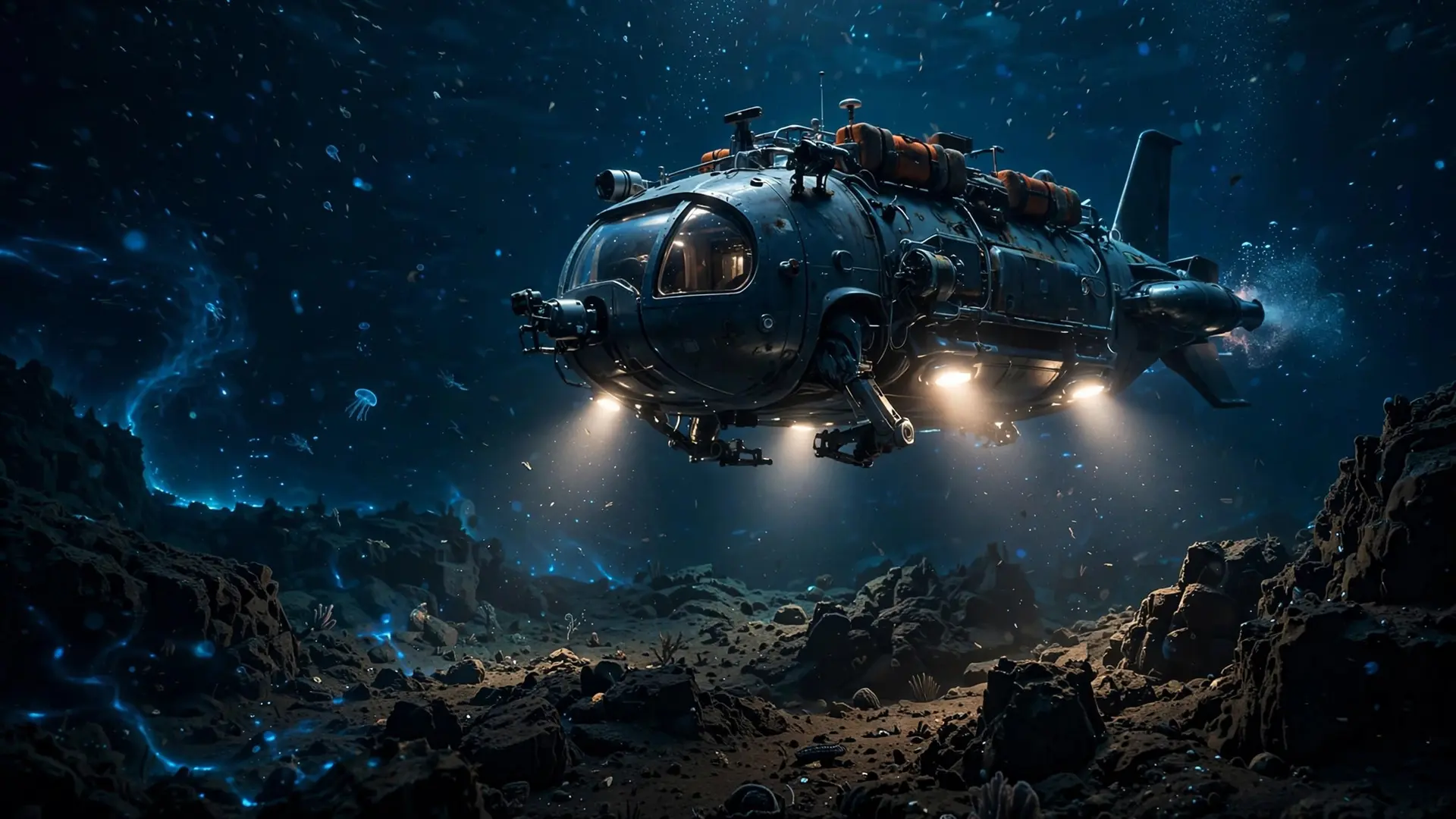 6 min read
The Mariana Trench: Earth's Deepest Frontier
The Mariana Trench plunges nearly 11 kilometers into the Pacific — deeper than Everest is tall. How it formed, its first explorers, and what lives there.
Read Article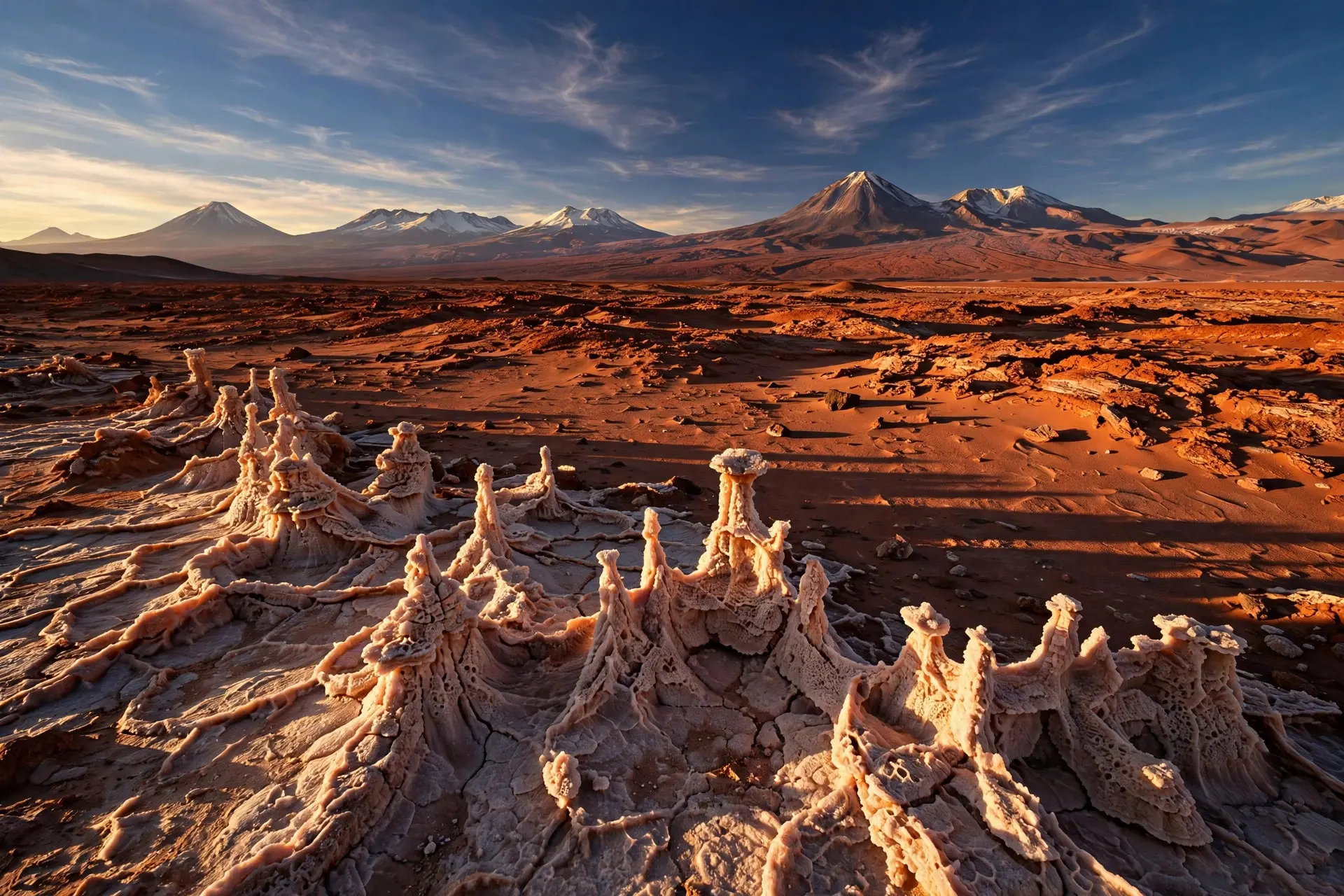 6 min read
The Atacama Desert: The Driest Place on Earth
Some Atacama weather stations have never recorded rain. Discover the double rain shadow, Mars-like soils, and fog nets that keep this hyper-arid desert alive.
Read Article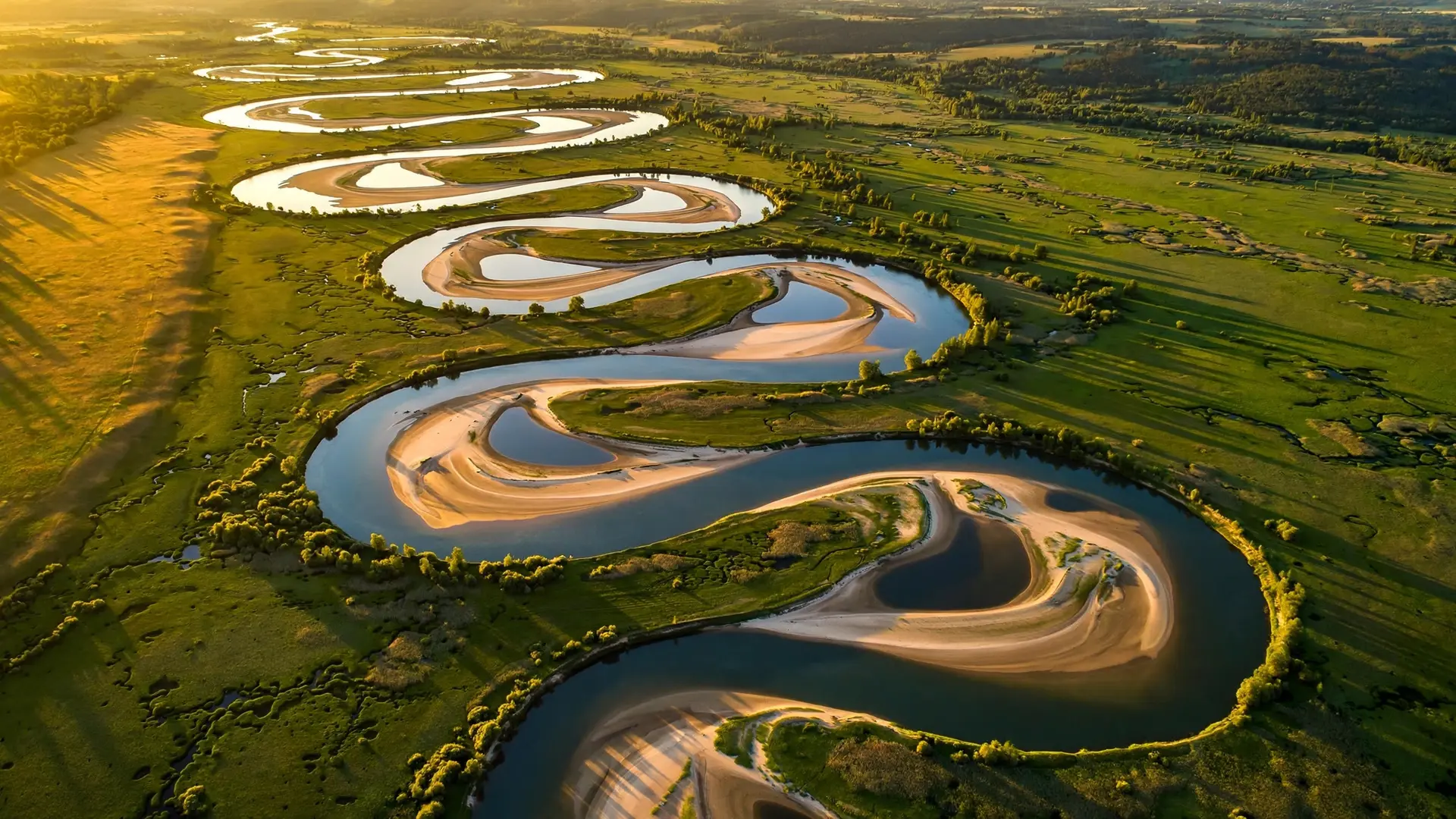 6 min read
Why Rivers Meander Instead of Flowing Straight
Einstein explained river bends with a teacup. Discover the hidden corkscrew currents that carve S-curves into every river — and why no stream can stay straight.
Read Article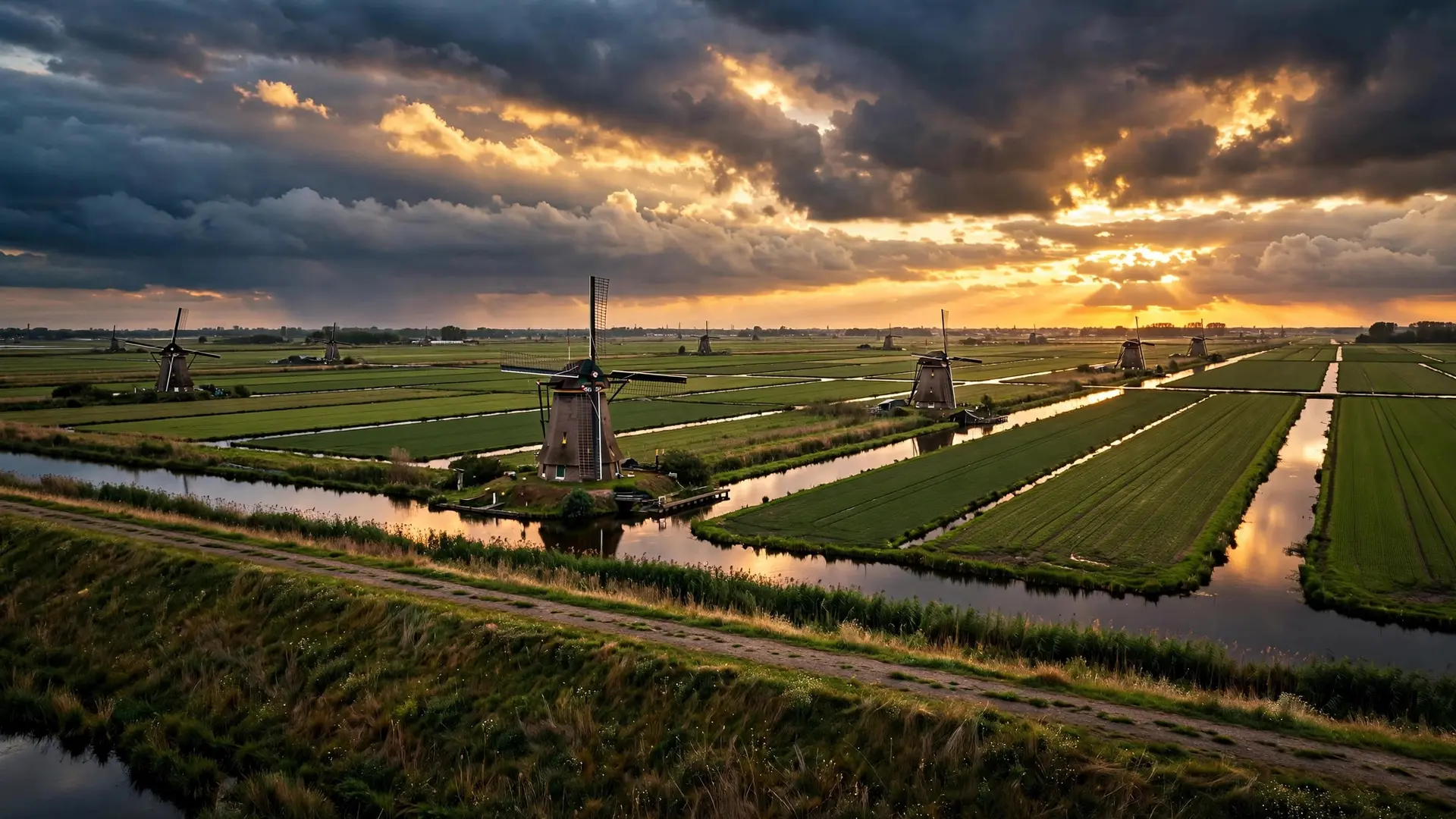 6 min read
How the Netherlands Stole Land From the Sea (And Still Does)
A quarter of the Netherlands sits below sea level. How dikes, polders, and pumps pushed back the North Sea — and why the Dutch can never stop pumping.
Read Article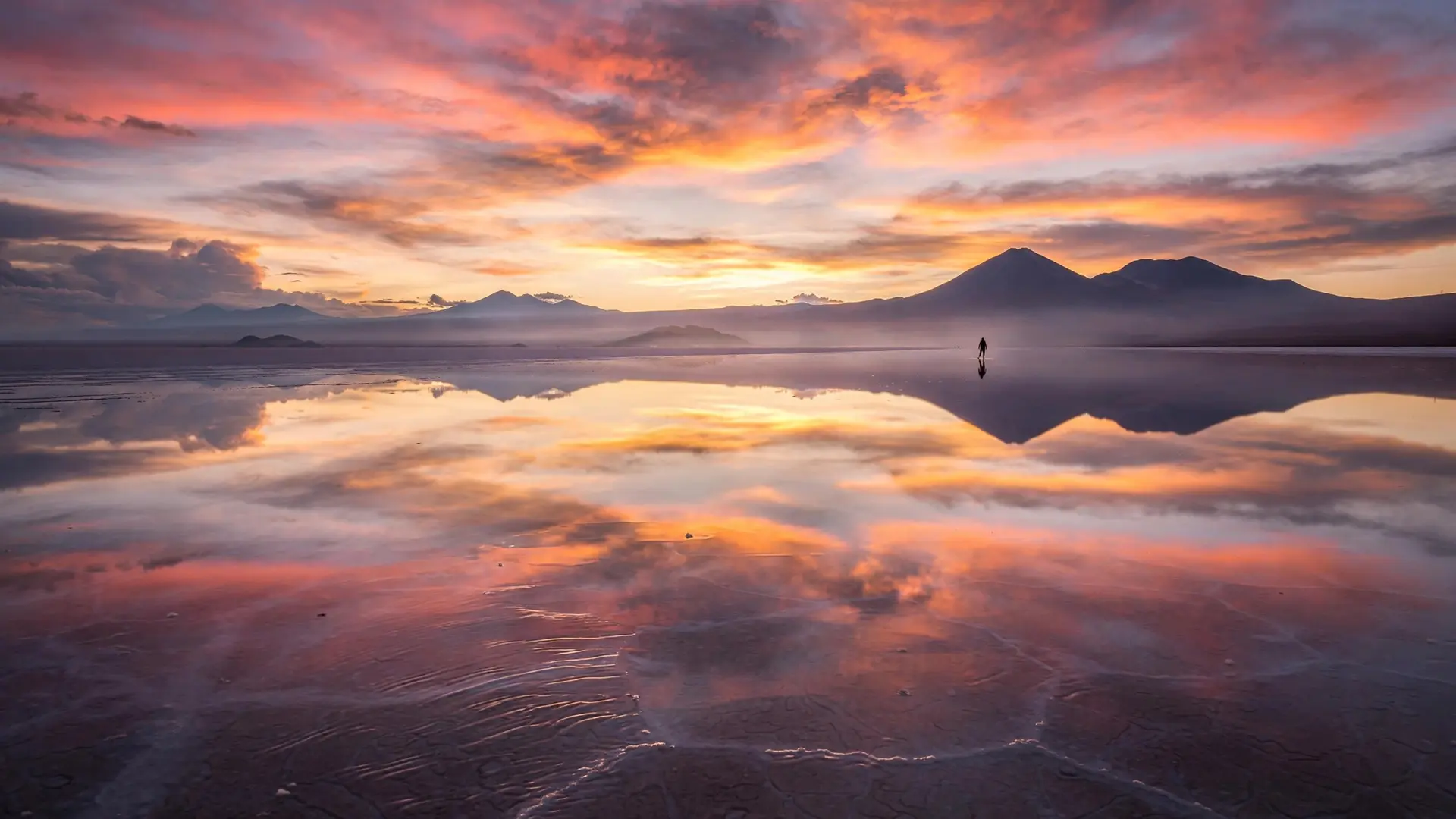 6 min read
Salar de Uyuni: The World's Largest Natural Mirror
Every rainy season, a paper-thin film of water turns Bolivia's 10,582 km² salt flat into a perfect sky mirror — the same floods that make it Earth's flattest.
Read Article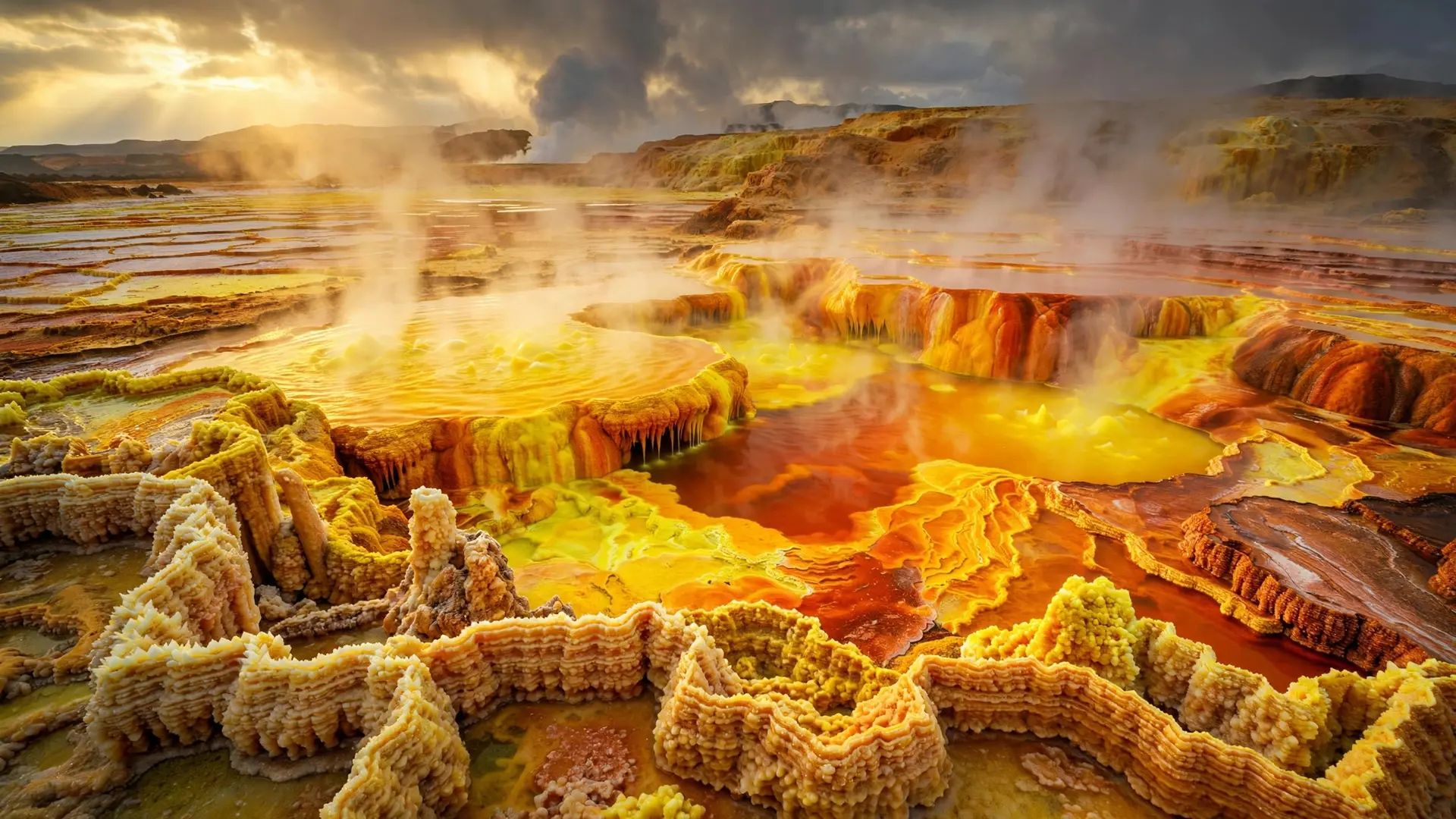 6 min read
The Danakil Depression: Earth's Most Alien Landscape
Ethiopia's Danakil Depression pairs neon acidic hot springs, towering salt formations, and a lava lake — a tectonic furnace more Martian than earthly.
Read Article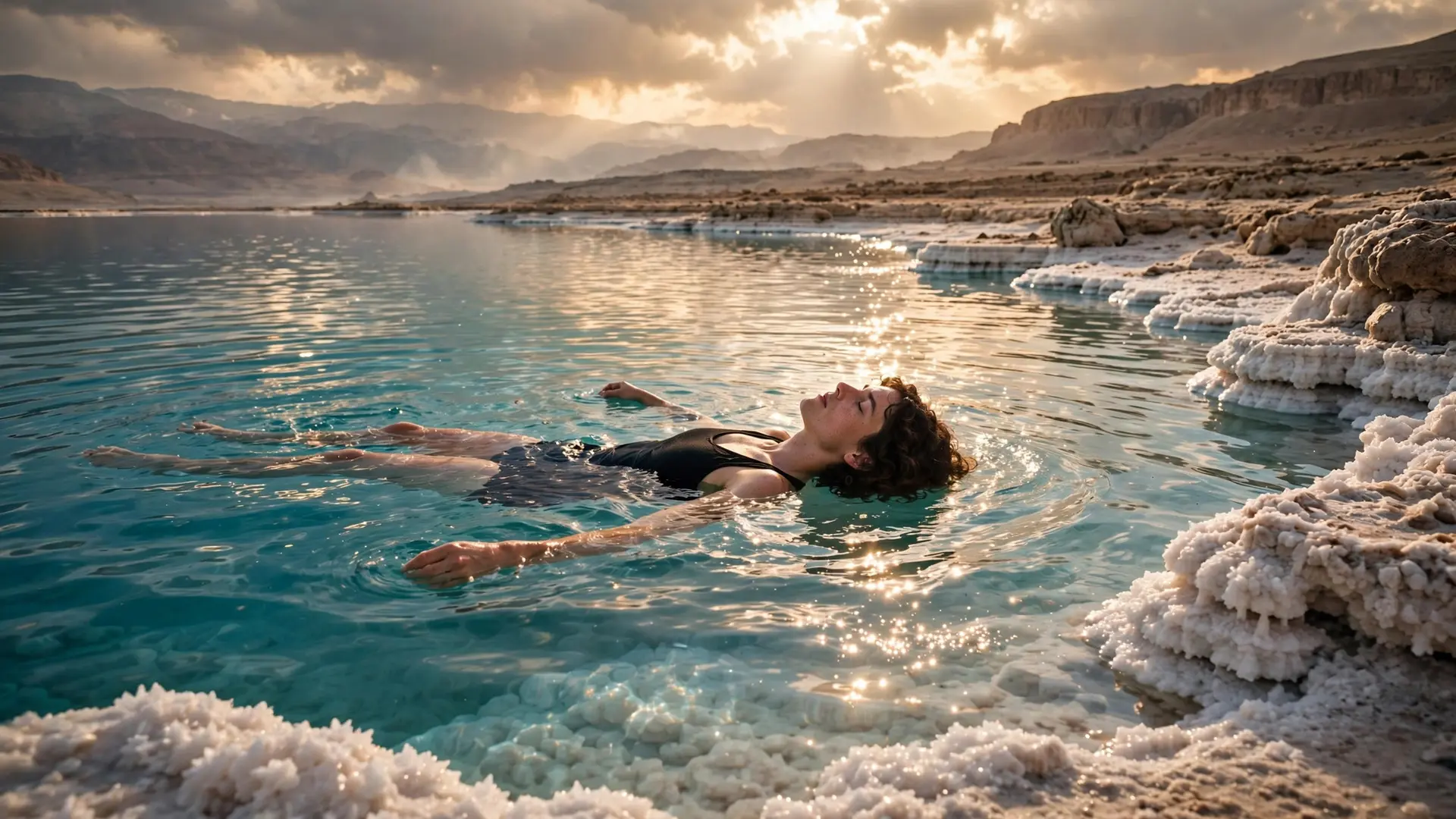 6 min read
Why Is the Dead Sea So Salty? The Science Explained
The Dead Sea is ten times saltier than the ocean because water flows in but never out — evaporation leaves, salt stays, accumulating over millennia.
Read Article 7 min read
The Sahara Was Once Green — Why Did It Become a Desert?
10,000 years ago the Sahara was grassland and lakes. How an orbital climate switch dried it into desert — and why it could turn green again.
Read Article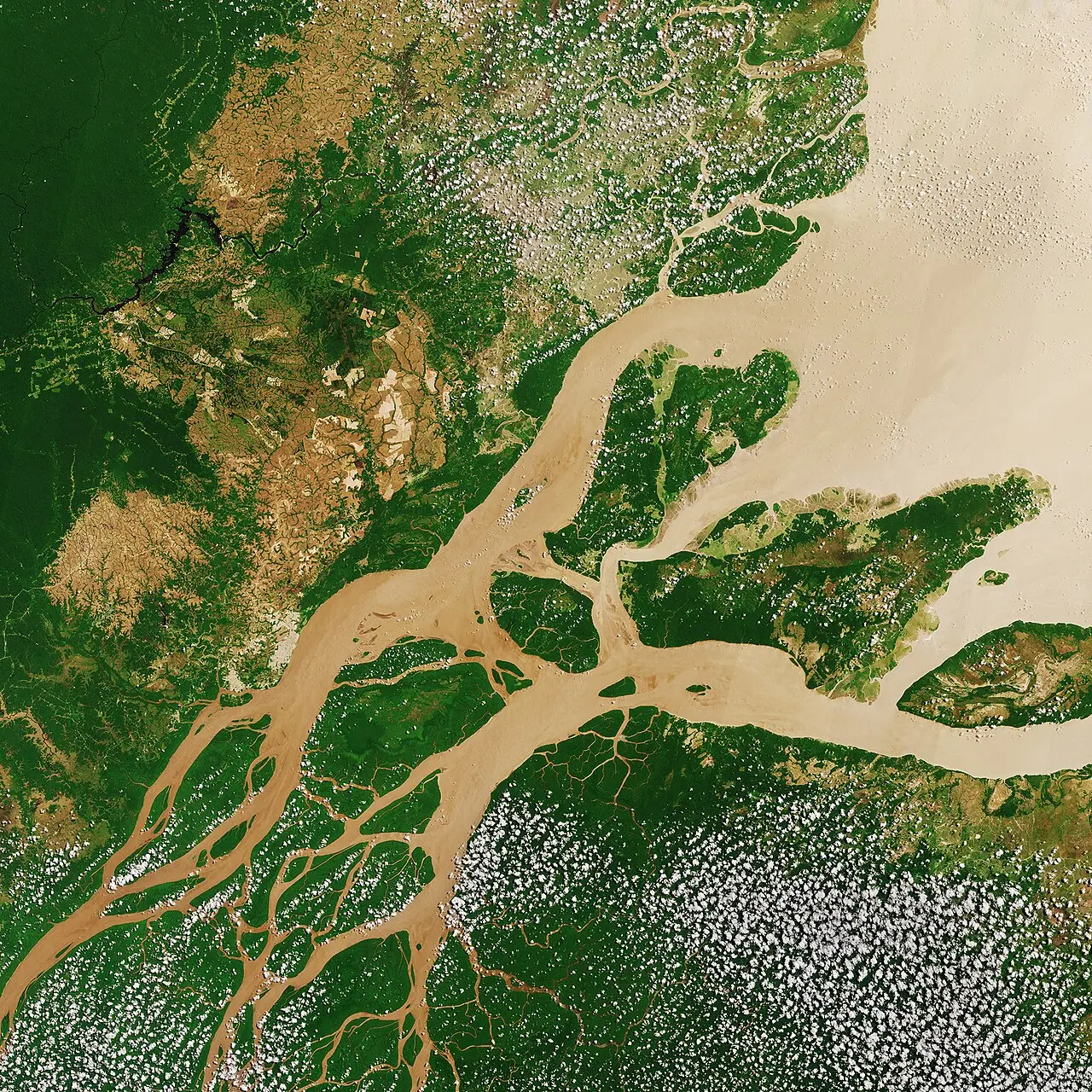 6 min read
The Amazon River: Biggest by Far, but Is It the Longest?
The Amazon carries more water than any other river by far, but whether it beats the Nile for length depends on where you put its source and its mouth.
Read Article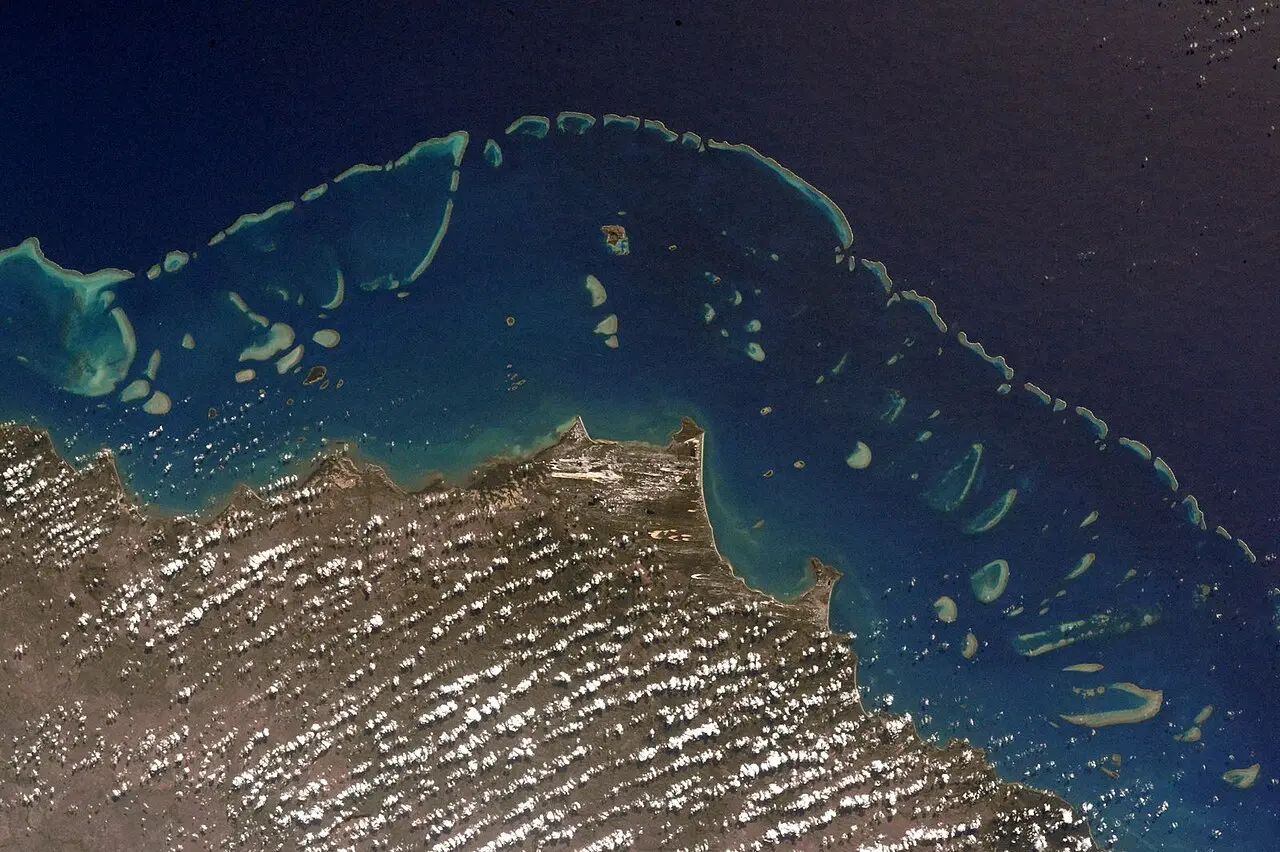 7 min read
Is the Great Barrier Reef Dying? The Bleaching Evidence
The Great Barrier Reef is not dead, but marine heatwaves now bleach it again and again. How coral works, what bleaching does, and what the latest surveys show.
Read Article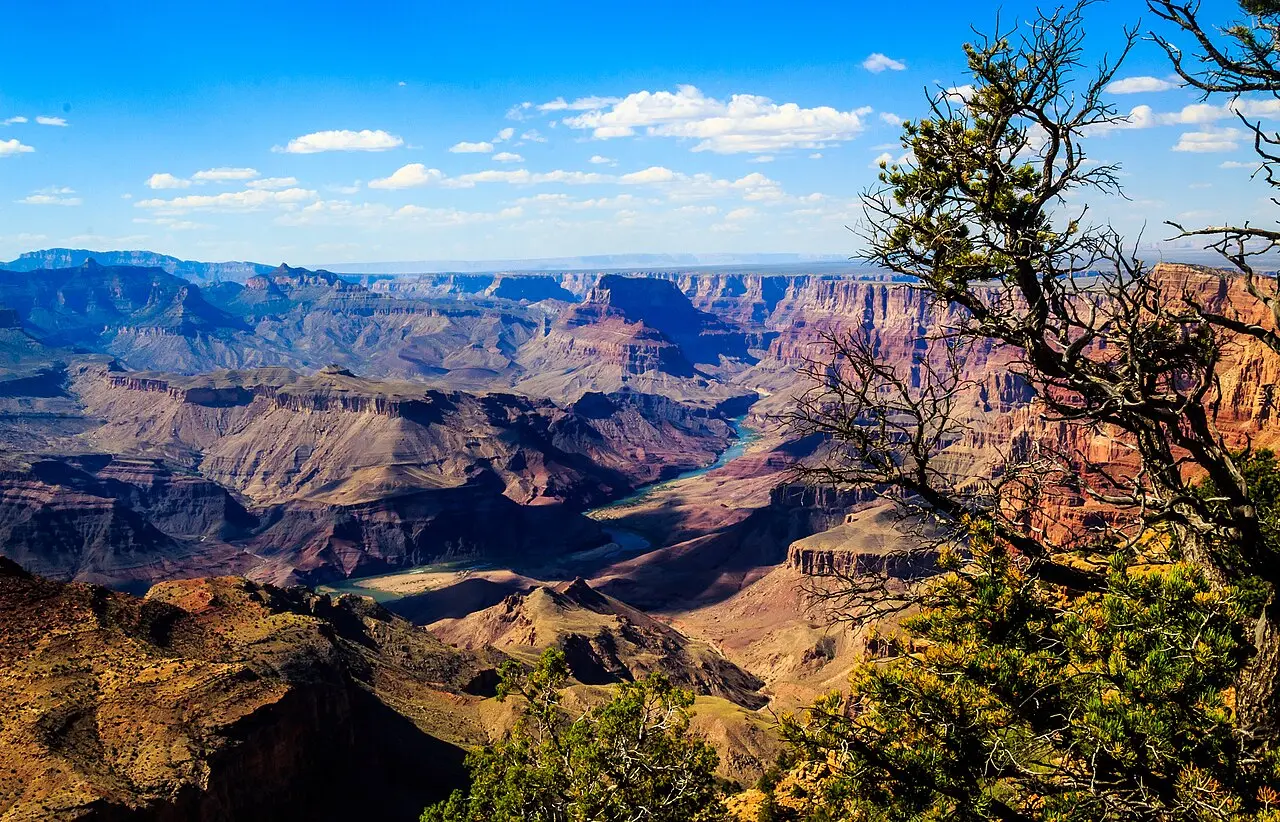 7 min read
How Old Is the Grand Canyon? Ancient Rocks, Young Gorge
The Grand Canyon's oldest rocks are about 1.8 billion years old, but the gorge itself is mostly 5 to 6 million years young. Here is how geologists know both.
Read Article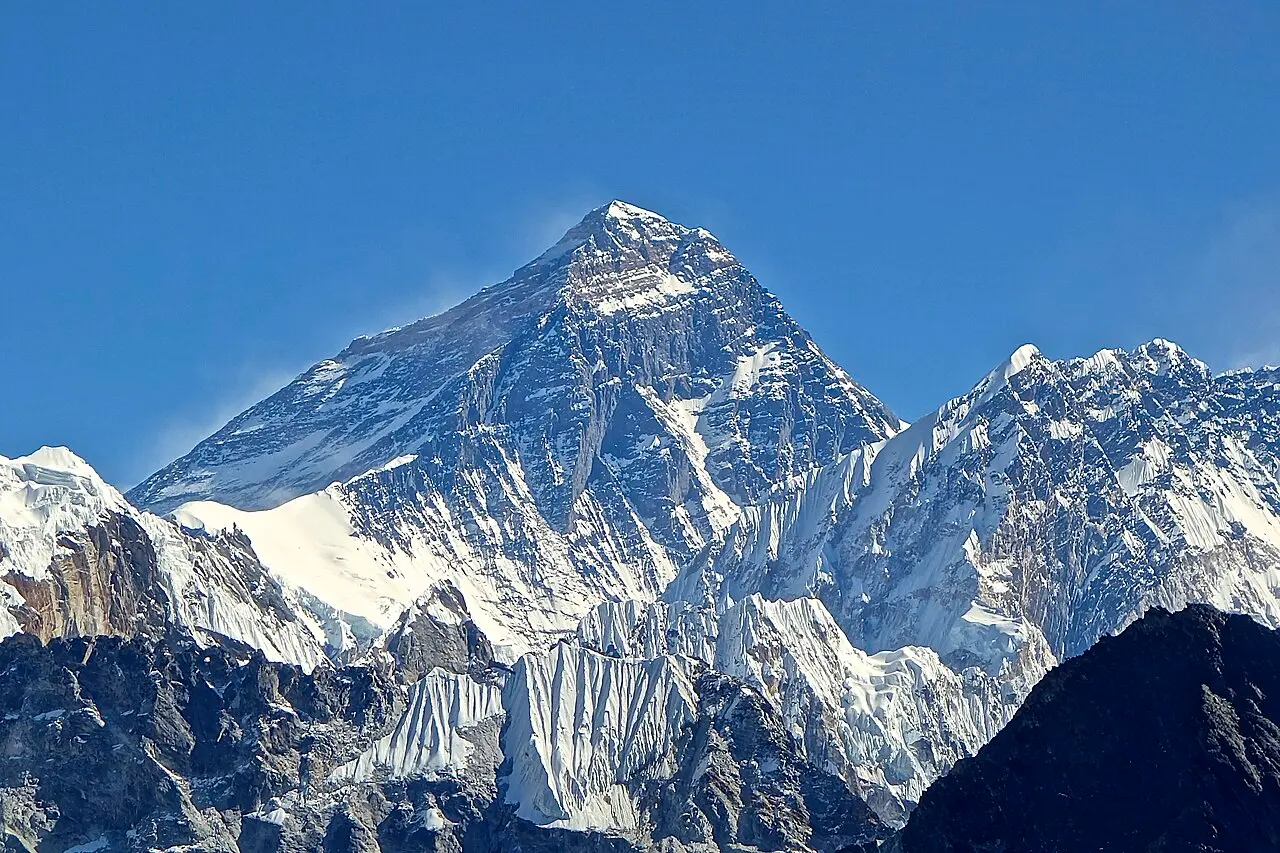 7 min read
How Tall Is Mount Everest? Why the Number Keeps Changing
Everest stands 8,848.86 meters tall by the latest official survey. Here is how 170 years of measurement reached that figure, and why it keeps moving.
Read Article