Is the Great Barrier Reef Dying? The Bleaching Evidence
The Great Barrier Reef is not dead, but marine heatwaves now bleach it again and again. How coral works, what bleaching does, and what the latest surveys show.
Key takeaways
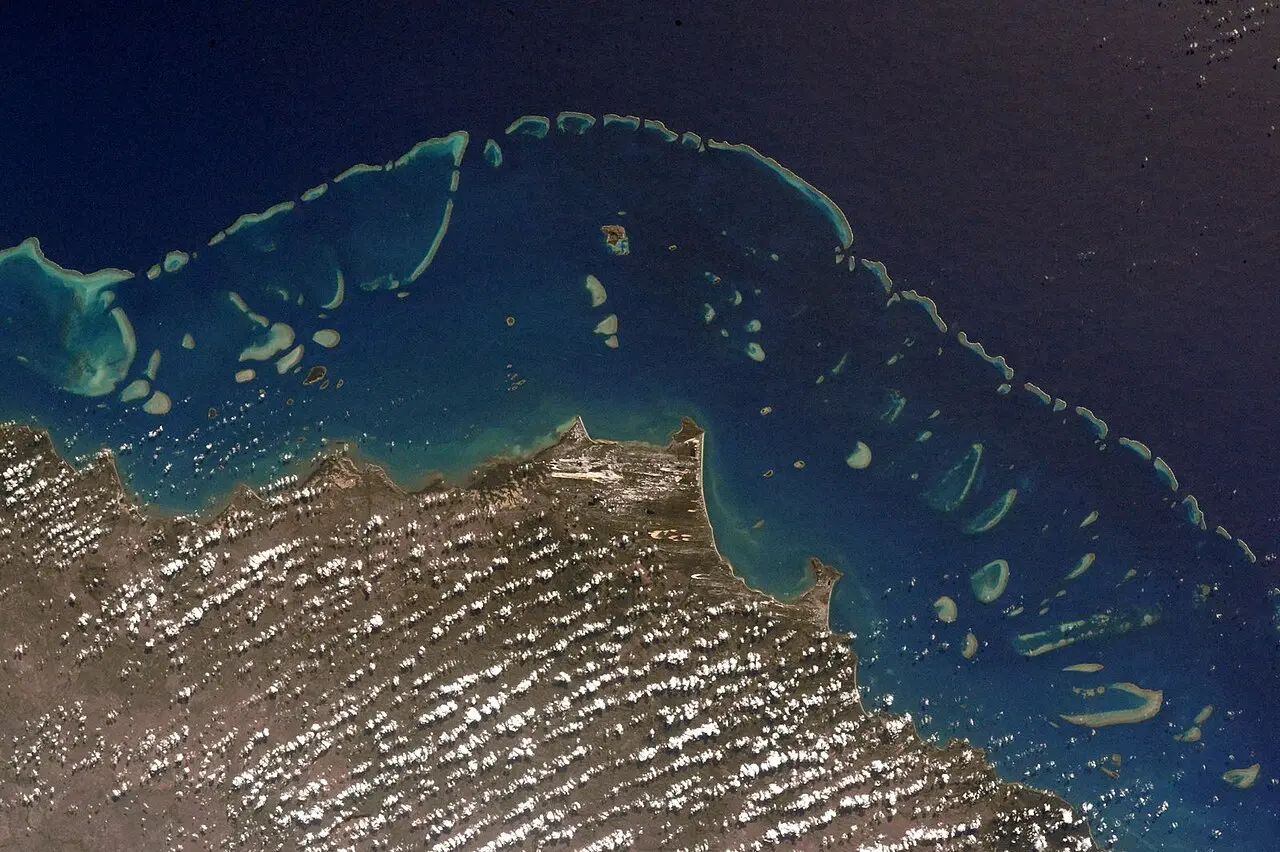
- The Great Barrier Reef stretches more than 2,300 km and holds nearly 3,000 reefs across about 344,000 square kilometers. It was World Heritage listed in 1981.
- Corals depend on algae living in their tissues for food. In prolonged heat they expel the algae and turn white; bleached coral is not dead, but it can starve or fall to disease.
- Mass bleaching struck the reef in 1998, 2002, 2016, 2017, 2020, 2022, 2024 and 2025. The 2024 event was part of the fourth global bleaching event on record.
- AIMS reported in August 2025 that coral cover fell from 39.8% to 30.0% in the north and from 38.9% to 26.9% in the south, the largest annual drops on record.
- Between 1985 and 2012, cyclones and crown-of-thorns starfish caused most coral loss on the reef; recent losses have been driven mainly by heat stress.
The Great Barrier Reef is not dying in one sudden collapse, but repeated marine heatwaves are reshaping it. Mass coral bleaching struck in 1998 and 2002, then in 2016, 2017, 2020, 2022, 2024 and 2025, and in August 2025 the Australian Institute of Marine Science (AIMS) reported the largest single-year falls in coral cover in its 39 years of monitoring in two of the reef's three regions. The reef still recovers between disasters. What scientists now ask is whether recovery can keep up as the gaps between heatwaves shrink.
How does a coral reef work?
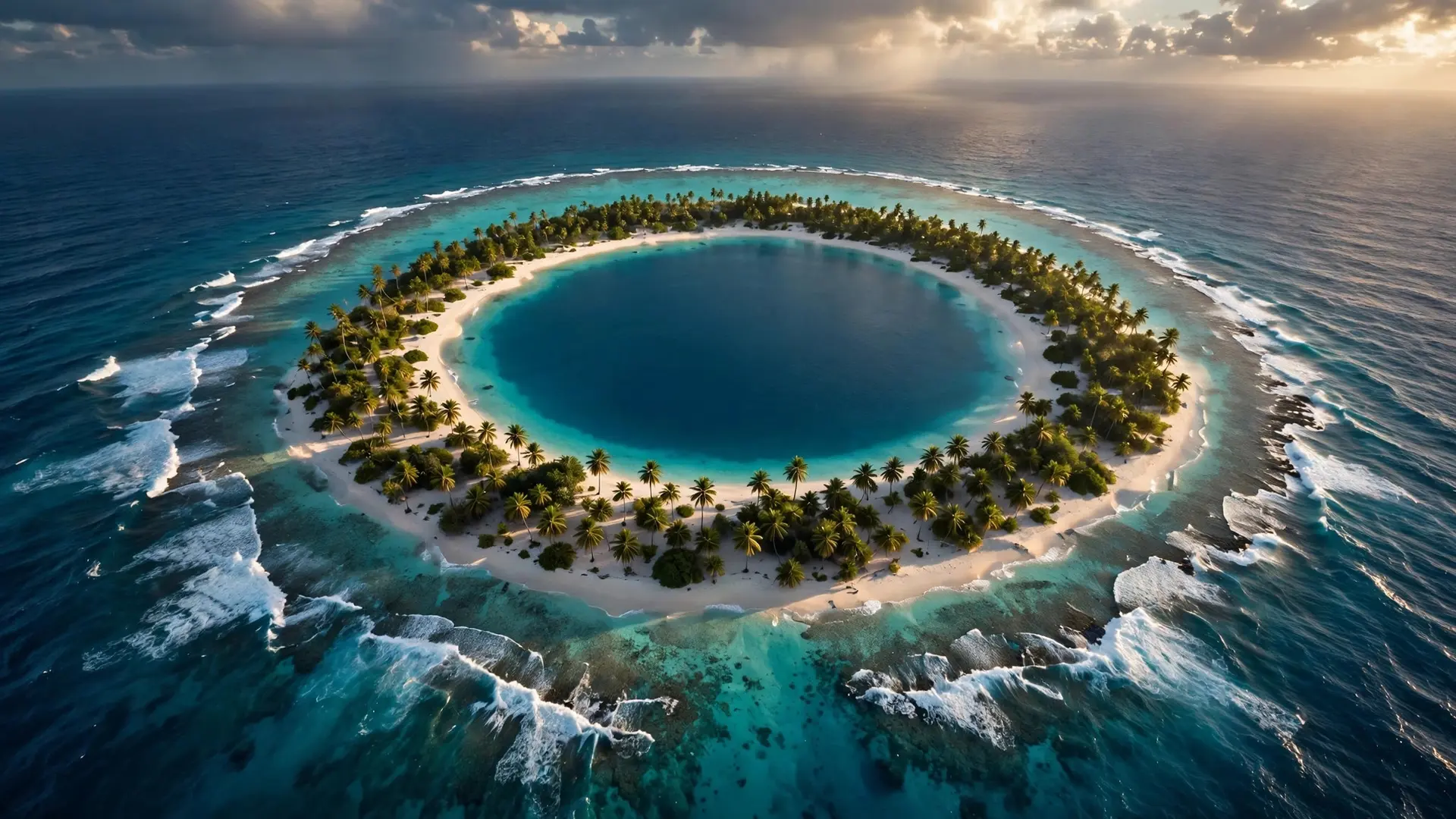
A reef is built by animals that farm. Each coral is a colony of small polyps, and inside their tissues live microscopic algae called zooxanthellae. The algae photosynthesize and pass on what they make, supplying sugars and the raw materials for proteins; NOAA notes that as much as 90 percent of the organic material they produce can go to the coral. In return, the coral gives the algae a sheltered home and the carbon dioxide they need. The coral uses that energy to grow and to lay down a skeleton of calcium carbonate, and over thousands of years those skeletons pile up into reefs, which can even outlast the land they grew on, as the coral rings around sinking volcanic islands show. The algae also give corals their color. On the Great Barrier Reef this partnership works on a colossal scale. The system runs for more than 2,300 kilometers off Queensland and holds close to 3,000 separate reefs scattered across about 344,000 square kilometers, an area large enough to be picked out from space. It is home to more than 9,000 known species, and coral reefs in general are some of the most crowded, colorful habitats in the sea, the kind of place that shaped the extraordinary eyes of the mantis shrimp. Australia passed a law creating the Great Barrier Reef Marine Park in 1975, partly to stop oil drilling, and UNESCO added the reef to its World Heritage List in 1981.
What happens to coral in a heatwave?
The partnership is fragile in hot water. When the sea stays too warm for too long, corals expel their algae and turn white, which is what bleaching means. A bleached coral is not dead, NOAA stresses, but it has lost its main source of food. If the heat eases soon enough, it can recover. If the stress drags on, the coral can starve or succumb to disease.
Scientists track the danger with a measure called degree heating weeks, which NOAA's Coral Reef Watch calculates by adding up heat stress over the previous 12 weeks. At 4 degree heating weeks, bleaching becomes a risk. At 8, reef-wide bleaching with deaths among heat-sensitive corals is likely; at 12, many species start dying; at 20, near-complete mortality is likely. Damage can begin earlier. After the record heatwave of 2016, corals started dying almost at once on reefs that had built up only 3 to 4 degree heating weeks. Heat is not the whole story. A 2026 study of reef weather found that bleaching years had more calm, clear days in the hottest months and fewer strong trade winds at the start and end of the season; its lead author, Lara Richards, called the trade winds "nature's air conditioner" for the reef. Disease can follow bleaching, too. At One Tree Reef in the south, University of Sydney researchers tagged 112 colonies of Goniopora coral during the 2024 heatwave. By October that year about three-quarters had died, as black band disease, a bacterial infection rarely seen on the reef, spread through the weakened colonies.
How often has the reef bleached, and how much has it lost?
For most of the late 20th century, heat was a minor player. A 2012 analysis of surveys from 214 reefs found that coral cover fell from 28.0 percent to 13.8 percent between 1985 and 2012, and attributed 48 percent of the losses to tropical cyclones, 42 percent to the coral-eating crown-of-thorns starfish and only 10 percent to bleaching. That balance has since tipped. After the mass bleaching of 1998 and 2002, the 2016 event was unprecedented, and a 2017 study in Nature found that cleaner water and lighter fishing pressure did little to shield reefs from it. Local protection, the authors concluded, "affords little or no resistance to extreme heat". Fast-growing staghorn and table corals died in huge numbers, and a follow-up study, which counted 3,863 reefs in the system, found that the heatwave had reshaped the physical structure and ecology of 29 percent of them. More mass bleaching followed in 2017, 2020 and 2022. The 2024 event was the seventh since 1998 and part of the fourth global bleaching event on record, which, by the count of NOAA's Coral Reef Watch, exposed about 84 percent of the world's reef area to bleaching-level heat stress before it likely ended in mid-2025. It was also the first time AIMS had seen substantial bleaching damage in the reef's southern region. Then 2025 brought mass bleaching again, and for the second time in ten years the reef bleached two summers running.
Is the Great Barrier Reef recovering?
It does recover, and that is part of what makes the picture confusing. In the years after the back-to-back bleaching of 2016 and 2017, coral cover climbed until, by 2024, it was the highest AIMS had recorded in 39 years of surveys. Then came the 2024 heatwave, two cyclones and outbreaks of crown-of-thorns starfish. In the survey of 124 reefs reported in August 2025, hard coral cover fell from 39.8 to 30.0 percent in the northern region, from 33.2 to 28.6 percent in the central region and from 38.9 to 26.9 percent in the south. Two of those three drops were the largest annual declines on record. "This year's record losses in hard coral cover came off a high base," said Mike Emslie, who leads the AIMS long-term monitoring program. Reefs dominated by Acropora, the branching and table corals that can regrow quickly, were among the hardest hit, because they are also especially sensitive to heat, cyclones and starfish. That is why AIMS describes an increasingly volatile reef, one that swings from boom to bust within a few years. The worry is that heatwaves are now arriving faster than corals can reliably rebuild. The latest survey brought some relief. In August 2026 AIMS reported that late-summer monsoon weather had brought cloud and cooler water, probably limiting bleaching, and that coral cover had risen to 35.1 percent in the north, edged up to 31.6 percent in the central region and held roughly steady at 26.4 percent in the south. Management helps where it can. A 2025 modeling study found that crown-of-thorns outbreaks are consistently less frequent in protected zones, and credited the 2004 expansion of no-take areas to a third of the marine park with heading off far worse outbreaks. A dedicated control program also culls starfish on more than 200 priority reefs each year. But nothing local can cool the ocean. The reef's official status has been contested as well. UNESCO's World Heritage Committee considered listing it as "in danger" in 2021 but gave Australia more time after intense lobbying. In 2022 a UNESCO and IUCN monitoring mission recommended the listing, and in 2023 UNESCO's experts advised giving Australia more time to deliver on its promises. In 2024 Tanya Plibersek, then Australia's environment minister, called climate change the biggest threat to coral reefs worldwide. At its 2024, 2025 and 2026 meetings the committee again kept the reef off the list, most recently commending Australia's efforts while asking for further reports by 2028 and 2029. So is the Great Barrier Reef dying? Not yet, and not evenly: it is a system of thousands of reefs that still rebound when given the chance. What has changed is the rhythm. Mass bleaching struck twice in the two decades before 2016 and six times from 2016 to 2025, so corals that need calm years to regrow keep getting interrupted. The reef's future depends less on any single survey than on how often the ocean overheats in the decades ahead.
Frequently asked questions
Is the Great Barrier Reef dying?
Not in a single collapse. It still recovers between disturbances, but mass bleaching has struck six times since 2016, and in 2025 AIMS recorded the largest annual coral losses on record in two of its three regions.
What is coral bleaching?
Bleaching happens when heat-stressed corals expel the microscopic algae that live in their tissues and supply most of their food. The coral turns white; it is not dead, but it may die if the heat lasts.
How many times has the Great Barrier Reef bleached?
Mass bleaching has been recorded in 1998, 2002, 2016, 2017, 2020, 2022, 2024 and 2025, with 2024 and 2025 the second pair of back-to-back events in a decade.
Can the Great Barrier Reef recover?
Yes, given time. Coral cover reached the highest levels in 39 years of AIMS monitoring by 2024, before that year's heatwave, cyclones and starfish outbreaks cut it sharply. AIMS's August 2026 survey found the start of a recovery.
Sources
- Great Barrier Reef more volatile with sharp declines in coral cover, Australian Institute of Marine Science
- Annual Summary Report of Coral Reef Condition 2025/26, Australian Institute of Marine Science
- Doldrum days: New study reveals calm seas are a driver of coral bleaching, Monash University
- Corals Tutorial: What is Zooxanthellae?, NOAA National Ocean Service
- NOAA Coral Reef Watch Daily 5km Degree Heating Week Product, NOAA Coral Reef Watch
- Decision 48 COM 7B.69, UNESCO World Heritage Centre