
The Archives
397 enduring inquiries, newest first. Browse by topic or explore chronologically.
Page 10 of 17
 curiosities6 min read
Why Do Watch Ads Always Set the Time to 10:10?
Why does every watch ad show 10:10? A century-old convention: the hands frame the brand logo, keep the dial clear, and make the watch face look like a smile.
Read Article geography6 min read
Why Is Lake Baikal the World's Deepest Lake?
Lake Baikal plunges 1,642 meters because it sits in an active rift zone that keeps deepening. Discover its geology, age, vast water, and unique wildlife.
Read Article history7 min read
Hannibal's Impossible Crossing of the Alps
In 218 BC Hannibal Barca led 37 war elephants and tens of thousands of troops over the Alps into Italy, sidestepping Rome's navy in a legendary campaign.
Read Article geography6 min read
How Coral Atolls Form: Darwin's Sinking-Island Theory
A coral atoll is the ghost of a volcano: the island sinks, the reef keeps growing upward, and a ring of coral is left behind. Darwin worked it out in 1842.
Read Article technology7 min read
How Neural Networks Learn: The Basics Explained
Neural networks learn by nudging millions of tiny weights to shrink their mistakes. Here is how backpropagation and gradient descent turn error into skill.
Read Article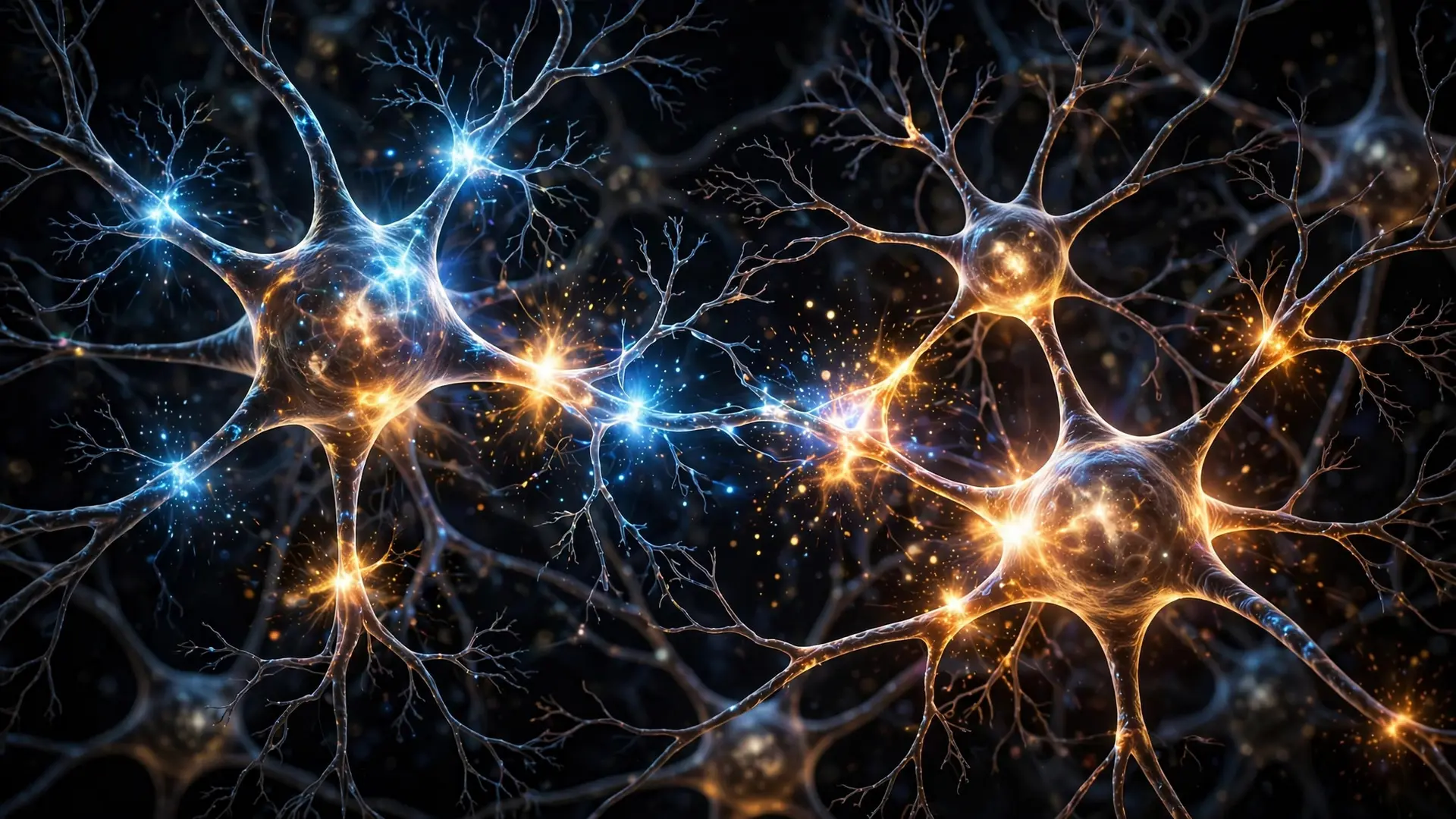 science6 min read
How Neurons Talk: The Chemistry of Thought
Your 86 billion neurons never touch. Every thought you have crosses the gap between them as chemistry — here's how a spark becomes a signal.
Read Article technology6 min read
How Solar Panels Turn Sunlight Into Electricity
Sunlight knocks electrons loose inside silicon, and an electric field herds them into a current. The solar panel is the story of taming that trick.
Read Article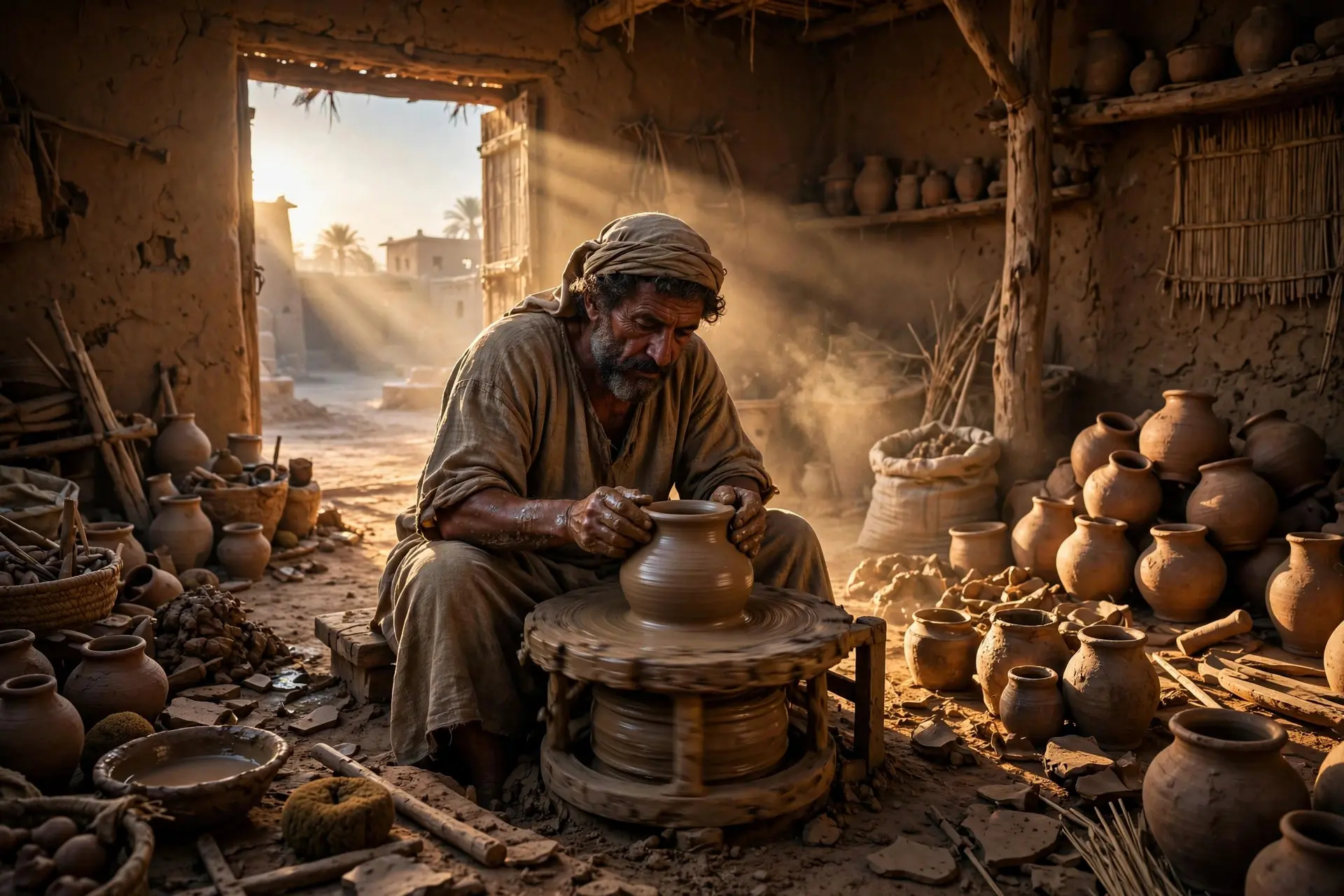 discoveries6 min read
How the Wheel Was Really Invented: Beyond the Myth
The potter's wheel came centuries before carts. Archaeology reveals the wheel's real story: infrastructure, axles, and the slow march of transport innovation.
Read Article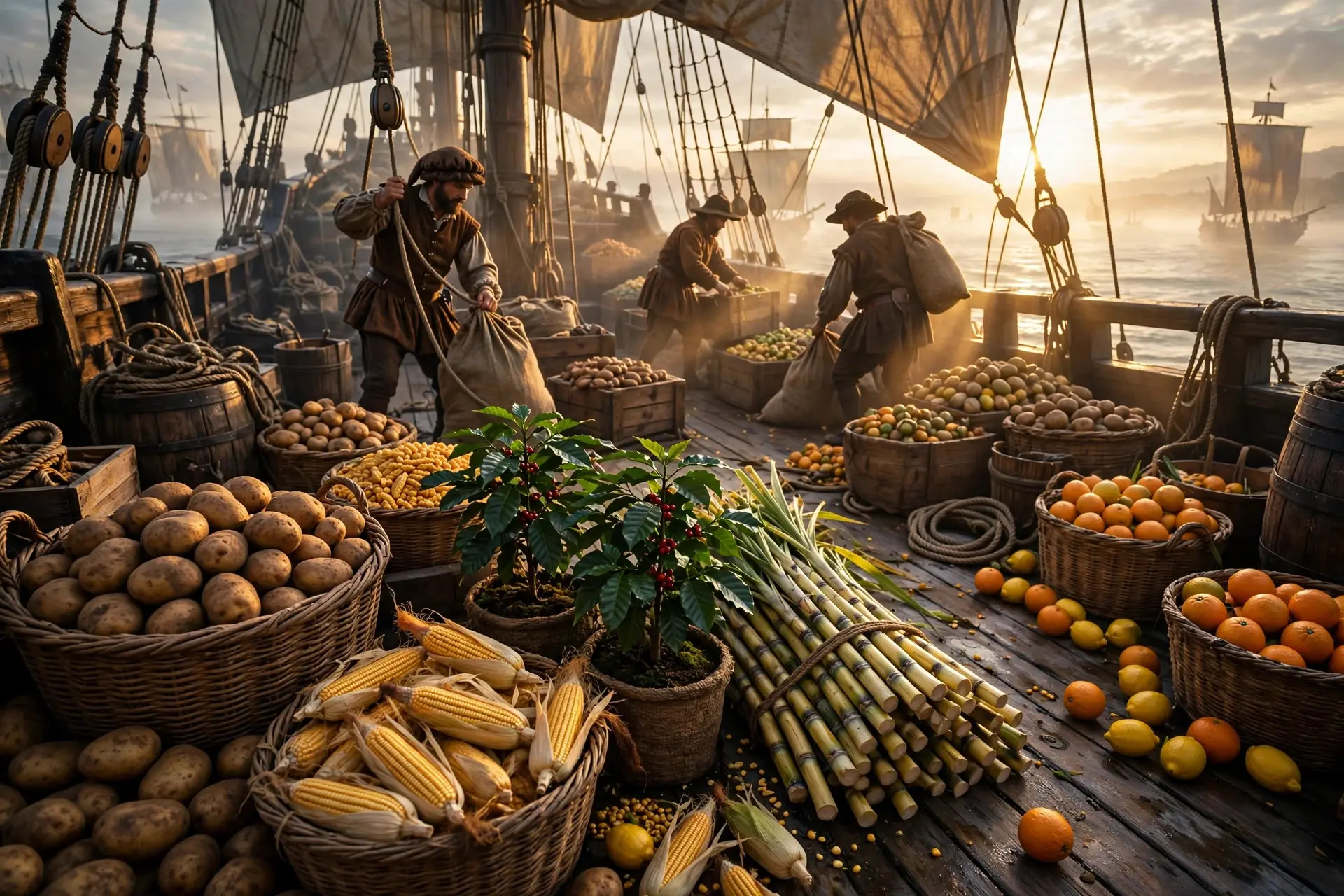 discoveries6 min read
The Columbian Exchange: Crops That Changed the World
Crosby's Columbian Exchange rebuilt global diets: potatoes and maize fueled Europe's growth, sugar and wheat conquered the Americas — at devastating human cost.
Read Article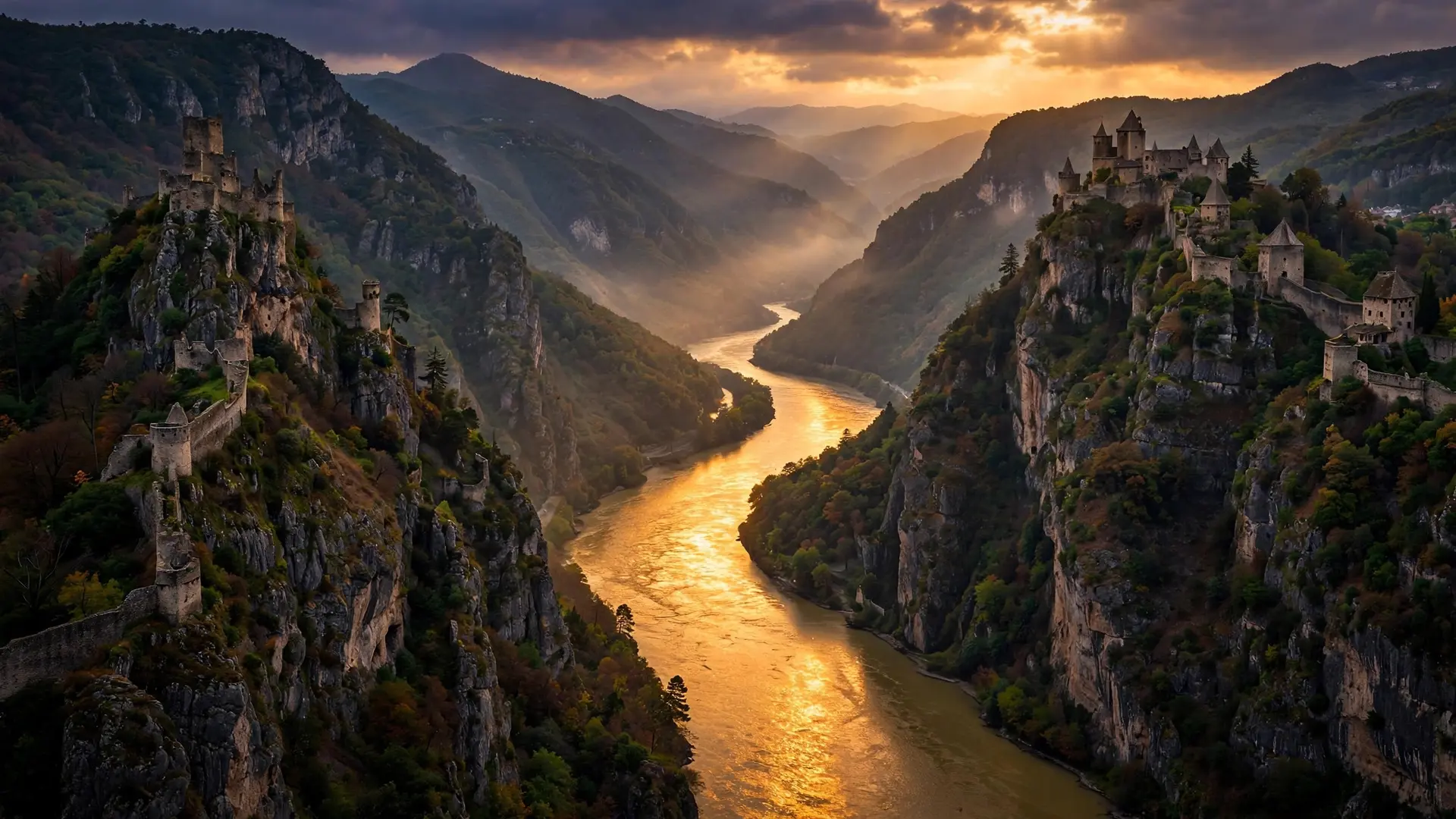 geography5 min read
The Danube: Europe's River of Empires Explained
At 2,850 kilometers, the Danube flows through 10 countries and 4 capitals, and for two millennia it was the frontier where empires met, clashed, and traded.
Read Article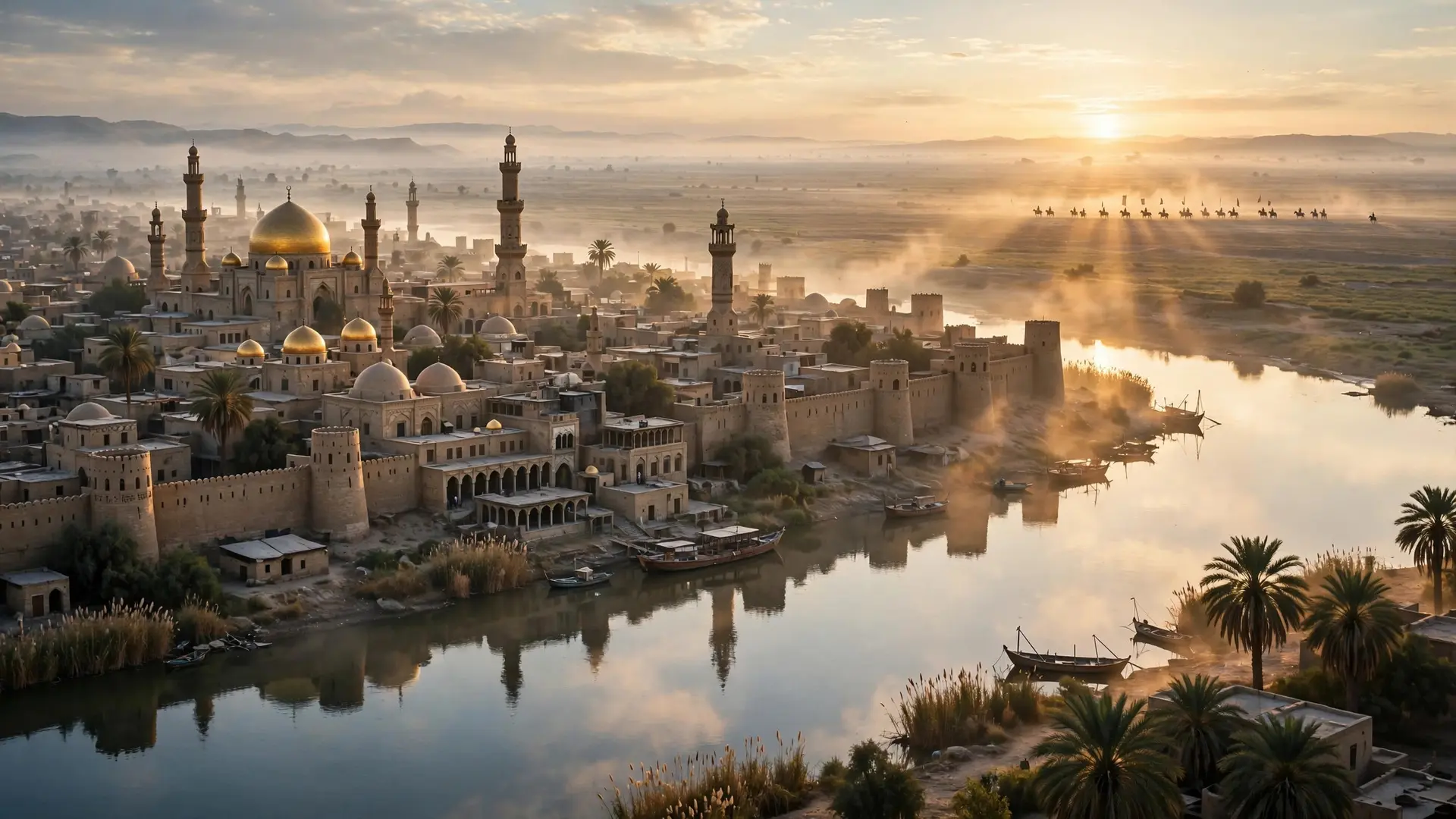 history6 min read
The Siege of Baghdad: How 1258 Changed the World
In February 1258 Hulagu Khan's Mongols destroyed Baghdad, ending the Abbasid Caliphate and the House of Wisdom — yet the invaders built a new seat of learning.
Read Article curiosities7 min read
Why Friday the 13th Became the Unluckiest Day
Friday the 13th's unlucky reputation is surprisingly young: a 19th-century invention built from older superstitions, a debunking club, and a 1907 novel.
Read Article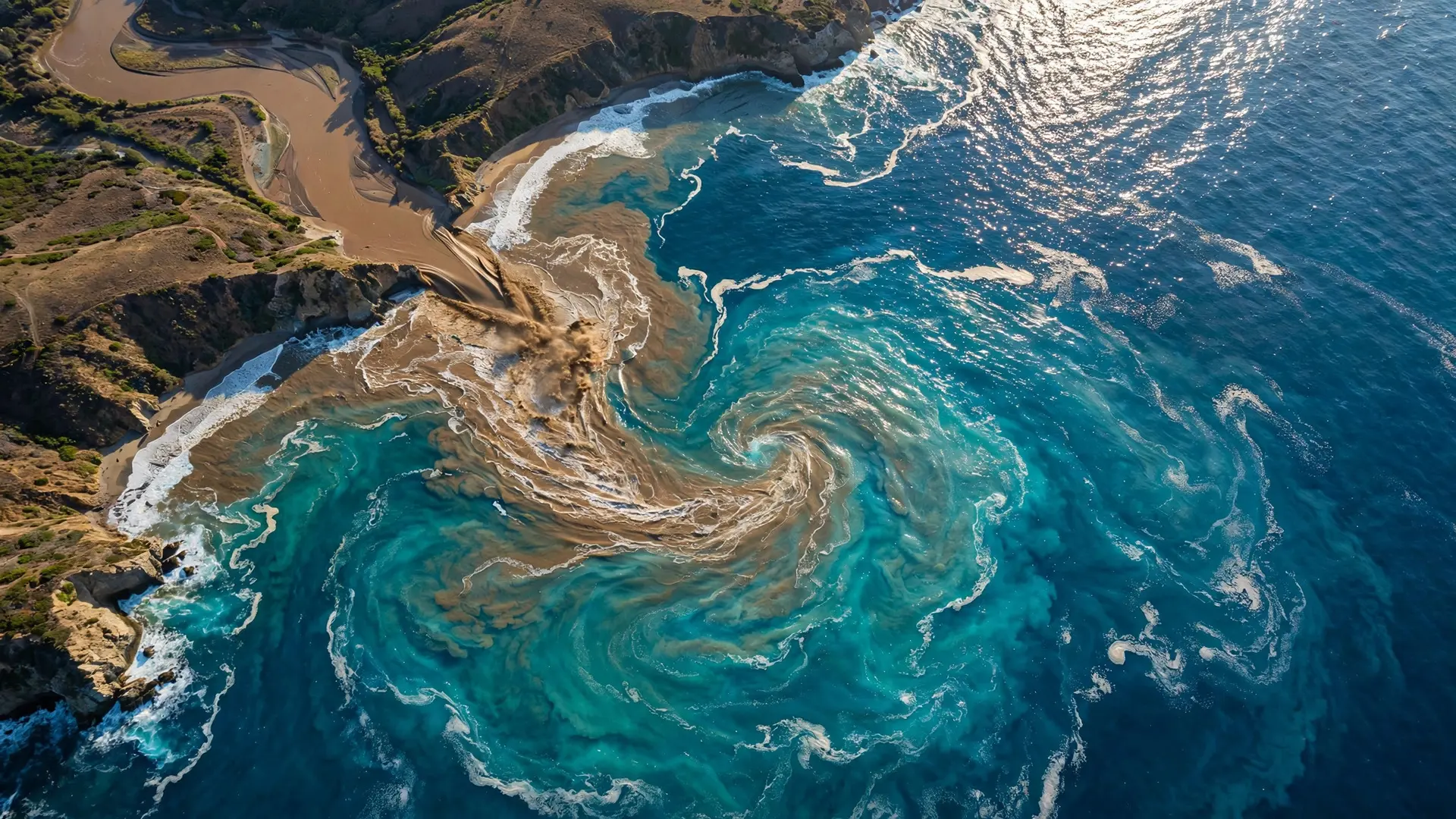 science6 min read
Why Is the Ocean Salty? Earth's Ancient Salt Trap
Rivers pour four billion tons of dissolved minerals into the sea each year, yet the ocean's salinity has barely changed for hundreds of millions of years.
Read Article curiosities6 min read
Why We Clink Glasses: The Real Story Behind Toasting
The famous poison theory is almost certainly wrong. The real story mixes ancient health pledges, actual toasted bread in wine, and evil spirits.
Read Article technology5 min read
5G vs 4G: What Actually Changed in Mobile Networks
5G is not just faster 4G — it is a new network architecture built for machines, with mmWave bands and network slicing cutting latency to around a millisecond.
Read Article geography6 min read
Antarctica Is a Continent. Greenland Isn't. Why?
Antarctica and Greenland are both giant ice-covered landmasses — yet one is a continent and the other an island. Size, geology, and one simple rule decide.
Read Article science6 min read
CRISPR Explained: The Gene-Editing Tool Rewriting Life
From a bacterial immune system to the first approved gene-editing medicine, here is how CRISPR rewrites DNA — and what it still cannot do today.
Read Article technology6 min read
How Bluetooth Quietly Connects All Your Devices
Bluetooth hops across 79 radio channels 1,600 times per second to link your earbuds, watch, and car — and it is named after a Viking king. Here is how it works.
Read Article discoveries7 min read
How Germ Theory Rewrote the Rules of Medicine
Before germ theory, doctors blamed bad air for infections they carried on their own hands. This is how microbes finally dethroned miasma — and remade surgery.
Read Article science6 min read
How Sleep Cycles Work: The Nightly Rhythm of NREM and REM
Your brain cycles through non-REM and REM sleep four to six times a night. Learn what each stage does, why REM grows toward morning, and what breaks the rhythm.
Read Article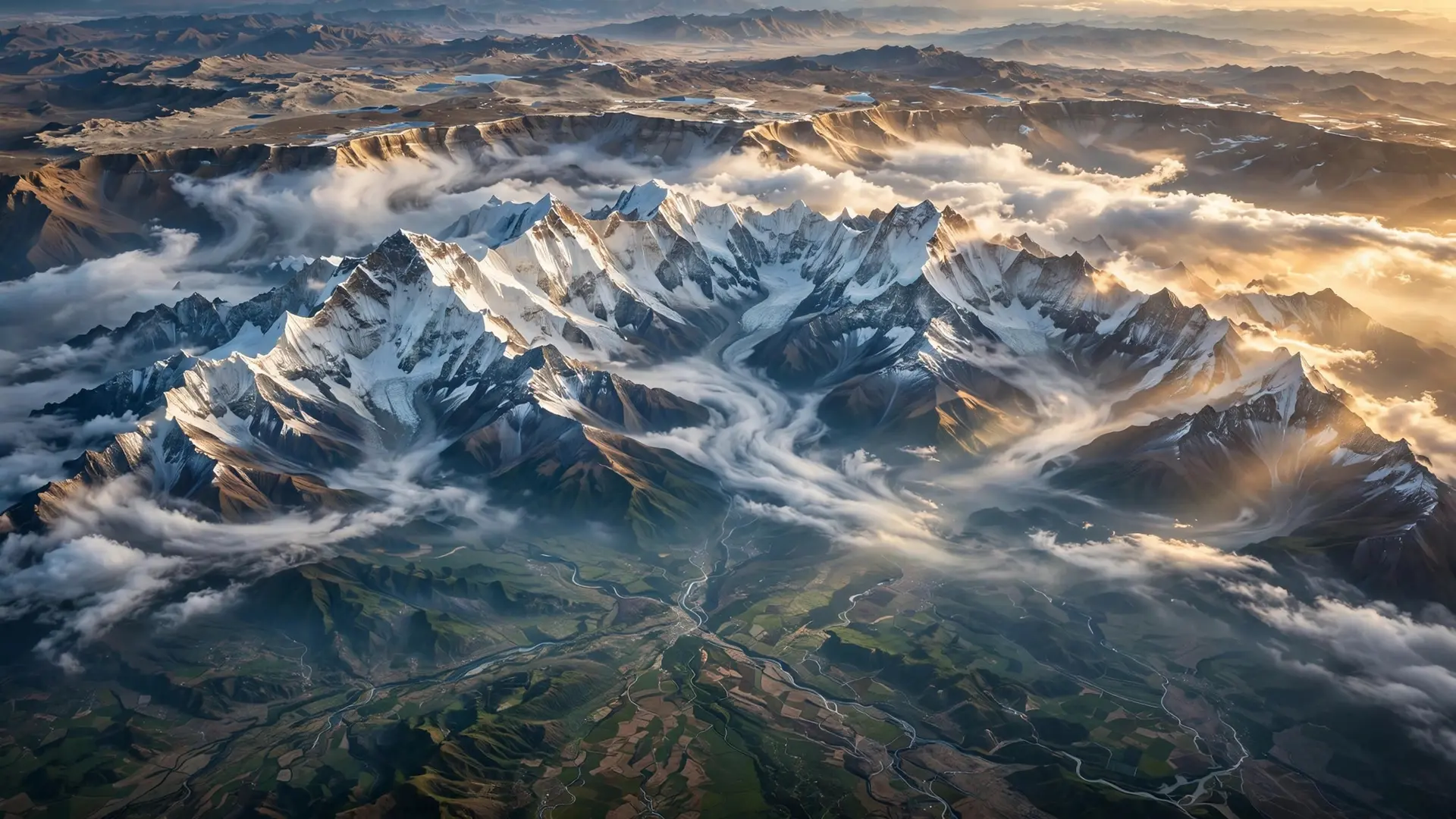 geography6 min read
How the Himalayas Were Born: India's Crash Into Asia
Fifty million years ago India crashed into Asia at a record sprint, raising the Himalayas. The collision never stopped — it is still lifting the peaks today.
Read Article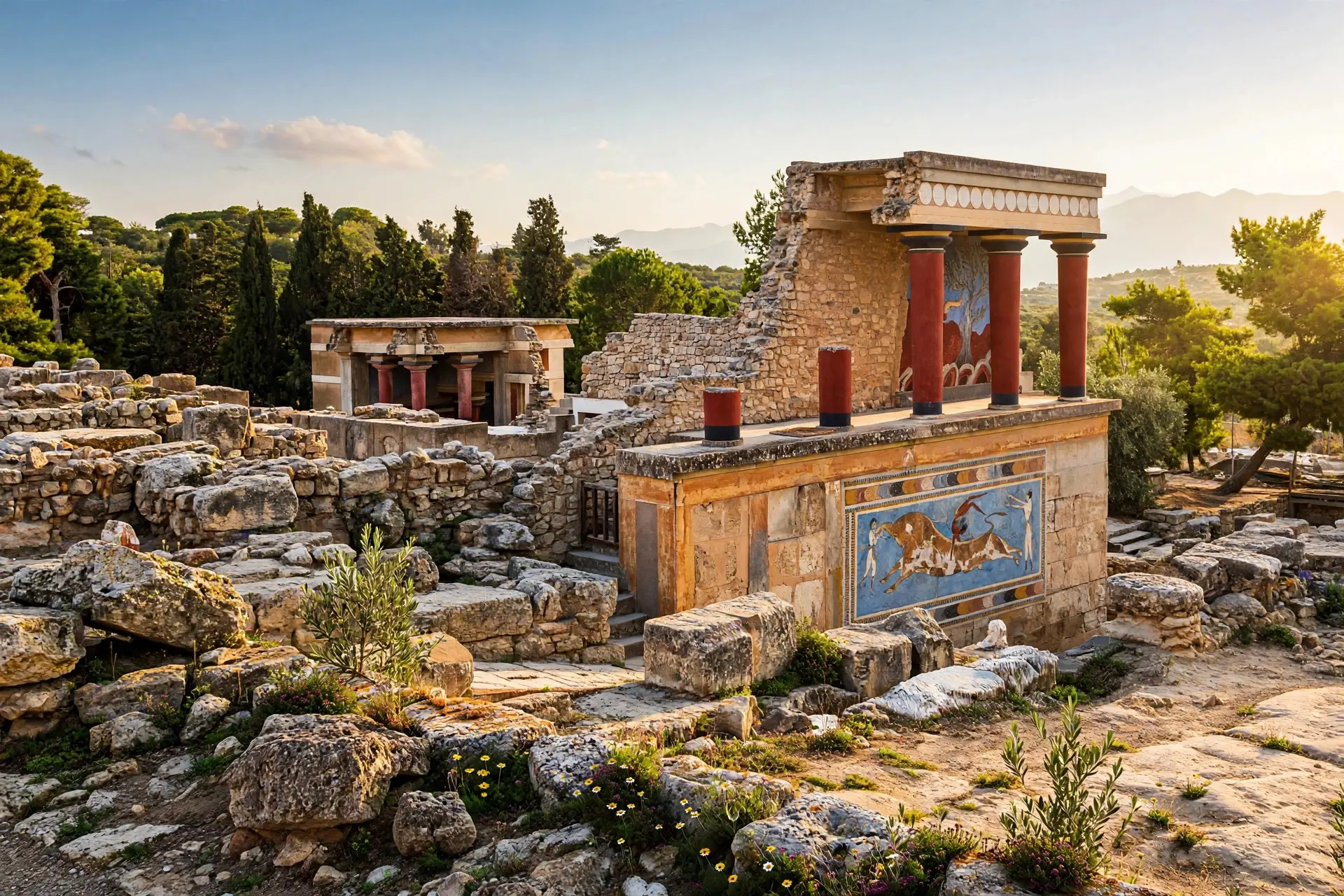 history6 min read
The Minoans: Europe's Lost First Civilization
Long before Athens or Rome, the Minoans built Europe's first civilization on Crete — multi-story palaces, flush toilets, and a script no one can read.
Read Article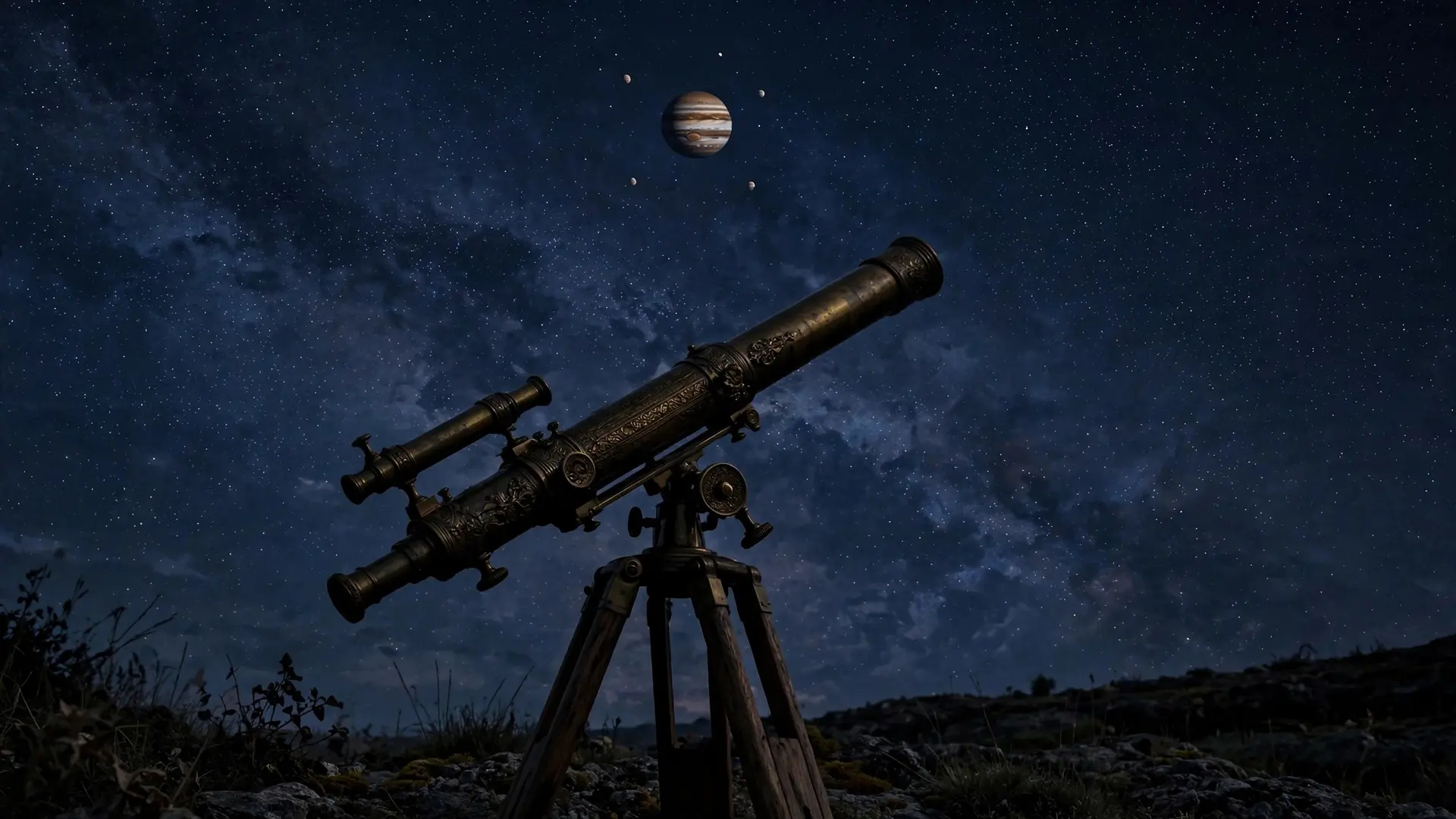 discoveries6 min read
The Telescope: How We Learned to See the Universe
In 1608 a Dutch spectacle-maker sought a patent for a simple tube with two lenses. Within two years, it would dethrone Earth from the center of the universe.
Read Article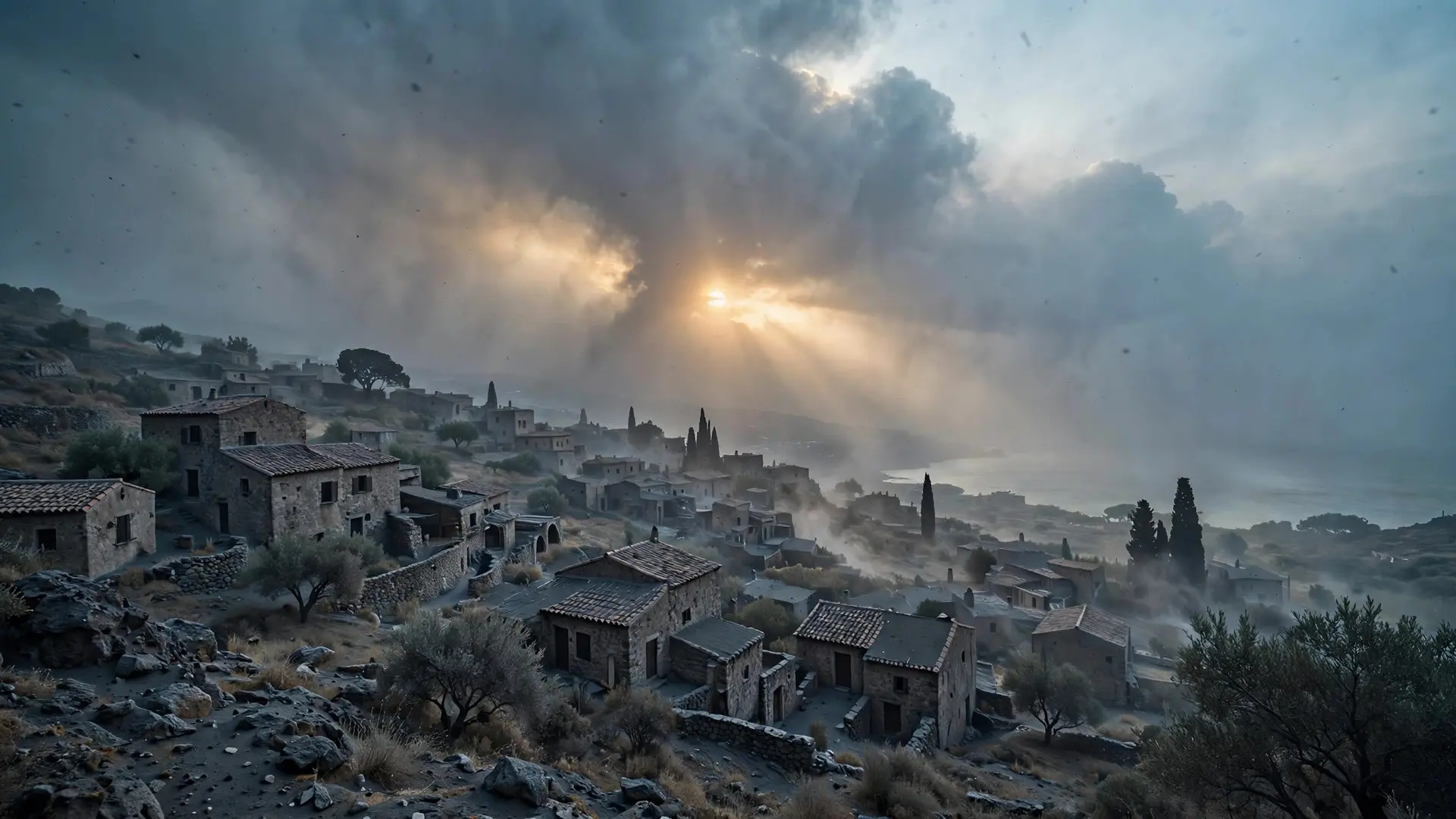 history7 min read
The Year 536: The Worst Year in Human History
In 536 AD, a mysterious volcanic eruption dimmed the sun for 18 months, crashing harvests and freezing summers, triggering a century of famine and collapse.
Read Article