
The Archives
385 enduring inquiries, newest first. Browse by topic or explore chronologically.
Page 14 of 17
 technology6 min read
Why the QWERTY Keyboard Layout Has Lasted 150 Years
QWERTY wasn't designed to slow you down. It was a mechanical fix for 1870s typewriters that survived through habit, training, and the economics of lock-in.
Read Article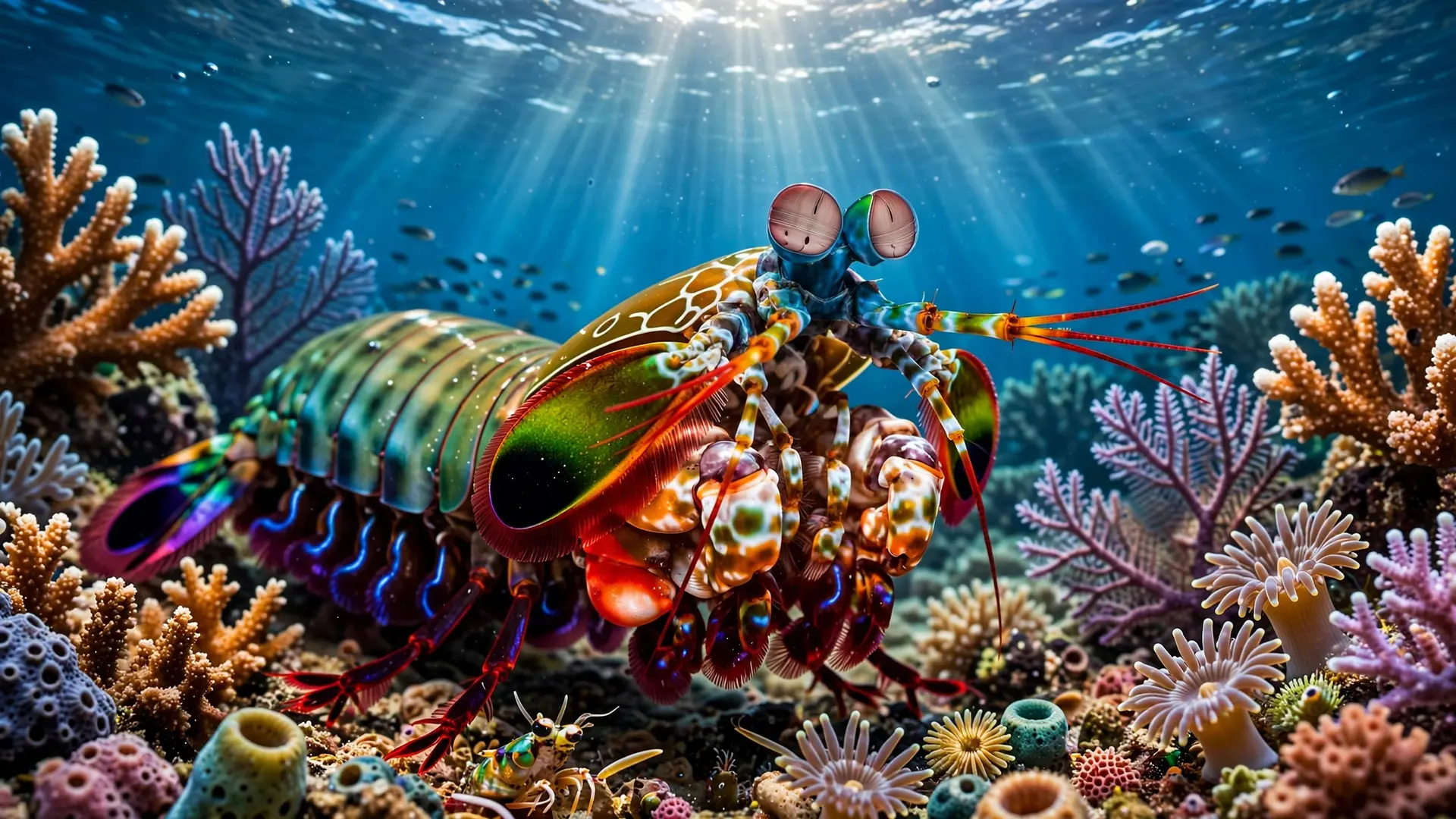 science6 min read
How Mantis Shrimp See Colors Humans Can't Imagine
The mantis shrimp's eyes hold twelve color channels, ultraviolet vision, and a twist: they may not see color as you think. Inside the strangest eyes on Earth.
Read Article technology6 min read
How QR Codes Store Data Hidden in Plain Sight
A QR code is half message, half machinery: finder patterns lock on fast, data is woven in a zigzag, and Reed-Solomon math rebuilds up to 30% of damage.
Read Article history6 min read
How the Printing Press Broke the Church's Knowledge Monopoly
Gutenberg's movable type smashed the medieval Church's monopoly on books — and ignited the Reformation, the Scientific Revolution, and mass literacy.
Read Article discoveries6 min read
Lucy: The Fossil That Rewrote Human Origins
In 1974 a forearm bone from an Ethiopian gully became Lucy — a 3.2-million-year-old skeleton proving our ancestors walked upright long before brains grew large.
Read Article geography6 min read
The Danakil Depression: Earth's Most Alien Landscape
Ethiopia's Danakil Depression pairs neon acidic hot springs, towering salt formations, and a lava lake — a tectonic furnace more Martian than earthly.
Read Article discoveries6 min read
The Microwave Oven Was Invented by a Melted Chocolate Bar
In 1945, a radar magnetron melted the candy bar in Percy Spencer's pocket. He turned the mishap into microwave cooking — and the giant Radarange.
Read Article history6 min read
The Pony Express: 18 Months That Shrank America
In 1860, riders galloped 1,900 miles to deliver mail in 10 days — a bankrupt gamble that stitched a splitting America together before the telegraph killed it.
Read Article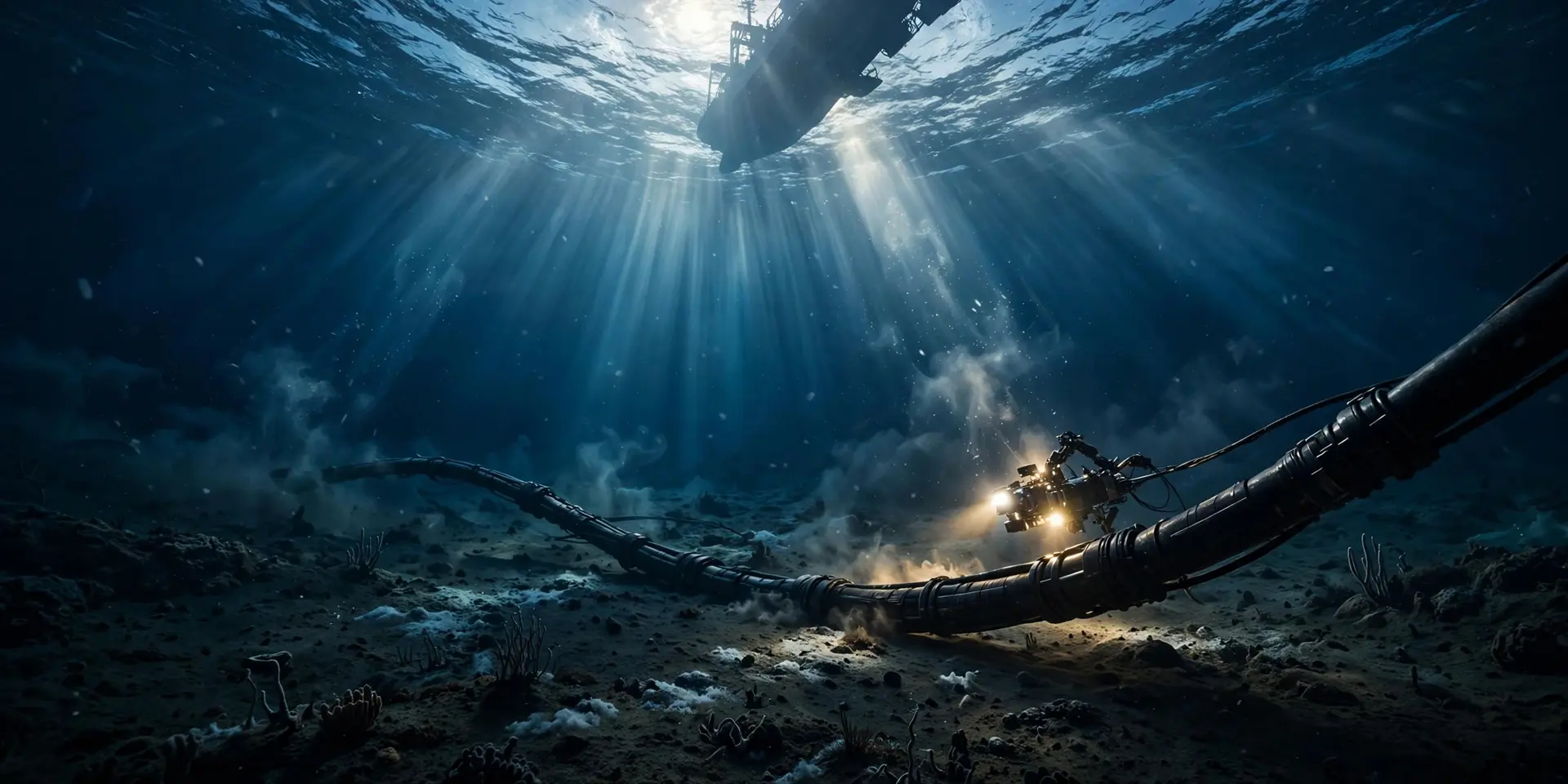 technology5 min read
Undersea Cables Carrying 99% of Intercontinental Internet
Over 99% of intercontinental internet traffic travels not by satellite but through glass fibers on the ocean floor, laid across 1.4 million kilometers.
Read Article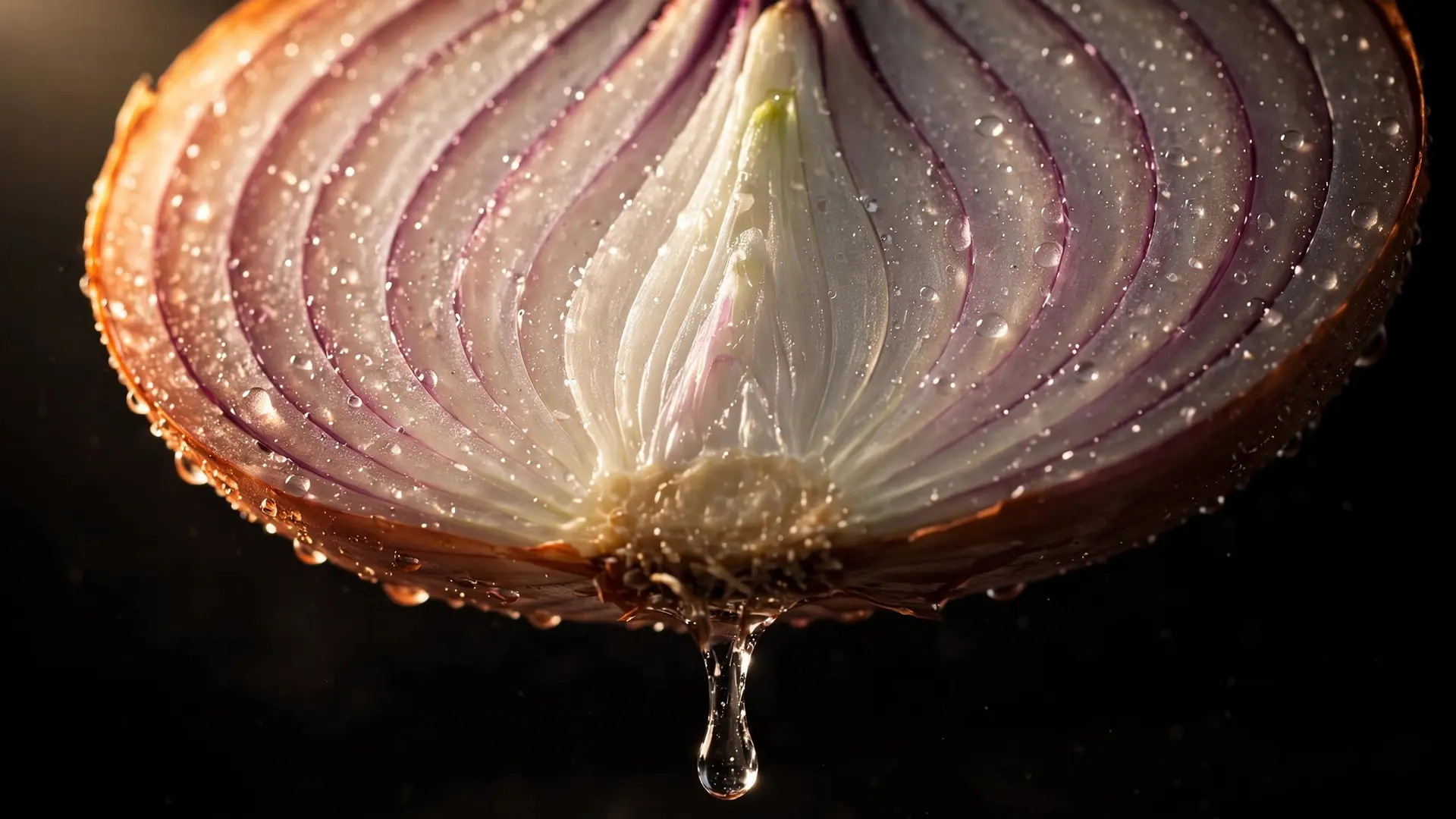 curiosities6 min read
Why Do Onions Make You Cry? The Chemistry Explained
Slicing an onion releases a volatile gas that stings your eyes. Follow the chain reaction from soil sulfur to syn-propanethial-S-oxide — and how to cry less.
Read Article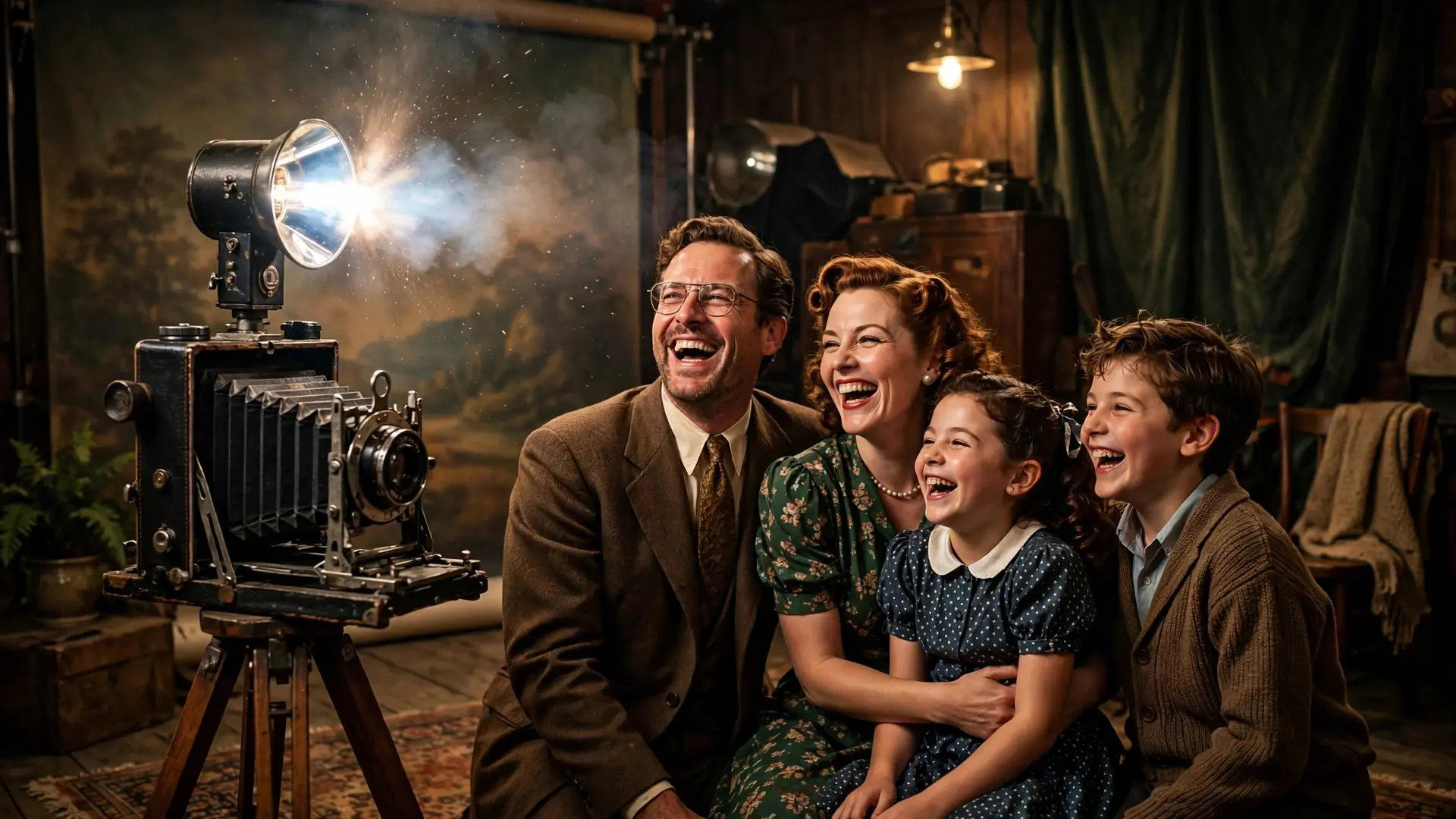 curiosities6 min read
Why Do We Say Cheese When Taking Photos?
The story behind 'say cheese': a 1943 Texas newspaper, mouth-shaping phonetics, and why Victorians said 'prunes' before smiling ever became standard.
Read Article geography6 min read
Why Is the Dead Sea So Salty? The Science Explained
The Dead Sea is ten times saltier than the ocean because water flows in but never out — evaporation leaves, salt stays, accumulating over millennia.
Read Article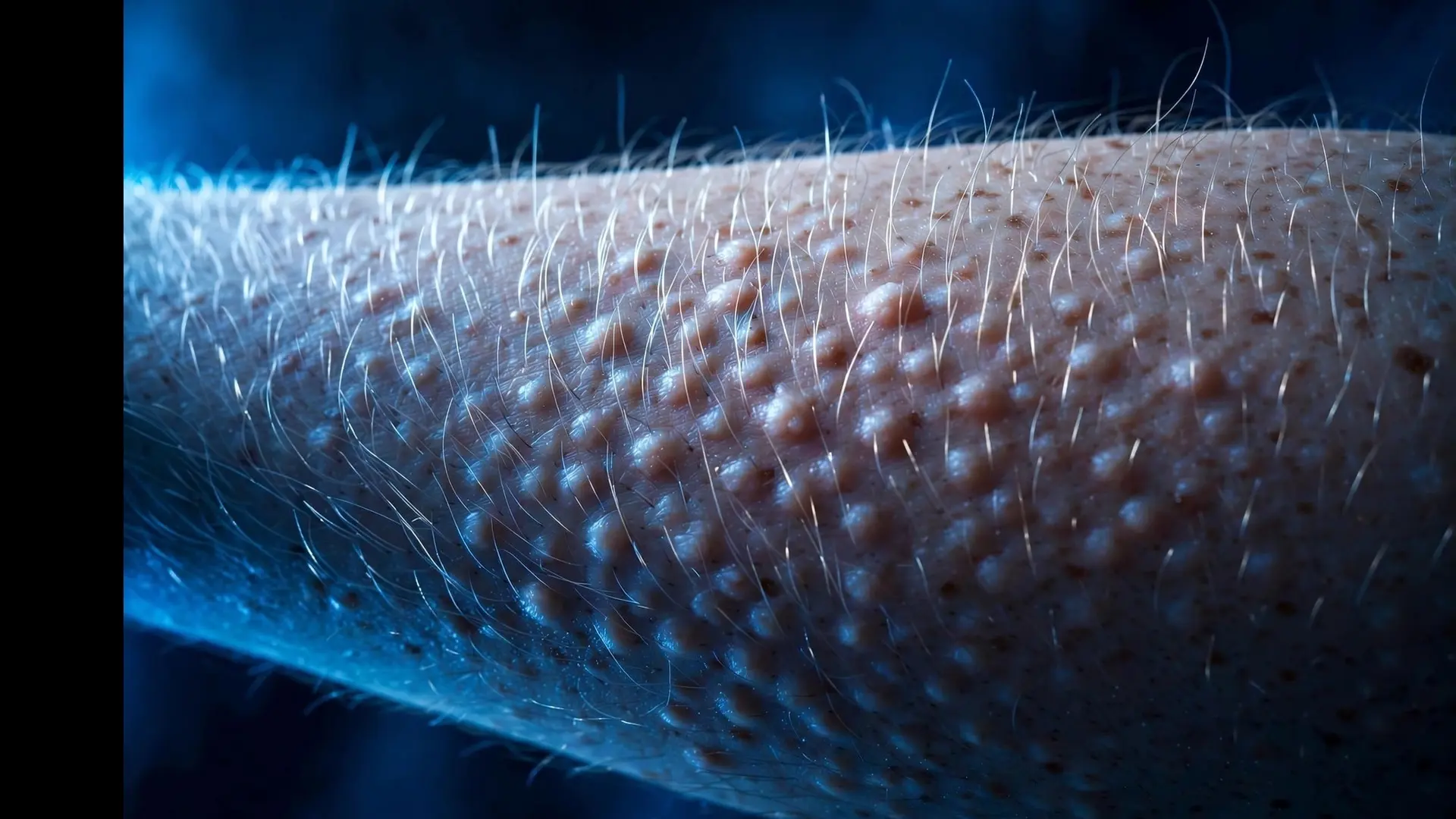 science7 min read
Why We Get Goosebumps: An Ancient Survival Reflex
Your skin's tiny bumps are a survival reflex inherited from our furriest ancestors. Discover the tiny muscle behind them and the new purpose science uncovered.
Read Article science5 min read
The Science of Deja Vu: What Your Brain Is Really Doing
Up to 70% of people have felt it: the eerie certainty you've lived this moment before. Here's what neuroscience says happens in your brain during deja vu.
Read Article science8 min read
Aurora Borealis: The Science Behind the Northern Lights
Charged particles collide with Earth's atmosphere to paint the sky green, purple and red. Discover the physics behind the aurora's shimmering curtains of light.
Read Article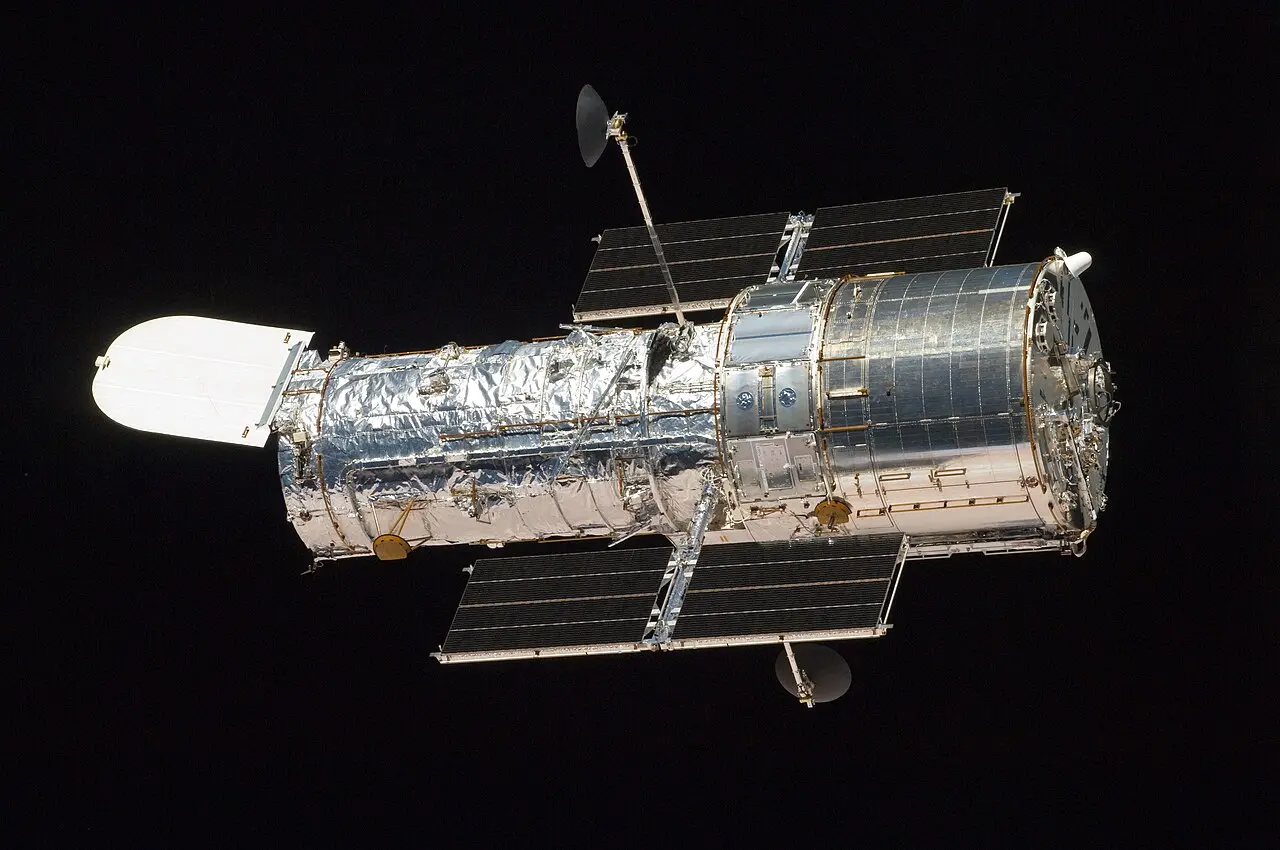 technology6 min read
Hubble Space Telescope: The Flawed Mirror and Its Rescue
Hubble launched in 1990 with a mirror ground 2.2 microns too flat. How astronauts fixed it in 1993, what it has discovered since, and how long it can last.
Read Article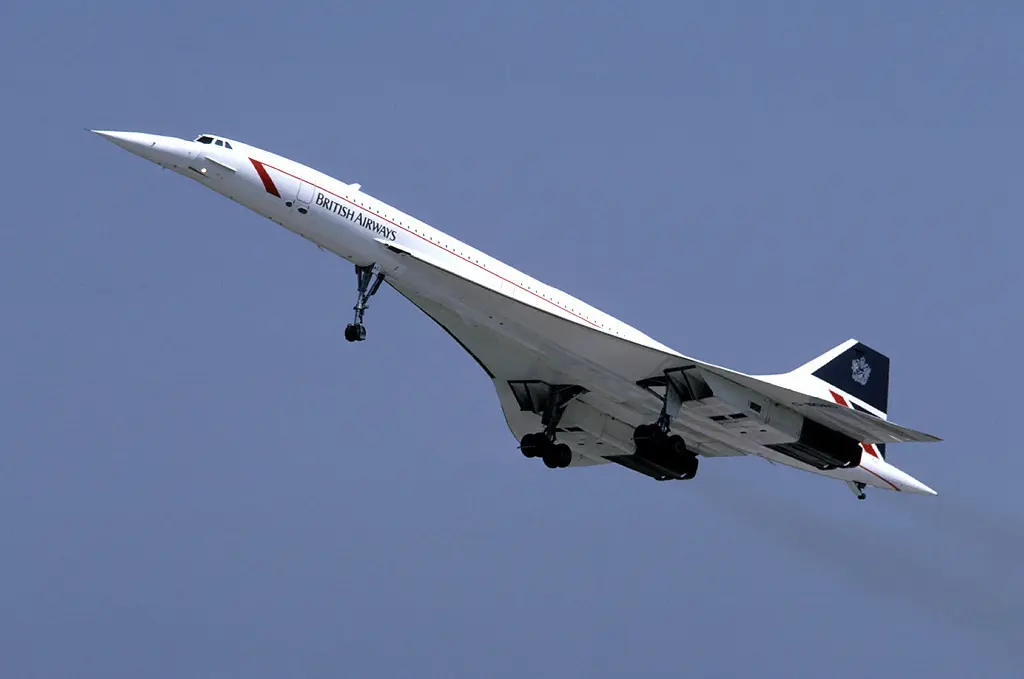 technology7 min read
Why Concorde Stopped Flying, and Why Nothing Replaced It
Concorde crossed the Atlantic at Mach 2 for 27 years, then lost to fuel costs, sonic booms and a fatal crash. Why it retired in 2003, and what may come next.
Read Article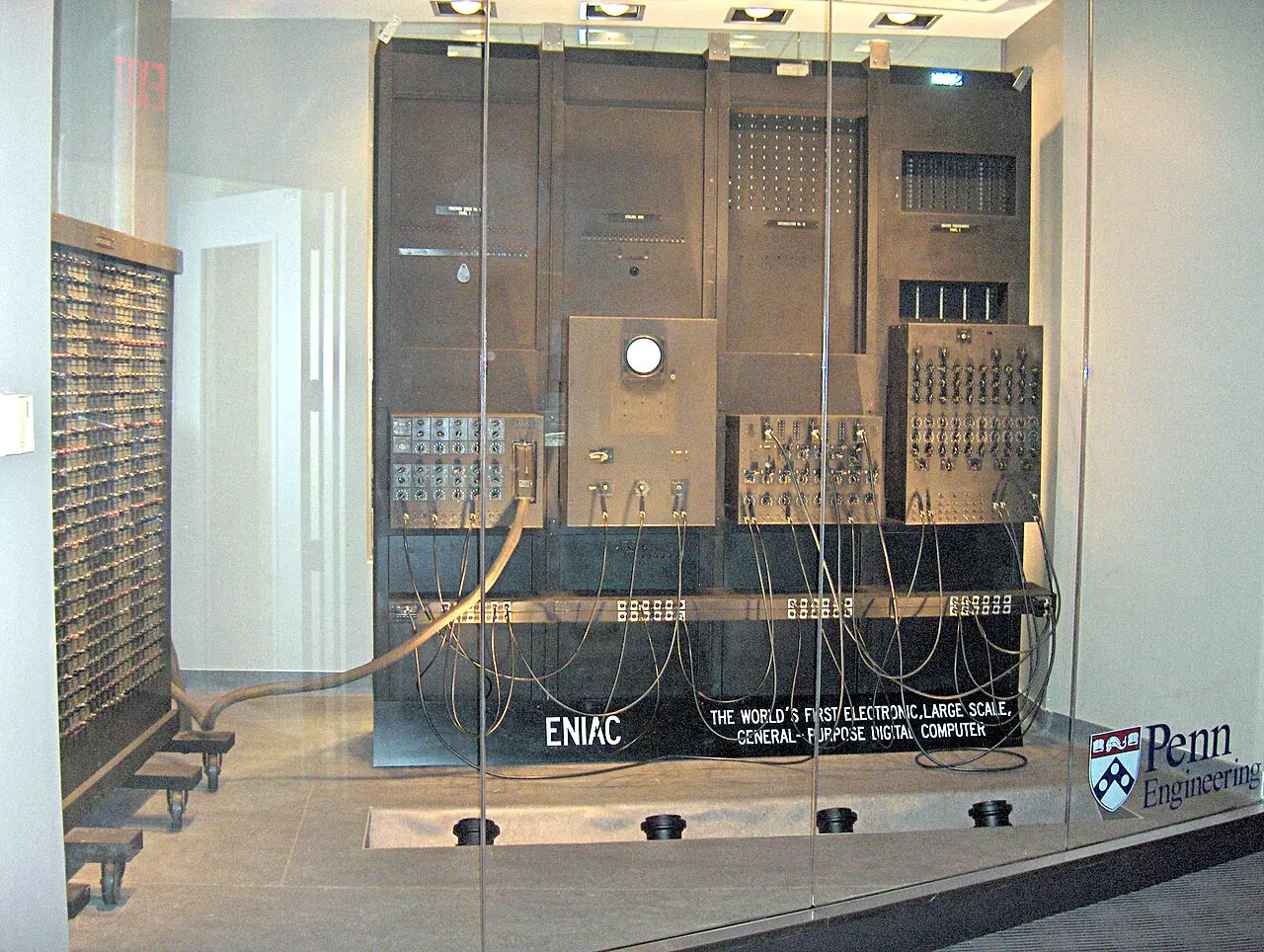 technology6 min read
ENIAC and the Six Women Who Programmed It
ENIAC filled a room with nearly 18,000 vacuum tubes and was programmed by hand with cables and switches. How it worked, and the six women who first ran it.
Read Article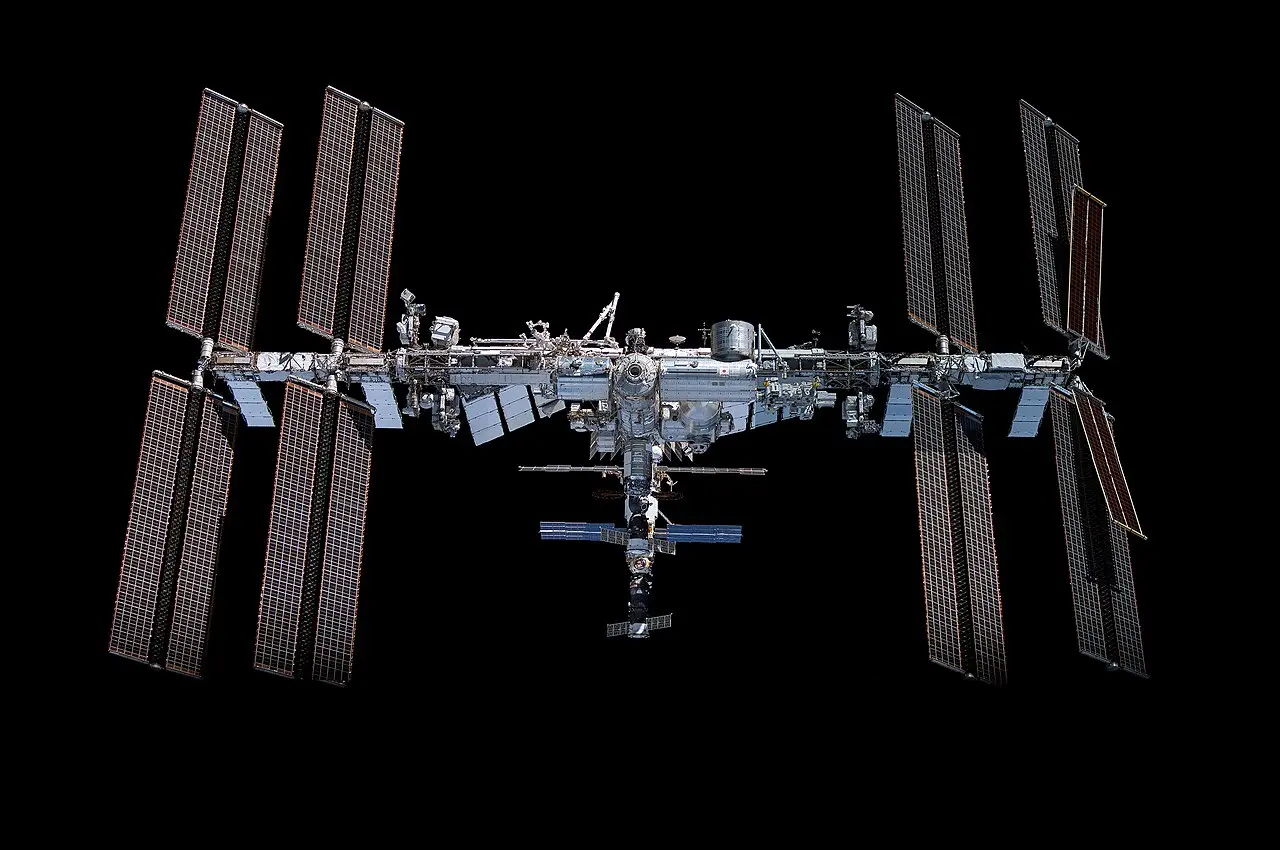 technology6 min read
Inside the ISS: How It Stays in Orbit and Keeps Crews Alive
The International Space Station circles 400 km up at 28,000 km/h. How it holds its orbit, recycles 98% of its water, and what will happen to it after 2030.
Read Article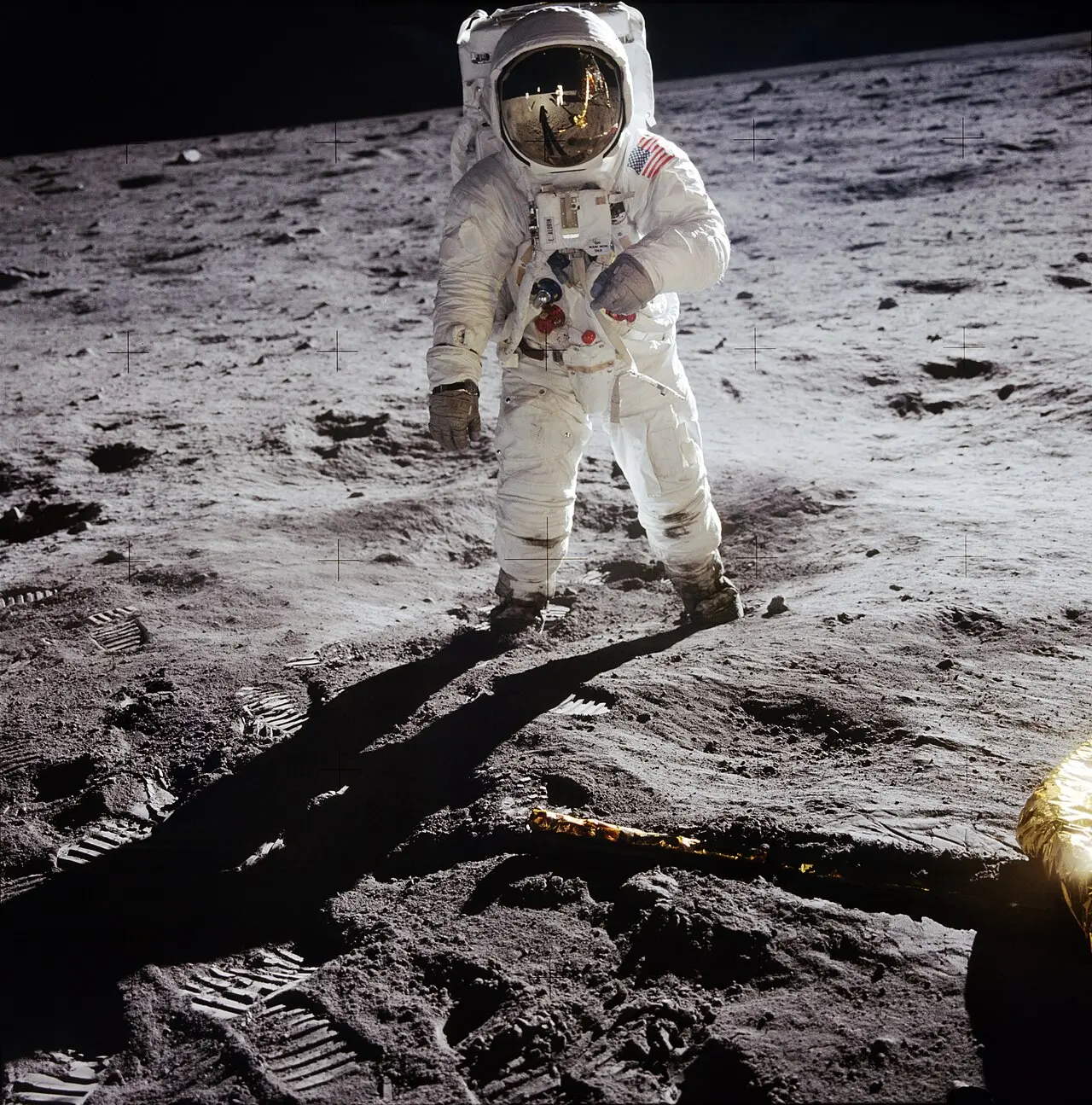 technology7 min read
How Apollo 11 Landed on the Moon: Inside the Descent
Apollo 11's landing rode on hand-woven computer memory, five program alarms and a fuel gauge that read low. Here is how Eagle reached the Moon on 20 July 1969.
Read Article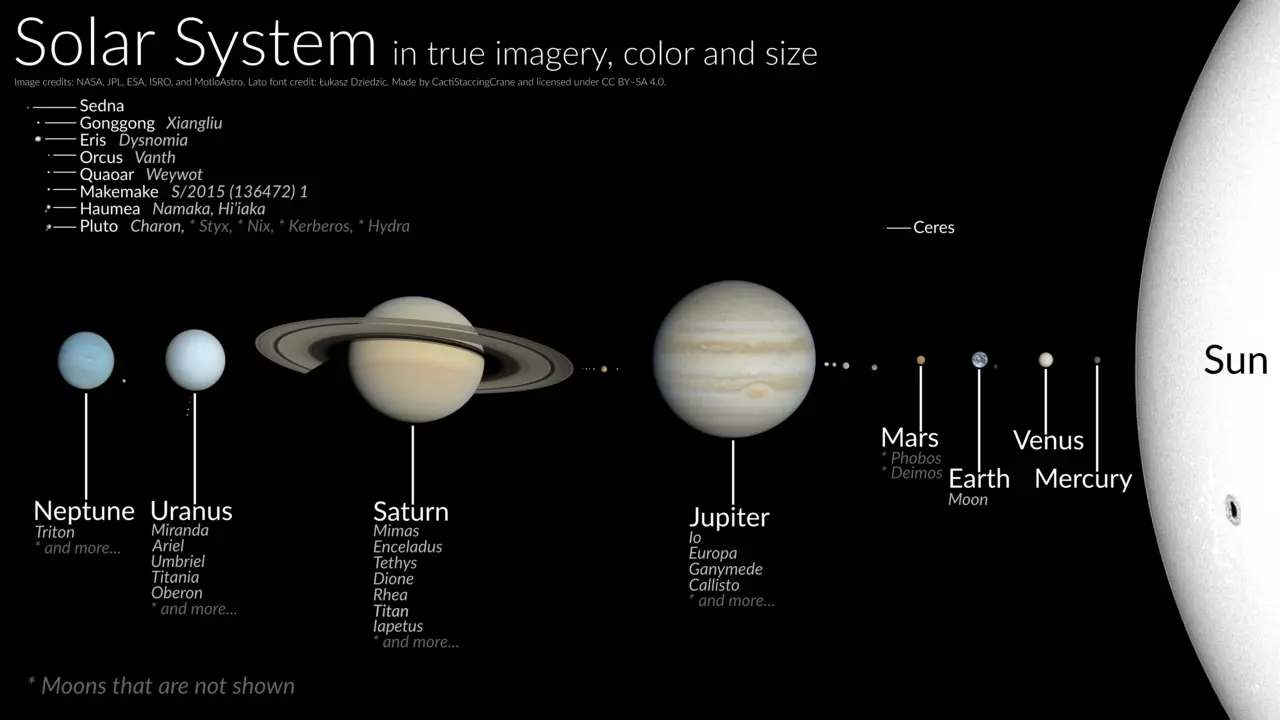 science7 min read
Solar System: A Tour of Our Cosmic Neighborhood
Born 4.6 billion years ago from a collapsing cloud, the Solar System stretches far beyond Pluto. Get a real sense of its scale, its birth story and its moons.
Read Article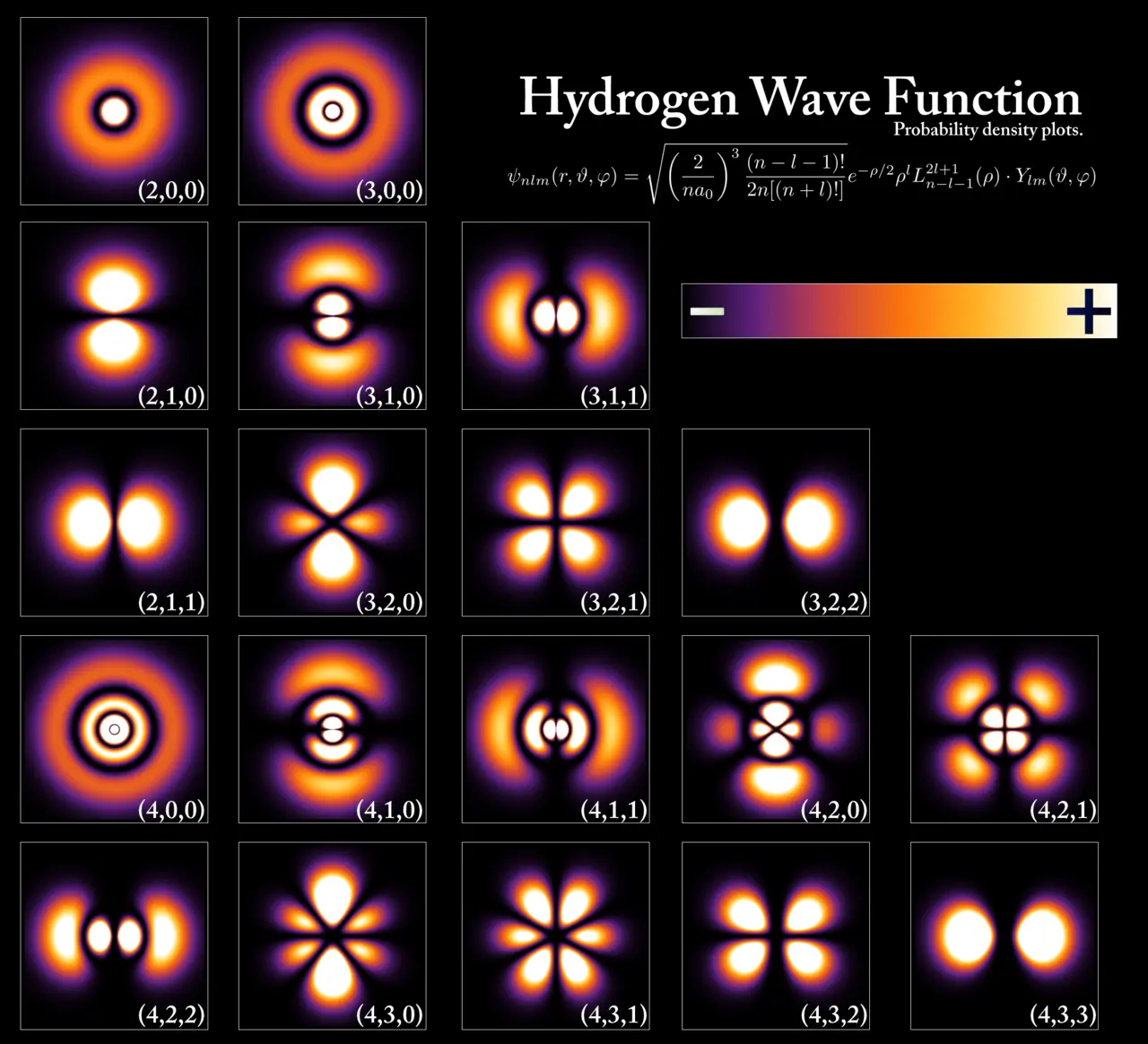 science7 min read
Quantum Mechanics: The Strange Rules of Reality
Quantum mechanics rests on four strange ideas: quanta, wave-particle duality, uncertainty and entanglement. Learn what each means and where it runs your tech.
Read Article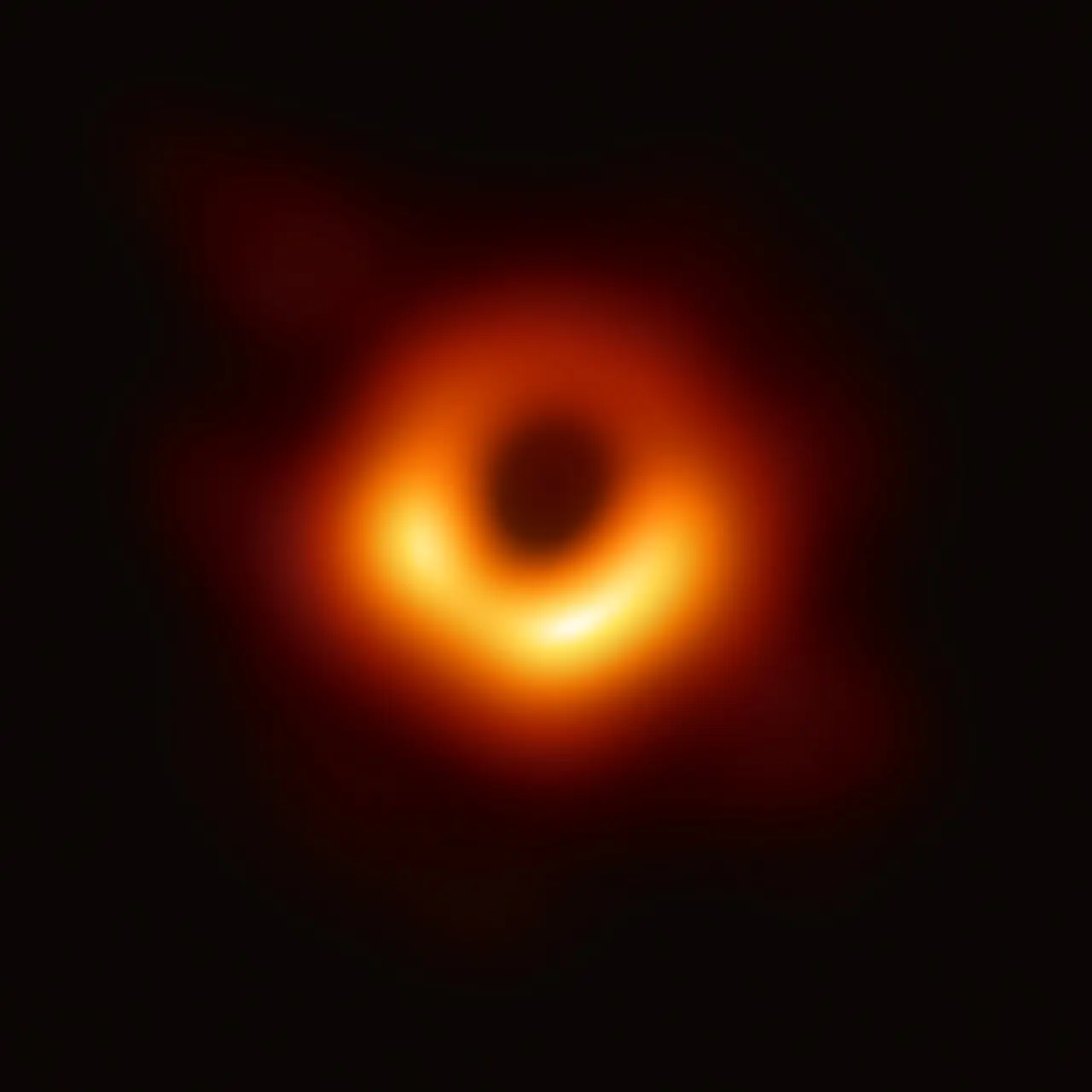 science7 min read
Black Holes: Where Gravity Defeats Even Light
Nothing that crosses a black hole's event horizon gets out, not even light. See how a 1916 equation led to star orbits, gravitational waves and real photos.
Read Article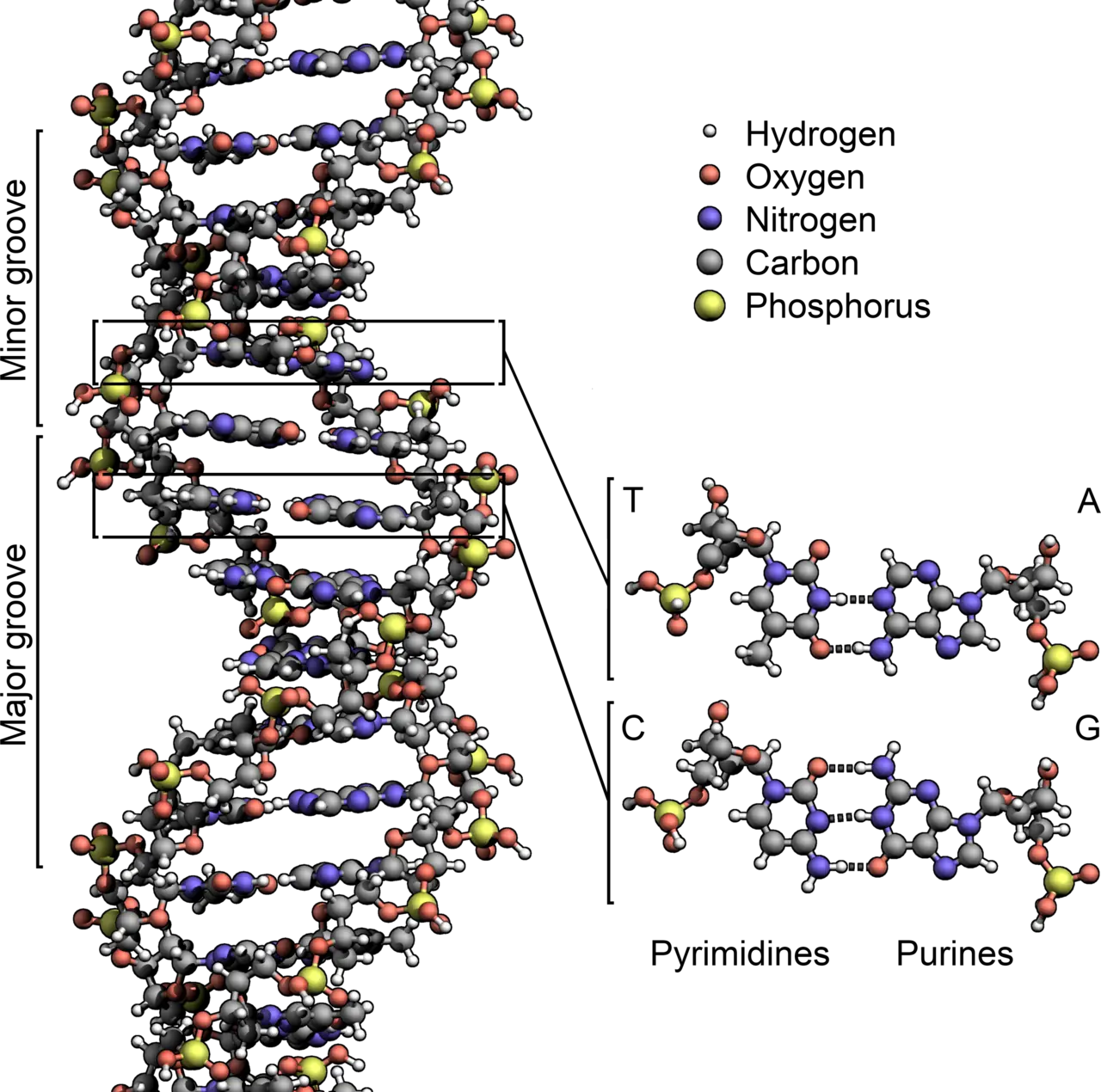 science7 min read
DNA: The Double Helix That Holds the Code of Life
DNA stores life's instructions in a four-letter chemical code. Learn how cells read and copy it, who solved its structure, and how it might archive our data.
Read Article