
The Archives
397 enduring inquiries, newest first. Browse by topic or explore chronologically.
Page 12 of 17
 science6 min read
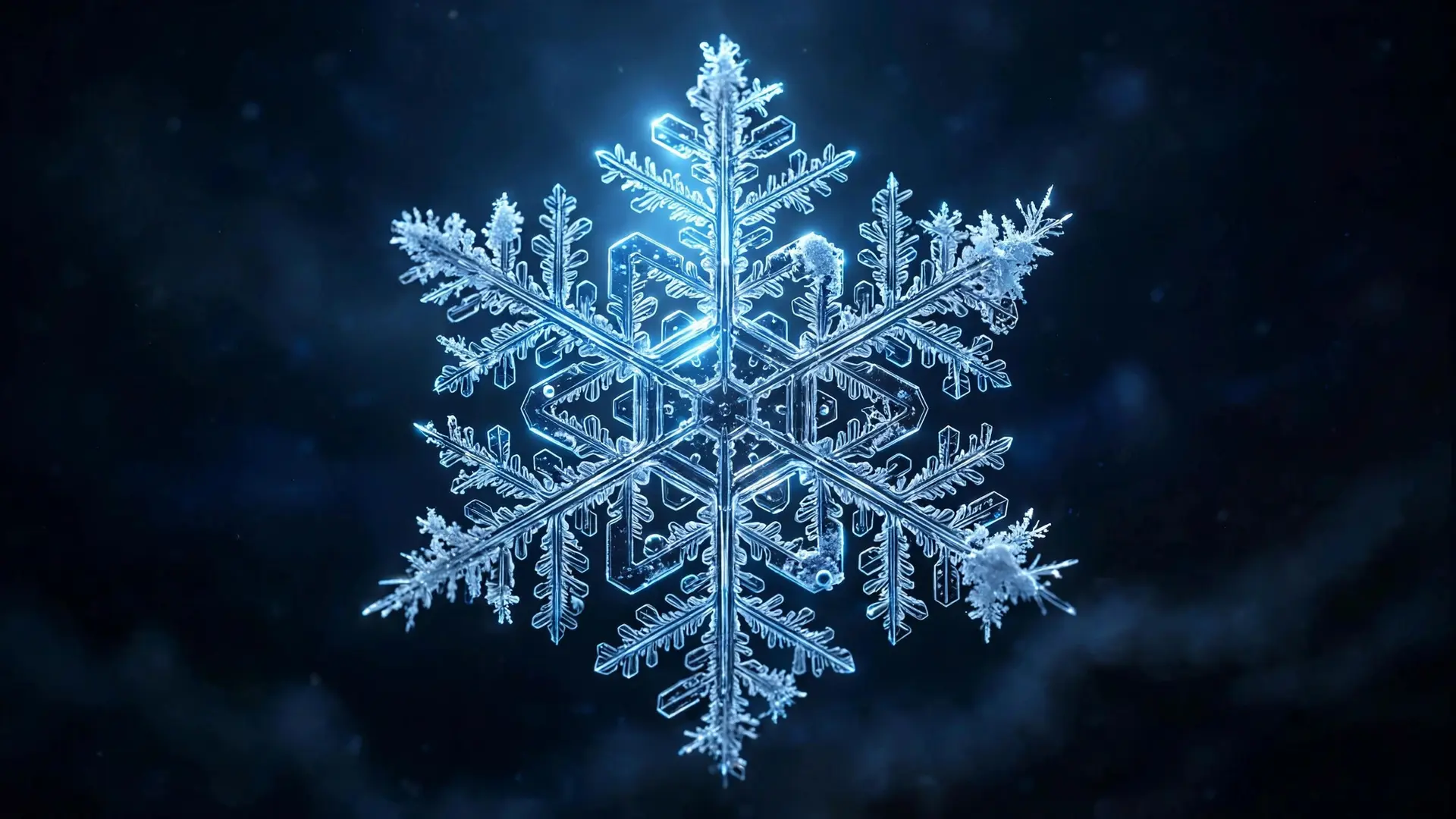
Why No Two Snowflakes Are Ever Exactly Alike
Each snowflake carries about a quintillion water molecules arranged by weather that never repeats. Here is why every one is a one-of-a-kind ice sculpture.
Read Article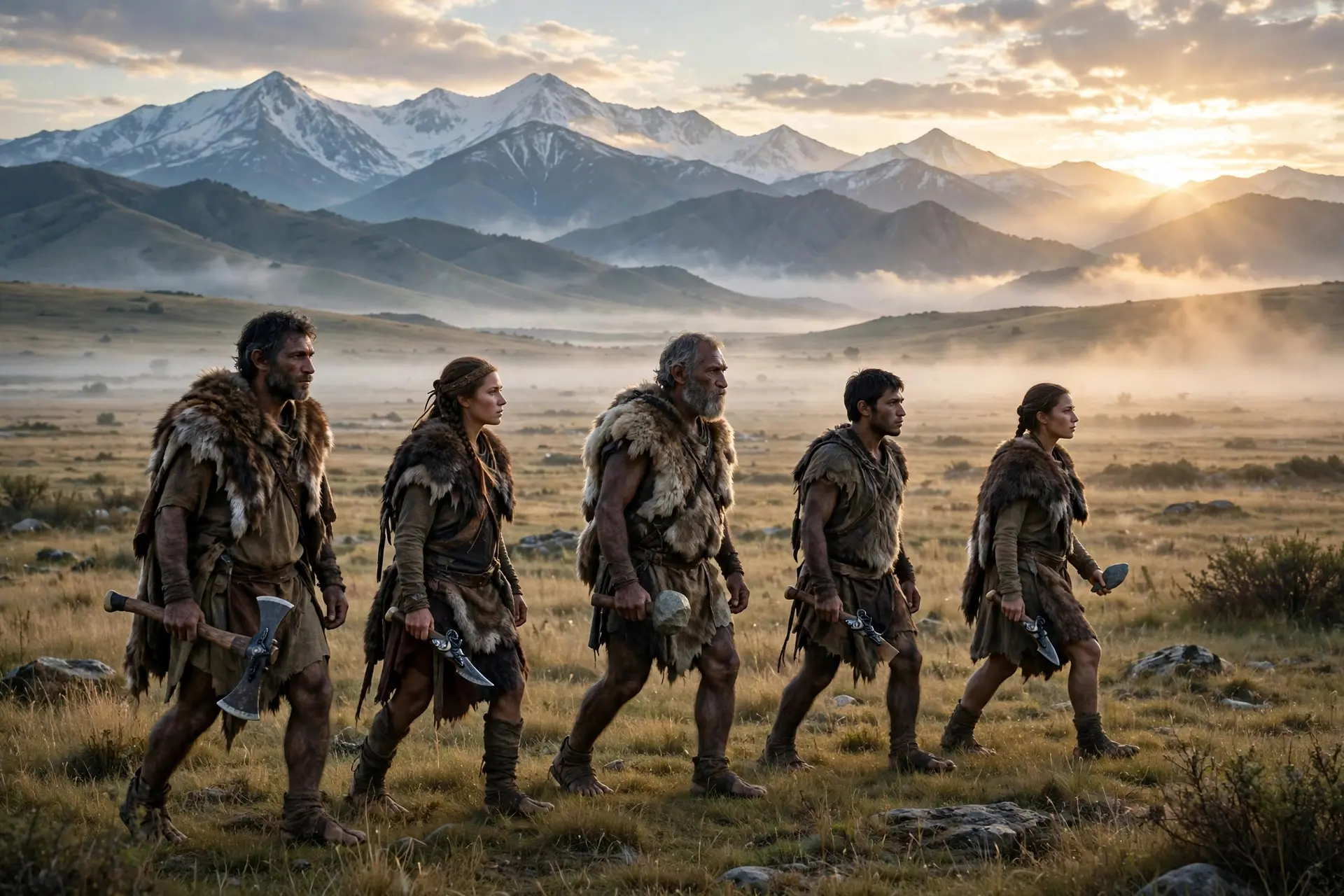 discoveries6 min read
Dmanisi Hominins: Humans Left Africa Earlier Than Thought
Beneath a medieval Georgian village, fossils show hominins reached Eurasia 1.8 million years ago — far earlier than thought. The story of the Dmanisi people.
Read Article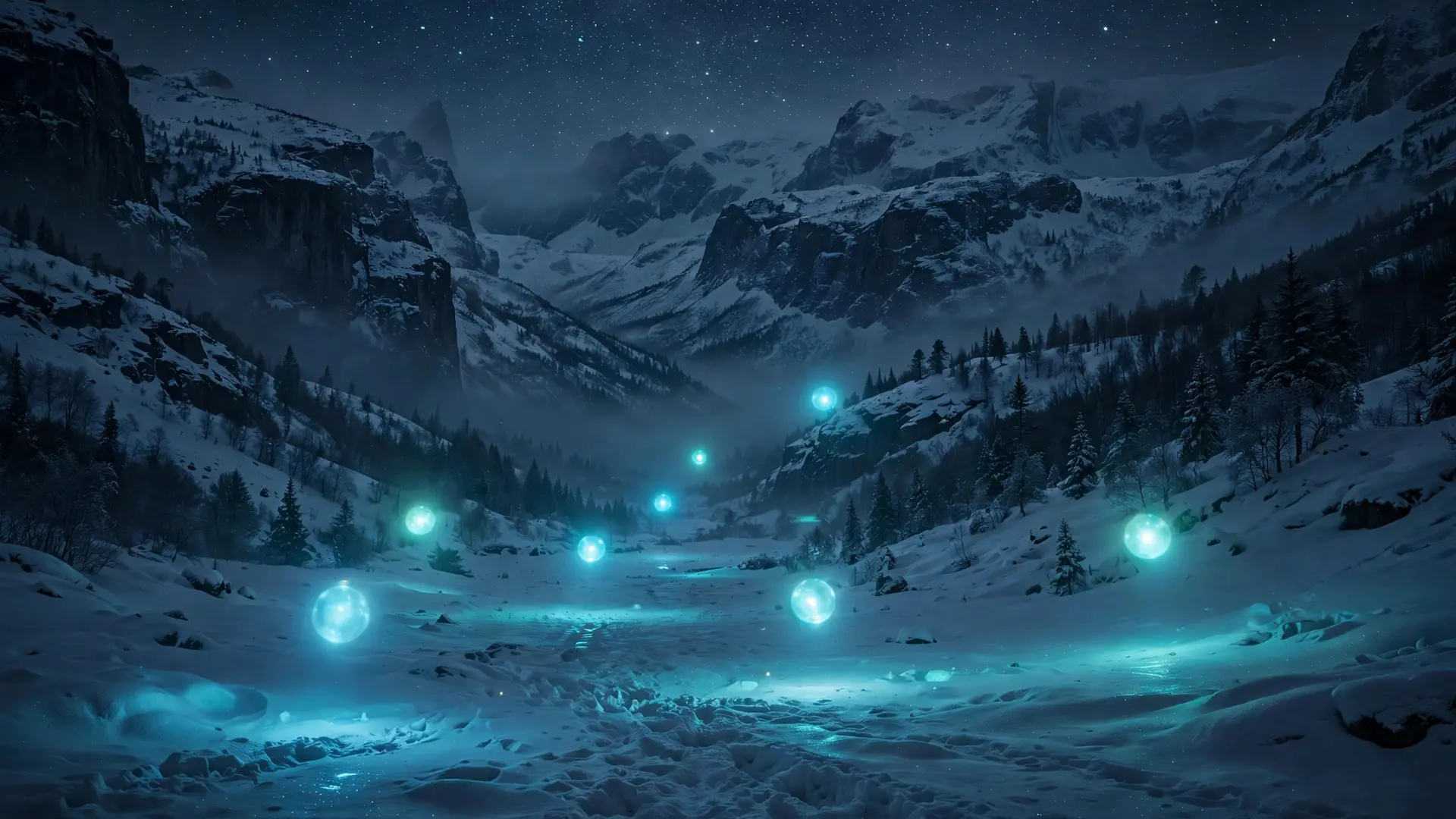 curiosities6 min read
Hessdalen Lights: Norway's 40-Year Unexplained Sky Mystery
Glowing orbs have drifted through Norway's Hessdalen valley for 40 years, tracked by radar and spectrometers. What four decades of data actually found.
Read Article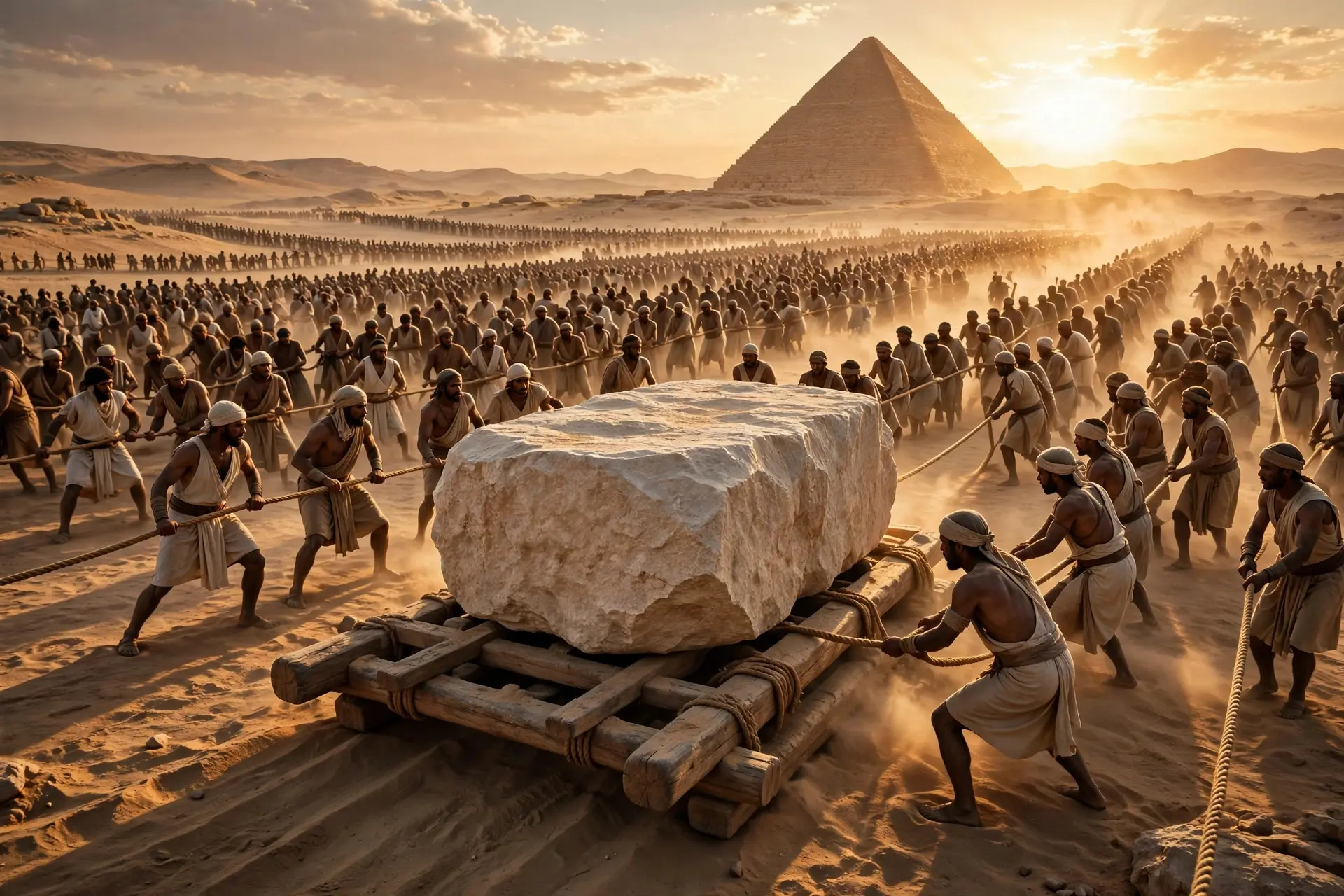 history6 min read
How Ancient Egyptians Moved 2.5-Ton Pyramid Stones
Wet sand halves the force to drag a sledge, a 2018 quarry ramp revealed a rope force-multiplier, and a foreman's diary detailed the Nile supply chain.
Read Article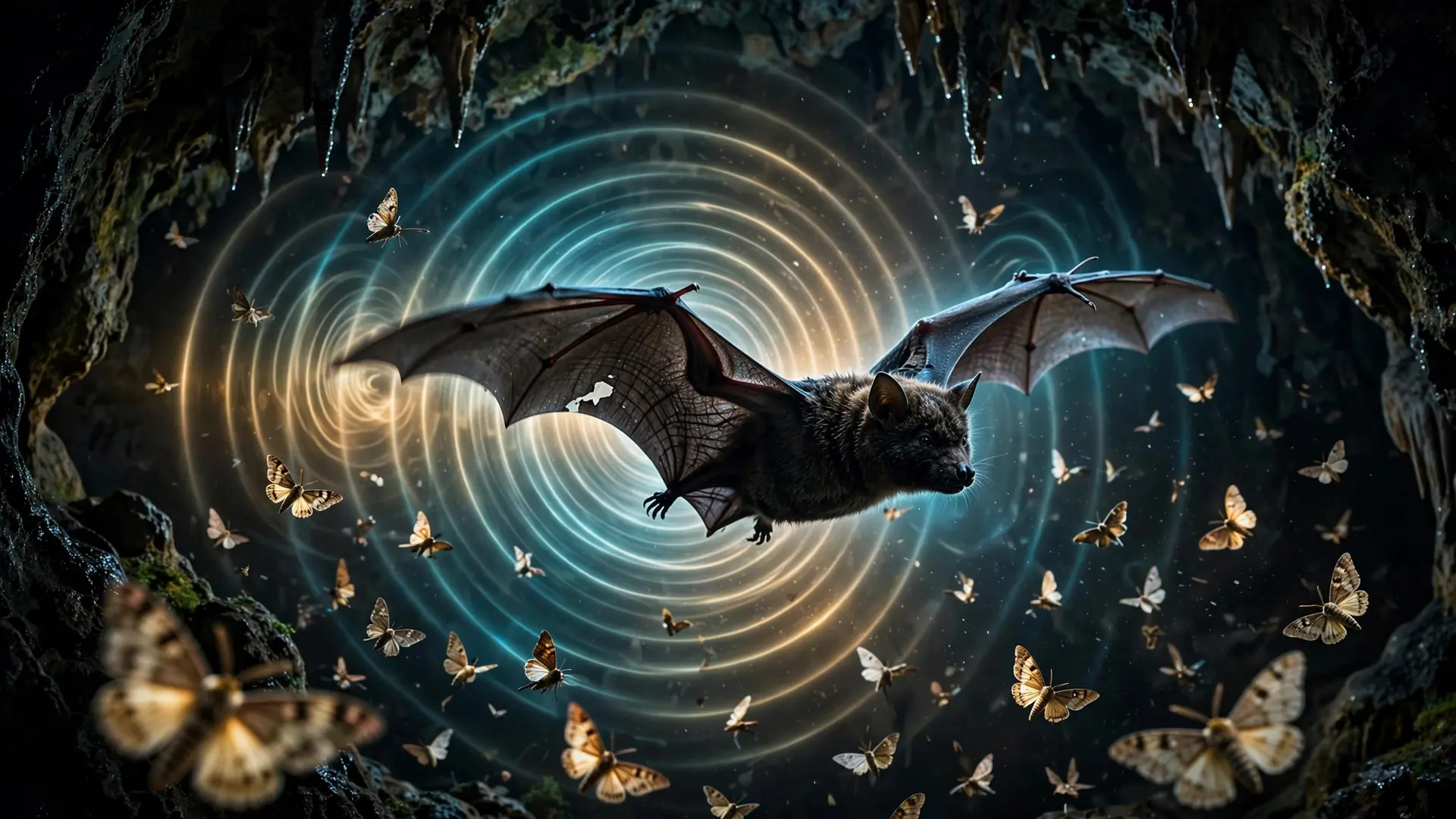 science7 min read
How Bats See in Total Darkness With Sound
Bats hunt in pitch darkness by shouting in ultrasound and reading echoes. Meet Doppler-shift compensation, the acoustic fovea, and nature's living sonar.
Read Article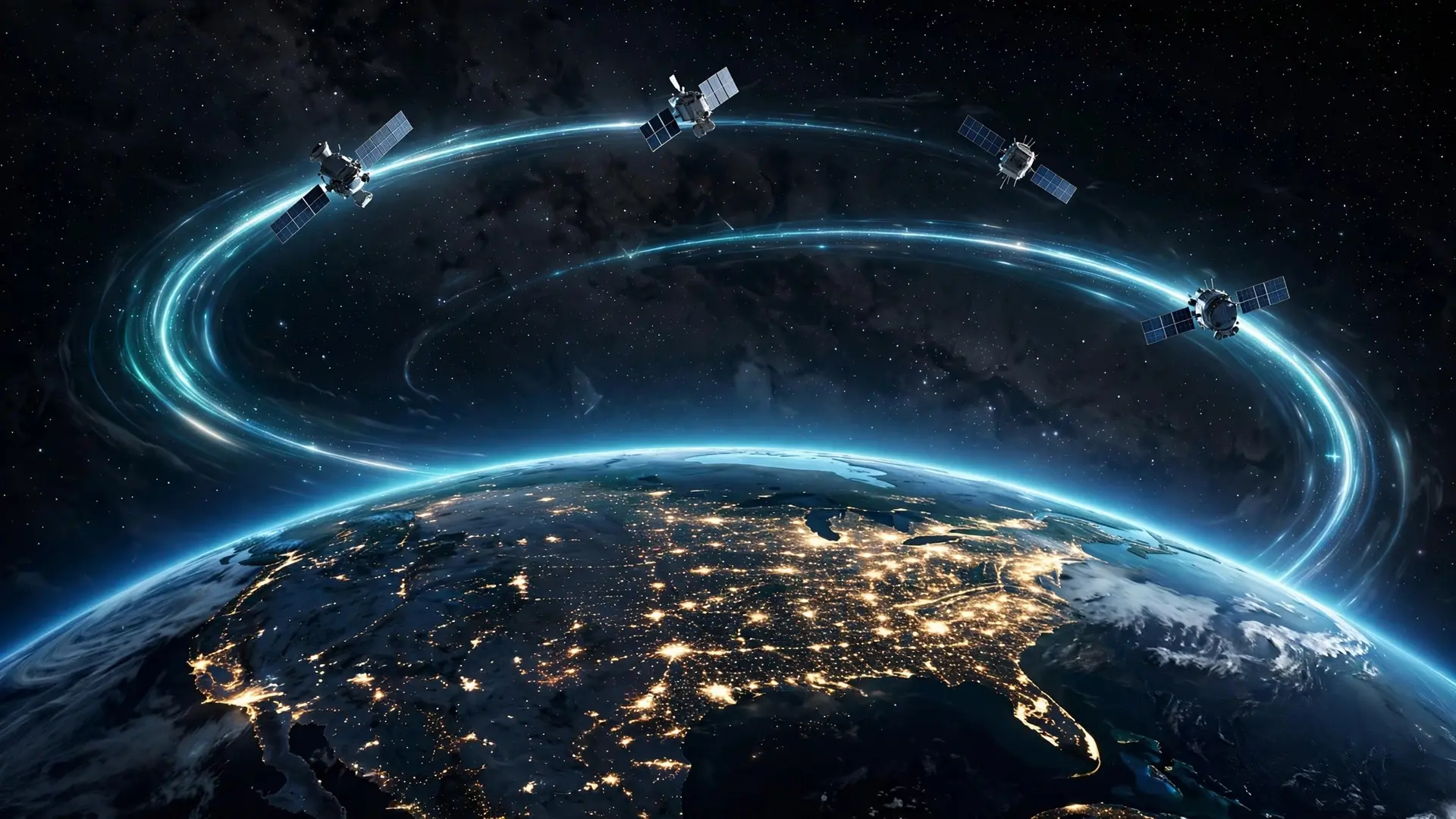 technology6 min read
How Satellites Stay in Orbit Without Falling Down
A satellite in orbit is falling toward Earth at 28,000 km/h — and never lands. Here is how gravity and speed keep it circling, and why drag pulls it down.
Read Article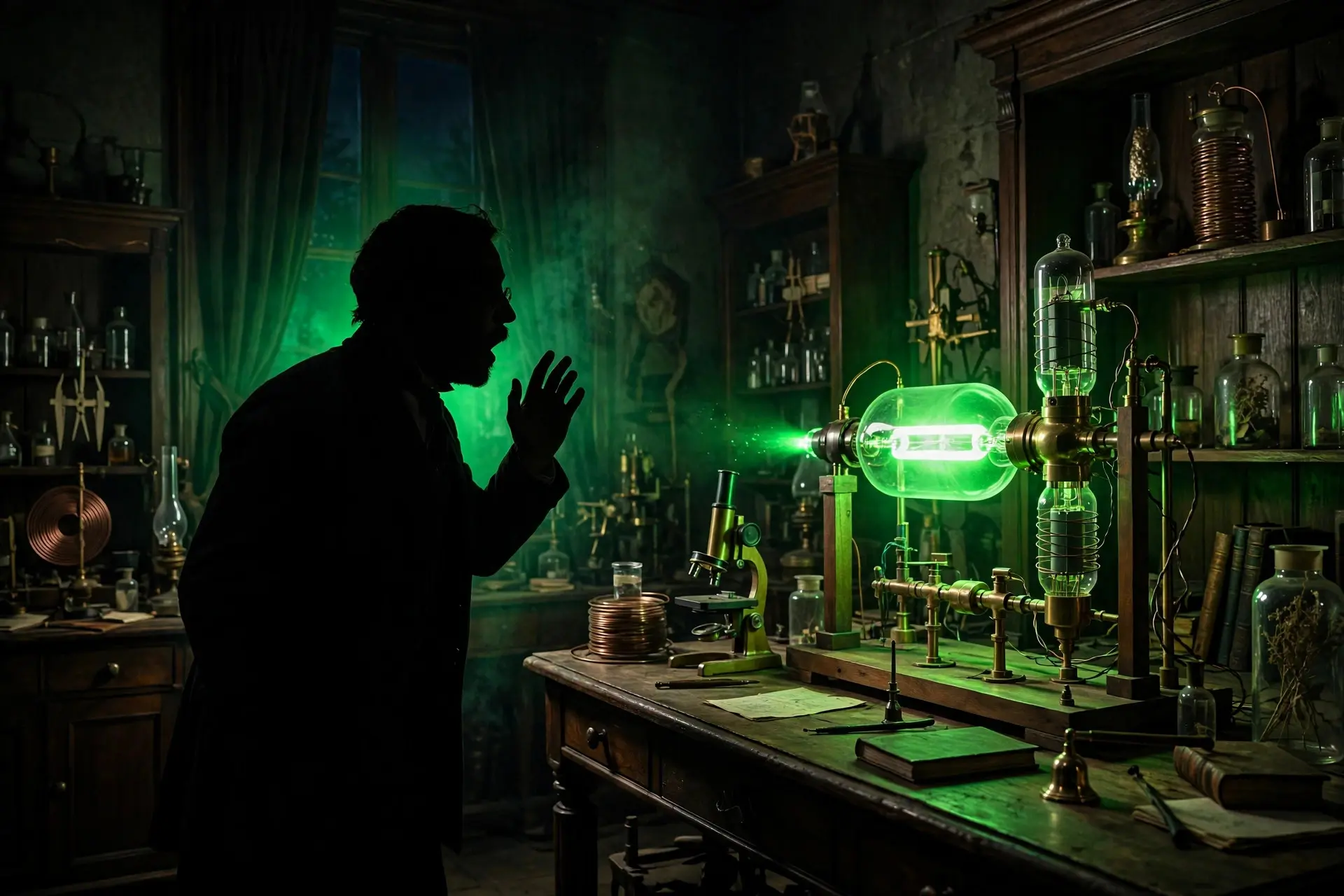 discoveries7 min read
How X-Rays Were Discovered by Accident in 1895
November 1895: a glowing screen in a dark Würzburg lab revealed invisible rays. How Röntgen turned that flicker into X-rays — and why he refused to patent them.
Read Article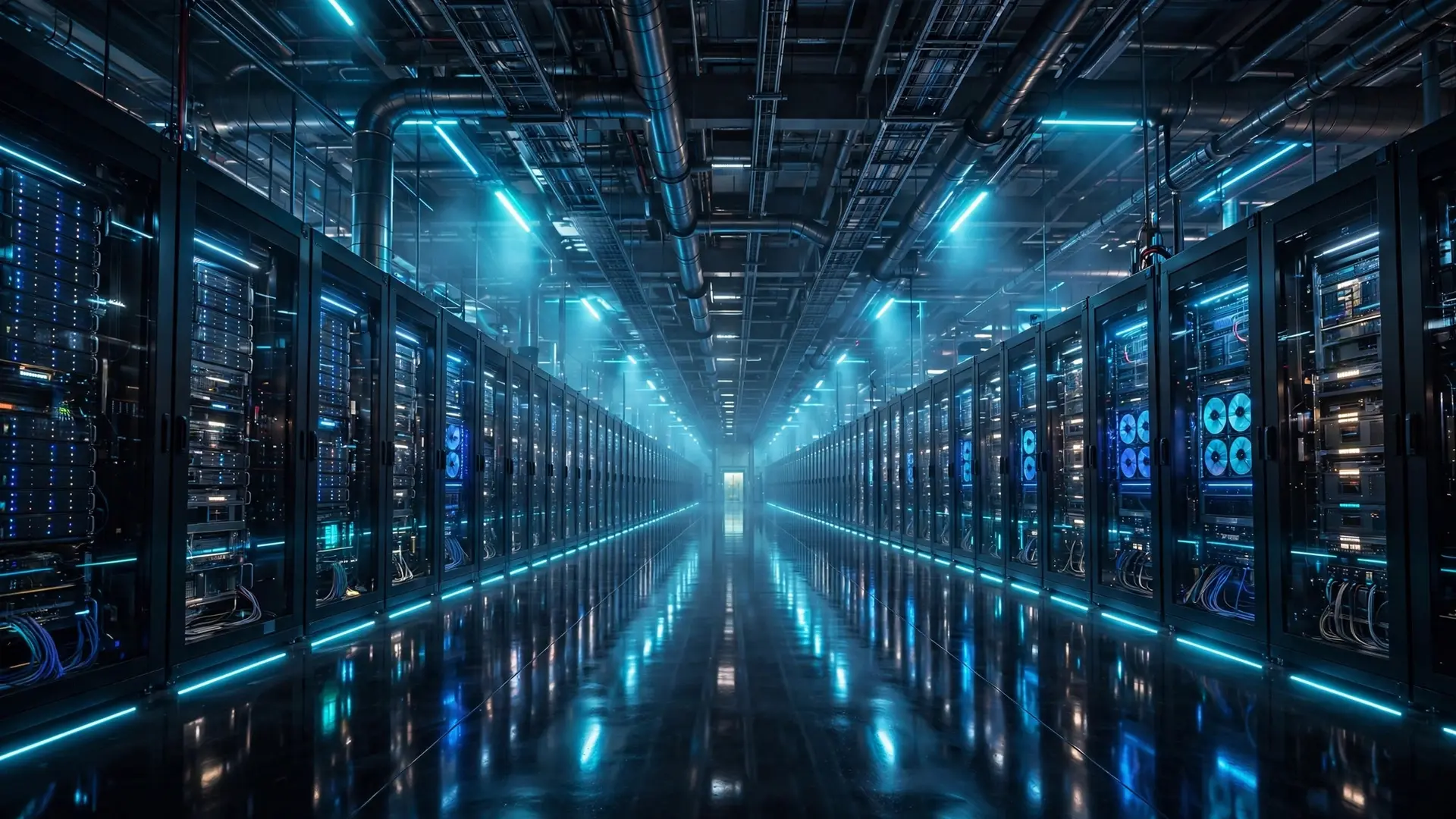 technology6 min read
Inside a Data Center: The Physical Internet
The internet is not a cloud — it is warehouses of servers devouring power. Step inside a data center and see the power, cooling, and fiber behind each click.
Read Article geography7 min read
Pampas of South America: Inside the World's Breadbasket
The Pampas' dark soils feed the world — Argentina's beef, soy, and wheat. Explore the grassland's fertility, the gaucho, and what's vanishing.
Read Article science7 min read
Photosynthesis: Nature's Most Important Chemical Reaction
Photosynthesis powers nearly all life on Earth — yet plants turn only a few percent of sunlight into food. How does this wasteful-looking chemistry really work?
Read Article history5 min read
The Black Death's Unexpected Economic Aftermath
The 1347-1353 plague killed up to half of Europe — yet scarcity made labor valuable. Wages rose, wage laws failed, and feudalism gave way to a wage economy.
Read Article geography7 min read
The Strait of Gibraltar: Where Two Seas Meet
Fourteen kilometers of water separate two continents — and two seas that flow in opposite directions, one above the other, in the planet's elegant crossing.
Read Article curiosities6 min read
Why Your Fingers Wrinkle in Water — And Why It Helps
Your pruney fingers aren't soaking up water — your nervous system deflates them. This strange response may be an evolved rain-tread design for better grip.
Read Article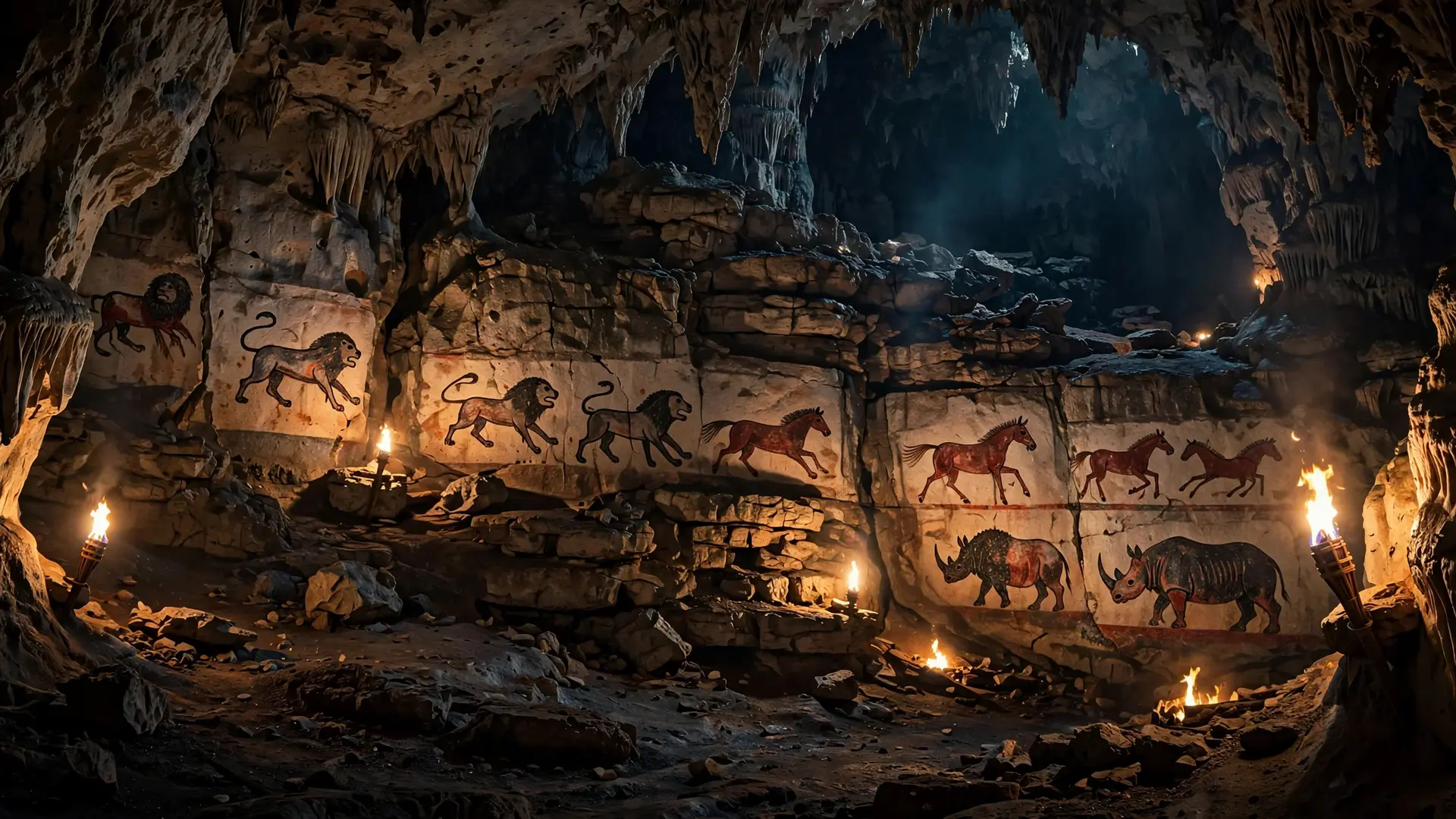 discoveries6 min read
Chauvet Cave: Art Twice as Old as Lascaux
Discovered by chance in 1994, France's Chauvet Cave holds 36,000-year-old paintings experts once doubted were real. One sealed cavern rewrote art's history.
Read Article technology6 min read
How Encryption Keeps Your Messages Private
Your messages are scrambled so you and the recipient can read them. Discover the key-exchange trick, AES-256, and the Signal protocol behind it all.
Read Article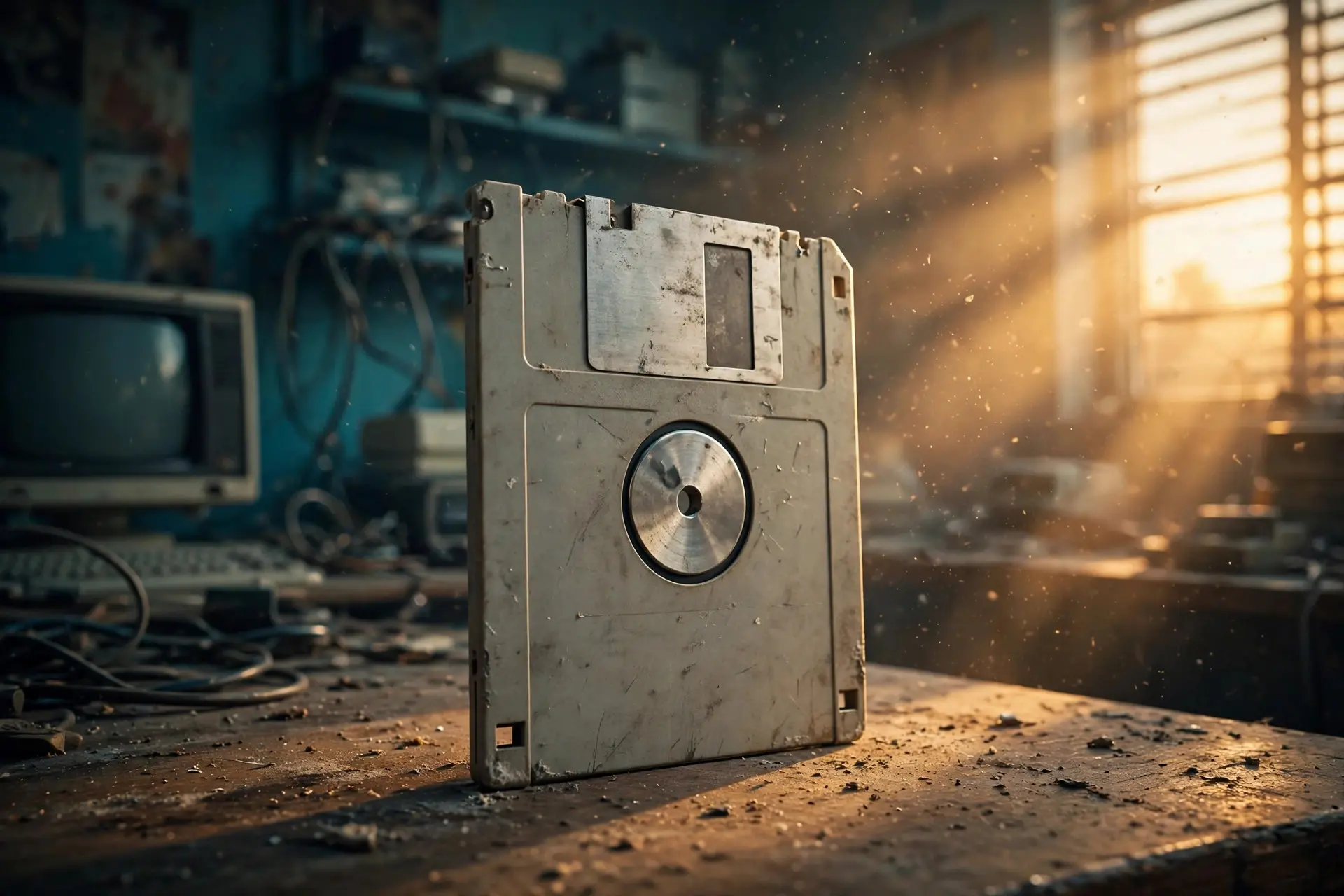 technology6 min read
How the Floppy Disk Rose, Ruled, and Vanished
From IBM's 1967 invention to a 1.44 MB icon, the floppy disk carried personal computing on its back. Discover how CDs, email, and the iMac ended its reign.
Read Article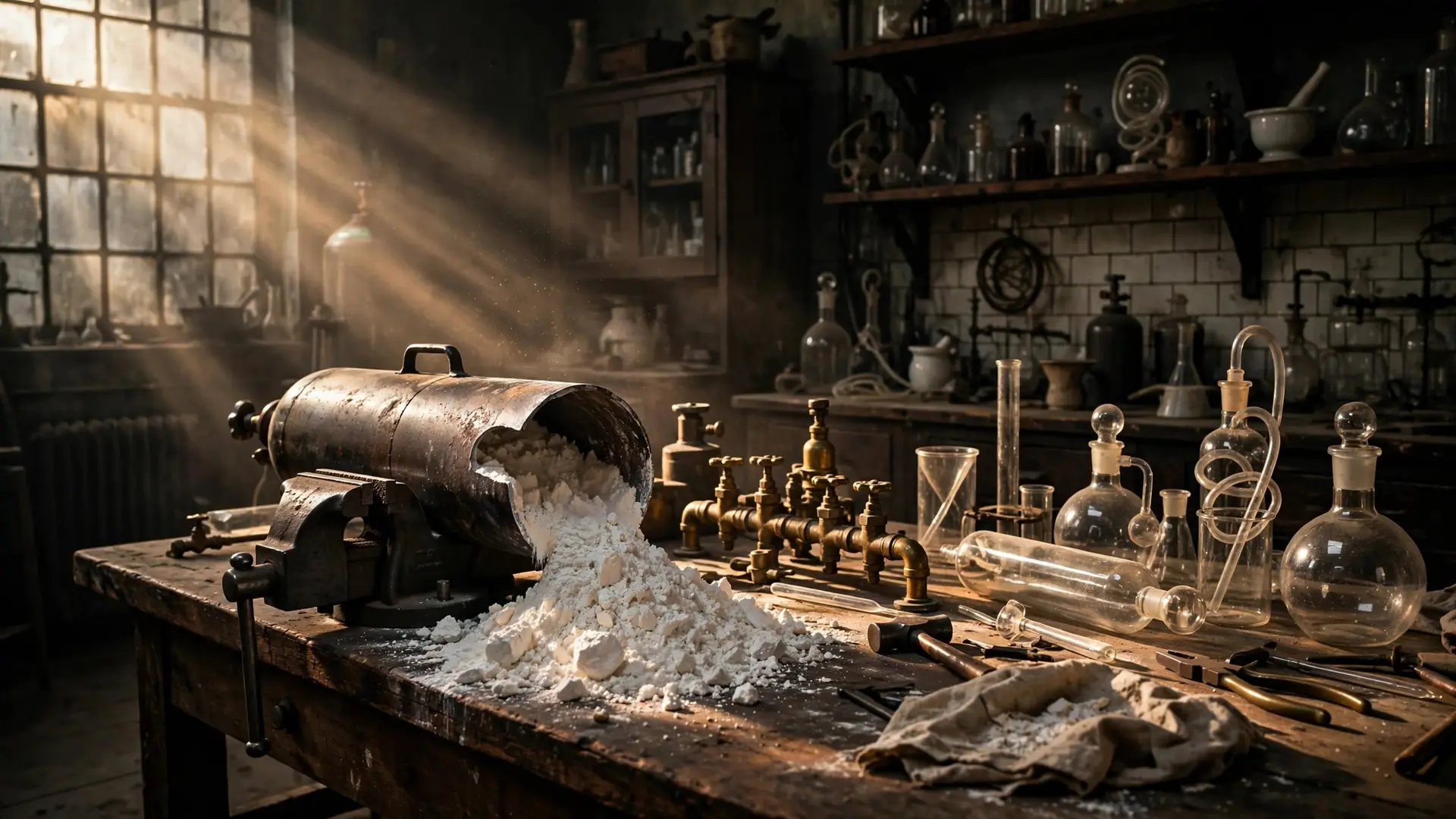 discoveries6 min read
Teflon: The Refrigerant Accident That Made History
In 1938, chemist Roy Plunkett found a refrigerant had turned into a slippery mystery. How Teflon went from lab accident to wartime secret to kitchen staple.
Read Article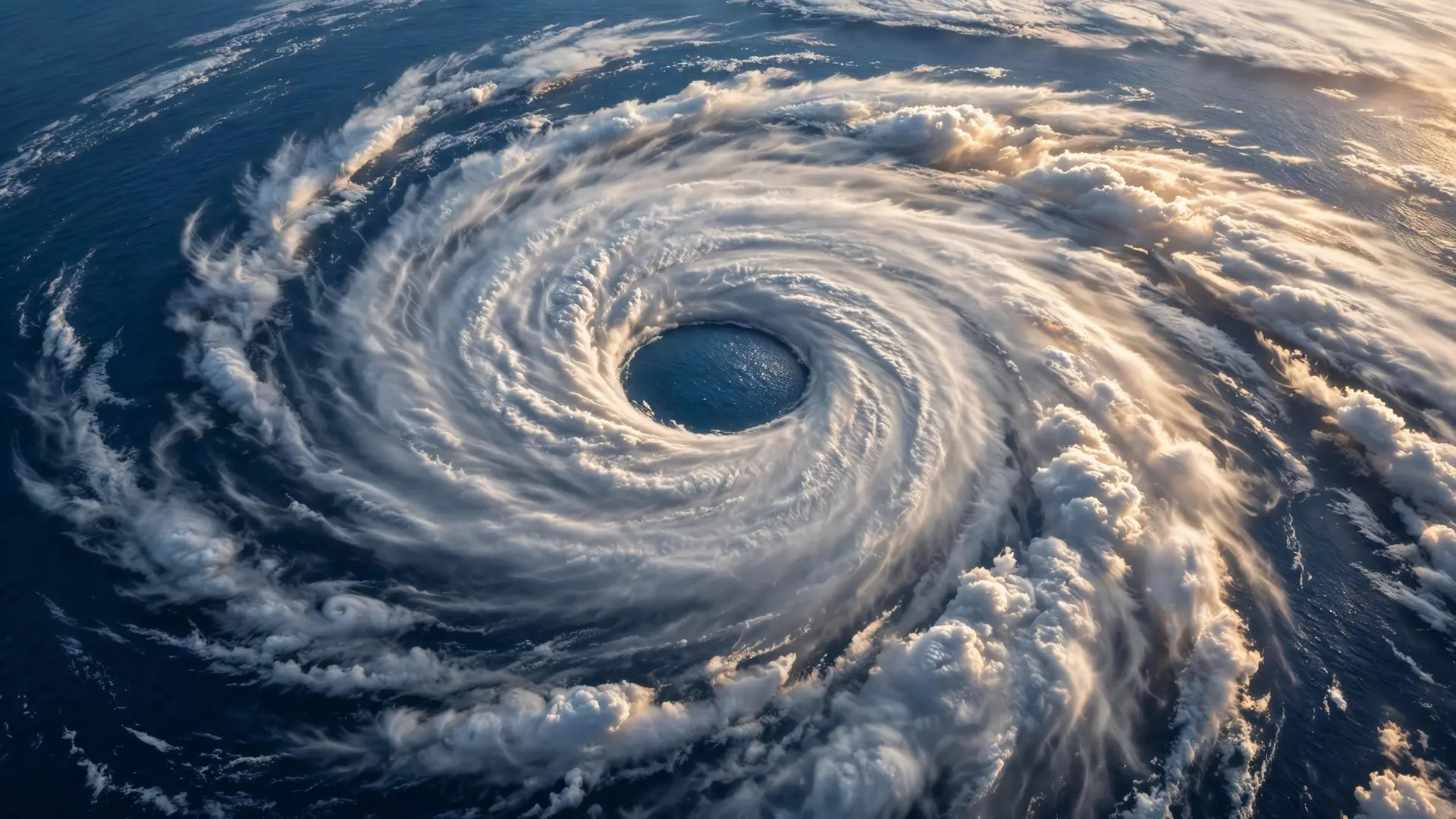 science6 min read
The Coriolis Effect: Why Hurricanes Spin Differently
Earth's rotation bends everything moving on the planet. How this invisible force spins hurricanes in opposite directions — and why no storm crosses the equator.
Read Article history6 min read
The Great Fire of London: How Disaster Rebuilt a City
In four days in September 1666, fire erased most of medieval London — and gave Parliament a rare chance to rewrite the rules of how cities are built.
Read Article history6 min read
The Opium Wars: Trade, Addiction, and Empire
Britain fixed its China trade deficit with opium — and when China fought back, gunboats kept the trade open. The story of addiction as an instrument of empire.
Read Article curiosities6 min read
The Science of Contagious Yawning: More Than Empathy
One yawn crosses the room and suddenly you're yawning too. Mirror neurons, empathy, and an ancient group alarm may explain the reflex you can't control.
Read Article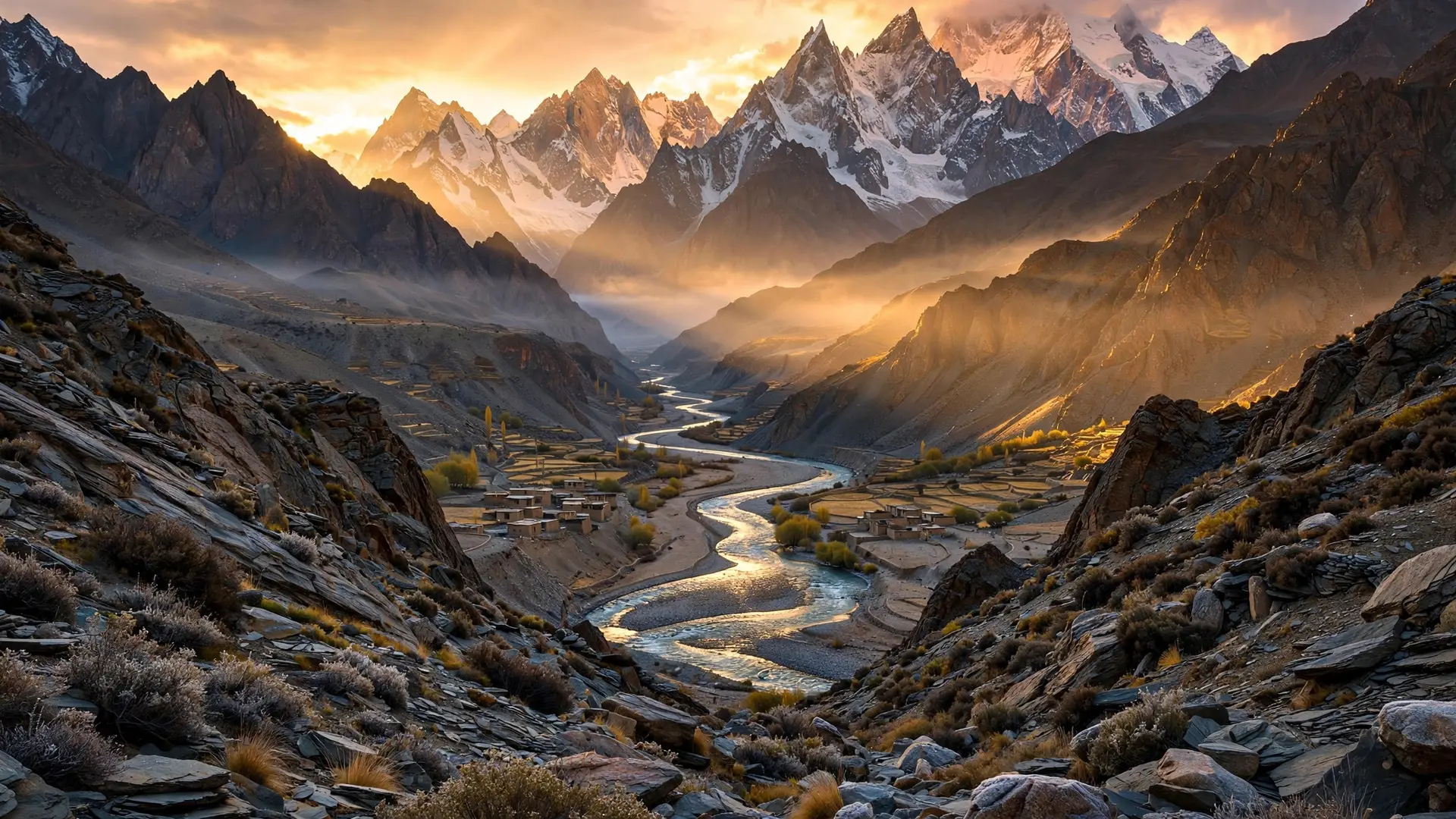 geography5 min read
The Wakhan Corridor: Afghanistan's Narrow Passage
A 350-kilometer sliver of Afghanistan separates four countries — and it only exists because 19th-century Britain and Russia feared their empires might touch.
Read Article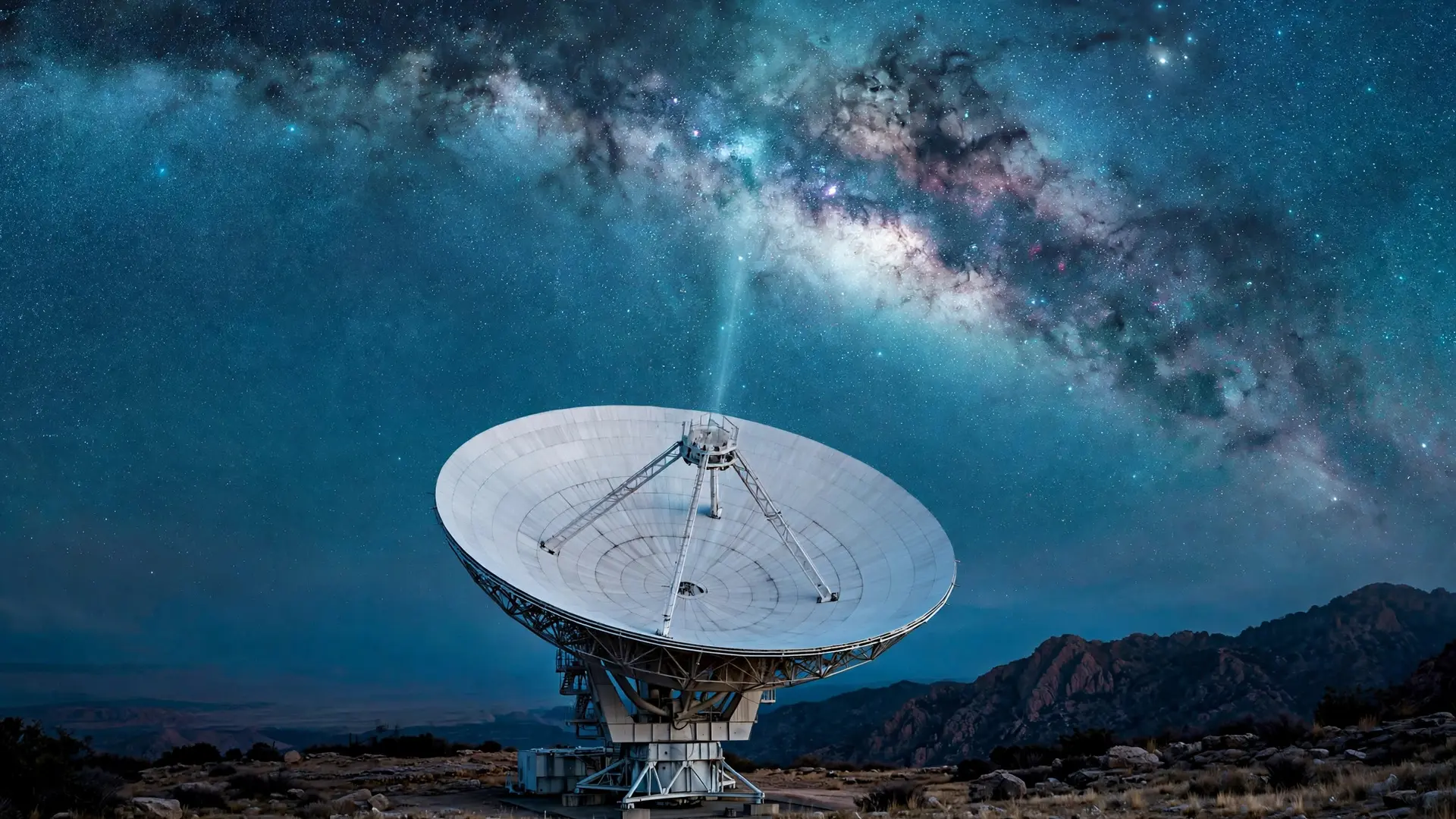 curiosities6 min read
The Wow! Signal: Astronomy's Greatest Mystery
In 1977, a 72-second radio burst from Sagittarius matched every test for an alien signal — then vanished forever. Decades of science still can't explain it.
Read Article science7 min read
Why Do We Dream? The Leading Theories Explained
Why do we dream? From Freud's hidden desires to the brain's nightly replay of memories, here are the leading theories — and what they still can't explain.
Read Article