
Technology
The engineering, mechanics, and computational systems powering the modern world.
Page 2 of 2
 6 min read
How the Floppy Disk Rose, Ruled, and Vanished
From IBM's 1967 invention to a 1.44 MB icon, the floppy disk carried personal computing on its back. Discover how CDs, email, and the iMac ended its reign.
Read Article 6 min read
How Touchscreens Detect Your Finger Instantly
Your phone senses your finger with an invisible grid of capacitors, reading femtofarad shifts thousands of times a second. Here is the physics behind every tap.
Read Article 6 min read
The First Computer Bug Was a Literal Moth
In 1947, engineers taped a dead moth into the Harvard Mark II logbook as the first actual case of bug being found. Here is the true story behind the word.
Read Article 7 min read
How Lithium-Ion Batteries Actually Store Energy
A lithium-ion battery stores energy as chemical potential, shuttling ions between graphite and metal oxide. Here is how that migration powers your phone.
Read Article 6 min read
What Happens When You Press Send on an Email
Pressing Send launches a relay: SMTP submission, a DNS hunt for mail servers, then spam-filter inspection. Follow one email's journey to the inbox.
Read Article 7 min read
How Noise-Cancelling Headphones Erase Sound
Active noise cancellation fights sound with sound: microphones and a DSP chip build an inverted wave that erases engine hum before it reaches your ears.
Read Article 6 min read
Why the QWERTY Keyboard Layout Has Lasted 150 Years
QWERTY wasn't designed to slow you down. It was a mechanical fix for 1870s typewriters that survived through habit, training, and the economics of lock-in.
Read Article 6 min read
How QR Codes Store Data Hidden in Plain Sight
A QR code is half message, half machinery: finder patterns lock on fast, data is woven in a zigzag, and Reed-Solomon math rebuilds up to 30% of damage.
Read Article 5 min read
Undersea Cables Carrying 99% of Intercontinental Internet
Over 99% of intercontinental internet traffic travels not by satellite but through glass fibers on the ocean floor, laid across 1.4 million kilometers.
Read Article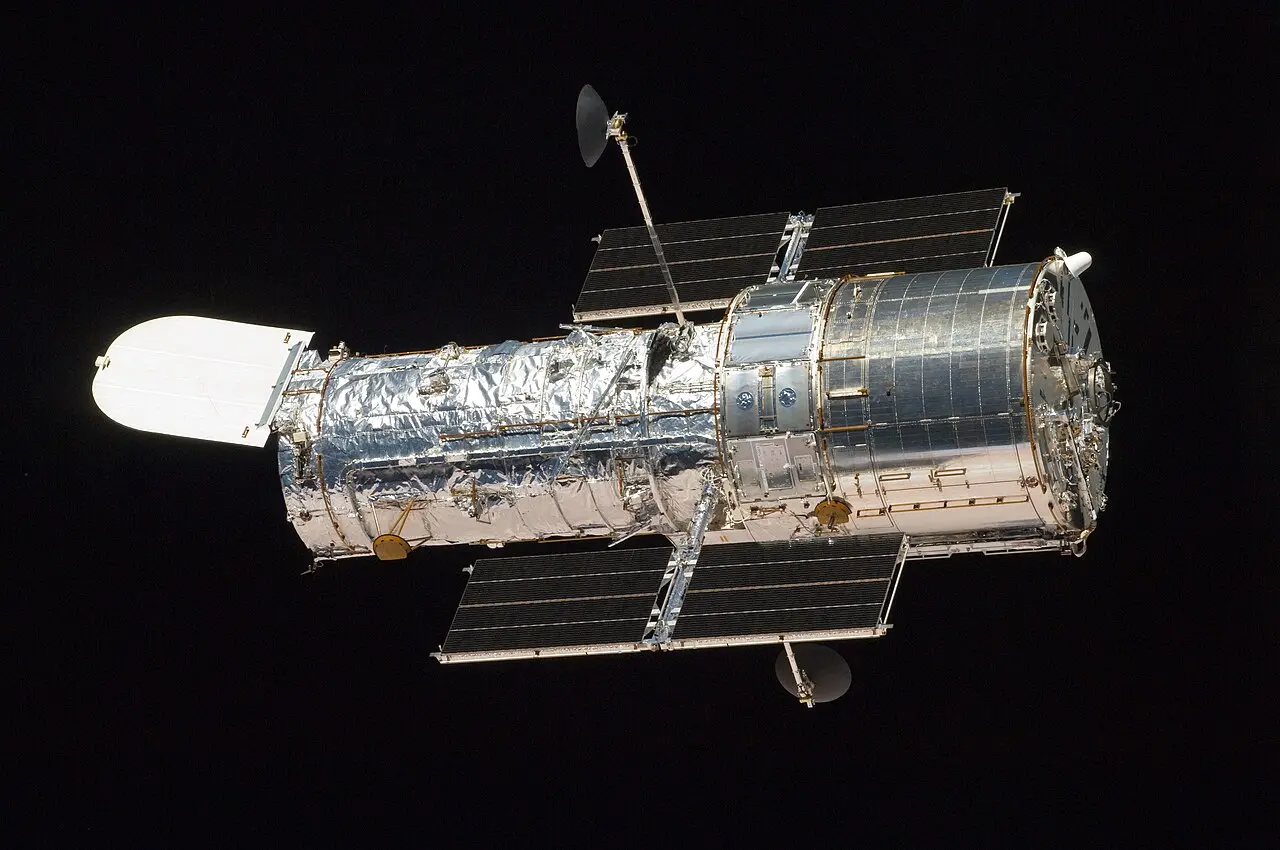 6 min read
Hubble Space Telescope: The Flawed Mirror and Its Rescue
Hubble launched in 1990 with a mirror ground 2.2 microns too flat. How astronauts fixed it in 1993, what it has discovered since, and how long it can last.
Read Article 7 min read
Why Concorde Stopped Flying, and Why Nothing Replaced It
Concorde crossed the Atlantic at Mach 2 for 27 years, then lost to fuel costs, sonic booms and a fatal crash. Why it retired in 2003, and what may come next.
Read Article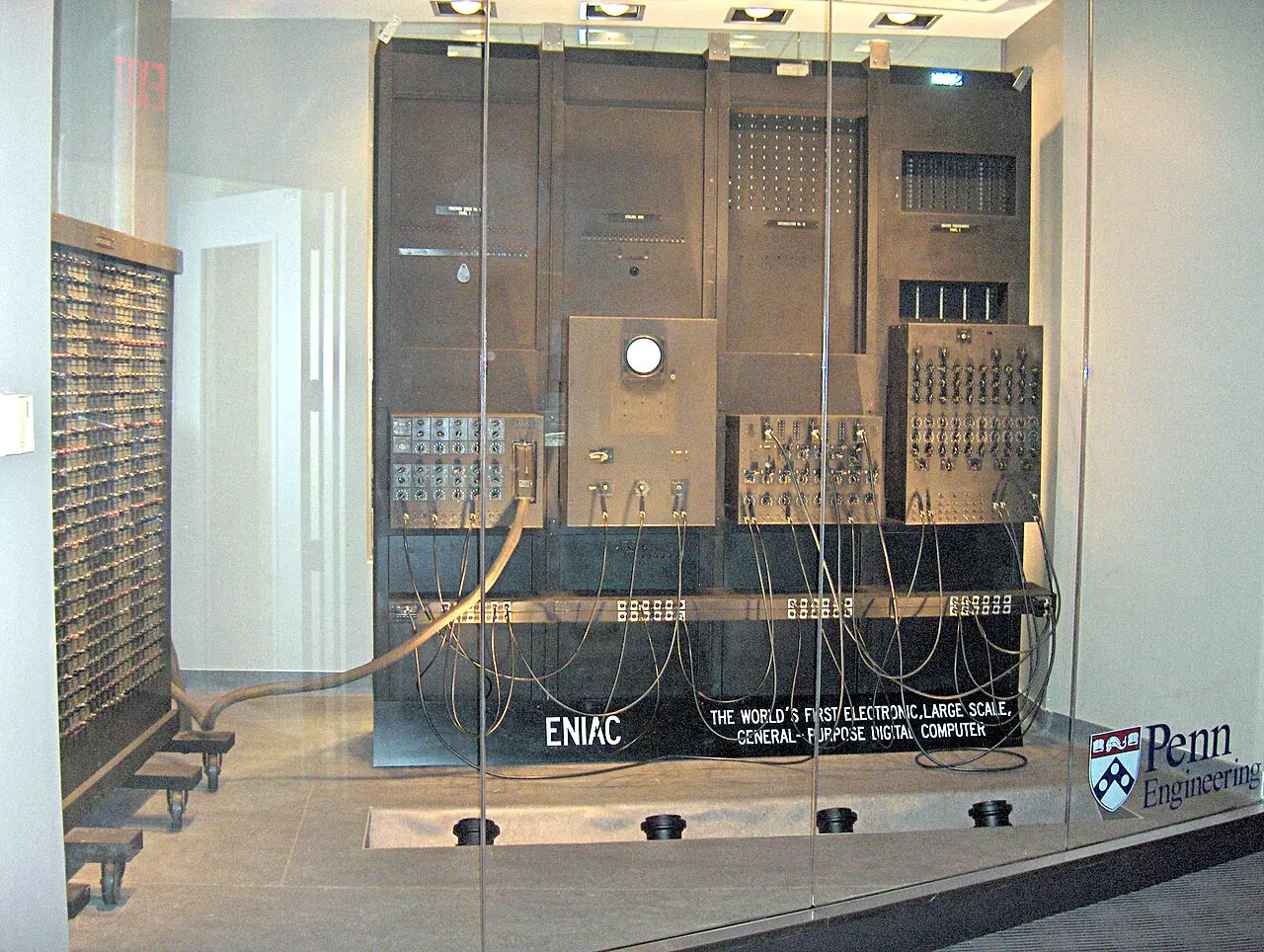 6 min read
ENIAC and the Six Women Who Programmed It
ENIAC filled a room with nearly 18,000 vacuum tubes and was programmed by hand with cables and switches. How it worked, and the six women who first ran it.
Read Article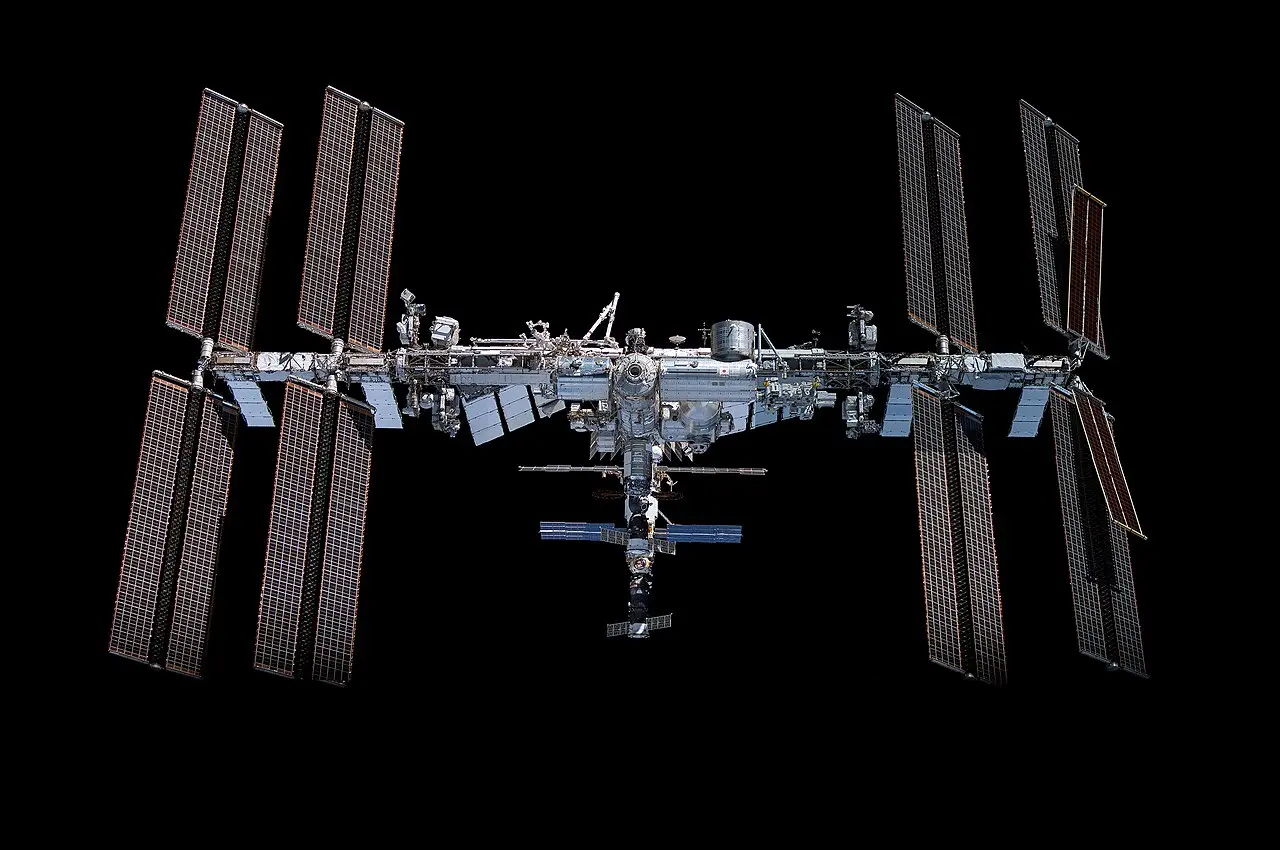 6 min read
Inside the ISS: How It Stays in Orbit and Keeps Crews Alive
The International Space Station circles 400 km up at 28,000 km/h. How it holds its orbit, recycles 98% of its water, and what will happen to it after 2030.
Read Article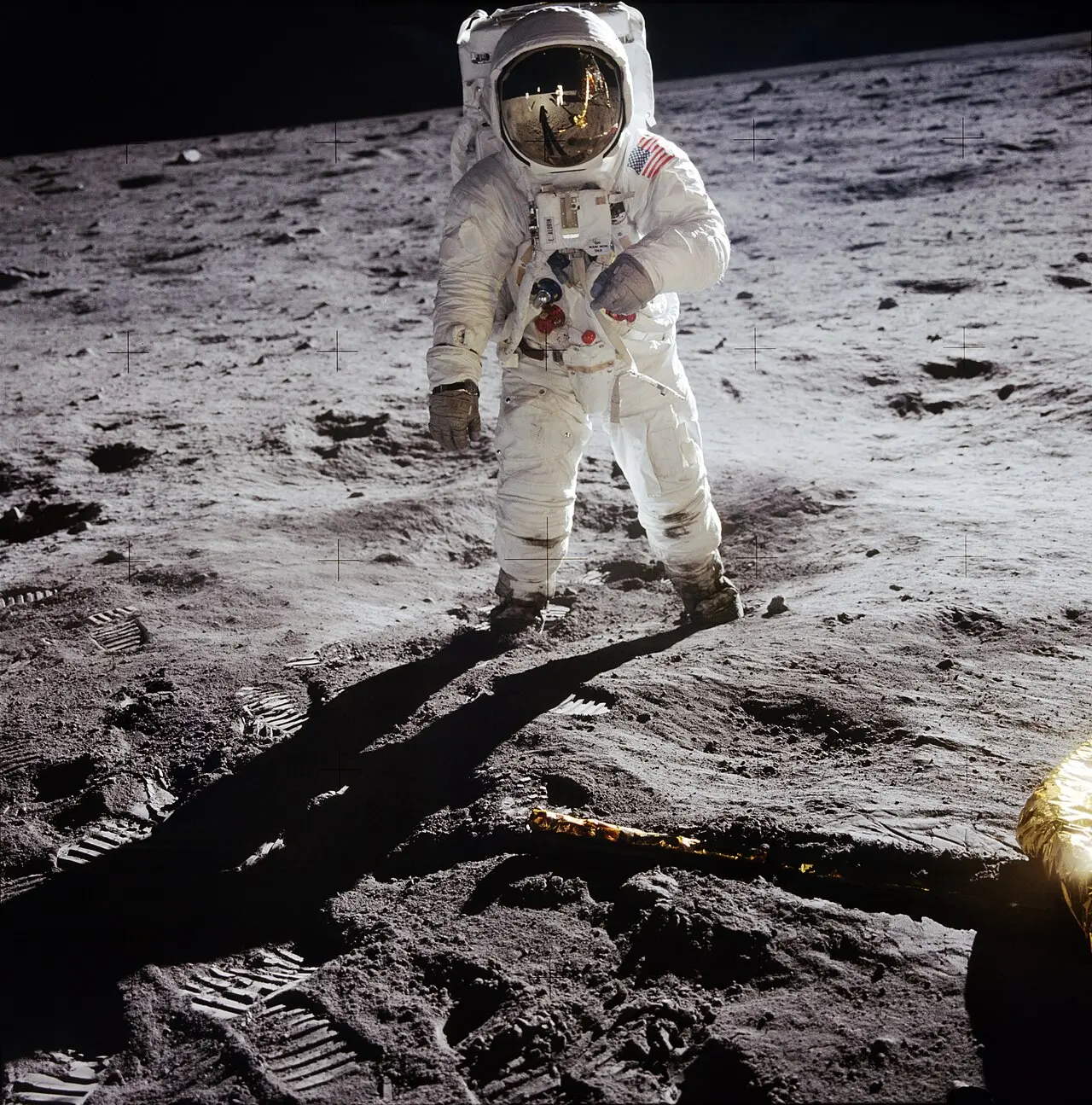 7 min read
How Apollo 11 Landed on the Moon: Inside the Descent
Apollo 11's landing rode on hand-woven computer memory, five program alarms and a fuel gauge that read low. Here is how Eagle reached the Moon on 20 July 1969.
Read Article 5 min read
Beyond Bits: How Quantum Computing is Reshaping our Reality
An exploration into the mechanics of quantum computing, its potential to solve complex global challenges, and what it means for the future of technology.
Read Article 5 min read
Edge Computing and Smart Cities: Processing at the Source
Instead of sending data to distant clouds, edge computing processes it where it's created. See how this shift is quietly powering smarter, faster cities.
Read Article 5 min read
The Privacy Paradox: Identity in an AI-Driven World
As artificial intelligence becomes deeply integrated into our daily lives, we examine the delicate balance between hyper-personalization and personal privacy.
Read Article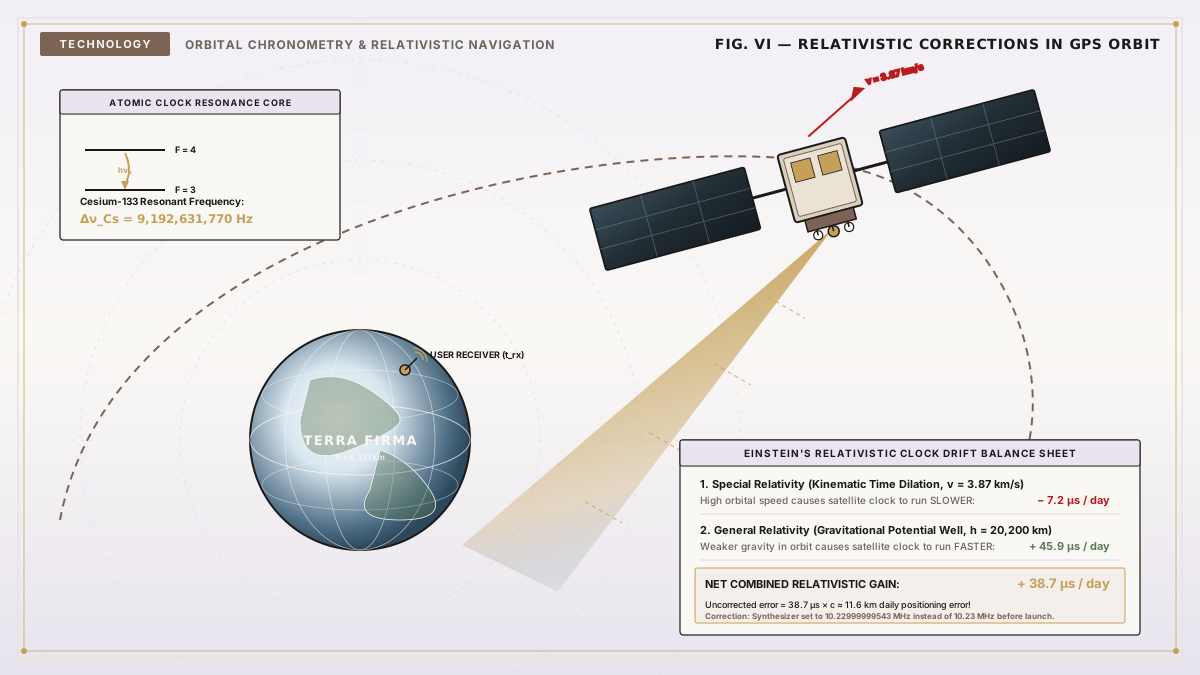 7 min read
How GPS Satellites Keep Atomic Time Against Relativity
GPS is really a global clock, not just a navigator. Learn how atomic clocks in orbit correct for Einstein's relativity to keep your position accurate to meters.
Read Article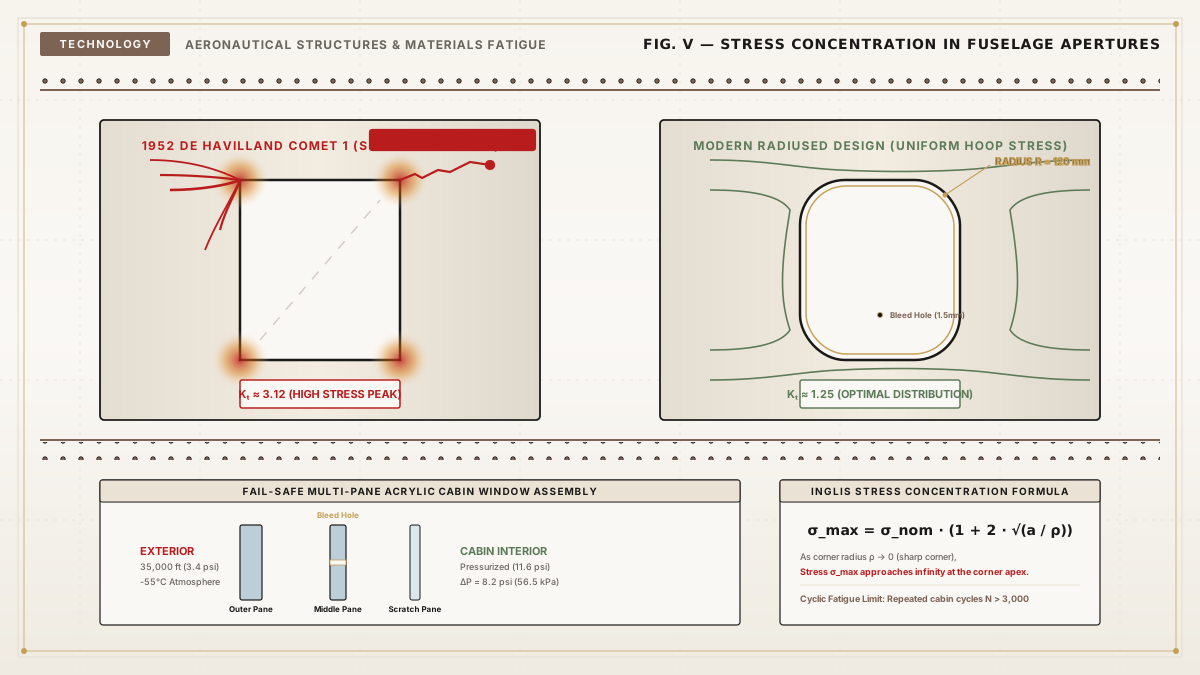 7 min read
Why Airplane Windows Are Rounded: Lessons From the Comet
Rounded airliner windows aren't a design choice - they're a safety lesson. Discover how the de Havilland Comet's crashes revealed the danger of square corners.
Read Article