Why Do We Get Butterflies in Our Stomach?
Butterflies in your stomach are your gut's blood supply being diverted to your muscles. Here's the fight-or-flight science behind the flutter.

Key takeaways
- Butterflies are caused by reduced blood flow to the stomach: adrenaline diverts blood to the muscles during the fight-or-flight response.
- The sensation comes from constricted gut blood vessels plus irregular gut-muscle contractions as digestion is temporarily shut down.
- Your gut is sometimes called the 'second brain' — it is in constant conversation with your actual brain, which is why emotions hit it first.
- Excitement and anxiety trigger identical body responses; only your brain's interpretation of the moment differs.
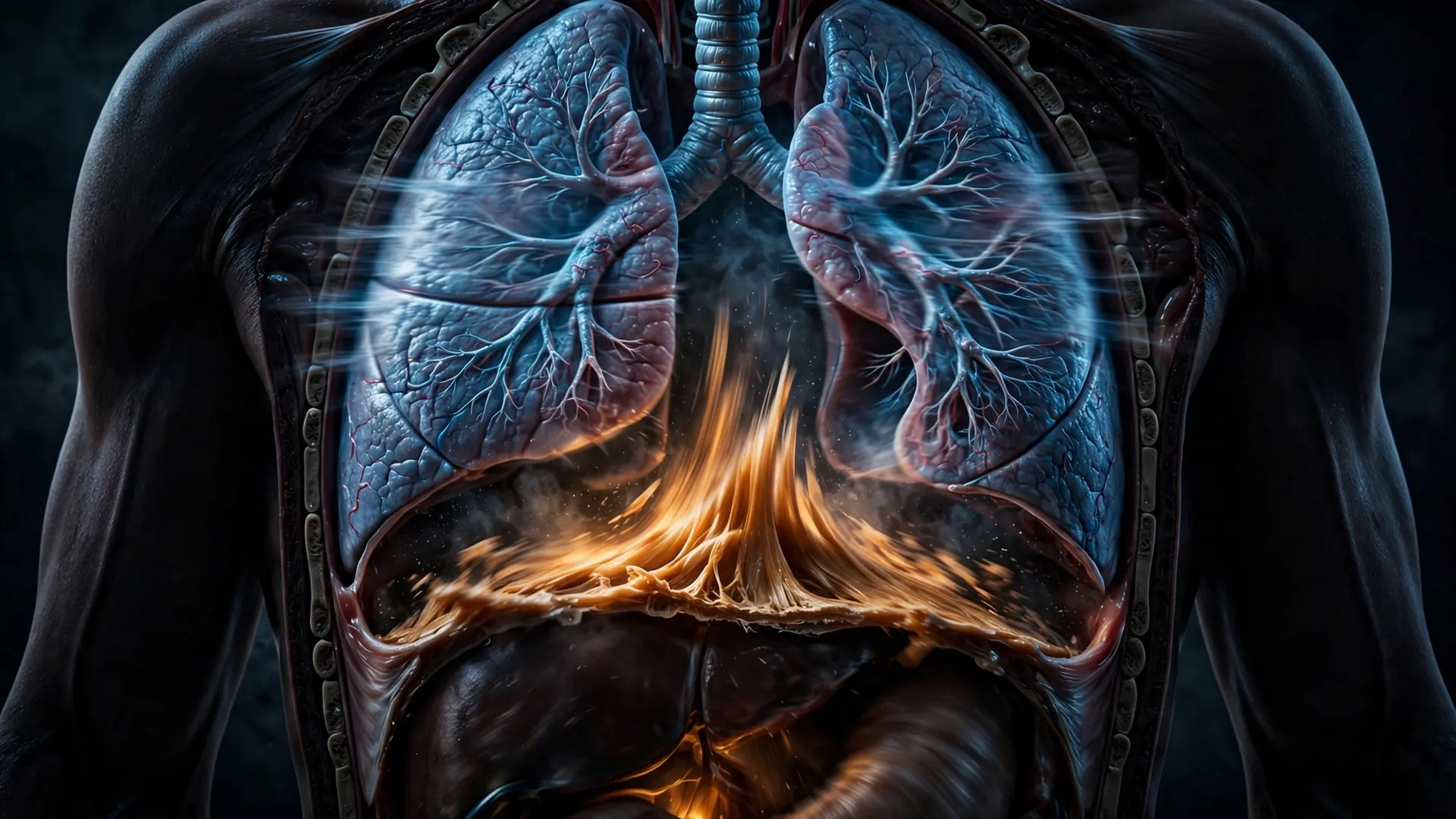
The feeling is unmistakable: a fluttering, churning unease deep in your belly before a job interview, a first date, a big exam. There are, of course, no actual butterflies in there. What you are feeling is your digestive system being temporarily shut down so your body can deal with what it thinks is an emergency. In plain terms: when your brain decides a moment matters — whether it is thrilling or terrifying — it redirects your blood away from your stomach and toward your muscles. Your gut notices the shortage, and it complains. That complaint is the flutter.
What is actually happening inside your gut?
It starts with your autonomic nervous system, the part of your nervous system that runs your body without asking your permission — heart rate, blood flow, digestion. It has two branches that constantly work against each other: the sympathetic branch, nicknamed "fight-or-flight," and the parasympathetic branch, nicknamed "rest-and-digest." After a large lunch, the rest-and-digest branch is dominant, which is why you feel content and sleepy while your blood concentrates on digestion. Now imagine you are about to give a speech to a large audience. Your brain registers a high-stakes situation, and the fight-or-flight branch takes over. Your adrenal glands, small organs sitting atop your kidneys, release adrenaline and cortisol into your bloodstream. Your heart rate climbs to pump blood faster. Glucose floods out of the liver for quick energy. And — crucially — blood is shunted away from your digestive tract toward the muscles in your arms and legs, the ones you would need to fight or flee. This sudden shortage of blood to the gut has immediate side effects. The blood vessels supplying the stomach and intestines constrict, reducing flow through the region. The muscles surrounding the stomach and intestines slow their rhythmic mixing of partially digested food, and instead of smooth, orderly contractions, the gut muscles start firing irregularly. The stomach's own sensory nerves register the missing blood and oxygen and send up a protest. That protest — constricted vessels plus disrupted gut movement — is the flutter you feel.
Adrenaline even does something stranger: while it tightens most of the gut wall, it relaxes one specific muscle, the external anal sphincter — which is why some people feel a sudden pressing need to find a bathroom when they are nervous. It is an undignified detail, but a vivid one: proof of just how thoroughly your emotions commandeer your digestion. This is the same ancient survival wiring that makes your brain freeze when you eat ice cream too fast — your body reacting to a perceived threat before your conscious mind has caught up.
Why does the gut react to emotions at all?
Because the gut is listening. Scientists sometimes call the digestive tract the body's "second brain": it contains a vast network of neurons and stays in constant conversation with the brain in your skull. When you experience strong emotions — anticipation, nervousness, excitement — that conversation becomes more active, and the gut is unusually sensitive to the shift. Think of it from an evolutionary perspective. Your body is built for a world where a sudden surge of emotion might mean a predator, a rival, or a fight. Digestion is a luxury activity: it burns energy and ties up a huge share of your blood. When your nervous system decides the next few minutes matter more than your last meal, it does the sensible thing and pauses the luxury. The flutter is simply your gut adjusting to the demotion. The vagus nerve — the long nerve running from the brainstem down through the torso — is the main telephone line in this conversation, carrying signals back and forth between brain, heart, and digestive system. Your stomach is not an isolated bag of acid; it is wired directly into your emotional circuitry. That is why a feeling can hit your stomach before you have even fully understood what you are feeling.
Why do excitement and love feel exactly like fear?
Here is the strangest part: your body cannot tell the difference between being thrilled and being terrified. The same hormones flood the system, the same blood leaves the gut, the same flutter arrives — whether you are walking into an exam or toward someone you have a crush on. Romantic excitement is a classic trigger: before meeting a potential love interest, adrenaline and sometimes cortisol surge, producing the famous "butterflies" of new love. Medically, the causes are listed as the fight-or-flight response, anxiety, limerence, and social stress — but physiologically they are all the same event.
The difference is not in the body; it is in the mind. Your brain interprets the identical bodily signals according to context. Label the flutter as excitement, and it feels almost exhilarating. Label it as anxiety, and it feels like dread. Research on the gut-brain connection keeps confirming the same pattern: what stays constant is how your body responds, what changes is the story your mind tells about it. This is also why emotional moments produce such physical reactions elsewhere — like the goosebumps that music can raise on your skin — and it all starts with neurons passing chemical messages to each other. Even the phrase itself has a history. It dates to 1908, when the American author Florence Converse used it in her novel The House of Prayer — and it has been in widespread use for over a century, which tells you how universal, and how unchanging, the sensation is.
Can you calm the butterflies?
If the butterflies are the excited kind — a first date, a performance — you might not want to. But when they are the dreadful kind, there are ways to settle them, and they all work by speaking to the nervous system in its own language. Slow, deep breathing nudges the balance back toward the rest-and-digest branch. Gentle movement and grounding exercises do the same. And there is a surprisingly effective mental trick: deliberately reframe the feeling as excitement rather than anxiety. Since the body response is identical either way, changing the label genuinely changes the experience. If the flutter shows up constantly, or arrives with intense anxiety, that is worth taking seriously — persistent gut-level dread can be a sign of an anxiety disorder, and techniques like cognitive behavioral therapy are designed for exactly that. But for most of us, most of the time, butterflies are nothing more than a very old alarm system doing its job. Your body thought something important was happening, it moved the blood where it was needed, and your stomach sent up a flutter to mark the occasion. So the next time your stomach flutters before the moment that matters, remember what it really is: not insects, not illness, just your body preparing for action the way it has for thousands of years. The butterflies are proof your gut and your brain are on the same page — even when you wish they weren't.
Frequently asked questions
Are butterflies in the stomach dangerous?
No. They are a normal, temporary part of the fight-or-flight response. Blood returns to the gut and the flutter fades once the stressful or exciting moment passes.
Why do I feel butterflies before a date but not before a meeting?
Romantic excitement triggers the same adrenaline release as fear. The body can't tell the difference between thrilled and terrified — only your interpretation differs.
How can I calm butterflies in my stomach?
Slow, deep breathing helps settle the nervous system. Reframing the feeling as excitement rather than anxiety can also change how unpleasant it feels.