
The Archives
397 enduring inquiries, newest first. Browse by topic or explore chronologically.
Page 8 of 17
 geography6 min read
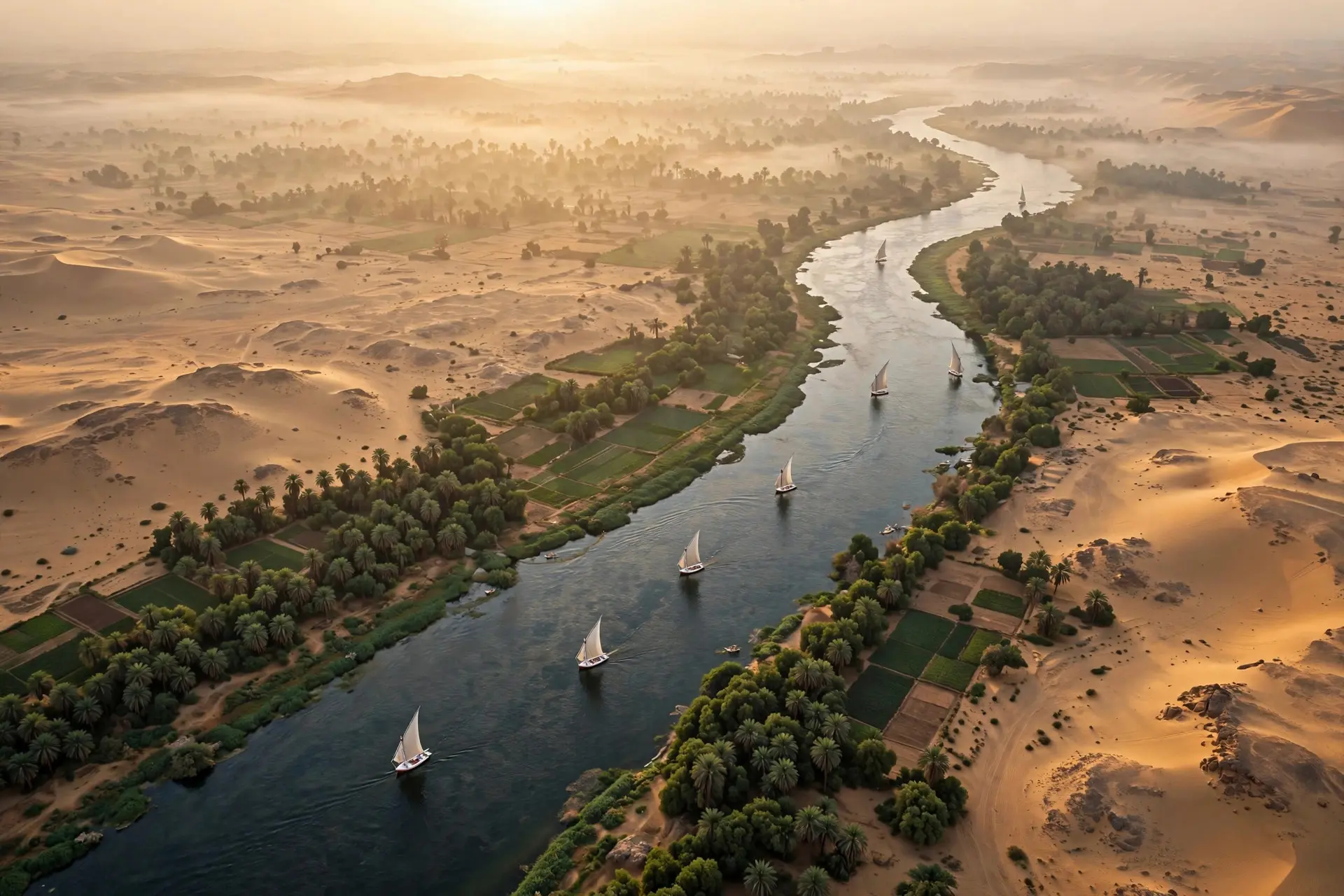
The Nile: Africa's Longest River Explained
The Nile runs 6,695 km from Burundi's highlands to the Mediterranean — but is it truly the world's longest river? The answer is more contested than it looks.
Read Article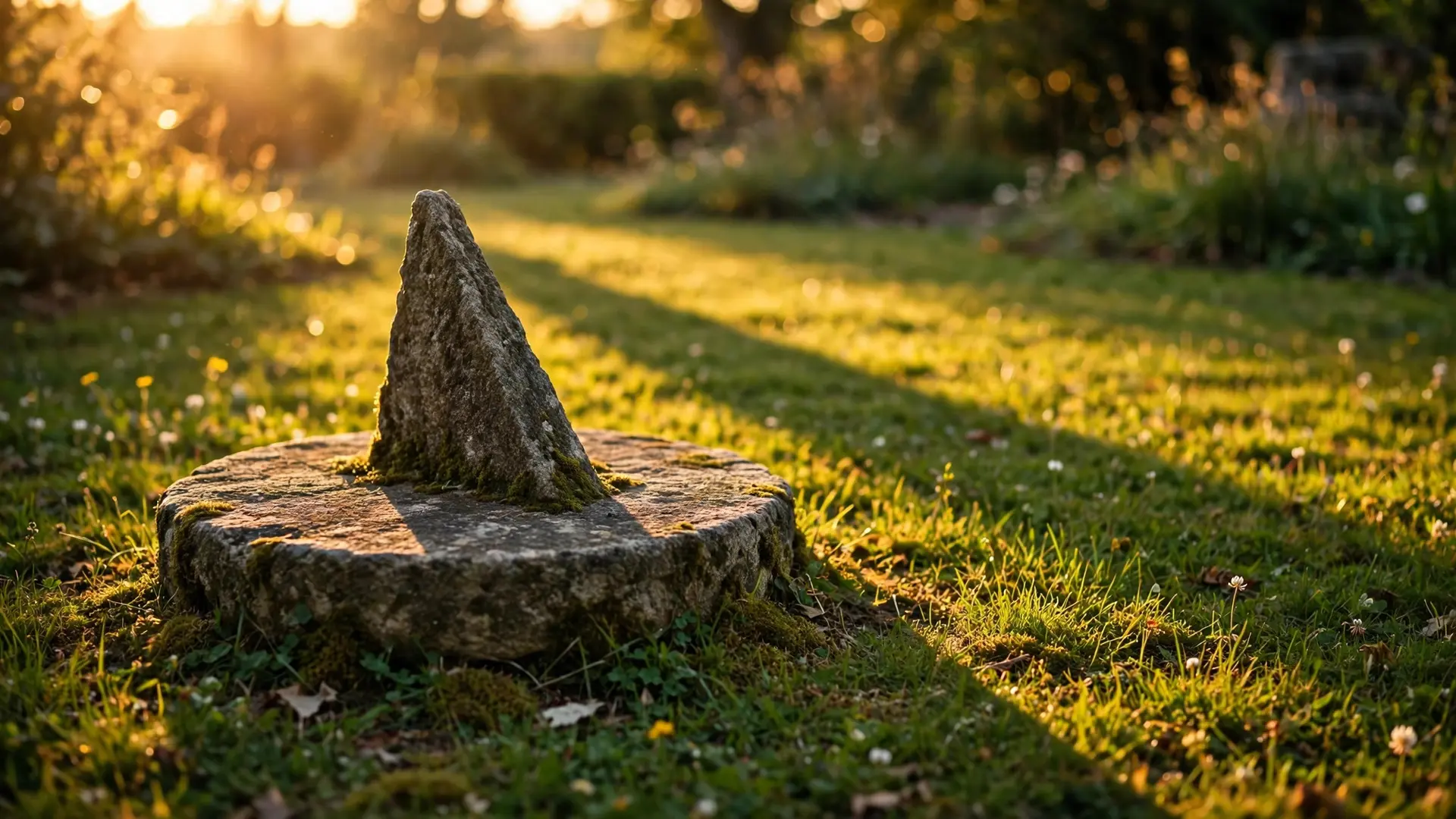 curiosities6 min read
Why Do All Clocks Run in the Same Direction?
Clocks turn clockwise because of ancient sundials — and because clockmakers lived in the Northern Hemisphere. The full story of time's direction.
Read Article curiosities6 min read
Why Do We Get Butterflies in Our Stomach?
Butterflies in your stomach are your gut's blood supply being diverted to your muscles. Here's the fight-or-flight science behind the flutter.
Read Article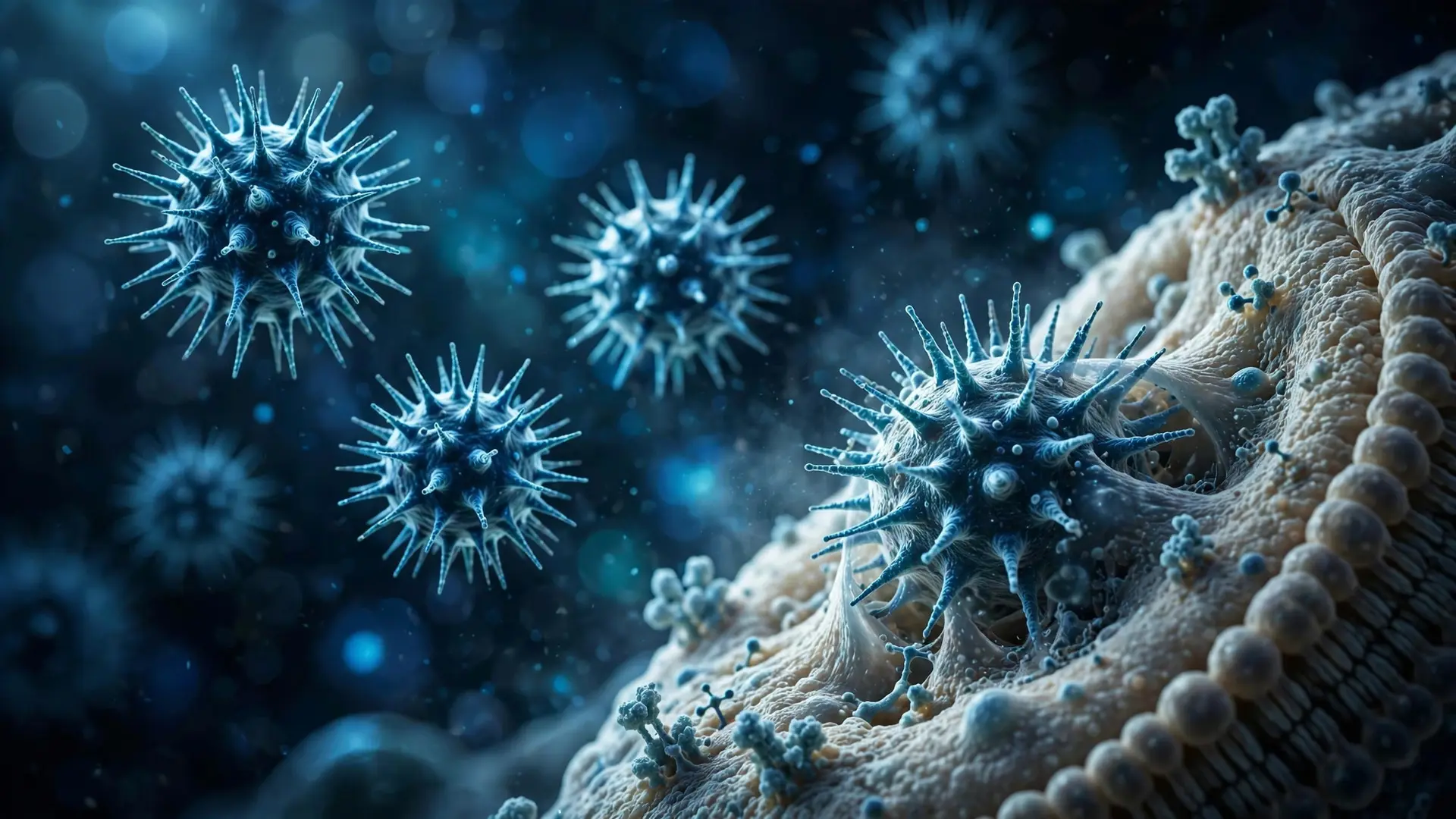 science7 min read
Why Viruses Are So Hard to Kill: The Science
Antibiotics can't touch viruses, drugs struggle to hit them, and some never leave. Explore why viruses hide inside cells, mutate fast, and resist cures.
Read Article science6 min read
How Antibiotics Kill Bacteria: The Main Drug Families
Antibiotics kill bacteria four ways: smashing walls, jamming protein factories, breaking DNA, starving cells of folic acid. Here is how each drug family works.
Read Article technology7 min read
How Do Voice Assistants Actually Understand You?
Voice assistants turn your speech into text with neural networks, then classify what you want. Follow the journey from wake word to spoken answer.
Read Article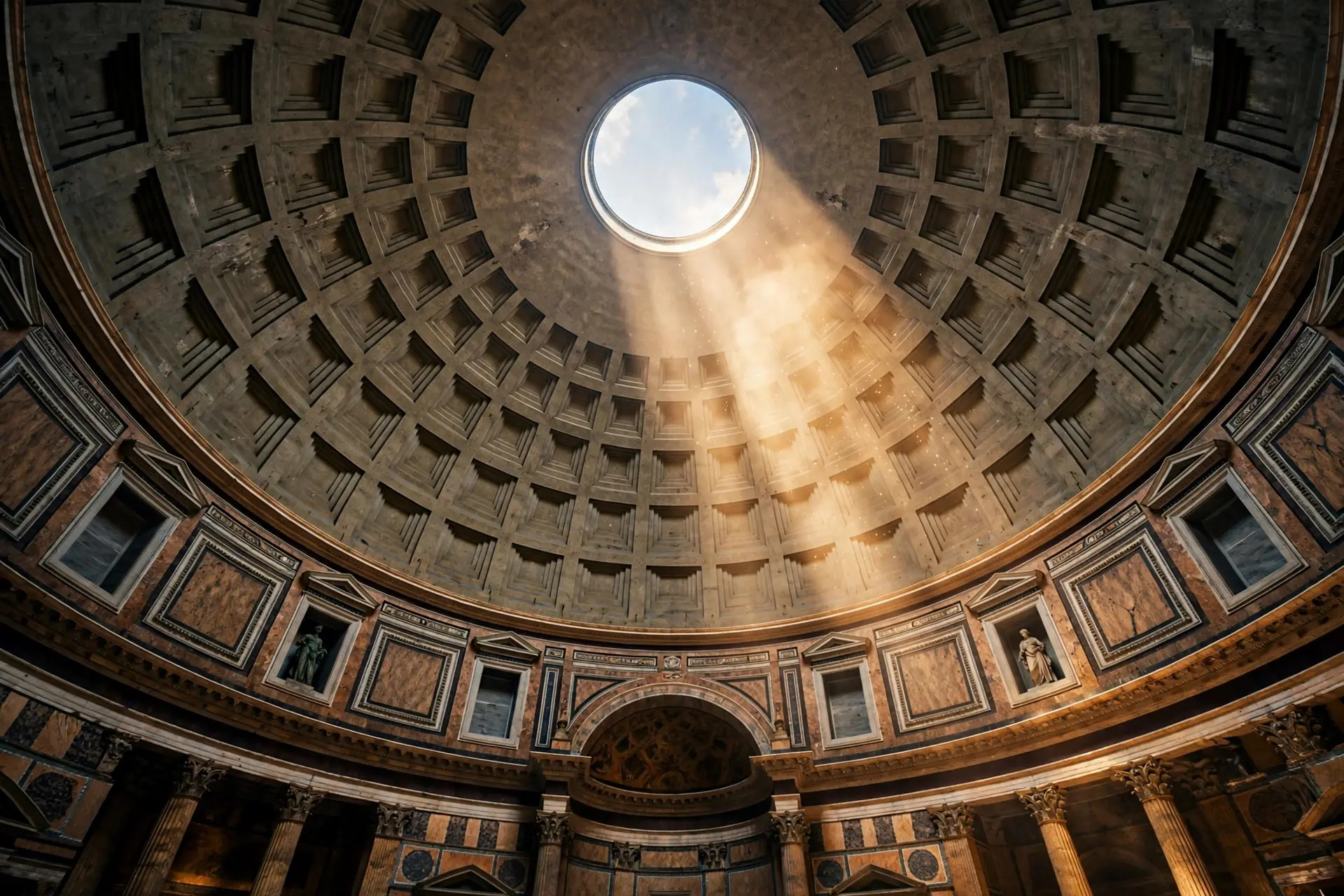 history6 min read
How Has the Pantheon's Dome Stood for 1,900 Years?
The Pantheon's dome is the largest unreinforced concrete dome in the world. Romans graded the concrete from heavy to light and cut its weight with coffers.
Read Article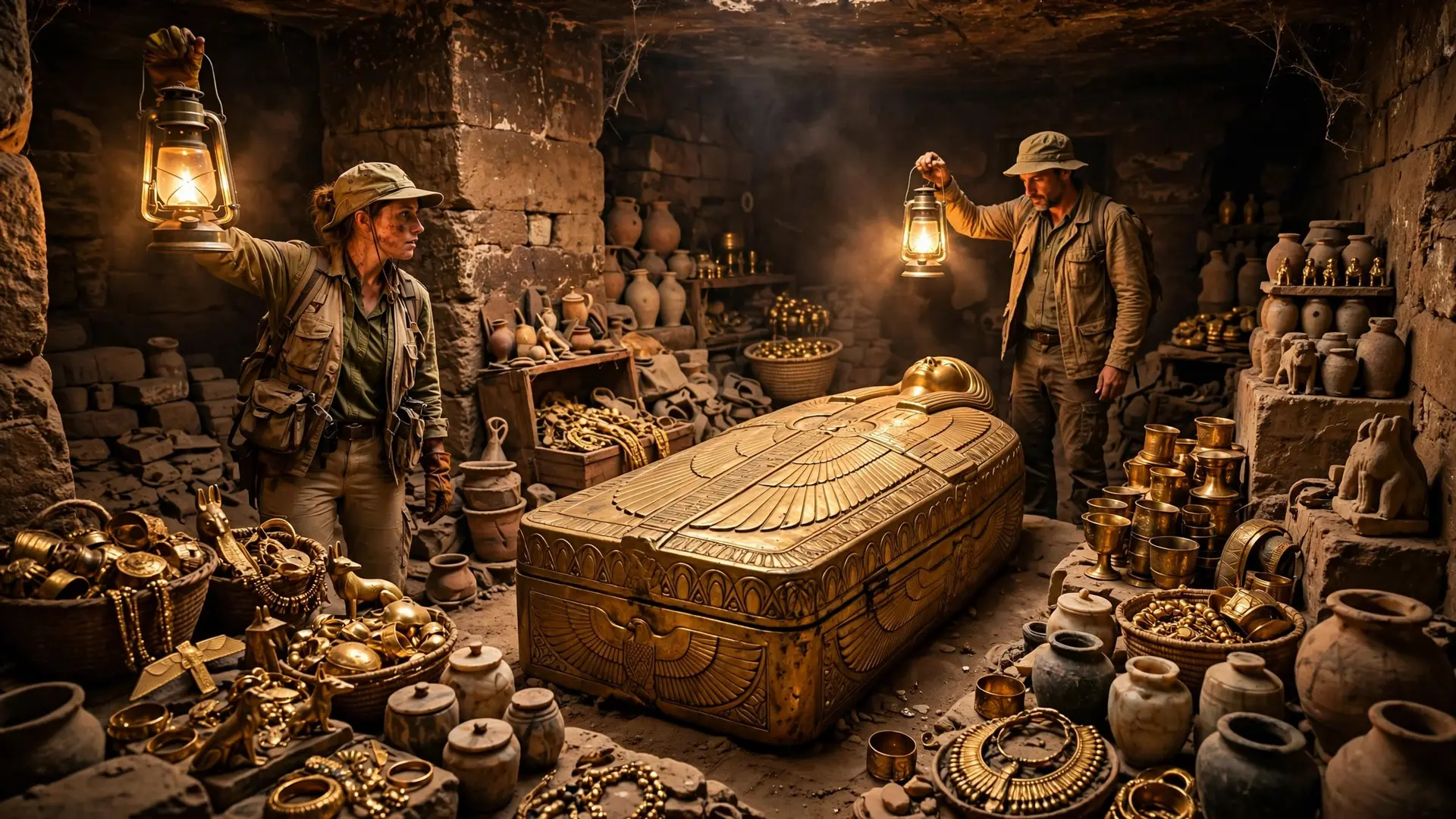 discoveries7 min read
How Howard Carter Found Tutankhamun's Sealed Tomb
On November 4, 1922, Howard Carter's workers found sealed stairs in the Valley of the Kings: Tutankhamun's near-intact tomb, treasures sealed for 3,200 years.
Read Article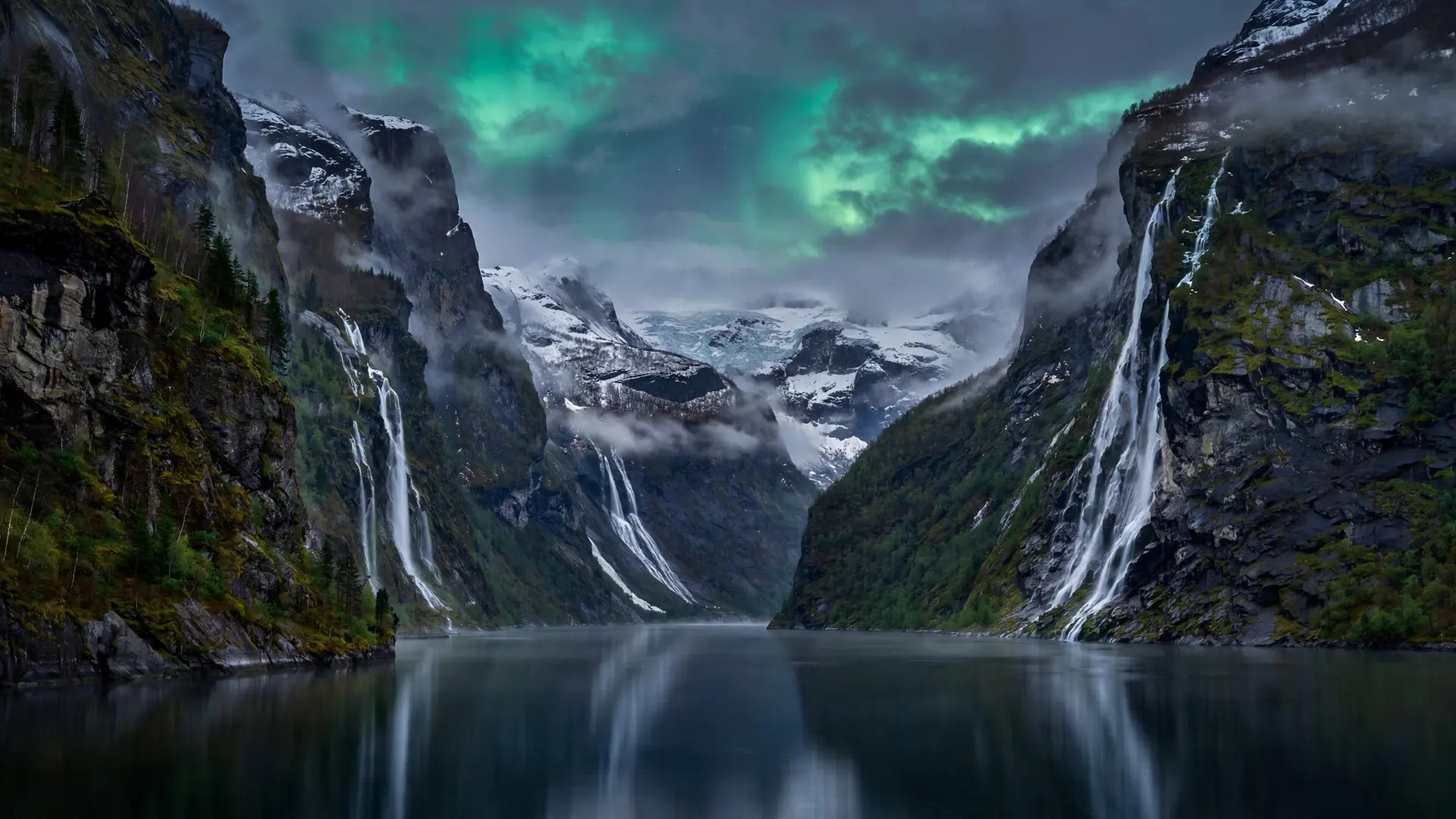 geography6 min read
How Ice Carved Norway's Fjords Over Millions of Years
Glaciers ground U-shaped valleys deep below sea level over millions of years; when the ice melted, the sea flooded in. How Norway's fjords were really carved.
Read Article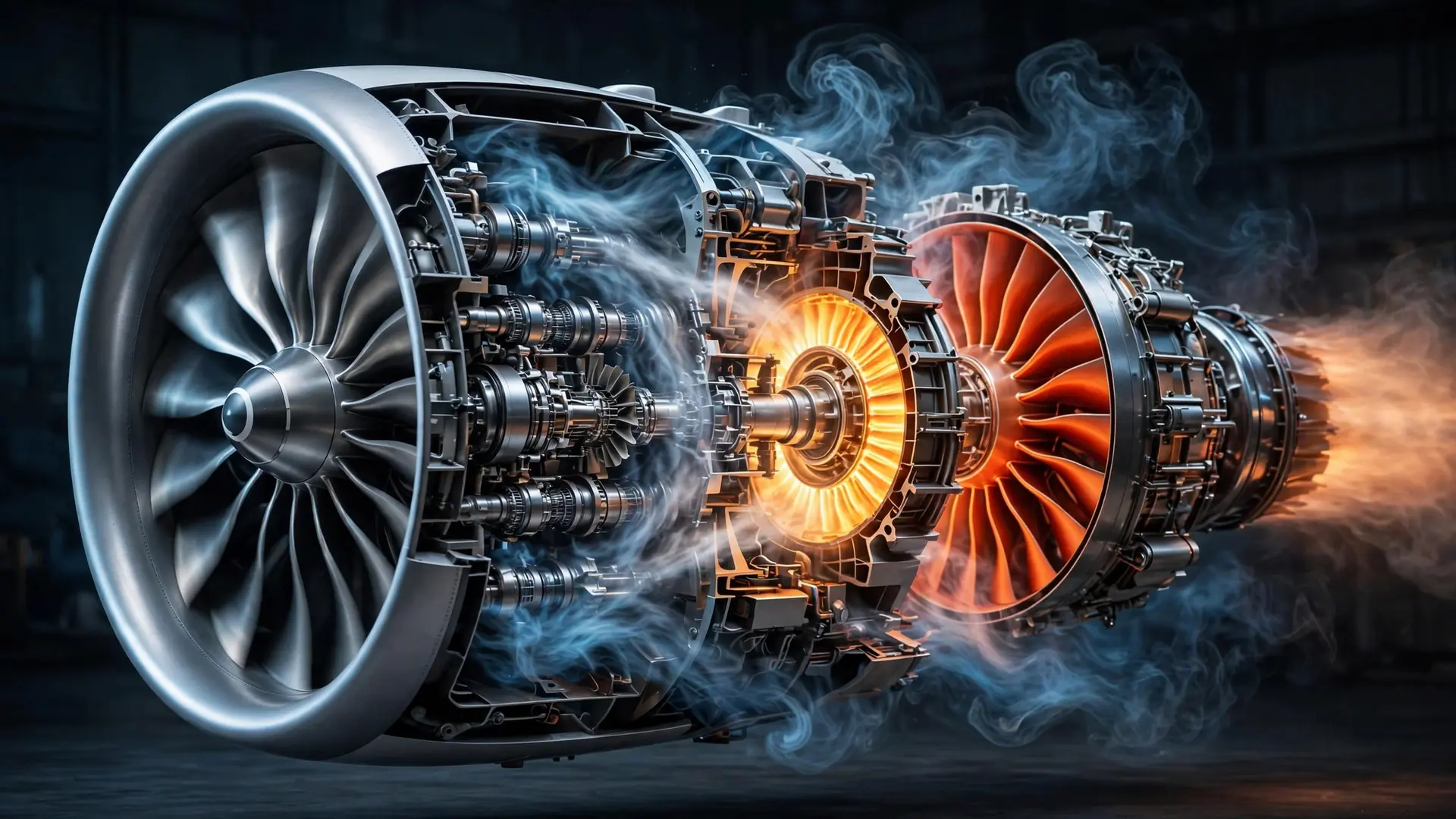 technology7 min read
How Jet Engines Turn Fuel Into Forward Thrust
A jet engine is a reaction engine: it hurls air backward and Newton's third law pushes it forward. Go inside the compressor, combustor, and turbine to see how.
Read Article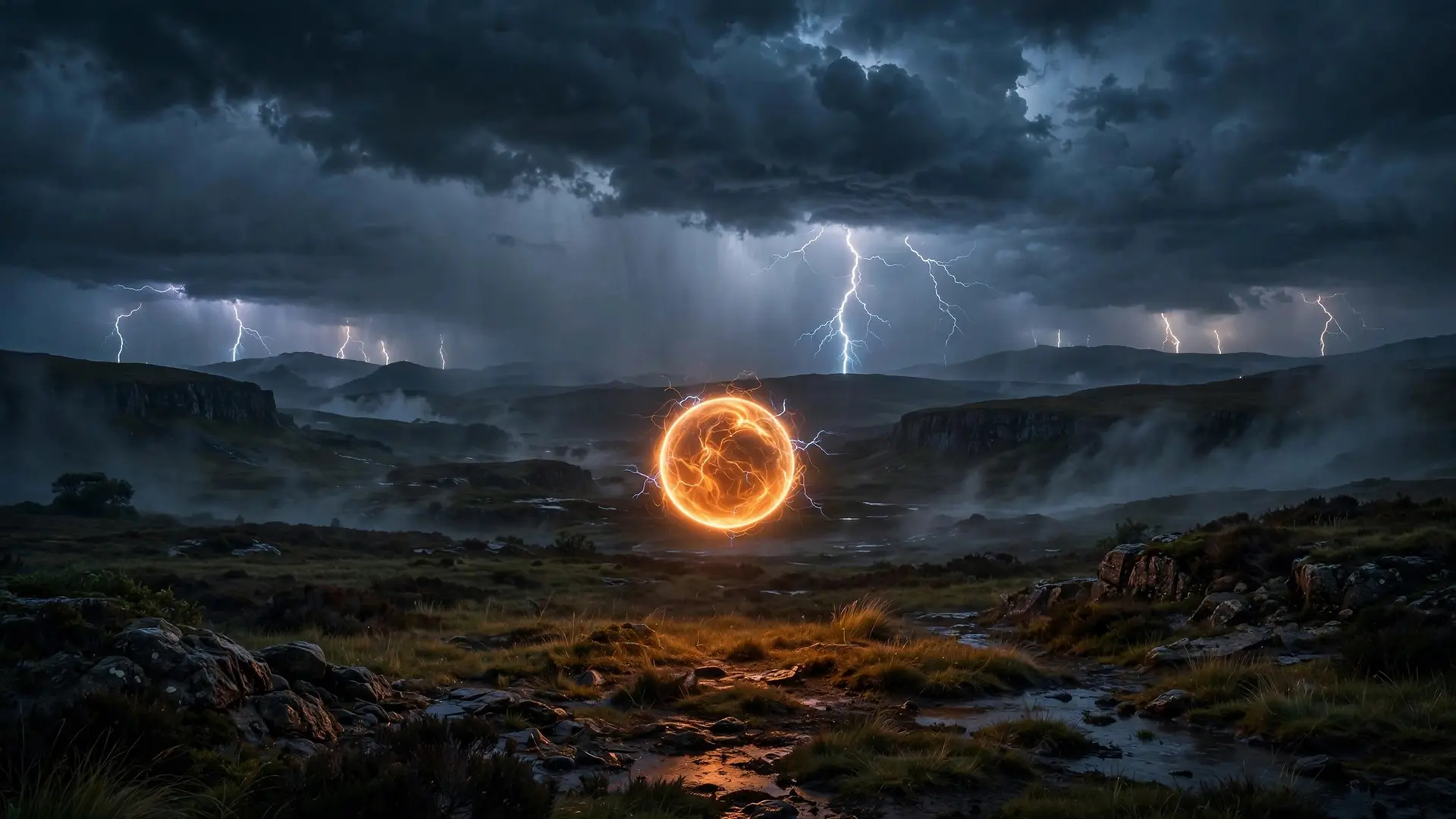 science6 min read
Is Ball Lightning Real? What Scientists Know
Ball lightning is a strange sky phenomenon: glowing spheres reported for centuries. In 2014 scientists captured the first spectrum — here is what it revealed.
Read Article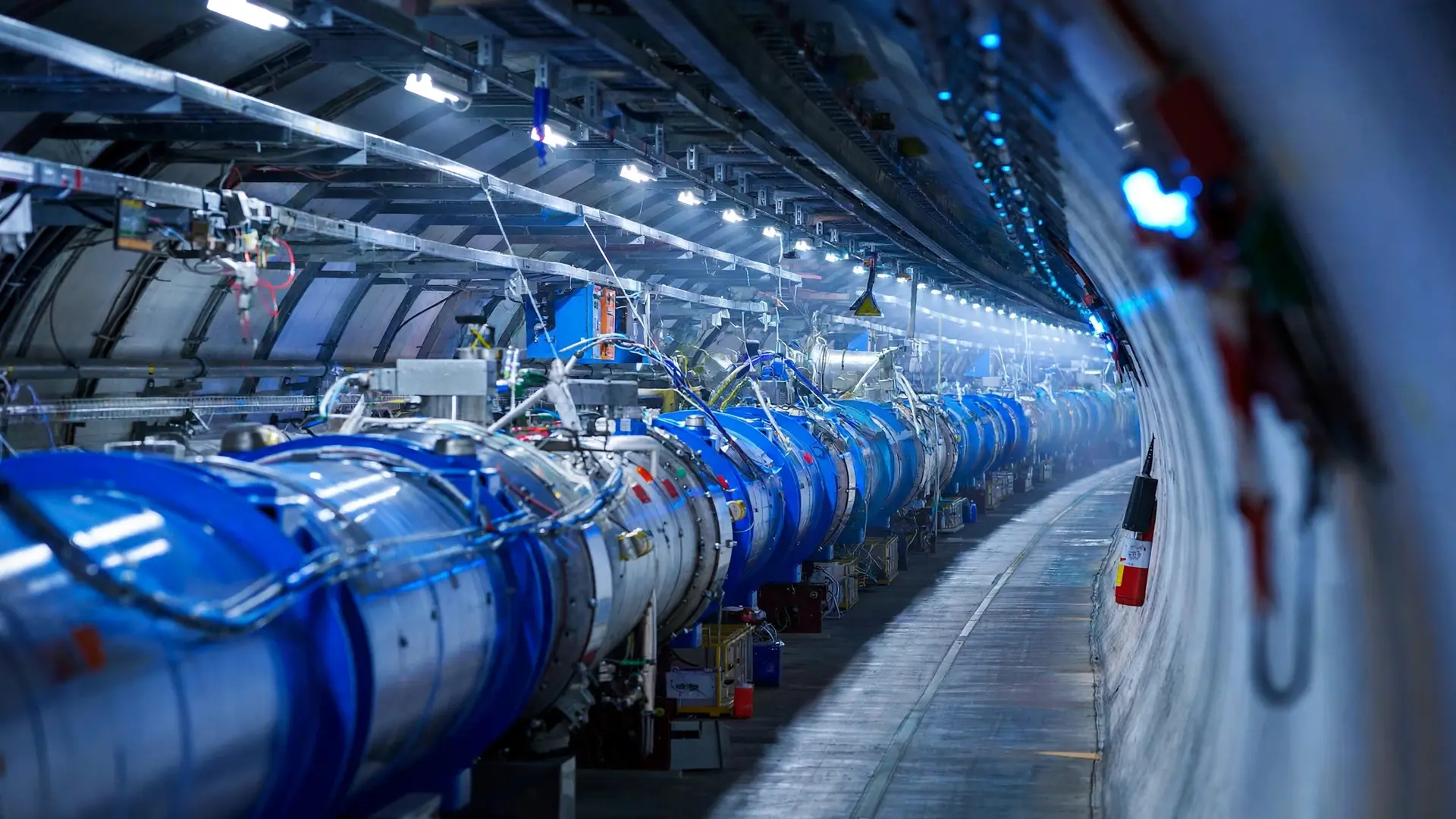 discoveries7 min read
The Higgs Boson: What CERN Found in 2012 and Why It Matters
In 2012 CERN announced a new particle of about 125 GeV: the Higgs boson. What the Higgs field is, how it gives matter mass, and what's still unknown.
Read Article curiosities7 min read
The Whole Nine Yards: Where the Phrase Came From
It means 'everything' — but what were the nine yards measuring? Decades of research debunked the popular theories and traced the phrase to small-town newsprint.
Read Article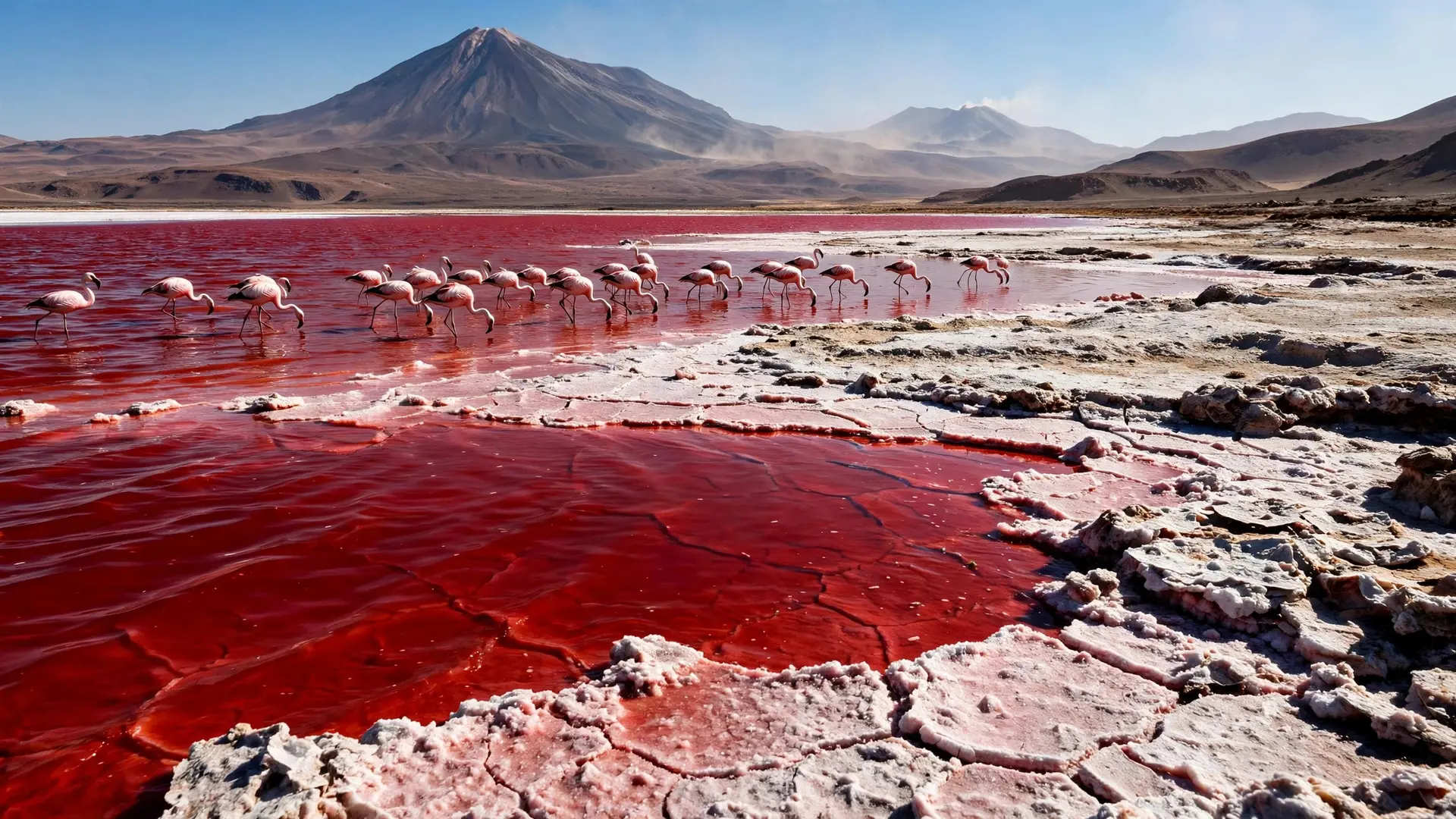 geography6 min read
Why Does Lake Natron Seem to Turn Animals to Stone?
Lake Natron's brine mummifies dead birds and bats, encrusting them like statues. The true story of the 'petrified' animals is stranger than myth.
Read Article curiosities6 min read
Why Dogs Tilt Their Heads When You Talk to Them
That sideways head tilt isn't just cute: a 2021 study tied it to concentration in gifted dogs. Here is what science actually knows about the habit.
Read Article geography6 min read
Baarle: The Town Where Belgium and the Netherlands Interlock
One town, thirty enclaves: Baarle is where the Belgian-Dutch border runs through houses and shops — and the front door decides your country.
Read Article technology8 min read
How Self-Driving Cars See: Sensors Explained
Self-driving cars merge cameras, LiDAR, and radar into one view of the road. Here is how each sensor works, why none can drive alone, and what limits them.
Read Article discoveries6 min read
How the Smallpox Vaccine Became the First Vaccine
Edward Jenner proved in 1796 that cowpox protected against smallpox. His experiment invented vaccination, the tool that eradicated a deadly disease by 1980.
Read Article technology7 min read
How Two-Factor Authentication Protects You
A password plus a second check makes stolen credentials far less useful. How authenticator apps, SMS codes, and security keys work — and where each fails.
Read Article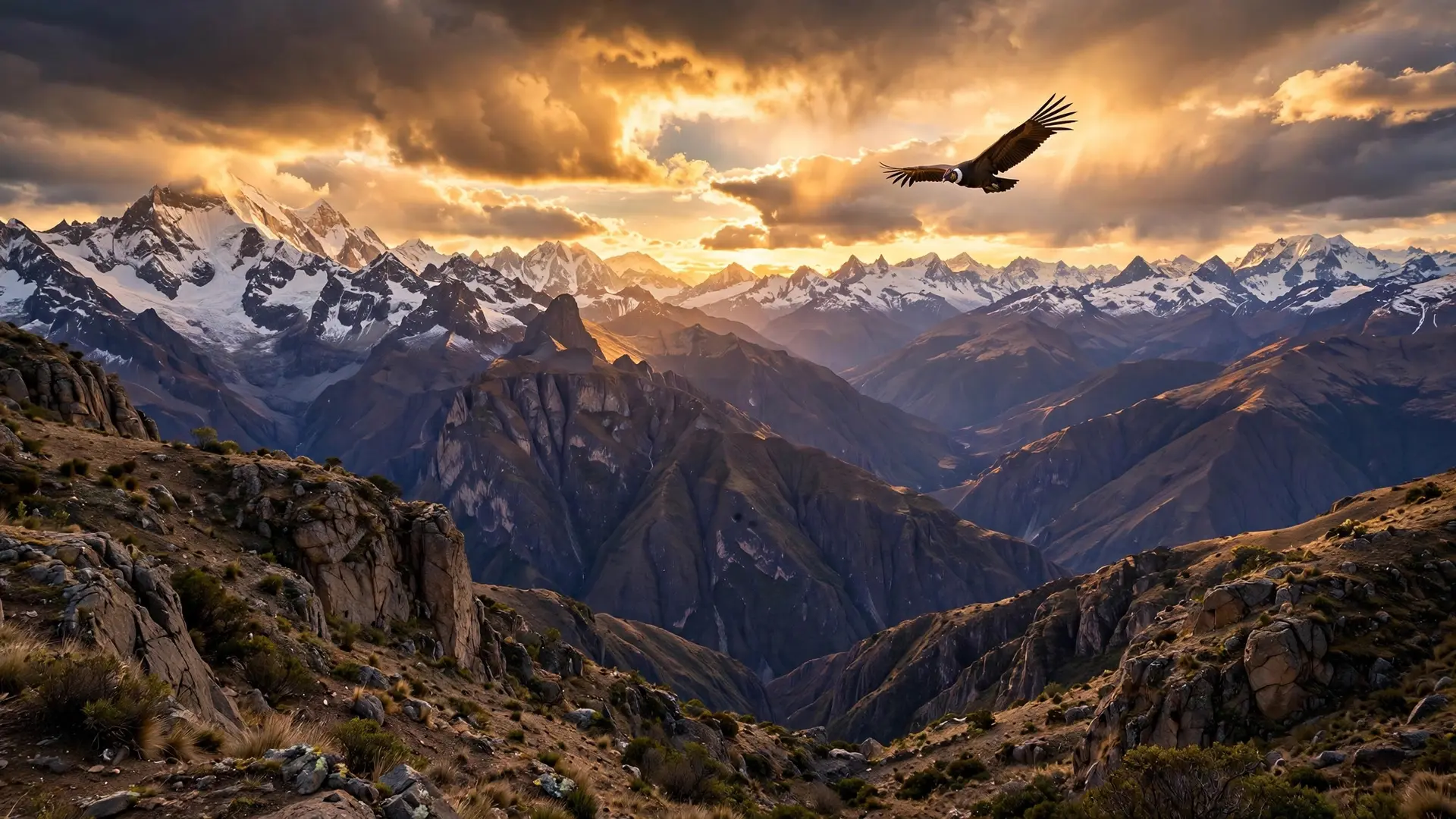 geography5 min read
The Andes: The World's Longest Mountain Range
The Andes stretch 8,900 km through seven countries — the longest continental mountain range on Earth, crowned by Aconcagua and still rising today.
Read Article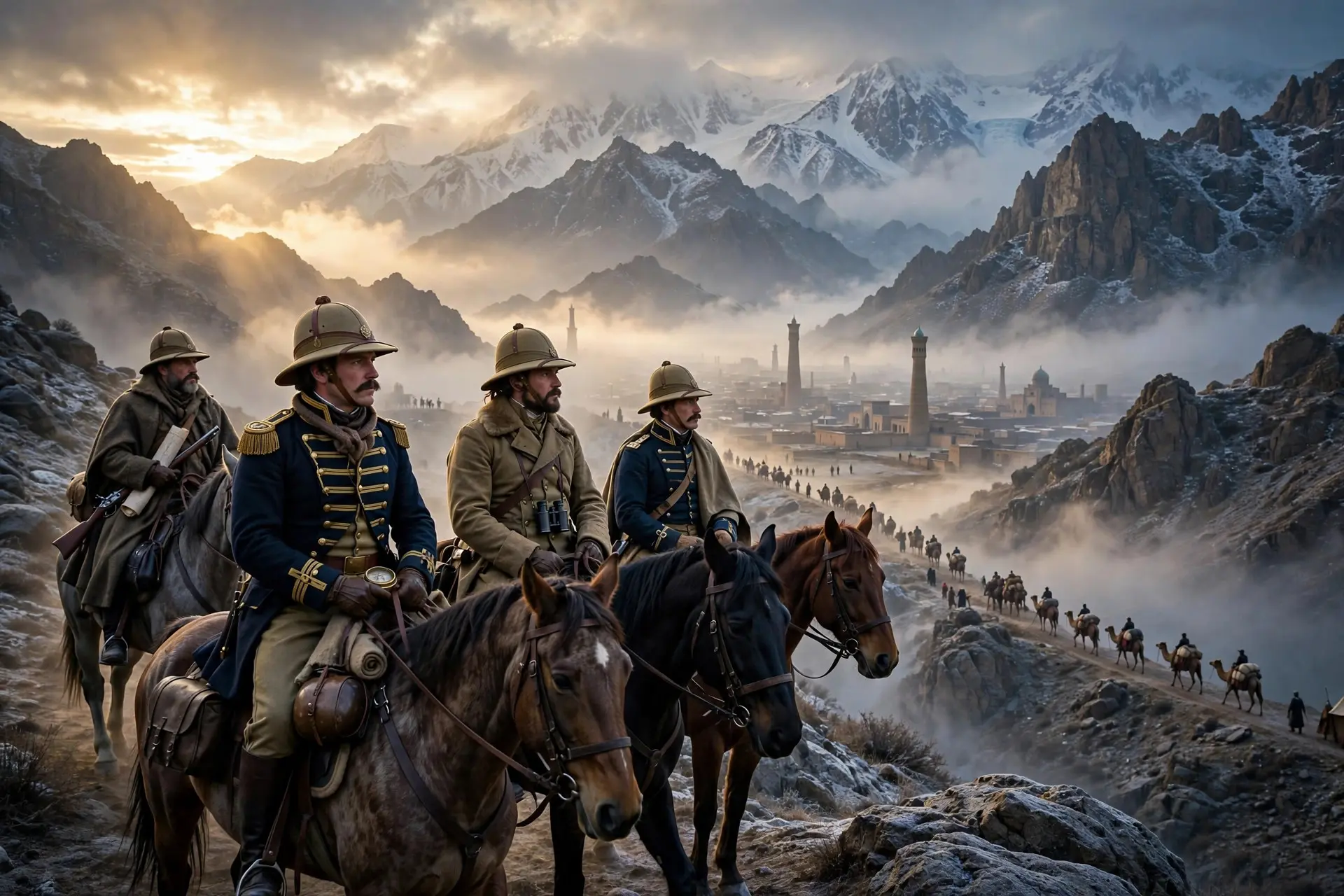 history7 min read
The Great Game: Britain vs Russia in Central Asia
Britain and Russia fought a century-long shadow war across Central Asia with spies, subsidies and proxy wars, but never a direct battle between them.
Read Article science6 min read
The Green Flash: The Sunset Phenomenon Explained
For a second at sunset, the sun's upper edge can flash emerald green. Refraction splits sunlight into colors while a mirage widens the green sliver.
Read Article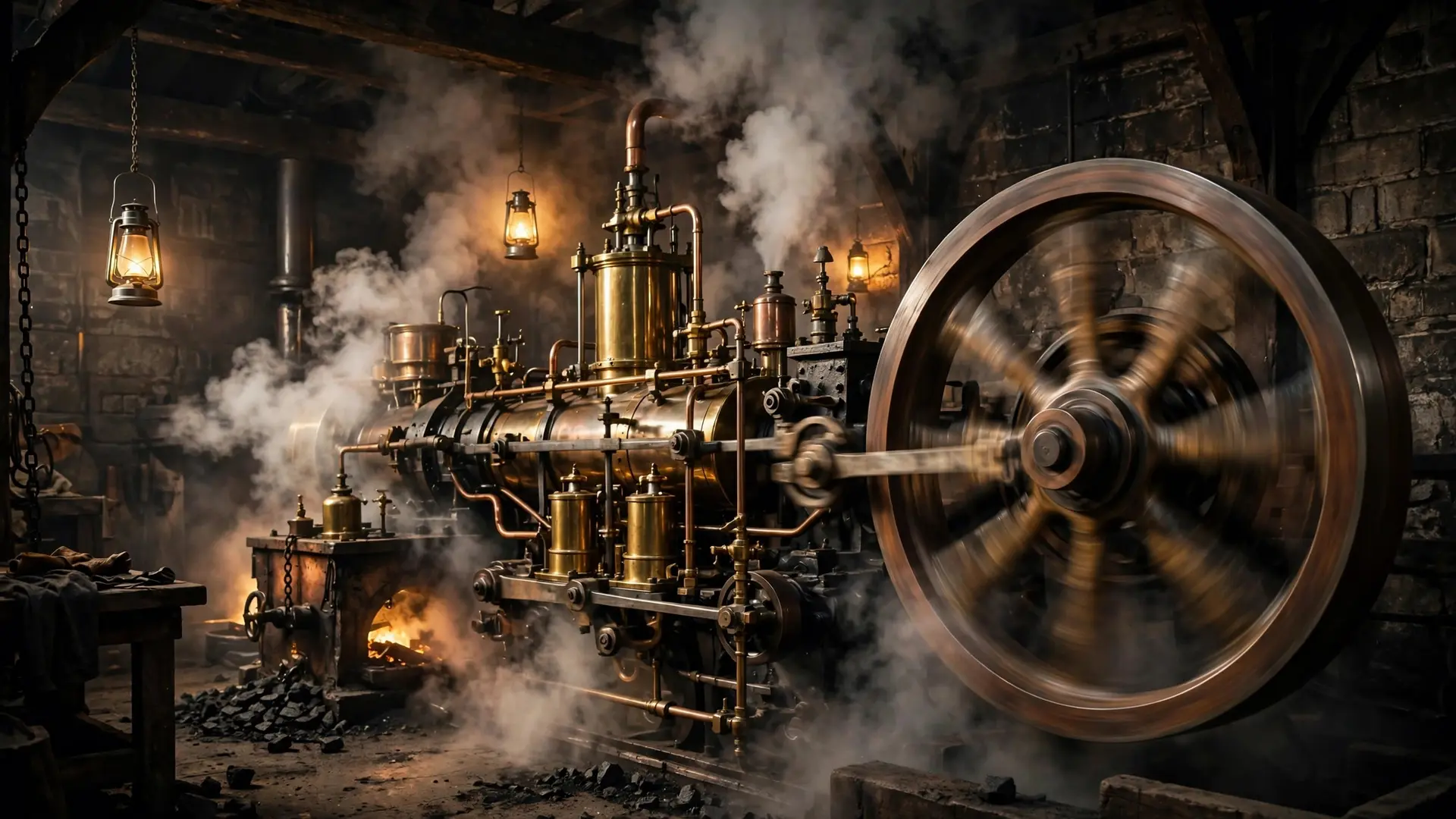 discoveries6 min read
The Invention of the Steam Engine: Mine Pumps to Mills
Thomas Newcomen built the first practical steam engine in 1712; James Watt’s separate condenser made it efficient — and drove the Industrial Revolution.
Read Article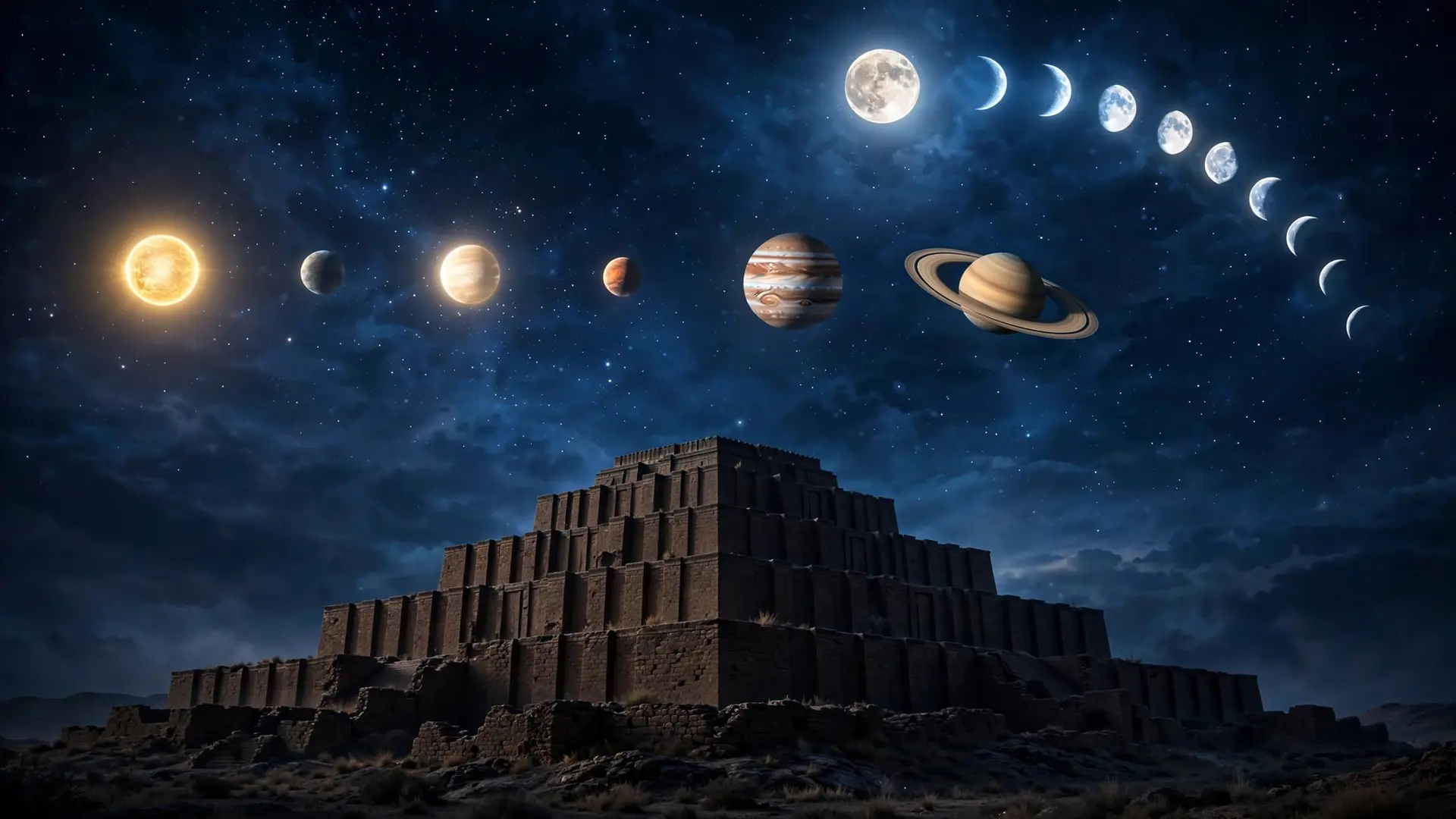 curiosities7 min read
The Seven-Day Week: Why Seven, and Why It Stuck
The seven-day week outlasted empires, revolutions, and one Soviet attempt to replace it. Its roots: moon phases, seven visible planets, and sacred rest.
Read Article