
Science
Explaining real scientific principles, cosmic mysteries, and natural laws.
Page 3 of 4
 6 min read
How Neurons Talk: The Chemistry of Thought
Your 86 billion neurons never touch. Every thought you have crosses the gap between them as chemistry — here's how a spark becomes a signal.
Read Article 6 min read
Why Is the Ocean Salty? Earth's Ancient Salt Trap
Rivers pour four billion tons of dissolved minerals into the sea each year, yet the ocean's salinity has barely changed for hundreds of millions of years.
Read Article 6 min read
CRISPR Explained: The Gene-Editing Tool Rewriting Life
From a bacterial immune system to the first approved gene-editing medicine, here is how CRISPR rewrites DNA — and what it still cannot do today.
Read Article 6 min read
How Sleep Cycles Work: The Nightly Rhythm of NREM and REM
Your brain cycles through non-REM and REM sleep four to six times a night. Learn what each stage does, why REM grows toward morning, and what breaks the rhythm.
Read Article 6 min read
How Vaccines Train Your Immune System to Remember
Vaccines stage a safe dress rehearsal for your immune system: harmless antigens trigger memory B and T cells, so the real infection is stopped before it starts.
Read Article 6 min read
Why Does Ice Float on Water? The Physics Behind It
Ice floats because frozen water expands into an open hexagonal lattice, making it 9% less dense than liquid water. Here is the anomaly that keeps lakes alive.
Read Article 6 min read
What Causes Ocean Tides: The Moon's Double Pull
The Moon doesn't lift the sea — it stretches Earth and ocean into twin bulges. Discover the tidal force, spring and neap tides, and Fundy's 16-meter giants.
Read Article 6 min read
Why No Two Snowflakes Are Ever Exactly Alike
Each snowflake carries about a quintillion water molecules arranged by weather that never repeats. Here is why every one is a one-of-a-kind ice sculpture.
Read Article 7 min read
How Bats See in Total Darkness With Sound
Bats hunt in pitch darkness by shouting in ultrasound and reading echoes. Meet Doppler-shift compensation, the acoustic fovea, and nature's living sonar.
Read Article 7 min read
Photosynthesis: Nature's Most Important Chemical Reaction
Photosynthesis powers nearly all life on Earth — yet plants turn only a few percent of sunlight into food. How does this wasteful-looking chemistry really work?
Read Article 6 min read
The Coriolis Effect: Why Hurricanes Spin Differently
Earth's rotation bends everything moving on the planet. How this invisible force spins hurricanes in opposite directions — and why no storm crosses the equator.
Read Article 7 min read
Why Do We Dream? The Leading Theories Explained
Why do we dream? From Freud's hidden desires to the brain's nightly replay of memories, here are the leading theories — and what they still can't explain.
Read Article 7 min read
Tardigrades: The Animals That Survive Outer Space
In 2007, thousands of tardigrades endured 10 days of open space vacuum and came home alive. Inside the tun state, the Dsup protein, and their extreme limits.
Read Article 8 min read
Why We Get Hiccups, and What Actually Stops Them
Hiccups are a misfiring breathing reflex with roots in our aquatic past — the reflex arc, the science of real cures, and the man who hiccupped for 68 years.
Read Article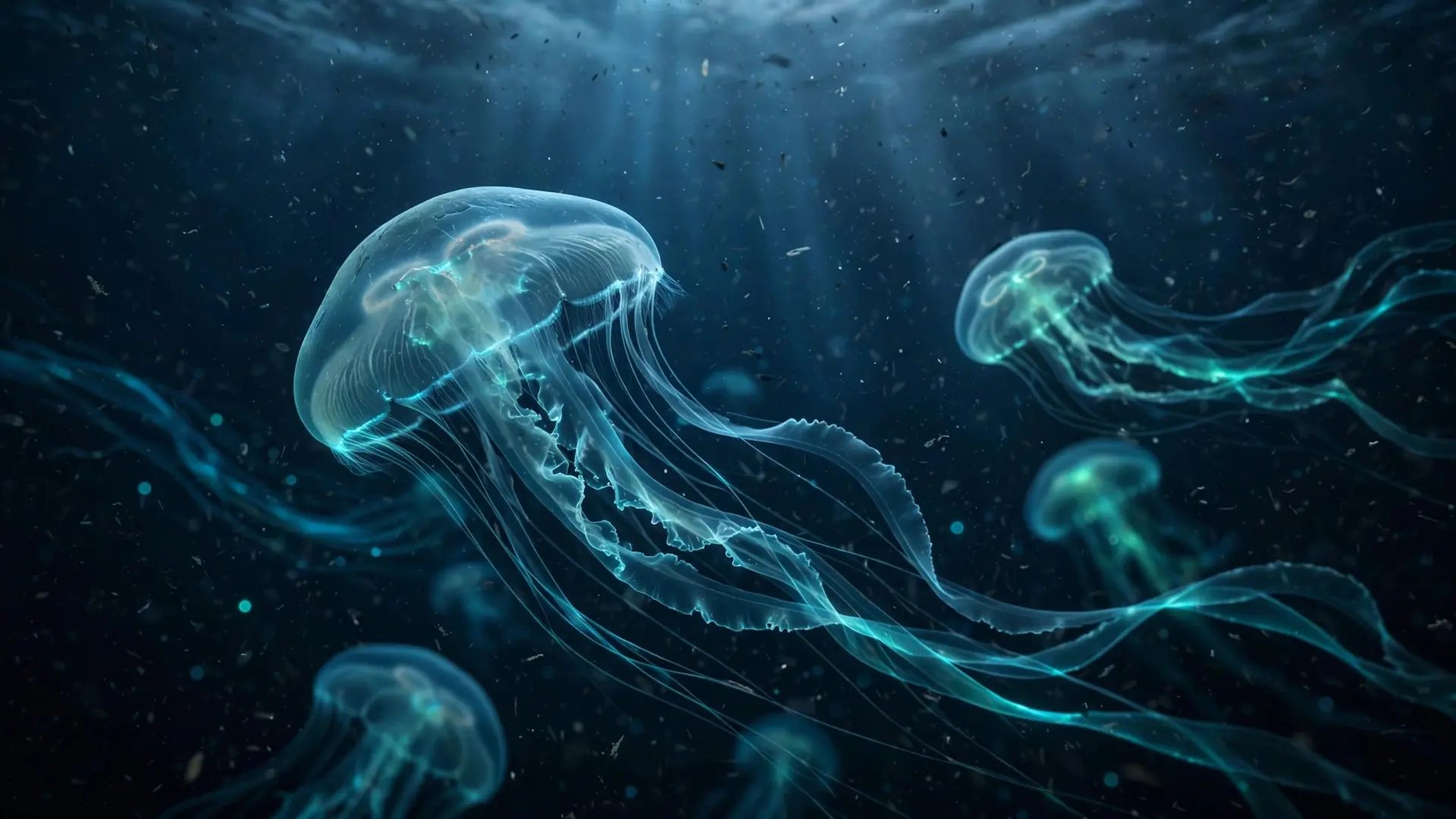 6 min read
Bioluminescence: How Living Things Make Their Own Light
Deep-sea creatures glow blue while fireflies flash yellow-green. We unpack the chemistry of living light and why the ocean settled on a single color.
Read Article 6 min read
What Is Dark Energy, and Why Does It Rule the Universe?
In 1998 astronomers found the universe's expansion is accelerating. We unpack the discovery, the physics failure behind it, and 2025 hints it may weaken.
Read Article 7 min read
The Mpemba Effect: Why Hot Water Can Freeze Faster
Does hot water freeze faster than cold? The myth is mostly false — but the physics beneath it, from ice nucleation to the Mpemba effect, is stranger still.
Read Article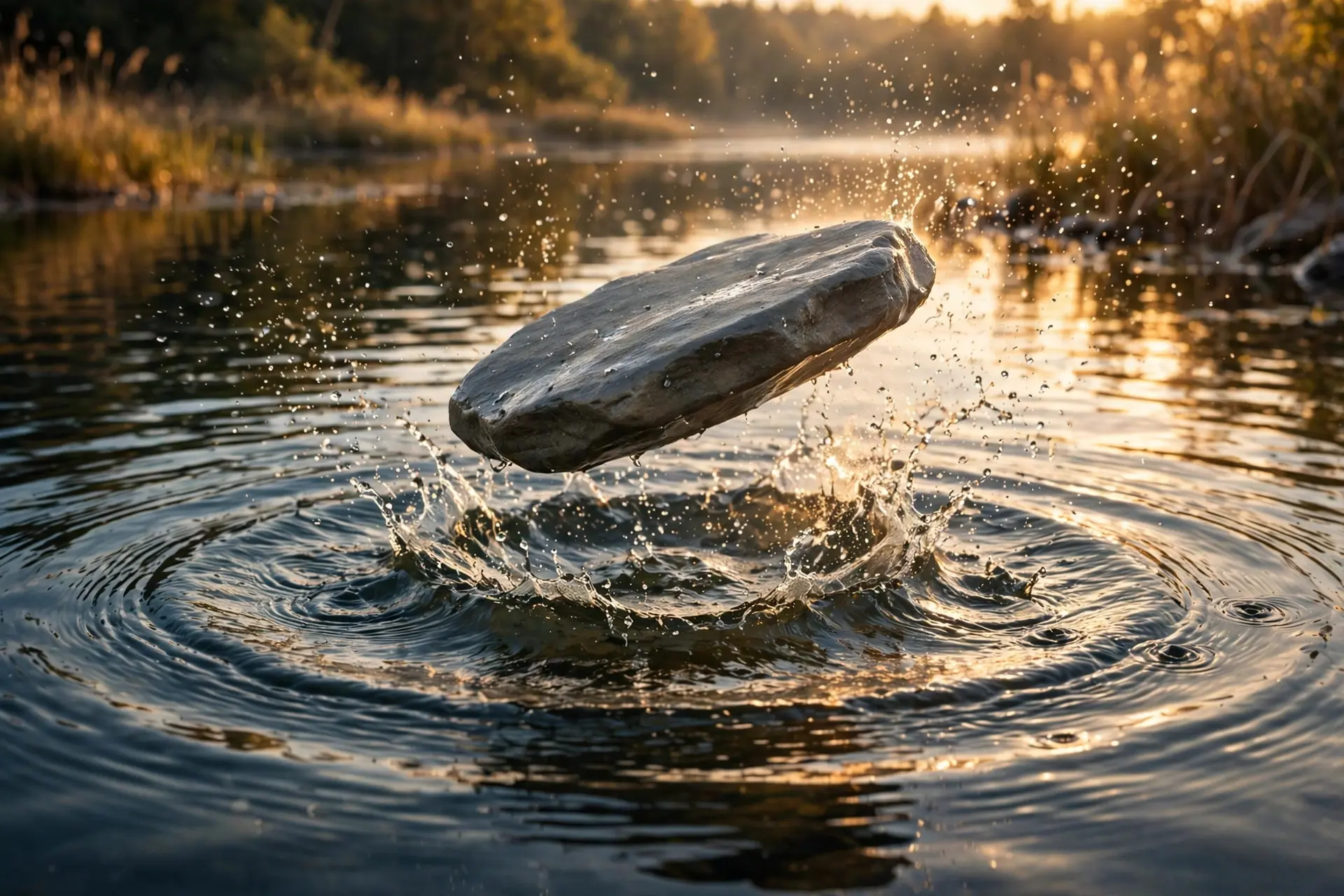 6 min read
The Physics Behind a Perfect Skipping Stone
Why do flat stones skip across water? Lift, gyroscopic spin, and a magic 20-degree tilt — the physics of a perfect skip, from shorelines to water landings.
Read Article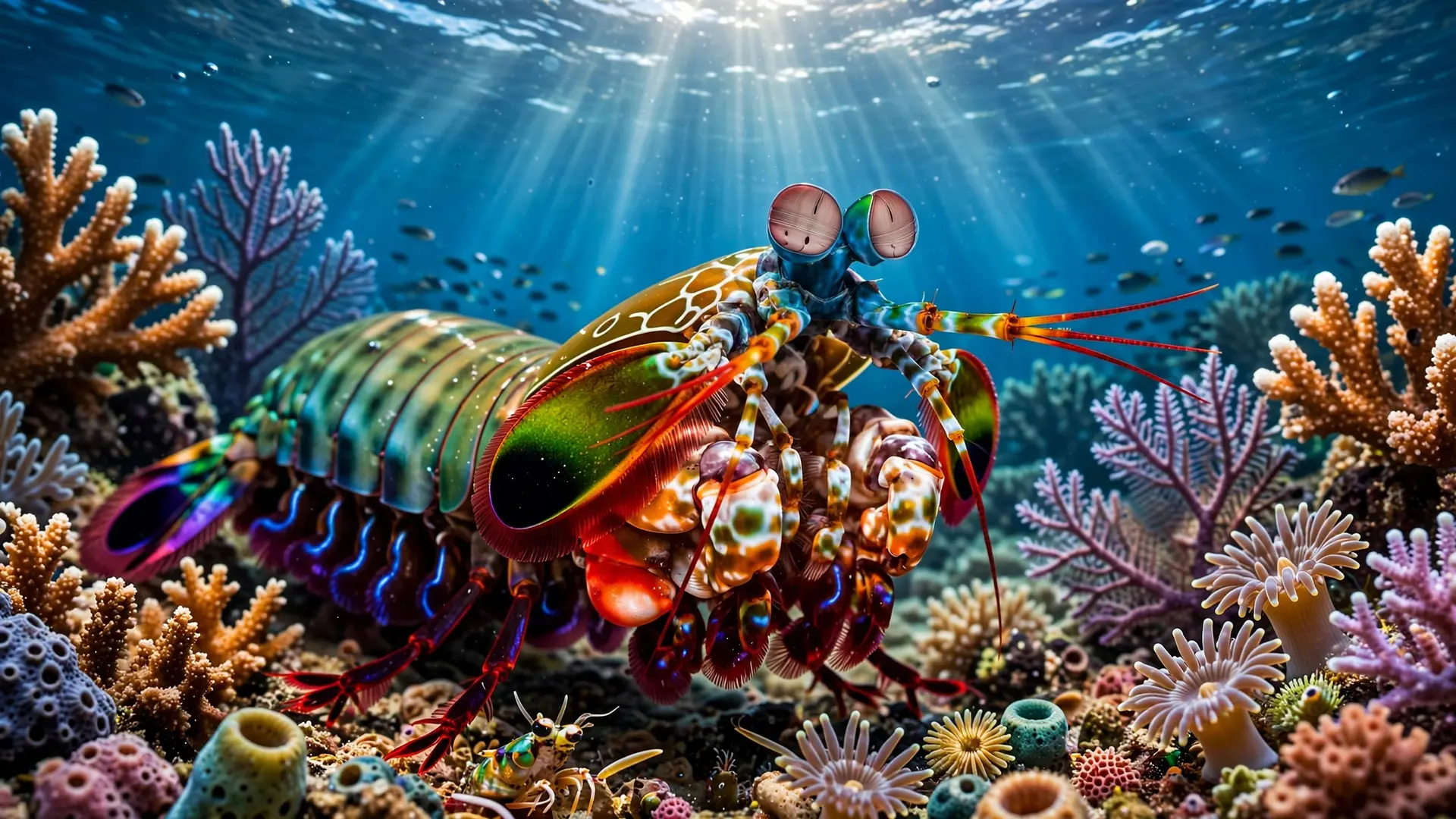 6 min read
How Mantis Shrimp See Colors Humans Can't Imagine
The mantis shrimp's eyes hold twelve color channels, ultraviolet vision, and a twist: they may not see color as you think. Inside the strangest eyes on Earth.
Read Article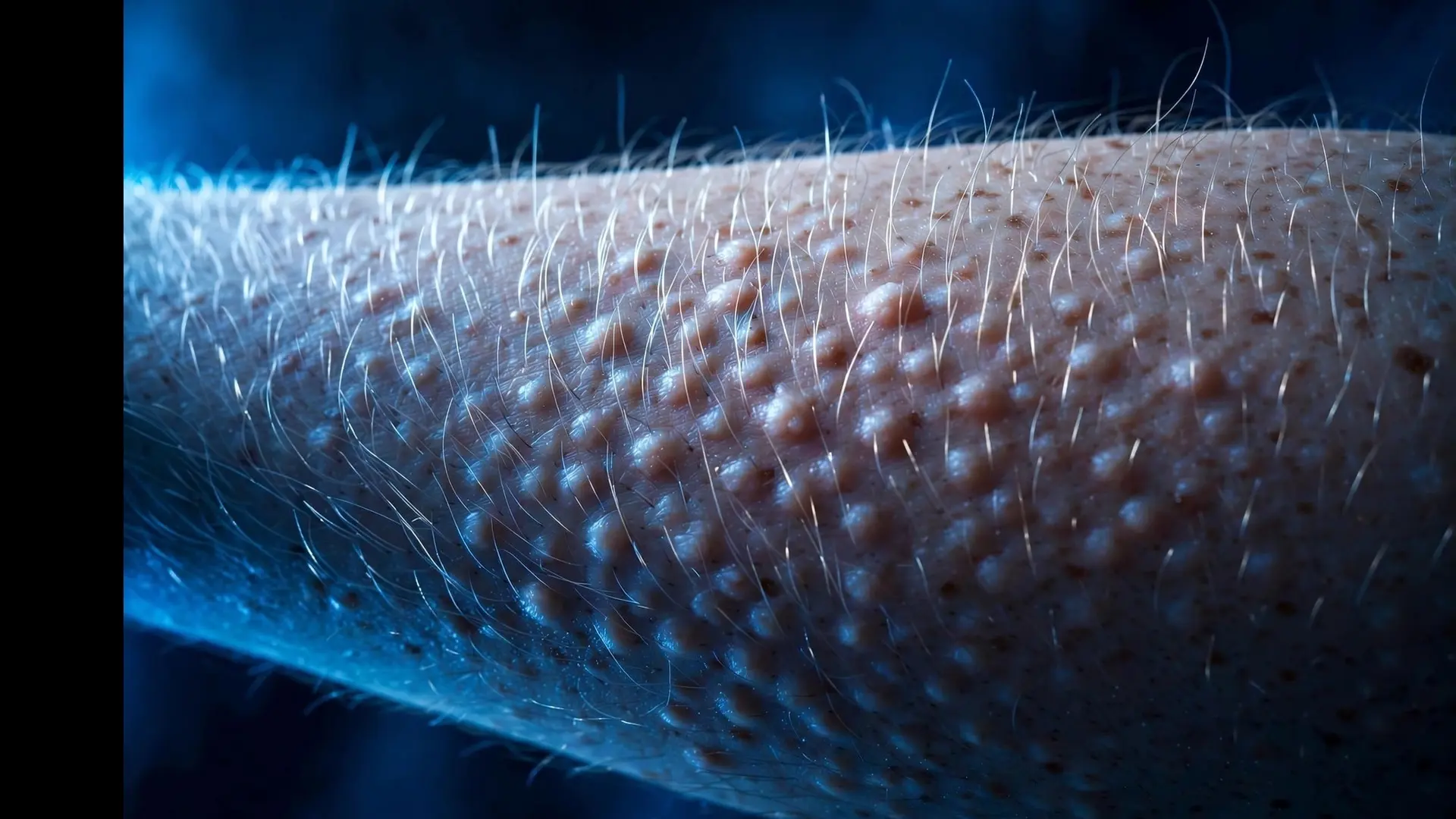 7 min read
Why We Get Goosebumps: An Ancient Survival Reflex
Your skin's tiny bumps are a survival reflex inherited from our furriest ancestors. Discover the tiny muscle behind them and the new purpose science uncovered.
Read Article 5 min read
The Science of Deja Vu: What Your Brain Is Really Doing
Up to 70% of people have felt it: the eerie certainty you've lived this moment before. Here's what neuroscience says happens in your brain during deja vu.
Read Article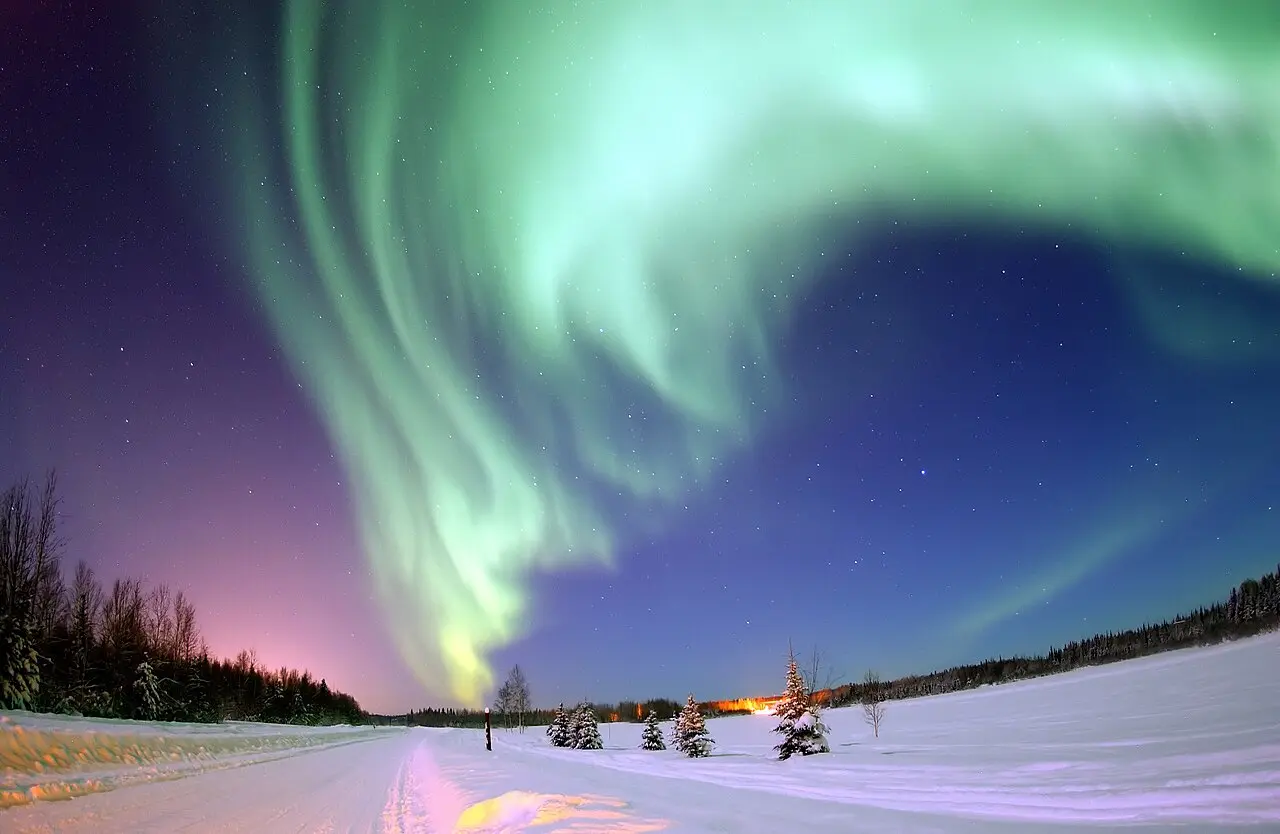 8 min read
Aurora Borealis: The Science Behind the Northern Lights
Charged particles collide with Earth's atmosphere to paint the sky green, purple and red. Discover the physics behind the aurora's shimmering curtains of light.
Read Article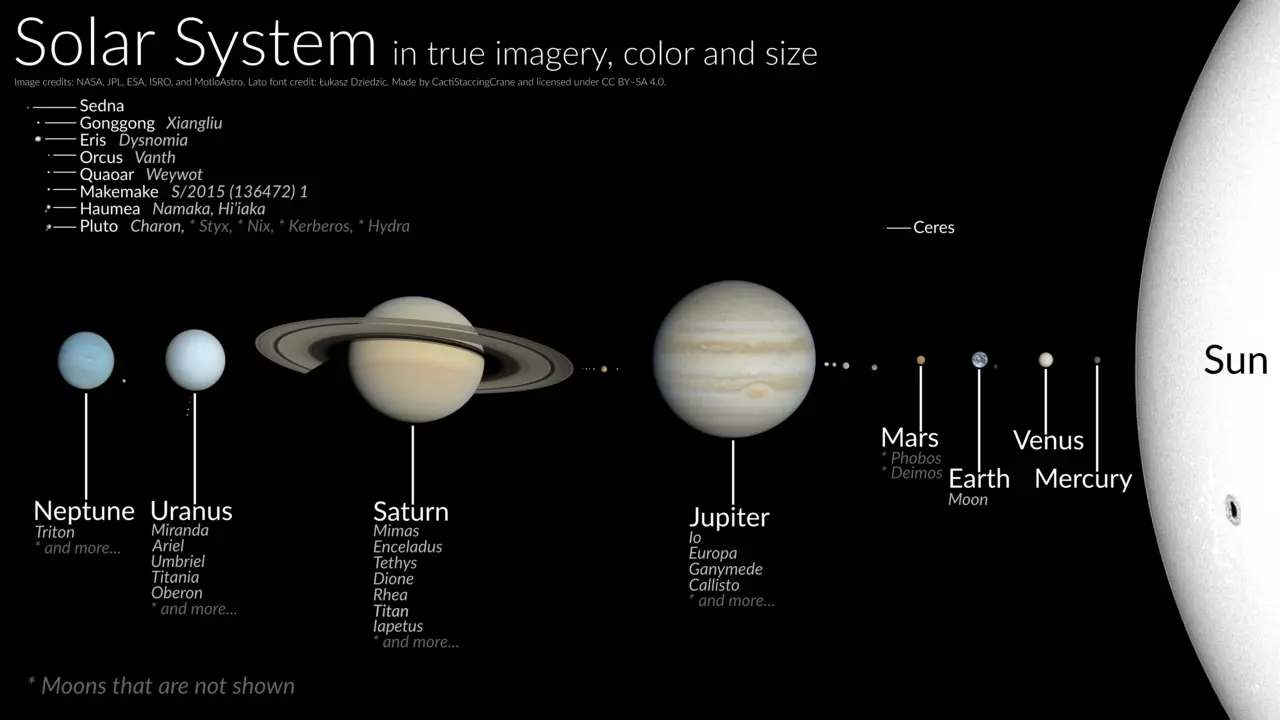 7 min read
Solar System: A Tour of Our Cosmic Neighborhood
Born 4.6 billion years ago from a collapsing cloud, the Solar System stretches far beyond Pluto. Get a real sense of its scale, its birth story and its moons.
Read Article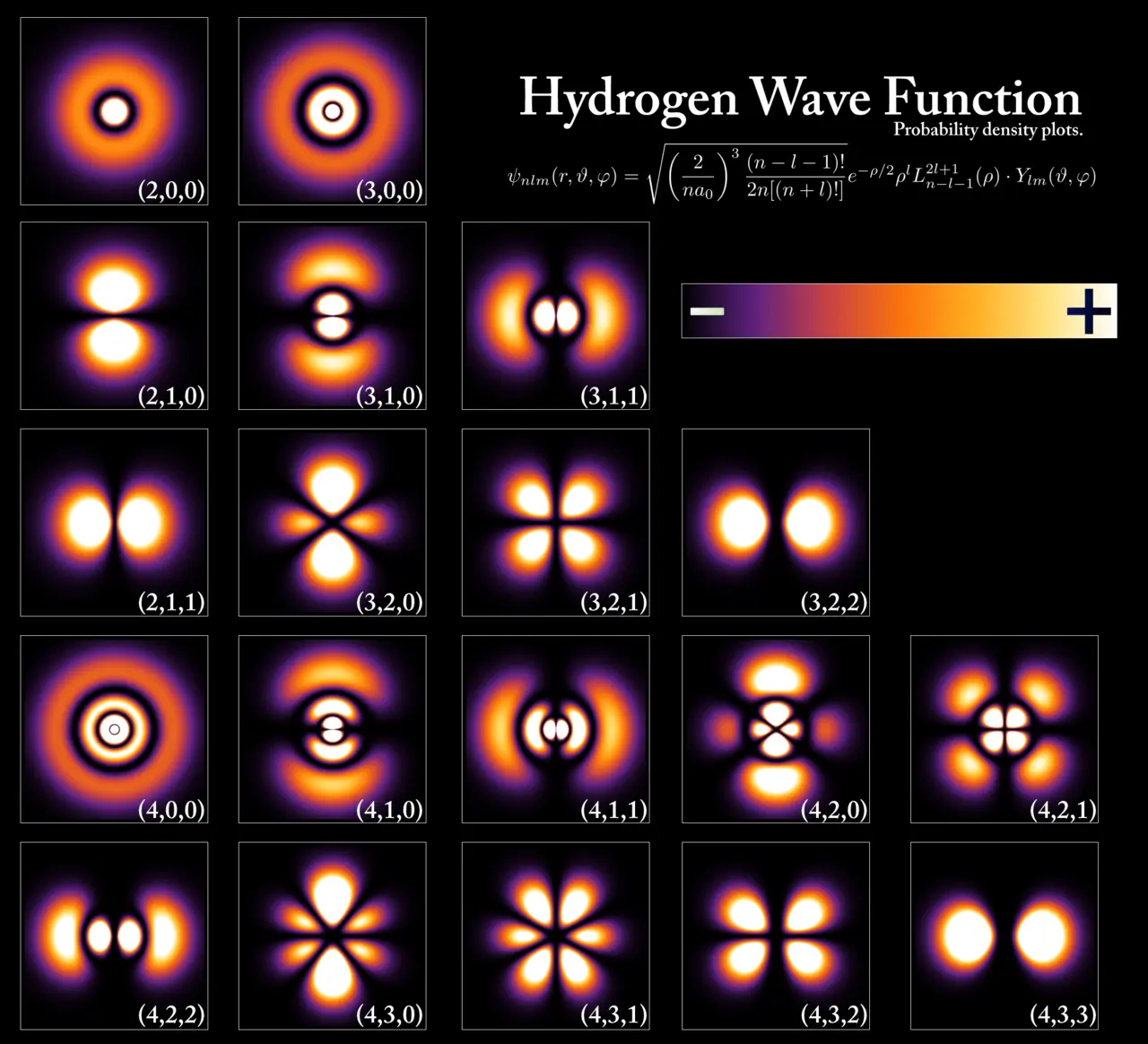 7 min read
Quantum Mechanics: The Strange Rules of Reality
Quantum mechanics rests on four strange ideas: quanta, wave-particle duality, uncertainty and entanglement. Learn what each means and where it runs your tech.
Read Article