Why Are the Taurids Called the Halloween Fireballs?
Why are the Taurids called the Halloween fireballs? The 2026 Taurids peak November 5 and 12 with slow, bright meteors. Dates, moon phases, viewing tips.
Key takeaways
- The Taurids are two overlapping meteor showers, Southern and Northern, peaking around November 5 and November 12 in 2026.
- NASA's own wording explains the nickname: the shower 'oftentimes exhibits fireballs on or around Halloween,' meteors as bright as or brighter than Venus.
- Taurids are the slowest meteors of any major shower at about 17 miles per second, which lets them survive deeper and burn brighter.
- 2026 is an ordinary year, not a predicted swarm year; the next dense swarm encounters are expected in 2032 and 2036.
Because NASA says so, almost word for word: fireballs are meteors as bright or brighter than Venus, and "oftentimes, this particular shower exhibits fireballs on or around Halloween." The surprise is that Taurids are the slowest meteors of any major shower, and that slowness is exactly what makes them explode so brightly.
- The Taurids are two overlapping showers: the Southern Taurids, active September 20 to November 20 with peaks around October 14 and November 5, and the Northern Taurids, active October 20 to December 10 with a peak around November 12 (Space.com).
- Each branch produces only about five meteors an hour under ideal skies, roughly ten when they overlap, but Taurids are famous for occasional brilliant fireballs (Space.com).
- Taurid meteors enter the air at about 17 miles (27 km) per second, or 65,000 mph (104,000 km/h), the slowest of the well-known annual showers; the Perseids streak in at 37 miles (59 km) per second (Space.com).
- NASA figures put Taurids surviving down to about 42 miles (66 km) altitude, while Orionids typically burn up around 58 miles (93 km) (Space.com).
- NASA meteor expert Bill Cooke told Space.com: "The Taurids are rich in fireballs... It's simply the fact that when a Taurid appears it's usually big and bright" (Space.com).
What counts as a fireball, and why do Taurids make so many?
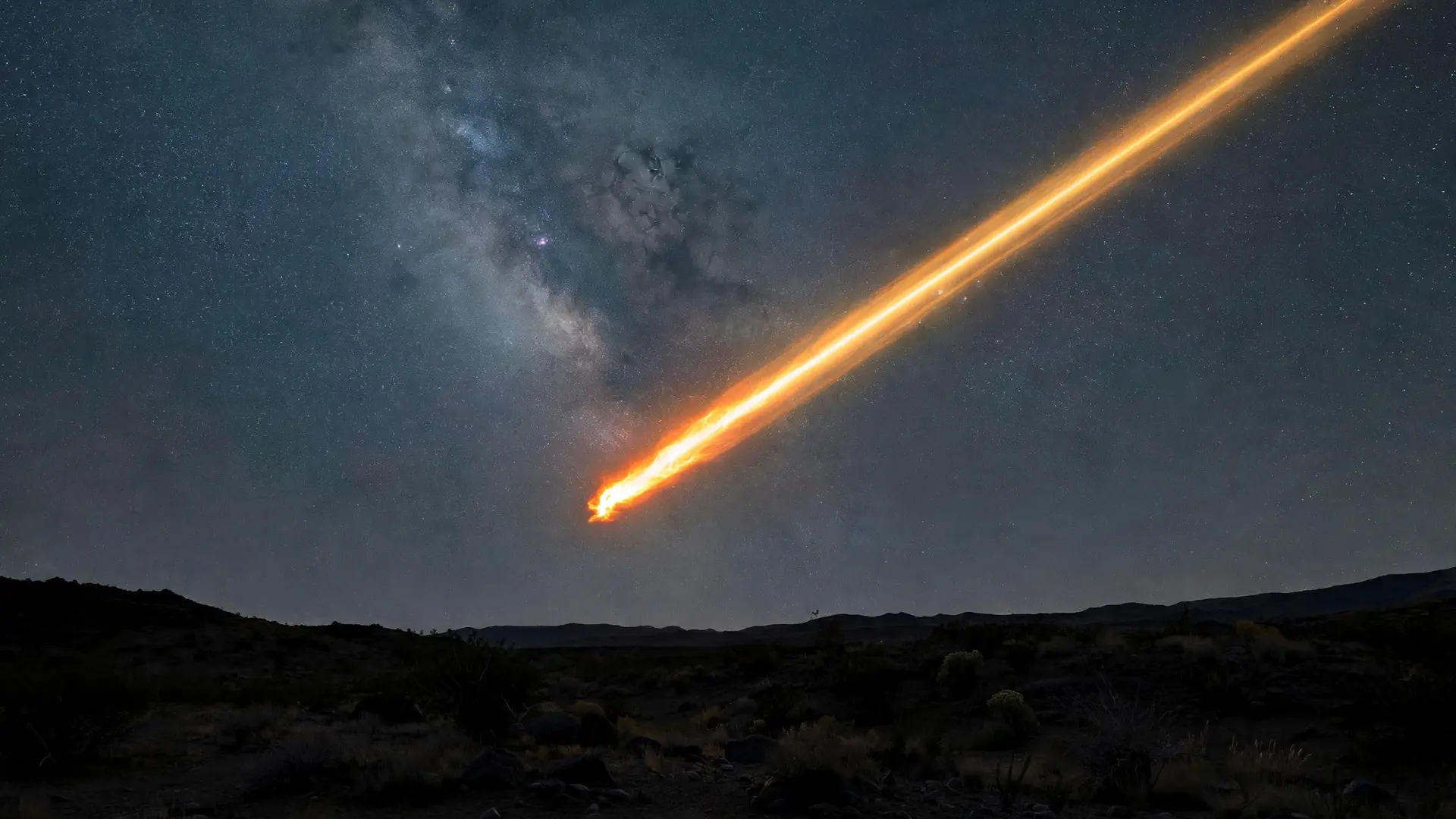
A fireball is a brightness category, not a different kind of object. NASA defines fireballs as meteors that appear as bright as or brighter than the planet Venus in the night sky, around magnitude -4. They happen when a larger-than-usual piece of space debris slams into the upper atmosphere, heating the air around it into an intense flash. Because fireballs come from bigger particles of cometary material, they can show larger explosions of light and color and persist longer than an average meteor streak. The Taurids overdeliver on fireballs for two physical reasons. First, the stream is chunky: Taurid meteoroids tend to be pebble-sized rather than dust grains, so there is simply more material to burn. Second, they are slow. At roughly 17 miles (27 km) per second they cross the sky at less than half the pace of fast showers, which gives each particle a longer, deeper ride through the atmosphere. Instead of flashing out high up, a big Taurid keeps burning as it descends to about 42 miles (66 km), piling up light along the way. Slow plus heavy equals bright. That is the whole trick, and it is why a shower with only a handful of meteors an hour can still produce the most memorable single streak of your year.
Why are they called the Halloween fireballs?
The name is a nickname, not an official designation. The International Astronomical Union lists the South Taurids and North Taurids as two separate showers; "Halloween fireballs" is the popular label for the bright meteors both branches produce. NASA's own explanation, quoted by IFLScience, is the closest thing to an official origin story: "Fireballs are meteors that are as bright or brighter than the planet Venus. They may exhibit larger explosions of light and color and can persist longer than an average meteor streak. This is due to the fact that fireballs originate from larger particles of cometary material. Oftentimes, this particular shower exhibits fireballs on or around Halloween, making them known as the Halloween Fireballs." The calendar does the rest. The two branches overlap through late October and early November, so the fireball-prone weeks straddle October 31. Skywatchers heading out on Halloween night have a standing chance of catching one, and the nickname stuck. Note the irony: Halloween night itself is rarely the best night. In 2026 there is no full Moon on October 31, the Hunter's Moon having fallen on October 26, but the Moon is still a bright waning gibbous. The darker, better nights come a week later, around the November 9 new Moon.
What is Comet Encke, and why is its debris so chunky?
Every meteor shower is Earth plowing through a comet's leftover dust, and the Taurids belong to Comet 2P/Encke. Encke loops around the Sun every 3.3 years, the shortest orbital period of any known comet. It was first spotted by French astronomer Pierre Méchain on January 17, 1786, and named for German astronomer Johann Franz Encke, who calculated its orbit. Each return to the inner solar system sheds ice and rock into an enormous, spread-out debris stream, so spread out that Earth takes weeks to cross it, entering at two different points and producing the two Taurid branches. The stream's history is violent. Encke and the Taurid complex are thought to be the remnants of a far larger comet that broke apart 20,000 to 30,000 years ago, according to Royal Museums Greenwich. That ancient breakup seeded the stream with more large fragments than a typical comet trail carries, which is why Taurids run to pebbles instead of dust. Some researchers think the stream also hides a resonant swarm: debris locked in a 7:2 resonance with Jupiter, completing seven solar orbits for every two of Jupiter's, which lets the giant planet's gravity gather material into denser clumps. The idea, developed by a University of New Mexico group led by Mark Boslough and published in Acta Astronautica in October 2025, predicts Earth may cross denser parts of the swarm in 2032 and 2036. Their modeling also calmed the scarier speculation: the parent object was probably closer to 10 km (6 miles) across rather than 100 km, with perhaps only nine to 14 large asteroids in the swarm, and no objects above the global catastrophe threshold.
When and how should you watch in 2026?
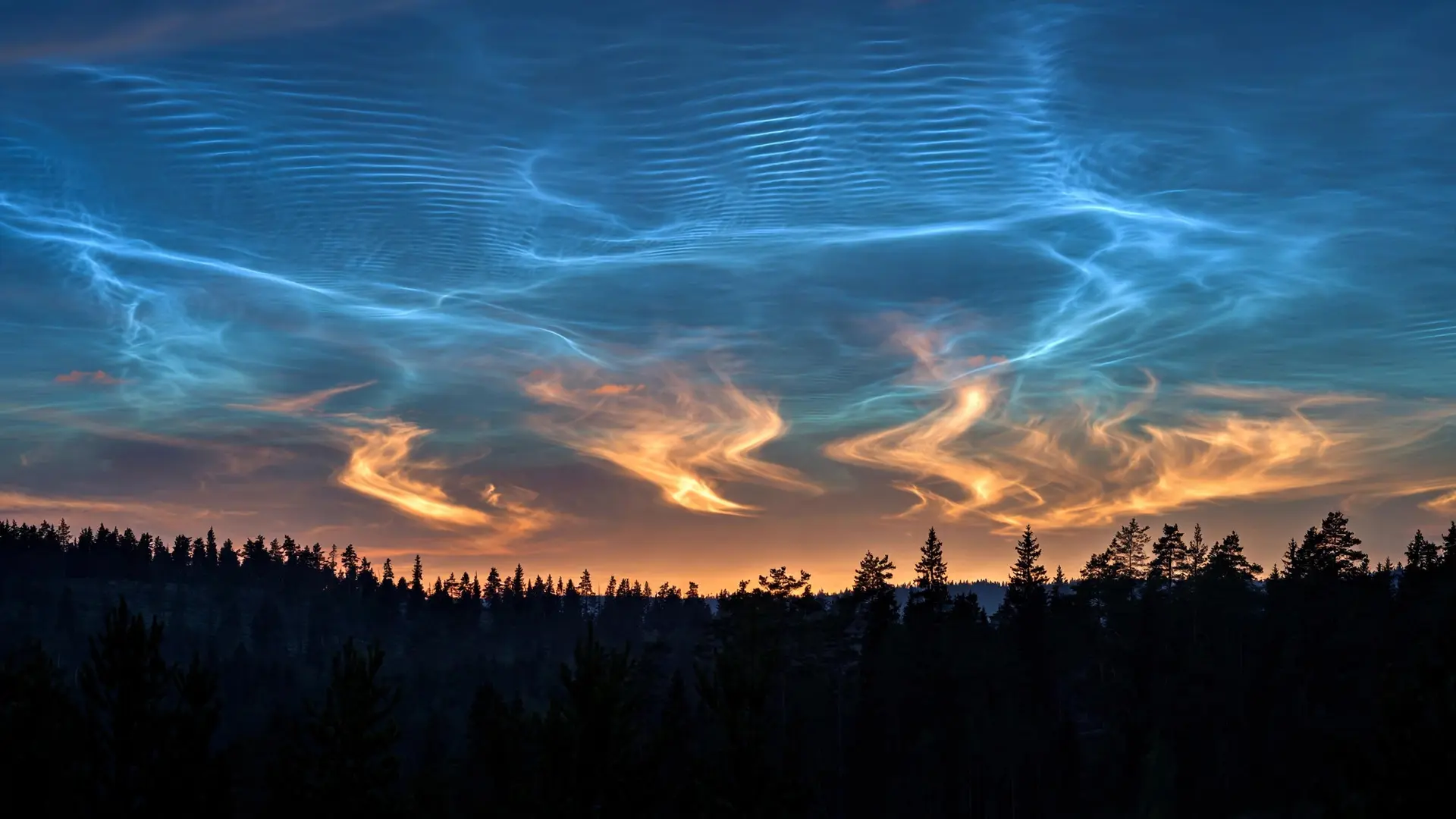
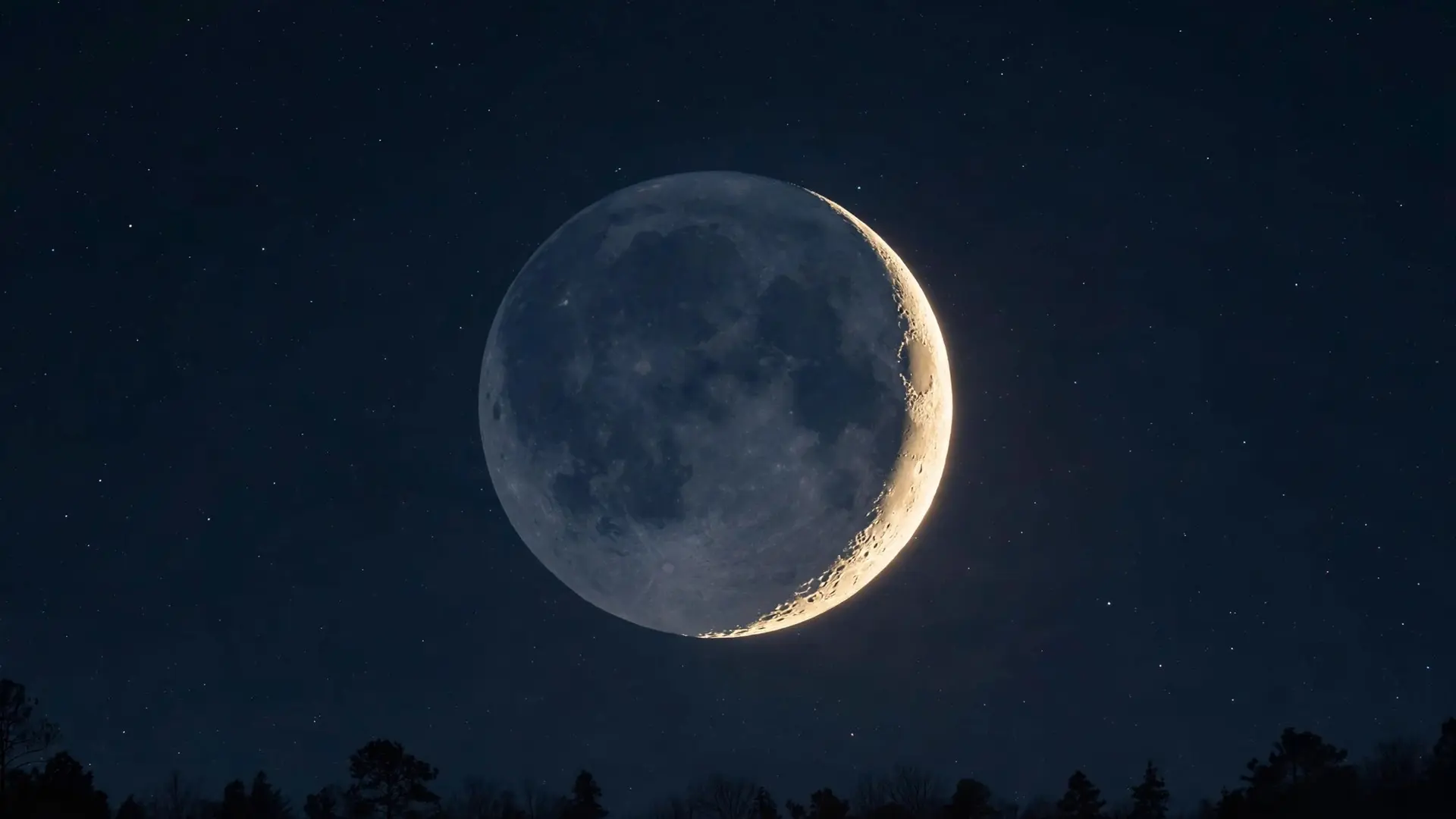
The 2026 calendar favors the patient. The Southern Taurids are predicted to peak on the night of November 4 to 5, around 19:00 UTC, under a thin waning crescent Moon that rises shortly before dawn. The new Moon falls on November 9 at 07:02 UTC, delivering the darkest skies of the stretch. The Northern Taurids peak on the night of November 11 to 12, around 18:00 UTC, three days after the new Moon. Neither peak is sharp: Taurid activity rambles across weeks rather than spiking on a single night, so any clear night from late October to mid-November is worth a look. The practical plan is simple. Get to the darkest spot you can; darkness matters more than any equipment, and binoculars or a telescope are useless for meteors because you want the widest possible view. Look around midnight, when Taurus climbs high. Find it via Orion, looking northeast for orange Aldebaran and the small Pleiades cluster, then look away from the radiant itself: meteors near it leave short trails and are harder to spot. Give your eyes 20 to 30 minutes to adapt, avoid your phone or use a red light, and settle in warmly with something to recline on. The Taurids are visible from practically anywhere on Earth except the South Pole, so Northern Hemisphere autumn and Southern Hemisphere spring viewers alike get a show. Expect an ordinary Taurid season: you might wait a long time between meteors, a few slow ones an hour, with the occasional fireball that makes the whole night worthwhile. If you are lucky enough to see a true fireball, you will know it instantly. A famous 2015 photograph caught one streaking over Lake Simcoe in Canada with the aurora shimmering below it, and Taurid fireballs have even been spotted flashing on the Moon's unlit face by NASA's lunar monitoring cameras. The upper atmosphere where meteors burn also hosts noctilucent clouds, though those night-shining clouds are a summer sight, not an autumn one.
What do most people get wrong about the Taurids?
The biggest misconception is that a good meteor shower means a crowded sky. The Taurids are the opposite bet: few meteors, but each one has an unusually good chance of being spectacular. Judging them by count misses the point entirely. The second is expecting a storm. Fireball-rich Taurid years recur roughly every three to seven years, and 2026 is not one of them. The next predicted swarm encounters are in 2032, on Earth's night side, and 2036, on the day side where fireballs would be much harder to see. This year is for learning what a Taurid fireball looks like, not for counting dozens per hour. The third is confusing a fireball with an impact. A fireball is defined by brightness alone; nearly all of them burn up completely, tens of miles overhead. For a reminder of what happens on the rare occasions when a much larger rock actually reaches the ground, see the 1908 Tunguska explosion. The Taurids will not do that to you. They will, if you are patient and the November sky is clear, give you one slow, bright, unforgettable streak. That has always been their deal. How we made this article: FactSpire researched and drafted it with AI assistance and checked every fact against the sources listed above.
Frequently asked questions
What is a fireball, exactly?
A fireball is any meteor that appears as bright as or brighter than the planet Venus, roughly magnitude -4. Fireballs come from larger chunks of cometary material, so they can show bigger flashes of light and color and linger longer than an average streak. NASA uses the term as a brightness category, not as a sign that anything reached the ground.
When is the best night to watch the Taurids in 2026?
Aim for the nights of November 4 to 5 for the Southern Taurids and November 11 to 12 for the Northern Taurids, with the darkest skies around the November 9 new Moon. Look around midnight when Taurus rides high, give your eyes 20 to 30 minutes to adapt, and be patient: only about five meteors an hour appear per branch.
Are the Taurids dangerous?
No. Meteor showers are harmless to people on the ground because the particles burn up high in the atmosphere. Researchers have studied whether a denser Taurid swarm could raise the airburst risk in 2032 and 2036, but they stress the probability stays low and no objects above the global catastrophe threshold have been found in the stream.
Why are there two Taurid showers?
Earth crosses the debris stream of Comet 2P/Encke twice, at different points, which produces the Southern branch and the Northern branch a week apart. The Southern Taurids trace to Encke itself; the Northern branch is linked to the asteroid 2004 TG10, possibly a large fragment broken from the same parent body.