Hells Canyon Is Deeper Than the Grand Canyon by 2,000 Feet
Hells Canyon is deeper than the Grand Canyon by about 2,000 feet at its deepest point. Here is how the Snake River gorge beats the famous canyon.
Key takeaways
- Hells Canyon drops 7,913 feet (2,412 m) from He Devil peak to the Snake River, about 2,000 feet deeper than the Grand Canyon.
- The Grand Canyon averages about a mile deep and reaches about 6,000 feet (1,829 m) at its deepest point.
- A 2025 study dated the canyon's rapid cutting to a drainage shift about 2.1 million years ago.
- Three dams built from 1958 to 1967 block salmon and steelhead from the upper Snake River.
- Congress protected the canyon in 1975, creating a 652,488-acre national recreation area.
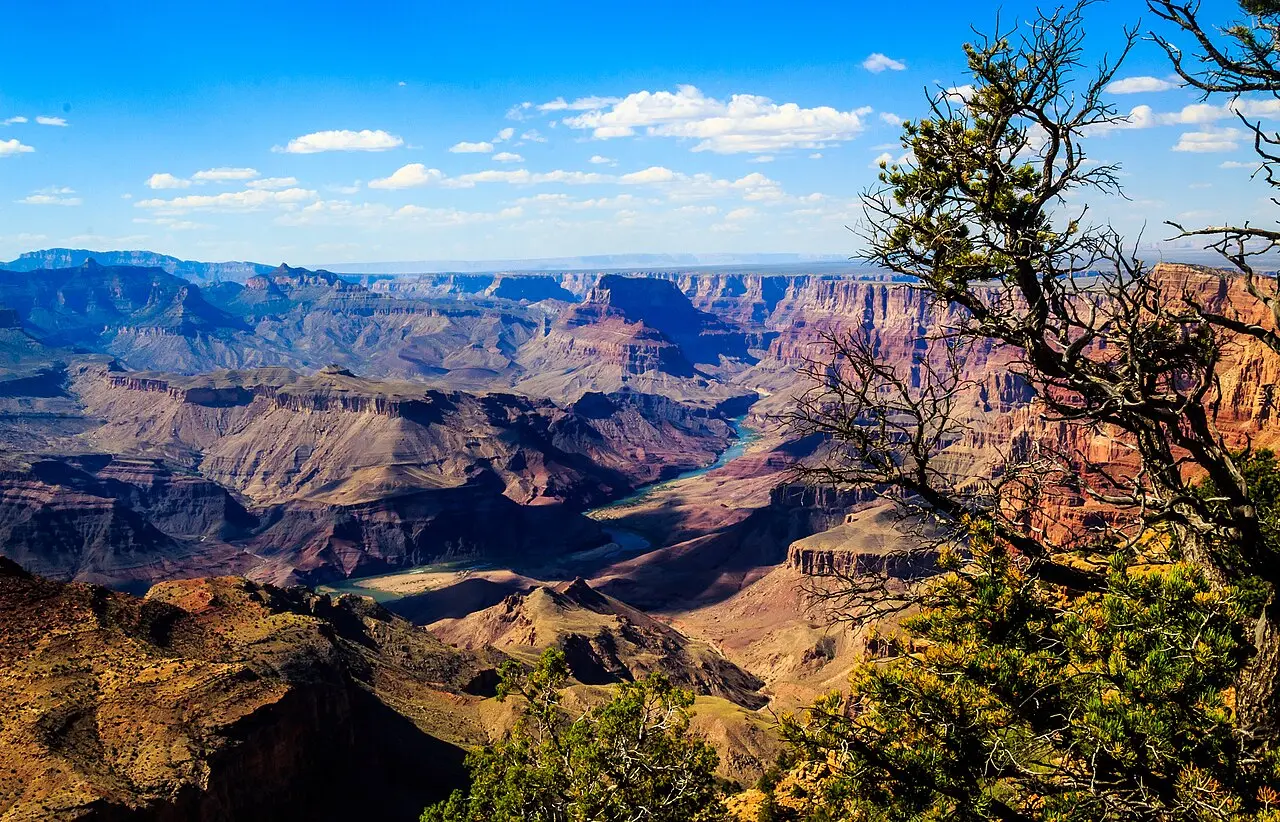
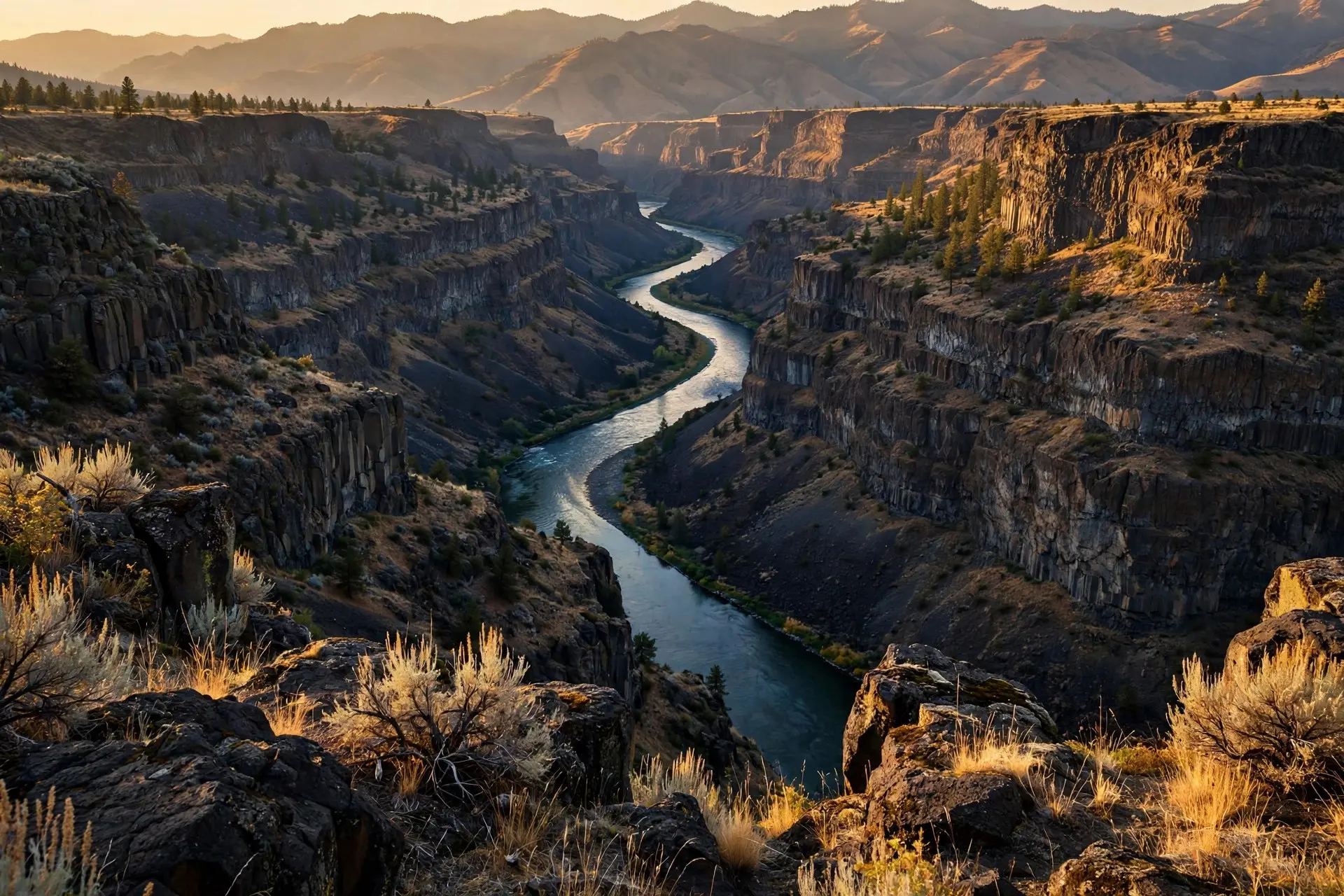
Yes. Hells Canyon, carved by the Snake River along the Idaho-Oregon border, is deeper than the Grand Canyon by about 2,000 feet. The U.S. Forest Service measures it at 7,913 feet (2,412 m) from He Devil peak down to the river, while the National Park Service puts the Grand Canyon's deepest point at about 6,000 feet (1,829 m). The famous canyon is bigger, but the hidden one is deeper.
- Hells Canyon is North America's deepest river gorge, at 7,913 feet (2,412 m) by the U.S. Forest Service measure. (WorldAtlas)
- The Grand Canyon averages about a mile deep, and its deepest point is about 6,000 feet (1,829 m), according to the National Park Service. (WorldAtlas)
- He Devil, the highest of Idaho's Seven Devils Mountains, rises to 9,393 feet (2,863 m); the Snake River below it sits at 1,480 feet (451 m) near Granite Creek. (WorldAtlas)
- The canyon runs about 125 miles (201 km) along the border of Idaho and Oregon, and spans up to 10 miles (16 km) rim to rim. (WorldAtlas)
- A 2025 study dated the canyon's rapid cutting to a drainage-capture event about 2.1 million years ago, when the Snake River rerouted into the Columbia River system. (Phys.org)
- Congress created the Hells Canyon National Recreation Area in 1975, setting aside 652,488 acres (264,048 hectares) and protecting 62 miles (100 km) of the Snake River. (WorldAtlas)
How is the depth actually measured?
Canyon depth is vertical relief, the height of the land above the river. The record number for Hells Canyon comes from one specific stretch. He Devil, the highest of the Seven Devils Mountains on the Idaho side, rises to 9,393 feet (2,863 m). At the mouth of Granite Creek, about seven miles downstream from Hells Canyon Dam, the Snake River sits at 1,480 feet (451 m). The difference is 7,913 feet (2,412 m). The Oregon side tells a smaller story. Hat Point, the lookout on the Oregon rim, stands at about 6,982 feet (2,128 m), making the drop to the river roughly 5,500 feet (1,676 m) on that side. The record belongs to the Idaho wall, where the tallest ground stands farthest above the water. Other references quote 7,993 feet (2,436 m), measured at a different point along the same wall, a gap of 80 feet (24 m) that comes from the measuring point. Either figure clears the Grand Canyon's deepest point by roughly 2,000 feet (610 m).
Why does the Grand Canyon look bigger if it is shallower?
The Grand Canyon wins on size. It runs about 446 km (277 river miles) long, averages about 16 km (10 miles) wide from rim to rim, and reaches up to 29 km (18 miles) at its widest. Hells Canyon runs about 125 miles (201 km) and spans up to 10 miles (16 km) rim to rim, so it reaches greater depth without being any broader. The shape matters too. The Grand Canyon is a wide plateau cut by a river, so its full depth is visible at once from the rim. Hells Canyon is a steep, V-shaped gorge, and its depth hides in slopes that take a six-mile climb to cross. The Grand Canyon looks bigger because you can see all of it.
How did the Snake River cut so deep?
The rock is far older than the canyon. The dark volcanic stone on the lower walls formed in Pacific island volcanoes active between about 300 and 130 million years ago, and Columbia River basalt flows from about 17 to 15 million years ago form the cliffs higher up. The canyon itself is young. For more than a century, geologists debated how it formed. A 2025 study in the Proceedings of the National Academy of Sciences, led by Matthew C. Morriss, gave the first direct date. The team dated ancient river sediments left in caves high above the present river, using cosmogenic nuclides, radioactive isotopes that build up in rock exposed to cosmic rays. The results showed a major drainage-capture event about 2.1 million years ago, when the Snake River rerouted into the Columbia River system, and erosion rates jumped from about 0.01 mm a year to about 0.16 mm a year. A 2026 study argued the cutting began when a barrier damming ancient Lake Idaho eroded, but both place the rapid deepening around two million years ago. About 15,000 years ago, the Bonneville Flood rushed through, but the depth came from older cutting.
| Canyon | Deepest point | Length | River |
|---|---|---|---|
| Hells Canyon, Idaho-Oregon | 7,913 ft (2,412 m) | About 125 miles (201 km) | Snake River |
| Grand Canyon, Arizona | About 6,000 ft (1,829 m) | About 277 river miles (446 km) | Colorado River |
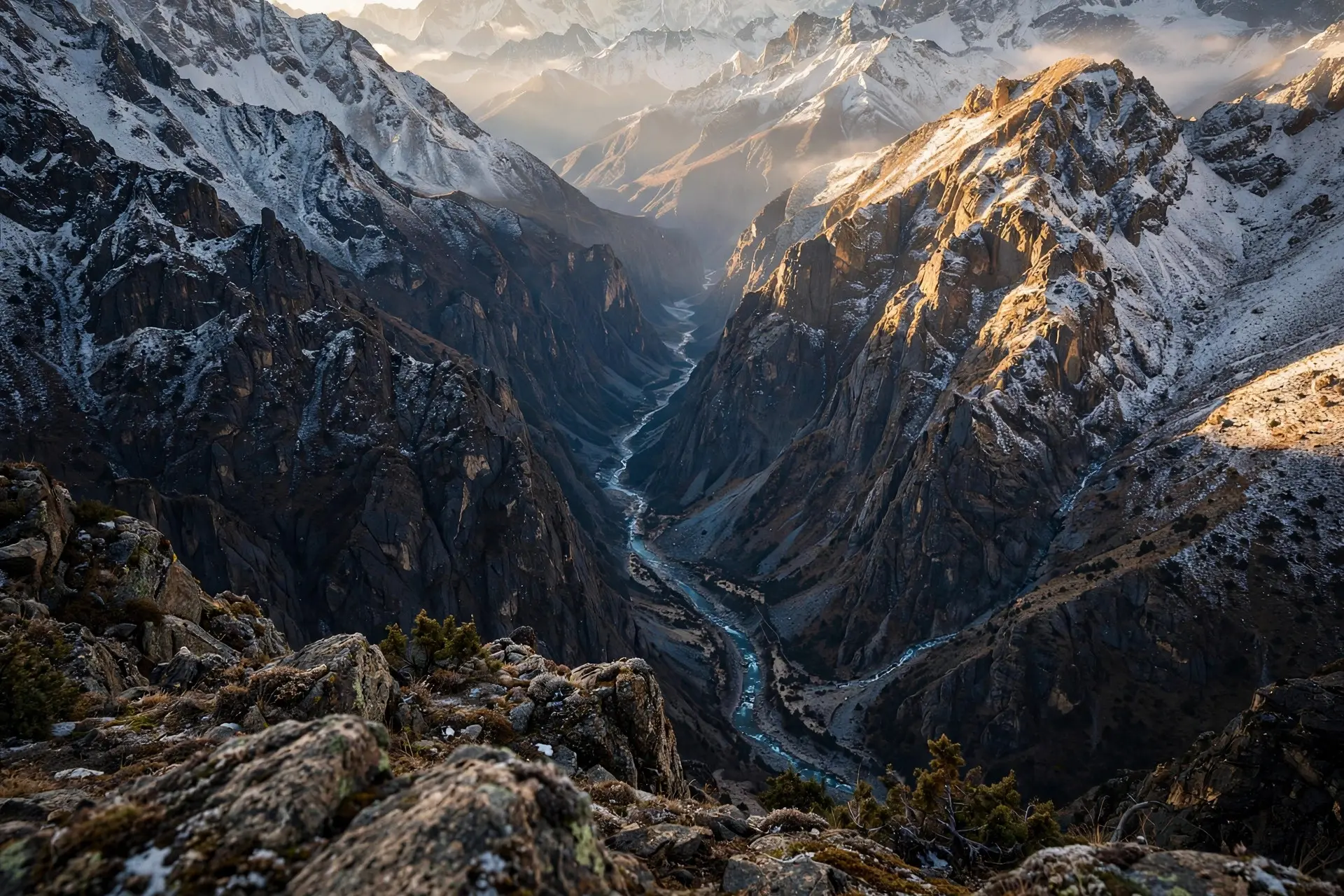
| Yarlung Tsangpo Grand Canyon, Tibet | More than 17,000 ft (5,300 m) | More than 300 miles (500 km) | Yarlung Tsangpo River |
| The last row is worth a pause. Hells Canyon is the deepest river gorge in North America, but the Yarlung Tsangpo Grand Canyon in Tibet is far deeper, reaching more than 5,300 metres (17,000 feet) from top to bottom in some places, about three times the Grand Canyon's depth. The North American title is real; the world title belongs elsewhere. |
Who lived below the rim?
People have lived at the bottom of Hells Canyon for more than 7,000 years, drawn by mild winters and salmon runs. The canyon is on traditional Nez Perce (Nimiipuu) territory. In 1877, General Oliver O. Howard gave Chief Joseph's band 30 days to leave their Oregon homeland for the Nez Perce Reservation near Lapwai, Idaho. The band reached Dug Bar on May 31, with the river running high from spring runoff, and crossed on horsehide rafts, losing many horses and cattle.
The first non-Indigenous visitor on record was Sergeant John Ordway of the Lewis and Clark Expedition, who reached the canyon in June 1806. Fur traders followed, then miners: gold found on Nez Perce land in 1860 brought a flood of trespassing miners, and an 1863 treaty shrank the tribe's territory. Chinese miners worked the shorelines from the mid-1860s, and in May 1887 as many as 34 of them were murdered on the Oregon bank, at a site officially named Chinese Massacre Cove in 2005. Homesteaders came with cattle and sheep, but by 1918 fewer than 5 percent remained on their claims. The canyon later became a battleground over dams. Idaho Power built three low dams: Brownlee, 420 feet (128 m) tall, began filling in 1958, Oxbow followed in 1961, and the 330-foot (101-metre) Hells Canyon Dam opened in 1967. All three lack fish ladders, so salmon and steelhead swimming up the Snake stop at Hells Canyon Dam. A fourth dam, the 670-foot (204-metre) High Mountain Sheep project, won a federal license in 1964, but the U.S. Supreme Court sent that license back for reconsideration in June 1967. In 1975, Congress passed the law creating the Hells Canyon National Recreation Area, setting aside 652,488 acres (264,048 hectares) and barring any new dam inside it. The law also protected the 192,000-acre (77,700-hectare) Hells Canyon Wilderness and put 62 miles (100 km) of the Snake River into the Wild and Scenic Rivers system.
What most people get wrong
The common mistake is assuming the Grand Canyon is the deepest canyon in the United States because it is the most famous. It is the biggest and the most visited, but depth is a different measurement, and Hells Canyon wins it by a wide margin. The second mistake is trusting a single depth number without asking where it was measured. Hells Canyon's record number belongs to one wall in one stretch; on the Oregon side, the drop is closer to 5,500 feet. The third mistake is thinking the canyon is ancient. The rock is hundreds of millions of years old, but the gorge itself was cut in roughly the last two million years, after the Snake River found a new route to the sea. The canyon still rewards the effort. White sturgeon longer than 10 feet (3 m) and heavier than 500 pounds (227 kg) live in the Snake River, and about 1,200 bighorn sheep roamed the area as of late 2022. Hat Point takes a 23-mile (37 km) gravel road out of Imnaha, Oregon, usually closed by snow until late June or July. The Hells Canyon Overlook, about 33 miles (53 km) north of Halfway, is the only paved viewpoint. Hells Canyon is deeper than the Grand Canyon, and it is also quieter, harder to reach, and far less visited. The depth is the headline, but the reason to remember it is what the depth proves: a river, given a new route and two million years, can cut the deepest gorge on the continent through solid basalt. How we made this article: FactSpire researched and drafted it with AI assistance and checked every fact against the sources listed above.
Frequently asked questions
Is Hells Canyon deeper than the Grand Canyon?
Yes. The U.S. Forest Service measures Hells Canyon at 7,913 feet (2,412 m) deep, from He Devil peak down to the Snake River, while the National Park Service puts the Grand Canyon's deepest point at about 6,000 feet (1,829 m). That makes Hells Canyon roughly 2,000 feet deeper at its deepest point.
Why do sources give different depths for Hells Canyon?
Depth is measured from a high point to the river, and the canyon's walls are uneven. The Forest Service figure of 7,913 feet uses He Devil peak at 9,393 feet and the river at 1,480 feet near Granite Creek. Other references quote 7,993 feet, measured at a different point along the same wall.
How old is Hells Canyon?
The rock is far older than the canyon. A 2025 study in the Proceedings of the National Academy of Sciences, using sediments dated in caves above the river, tied the canyon's rapid cutting to a drainage-capture event about 2.1 million years ago, when the Snake River rerouted into the Columbia River system.
Can you visit Hells Canyon?
Yes, but it takes effort. Hat Point on the Oregon rim sits about 5,500 feet above the Snake and is reached by a 23-mile gravel road, usually closed by snow until late June or July. The Hells Canyon Overlook, about 33 miles north of Halfway, Oregon, is the only paved viewpoint into the canyon.
Sources
- The Deepest River Gorge In America, WorldAtlas
- Hells Canyon, Oregon Encyclopedia
- Cave records show that US's deepest river gorge Hells Canyon is only 2.1 million years old, Phys.org
- Yarlung Tsangpo: The Everest of Rivers, NASA Earth Observatory